The intersection of digital social media platforms and the public personas of queer celebrities has undergone a significant transformation, shifting from curated public relations statements to direct, authentic engagement that redefines visibility during the summer media cycle. This phenomenon is currently exemplified by a series of high-profile digital interactions and professional milestones from figures such as Megan Thee Stallion, Louisa Jacobson, and Cara Delevingne, whose recent activities provide a case study in the modern queer cultural zeitgeist. As Pride Month activities transition into the mid-summer entertainment season, the strategic use of platforms like Instagram serves not only as a promotional tool for upcoming projects but also as a space for reclaiming narratives around gender, identity, and community.
The Strategic Launch of Megan Thee Stallion’s Independent Era
A primary driver of recent digital engagement is the multi-platinum artist Megan Thee Stallion, who recently teased new creative content following the release of her third studio album, "MEGAN," on June 28, 2024. This album marks a pivotal moment in the artist’s career, as it is her first full-length project released under her own independent label, Hot Girl Productions, after a protracted and highly publicized legal battle with her former label, 1501 Certified Entertainment. The "MEGAN" album, which debuted at number three on the Billboard 200, incorporates a diverse array of cultural influences, most notably in the track "Mamushi" featuring Japanese rapper Yuki Chiba.
The artist’s digital strategy has been characterized by a blend of high-concept visual aesthetics—frequently utilizing snake motifs to symbolize rebirth and shedding the past—and direct interaction with the LGBTQ+ community. Market analysts note that Megan Thee Stallion’s "Hot Girl Summer" brand has evolved into a multi-million dollar cultural intellectual property that emphasizes inclusivity. According to data from Luminate, her digital engagement spikes significantly when her content aligns with social justice or identity-based themes, suggesting that her fan base, the "Hotties," values the intersection of music and personal advocacy. Her presence during the summer season is further amplified by her "Hot Girl Summer Tour," the first headlining arena tour of her career, which has seen high attendance rates from queer demographics, solidifying her status as a major ally and icon within the community.
Subverting Gender Norms: Louisa Jacobson and the Politics of Posture
In the realm of television and visual media, Louisa Jacobson, known for her leading role as Marian Brook in HBO’s "The Gilded Age," has utilized her digital platform to engage in subtle yet impactful social commentary. A recent post featuring Jacobson in a wide-legged, assertive seated position—commonly referred to in social discourse as "manspreading"—has garnered attention for its subversion of traditional feminine presentation. Jacobson, the daughter of Academy Award-winning actress Meryl Streep, has often been scrutinized through the lens of her Hollywood lineage; however, her recent public image focuses on a distinct, queer-coded aesthetic that diverges from the Victorian constraints of her on-screen character.
Social historians suggest that the reclamation of physical space by women and non-binary individuals is a recurring theme in feminist and queer theory. By adopting a posture historically associated with male dominance, Jacobson participates in a visual dialogue about body autonomy and the rejection of "ladylike" expectations. This digital expression coincides with a broader trend in the entertainment industry where actresses are increasingly using social media to dismantle the "starlet" trope in favor of more authentic, often gender-defying representations.
Industry Recognition and the "Culture Awards" Ecosystem
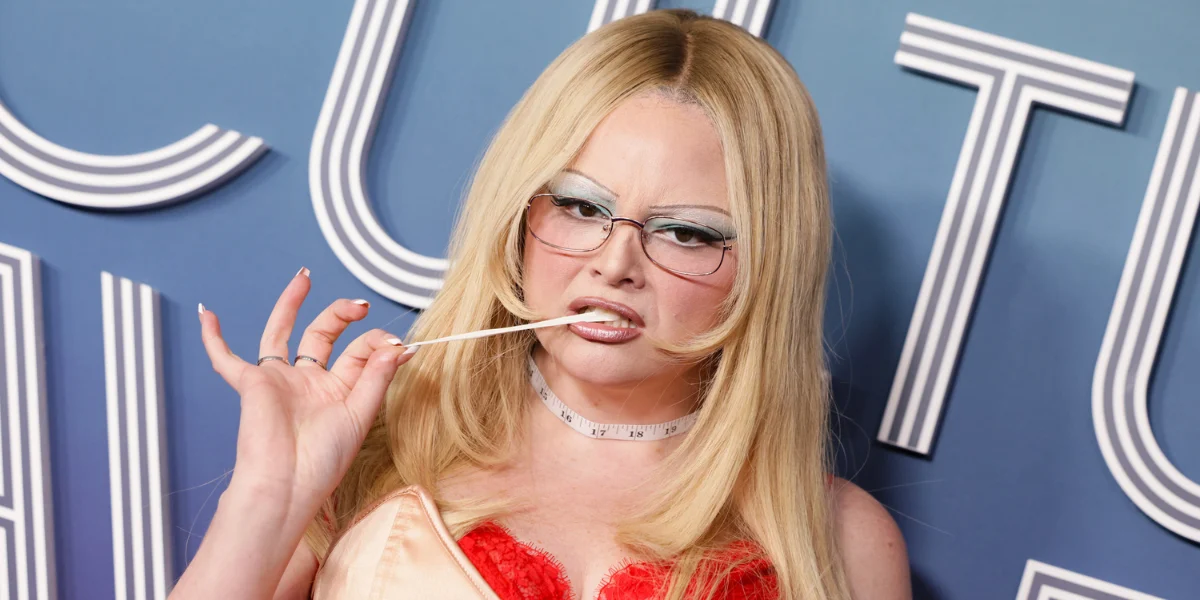
The recent "Culture Awards" event highlighted the growing institutional recognition of queer talent across various entertainment sectors. High-profile attendees included comedian Patty Harrison, known for her surrealist humor and groundbreaking roles in "Together Together" and "I Think You Should Leave," as well as the high-profile couple Chrishell Stause and G Flip. Stause, a star of Netflix’s "Selling Sunset," and G Flip, an Australian musician, have become one of the most visible queer couples in reality television and music, respectively.
The presence of such figures at industry awards signals a shift in the "prestige" hierarchy of Hollywood. Historically, LGBTQ+ talent was often relegated to niche categories or overlooked by major voting bodies like the Academy of Motion Picture Arts and Sciences. However, the emergence of the "Culture Awards" and similar ceremonies reflects a demand for recognition that prioritizes cultural impact over traditional gatekeeping. Data from GLAAD’s 2023 "Where We Are on TV" report indicates that while representation is at an all-time high, the quality and diversity of these roles are increasingly driven by the public personas and social media advocacy of the actors themselves.
Parenting and the "Multi-Hyphenate" Identity of Keke Palmer
Keke Palmer, a veteran of the entertainment industry whose career spans over two decades, continues to redefine the "multi-hyphenate" label through her work as an actress, singer, and digital entrepreneur. Palmer’s recent social media content, which features her son Leodis "Leo" Andrellton Jackson, has sparked discussions regarding the intersection of motherhood and career longevity for queer and Black women in Hollywood. Palmer’s comedic timing, a hallmark of her professional identity, is frequently utilized in her digital content to humanize the experience of parenting while maintaining a high-profile career.
In 2022, Palmer launched "KeyTV," a digital network aimed at providing a platform for a new generation of creators. Her approach to the "nepo baby" discourse—the debate surrounding the children of successful celebrities entering the same industry—is notably pragmatic. By showcasing her son’s early exposure to the media environment, Palmer acknowledges the inherent advantages of her position while emphasizing the labor and talent required to sustain a career in the public eye. This transparency has been lauded by industry observers as a refreshing take on the complexities of generational wealth and opportunity in the arts.
Cara Delevingne and the Clarification of Queer Identity
Cara Delevingne, the internationally renowned model and actress, has recently reaffirmed her identity as a lesbian, a move that clarifies years of public speculation and evolving personal labels. Delevingne, who recently completed a critically acclaimed run as Sally Bowles in the West End production of "Cabaret," has been vocal about her journey with sobriety and mental health. Her definitive stance on her sexual orientation is seen as a significant moment for LGBTQ+ visibility, given her status as a global fashion icon.
In a professional context, Delevingne’s career has successfully transitioned from the runway to serious dramatic roles. Her involvement in projects that center on queer narratives or characters—such as her role in "American Horror Story: Delicate"—complements her real-world advocacy. Sociological studies on celebrity coming-out narratives suggest that when a figure of Delevingne’s stature adopts a specific label, it can have a normalizing effect on global audiences, particularly in regions where LGBTQ+ rights are still a matter of significant legal and social contention.
Hannah Einbinder and the Intersection of Comedy and High Fashion
Hannah Einbinder, the breakout star of the Max series "Hacks," has become a prominent figure in the intersection of queer comedy and the high-fashion industry. Einbinder, who portrays the writer Ava Daniels, has received multiple Emmy and Golden Globe nominations for her performance. Her recent public appearances have featured "architectural" and avant-garde fashion choices that challenge traditional red-carpet aesthetics.
Einbinder’s rise coincides with the third season of "Hacks," which continues to explore the intergenerational dynamics between a legendary female comedian and her younger, queer protégé. The show has been praised for its authentic portrayal of bisexuality and the professional struggles of creative women. Einbinder’s stand-up special, "Everything Must Go," further establishes her as a voice for a generation that values neurotic honesty and political awareness. Her use of fashion as a form of non-verbal communication reinforces her brand as an intellectual and unconventional presence in the Hollywood landscape.
Broader Impact and the Future of Digital Visibility
The collective impact of these individual narratives points to a broader trend in the media industry: the decentralization of PR power. Queer celebrities are no longer dependent on traditional magazine covers or late-night talk show appearances to communicate their identities or project milestones to the public. Instead, the "No Filter" approach of social media allows for a continuous, real-time dialogue with a global audience.
This shift has significant economic implications. Brands and production studios are increasingly looking at "social sentiment" and "engagement depth" when casting or greenlighting projects. The ability of stars like Megan Thee Stallion or Keke Palmer to mobilize millions of followers through a single post provides them with unprecedented leverage in contract negotiations. Furthermore, the visibility of queer identities in these digital spaces contributes to a more diverse cultural archive, ensuring that the history of the LGBTQ+ community in the 21st century is documented through the lens of the individuals themselves rather than through the filtered perspective of external media entities.
As the summer entertainment season continues, the synergy between professional output and personal digital expression remains a critical component of celebrity strategy. The ongoing success of these figures suggests that authenticity, far from being a liability, is the most valuable currency in the modern attention economy.