The CocoaLife Quality Education Project, a strategic initiative spearheaded by World Education in partnership with JSI and funded by Mondelez International, is fundamentally reshaping the educational landscape of rural Côte d’Ivoire by addressing the systemic links between poverty, cocoa production, and child labor. Since its inception in 2012, World Education has focused its efforts on the West African nation, which remains the world’s leading producer of cocoa, contributing nearly 40% of the global supply. Despite the economic importance of the sector, the communities at the heart of this production have historically faced significant barriers to quality education, including high rates of school absenteeism, inadequate infrastructure, and a heavy reliance on child labor during peak harvest seasons.
Under the leadership of Ferdinand Beblai, Country Director for JSI Côte d’Ivoire, the project has transitioned from a traditional aid model to a community-empowerment framework. This shift recognizes that sustainable improvements in education quality cannot be achieved through external funding alone but must be rooted in the institutional capacity of local stakeholders. By strengthening the Comité de Gestion Établissement Scolaire (COGES), or School Management Committees, the project has successfully integrated local governance with economic sustainability, ensuring that schools remain functional and safe even in the most remote cocoa-producing regions.
The Socio-Economic Landscape of Education in Côte d’Ivoire
The challenges facing the Ivorian education system are multifaceted and deeply intertwined with the country’s agricultural cycles. National statistics from 2021 reveal a sobering reality: more than 15% of primary school children in Côte d’Ivoire repeat a grade every year. In the "cocoa belt," this figure is often higher due to the seasonal demand for labor. During the two main cocoa harvests, parents frequently withdraw their children from classrooms to assist in the fields. This disruption creates a cycle of academic failure; children who miss weeks of instruction arrive back at school behind their peers, leading to poor grades, eventual expulsion, or voluntary dropout.
Furthermore, the physical environment of these schools often poses a direct threat to student safety. In many rural areas, school infrastructure is constructed from temporary materials such as wood and straw. These structures are highly susceptible to the increasing frequency of extreme weather events, including heavy tropical rains and high winds, which can render classrooms unusable or dangerous. The distance between these remote settlements and urban centers further complicates the procurement of reliable building materials, leaving many children to learn in "precarious sheds" that lack basic amenities like toilets, desks, or clean water.
Strengthening the COGES Framework
To combat these systemic issues, the Ivorian government established the COGES framework to bring together parents, teachers, and local leaders to manage school resources. However, for many years, these committees remained underfunded and lacked the technical expertise to effect real change. World Education identified this gap in 2012 and developed a comprehensive evaluation tool to assess COGES functionality. The goal was to transform these committees from passive administrative bodies into proactive drivers of school improvement.
A central pillar of this strategy involves the implementation of Income-Generating Activities (IGAs). Recognizing that many COGES lacked the liquid capital to maintain school facilities or support struggling students, World Education provided training in agribusiness and small-scale entrepreneurship. In various villages, committees have established maize plantations or poultry farms. The profits generated from these ventures are funneled directly back into the School Improvement Plans (SIPs). These funds are used for a variety of critical needs, such as hiring tutors for remedial classes in mathematics and French, purchasing school supplies, and maintaining building integrity. This holistic involvement ensures that the community has a literal and figurative "stake" in the success of the local school.
Chronology of Transformation: The Case of Ndrikro
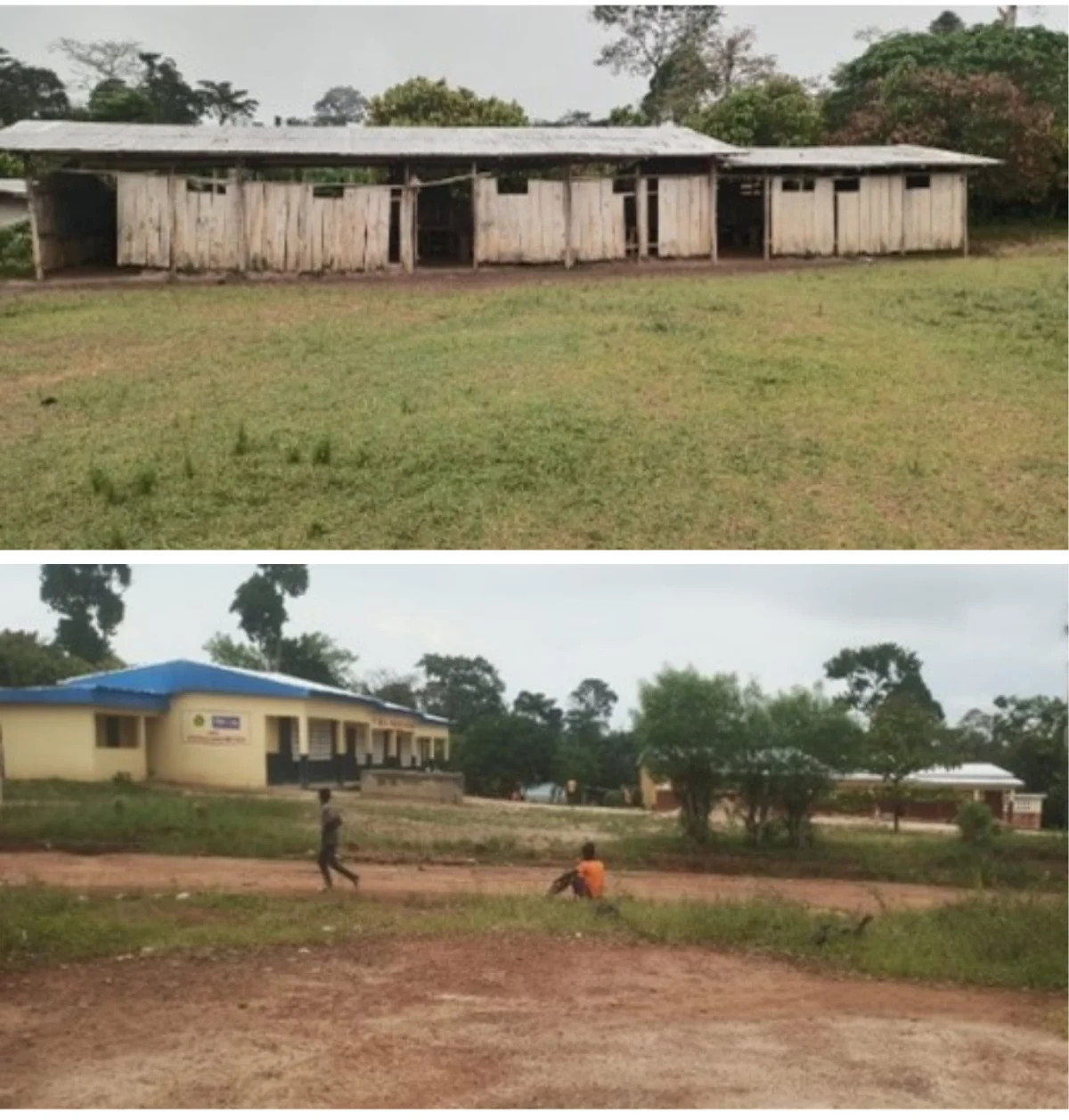
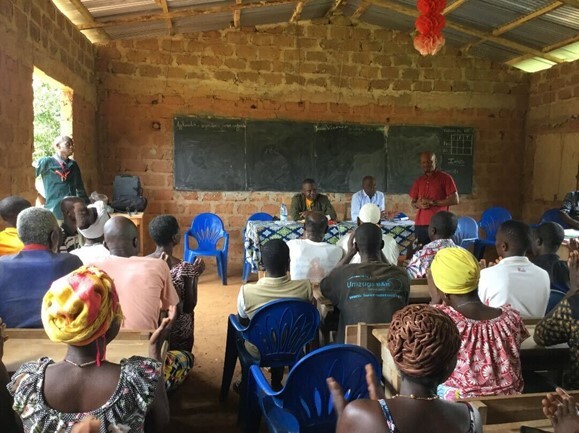
The transformation of the N’drikro community in the Soubré region serves as a primary case study for the project’s success. Prior to the intervention, the N’drikro school consisted of rudimentary sheds. Governance was non-existent, and student performance was among the lowest in the district. The lack of sanitation facilities meant that health issues were common, further contributing to absenteeism.
The intervention followed a structured timeline:
- Mobilization (2012-2014): World Education engaged village leadership, youth groups, and the local Village Savings and Loan Associations (VSLAs) to align them around a single vision: the school as a communal asset.
- Resource Generation (2015-2018): Utilizing a communal cassava field and financial support from the VSLAs, the community began generating its own revenue.
- Infrastructure Development (2019-2022): The synergy of community labor and IGA profits resulted in the construction of two modern school buildings, complete with administrative offices and hygienic toilet facilities.
- Academic Excellence (2023-Present): With a stable environment established, the focus shifted to quality. The school introduced remedial classes and excellence awards, resulting in N’drikro becoming a model for educational recovery in the region.
Data-Driven Decisions and the Granular Approach
One of the most significant contributions of the CocoaLife Quality Education Project is its emphasis on granular, community-level data. While national data provides a broad overview of the education sector, it often fails to capture the nuances of life in cocoa-growing villages. For instance, national reports might list a school district’s enrollment numbers, but they rarely specify how many six-year-olds in a specific village are out of school or why.
By conducting localized data analysis, World Education discovered a critical economic barrier: the timing of the cocoa harvest. Farmers often find themselves in a "cash-strapped" period between harvests, exactly when the school year begins and supplies need to be purchased. Armed with this specific insight, the project was able to provide targeted grants of 80,000 francs (approximately USD 140) to the most vulnerable families. This timely intervention ensured that children were not kept home simply because their parents could not afford pens, notebooks, or uniforms.
The Role of the Private Sector and Global Sustainability
The involvement of Mondelez International through its CocoaLife program highlights a growing trend in Corporate Social Responsibility (CSR). For global chocolate manufacturers, the presence of child labor in their supply chains is not only an ethical crisis but a long-term business risk. By investing in the education and well-being of the next generation of farmers, these companies are helping to stabilize the regions they depend on.
Ferdinand Beblai notes that the project’s success is changing the local perception of education. Parents are increasingly recognizing that even if their children follow in their footsteps as cocoa farmers, they require a formal education to succeed in a modern economy. Literacy allows farmers to read the labels on pesticides and fertilizers, ensuring they are mixed correctly and applied safely, while numeracy skills prevent them from being exploited during the sale of their crops.
Official Responses and Future Policy Integration
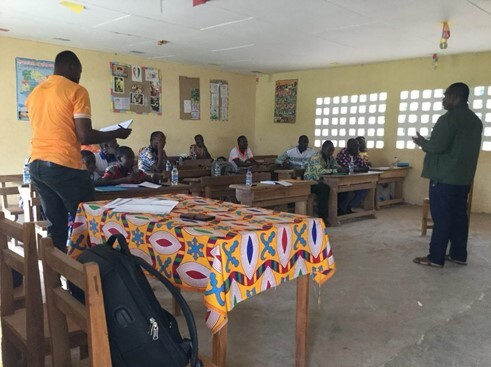
The success of the World Education model has not gone unnoticed by the Ivorian Ministry of Education. The government has recently requested the signing of a formal collaboration protocol with World Education. This agreement signifies a move toward institutionalizing the COGES-led, income-generating model at a national level.
This protocol is expected to:
- Standardize the COGES training modules developed by World Education.
- Integrate community-level data collection into the national Education Management Information System (EMIS).
- Provide a framework for other NGOs and private sector actors to align their educational interventions with government standards.
The Ivorian government’s proactive stance suggests a shift toward a decentralized management style where the state provides the curriculum and teachers, while the communities—empowered by sustainable IGAs—manage the infrastructure and local student support systems.
Analysis of Long-Term Implications
The implications of the CocoaLife Quality Education Project extend beyond the borders of Côte d’Ivoire. This model provides a blueprint for addressing child labor in other commodity-dependent nations, such as coffee-producing regions in Ethiopia or tea-growing areas in Kenya. The key takeaway is that child labor cannot be "policed" out of existence; it must be "educated" out of existence by providing families with viable economic alternatives and high-quality, accessible schooling.
As climate change continues to threaten agricultural yields in West Africa, the resilience of these community-managed schools will be put to the test. However, by establishing a system where the community is trained in financial management and resource mobilization, World Education has built a foundation that is likely to outlast the project’s direct funding cycle. The transition of schools from "precarious sheds" to "community assets" represents a fundamental change in the social contract of rural Côte d’Ivoire—one where the education of a child is viewed as the collective responsibility of the village, the state, and the global consumer.
Looking forward, the focus will remain on ensuring that the gains made in transparency and resource management are maintained. With COGES committees now capable of maintaining their own accounting records and receipts, the level of trust between parents and school administrators has reached an all-time high. This trust is the ultimate currency of the project, ensuring that even in the absence of international grants, the children of the cocoa heartlands will continue to have a desk, a teacher, and a future.