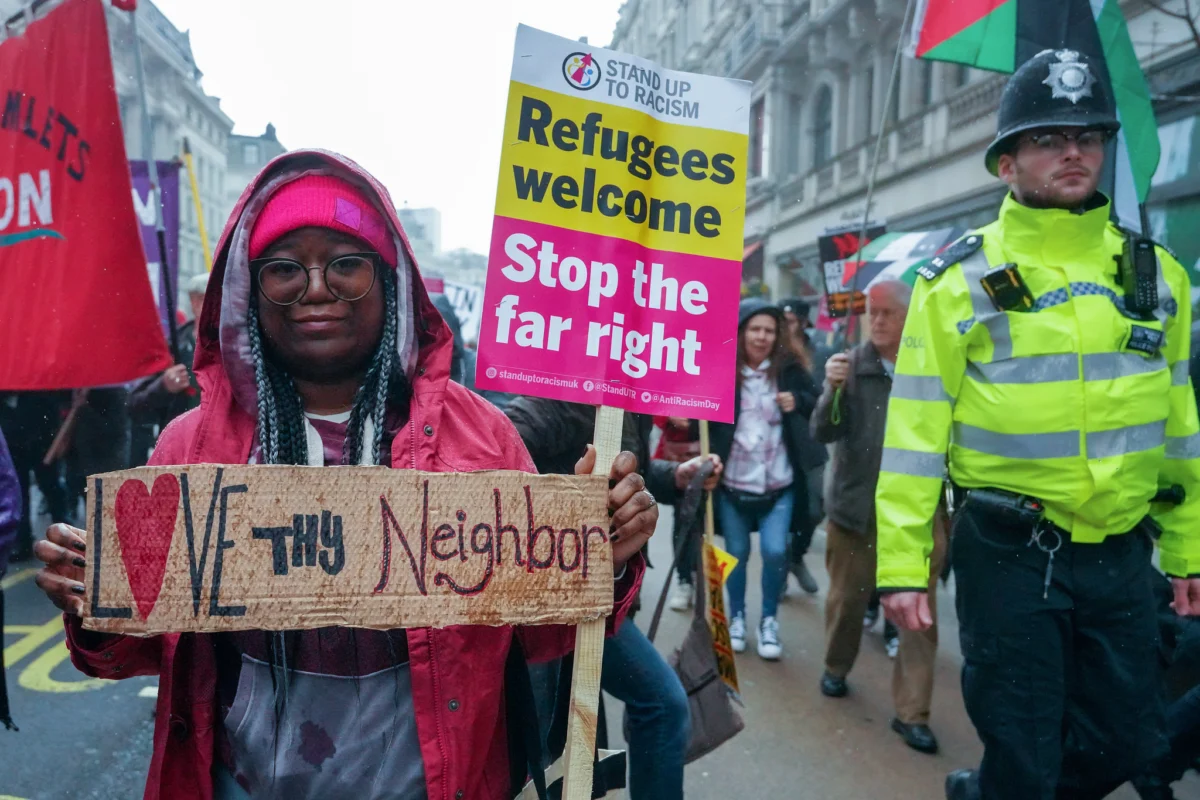
The legal framework governing human rights and civil liberties in the United Kingdom, once considered a global gold standard, is currently facing an unprecedented period of legislative and political volatility. For decades, the Human Rights Act 1998 and the Equality Act 2010 have served as the twin pillars of British constitutional protection, shielding citizens from state overreach and institutional discrimination. However, a growing consensus among legal experts, civil rights advocates, and non-governmental organizations suggests that these protections are no longer guaranteed. As political rhetoric shifts toward deregulation and the "rollout of red tape," the very laws designed to ensure fair treatment and personal safety are being scrutinized, diluted, or targeted for total repeal.
The current atmosphere of uncertainty is driven by a combination of legislative challenges, media-led misinformation campaigns, and a shifting political landscape that increasingly views human rights not as universal protections, but as obstacles to administrative efficiency or sovereign autonomy. This assessment explores the historical foundations of these rights, the specific mechanisms of their current erosion, and the broader implications for British society as the nation moves further into the mid-2020s.
The Historical Foundations of British Civil Liberties
To understand the gravity of the current situation, one must look at the origin of these legal protections. The European Convention on Human Rights (ECHR) was drafted in the aftermath of World War II, with the United Kingdom playing a leading role in its creation. Sir David Maxwell-Fyfe, a British lawyer and Conservative politician, was a key architect of the convention, which was designed to ensure that the atrocities of the 1930s and 40s could "never again" occur on European soil.
The Human Rights Act 1998 eventually brought these convention rights into domestic UK law, allowing citizens to seek redress in British courts rather than having to take every case to the European Court of Human Rights in Strasbourg. This was followed by the Equality Act 2010, which consolidated over 116 separate pieces of legislation—including the Equal Pay Act 1970, the Sex Discrimination Act 1975, and the Race Relations Act 1976—into a single, comprehensive framework. These acts were not merely administrative exercises; they were the culmination of decades of social struggle by marginalized groups seeking basic recognition and safety within the workplace and public life.
A Chronology of Legislative Regression
The erosion of these rights has not occurred in a single event but through a decade-long process of legislative attrition and political repositioning.
2010–2015: The Commencement Gap
Upon the passing of the Equality Act 2010, several key provisions were left "uncommenced." Most notably, Section 1—the Socio-economic Duty—was sidelined by the incoming Coalition government. This duty would have required public bodies to consider how their decisions could reduce the inequalities of outcome which result from socio-economic disadvantage. While the governments of Scotland (2018) and Wales (2021) eventually enacted this duty, it remains dormant in Westminster, limiting the ability of English citizens to challenge policies that exacerbate poverty.
2016–2022: Post-Brexit Legal Friction
Following the 2016 EU Referendum, the debate over "sovereignty" expanded to include the UK’s relationship with the ECHR. Although the ECHR is separate from the European Union, political rhetoric frequently conflated the two. In 2022, the government introduced the "Bill of Rights Bill," intended to replace the Human Rights Act. While the bill was eventually shelved after significant backlash from legal bodies and the House of Lords, it signaled a clear intent to weaken the ability of individuals to challenge the state.
2023–2025: Regulatory Dilution
In recent years, the focus has shifted toward "reforming" the Equality Act. Proposed changes have often centered on narrowing the definitions of protected characteristics or introducing new exemptions for service providers. Furthermore, the funding for the Equality and Human Rights Commission (EHRC), the body responsible for enforcing these laws, has seen significant fluctuations, which critics argue has hampered its ability to take on high-profile litigation against powerful interests.
The Role of Media Concentration and Public Misperception
A significant factor in the vulnerability of human rights law is the distortion of public understanding. Data indicates that approximately 90% of the UK’s newspaper circulation is controlled by just three billionaires or their parent companies. This concentration of media power has facilitated a decades-long campaign against human rights legislation, often utilizing "clickbait" headlines and sensationalist narratives.
Common media tropes often portray human rights as a "criminal’s charter" or a tool for "special interests" to exploit the system. This "divide-and-rule" strategy serves to alienate the general public from the very laws that protect them. For instance, headlines often ignore that the Human Rights Act is what allows families of deceased soldiers to challenge the Ministry of Defence over faulty equipment, or what enables victims of police failure to seek accountability. By framing these laws as "woke" or "un-British," media outlets have created a political environment where rolling back rights is seen by some segments of the electorate as a positive step toward "common sense" governance.
Supporting Data: The Reality of Discrimination and Inequality
Despite the narrative that equality laws have "gone too far," statistical evidence suggests that discrimination remains a systemic issue in the UK. According to data from the Office for National Statistics (ONS) and various advocacy groups:
- The Disability Pay Gap: As of 2023, disabled employees in the UK earned approximately 13.8% less than non-disabled employees, a gap that has remained stubbornly persistent despite the protections of the Equality Act.
- Hate Crimes: Home Office statistics have shown a general upward trend in reported hate crimes over the last decade, particularly those motivated by race and religion, highlighting the continued need for robust legal protections.
- Maternal Mortality: Data from MBRRACE-UK indicates that Black women are nearly four times more likely to die in childbirth than white women, a stark reminder of the socio-economic and racial inequalities that the dormant Section 1 of the Equality Act was intended to address.
- Wealth Inequality: The Equality Trust’s research shows that the UK remains one of the most unequal countries in the developed world, with the richest 10% of households holding 43% of all wealth, while the bottom 50% hold less than 5%.
These figures underscore the fact that existing laws are not "excessive" but are, in many cases, insufficient or under-enforced.
Political Perspectives and Future Risks
The political landscape of 2026 presents a fragmented approach to these protections. Reform UK has been explicit in its platform, pledging to scrap the Equality Act entirely, arguing that it creates "inverted discrimination." Within the Conservative Party, various factions continue to advocate for a full withdrawal from the ECHR to facilitate more aggressive immigration and policing policies.
The Labour Party, while generally supportive of the existing framework, has signaled a period of "review." While they have suggested they might finally commence the socio-economic duty in England, they have also faced pressure to "modernize" certain rulings from the European Court of Human Rights, leading to concerns from civil liberties groups like Liberty and Amnesty International. These groups warn that any "review" opened in a volatile political climate could inadvertently provide an opening for those seeking to weaken the acts.
Vanessa Boon, a Senior Policy & Advocacy Leader at The Equality Trust, has noted that rights can be eroded "quietly." This occurs not just through the repeal of acts, but through narrowed legal interpretations, reduced guidance for employers, and the chronic underfunding of the judicial system, which makes it prohibitively expensive for the average citizen to bring a discrimination claim to court.
Fact-Based Analysis of Implications
If the UK continues on a path of diluting the Equality Act and the Human Rights Act, the implications for social cohesion and the economy are significant.
From a legal perspective, withdrawing from or weakening these frameworks would create a "rights vacuum." Without the Human Rights Act, British citizens would be forced to take grievances to the Strasbourg court—a process that takes years and is far more expensive. This would effectively reserve justice for the wealthy, leaving the majority of the population without a domestic remedy for state abuses.
From an economic perspective, the erosion of the Equality Act threatens workplace productivity. Discrimination and harassment are not only social ills but economic drains that lead to higher staff turnover, mental health crises, and the loss of talent. A study by the Centre for Economics and Business Research previously suggested that workplace discrimination costs the UK economy billions in lost GDP annually.
Furthermore, the international reputation of the UK as a stable, rule-of-law jurisdiction is at stake. Many international trade agreements are contingent upon adherence to certain human rights standards. A significant departure from the ECHR or a wholesale repeal of equality protections could complicate future trade negotiations and diminish the UK’s "soft power" on the global stage.
Conclusion: The Path Forward
The protections afforded by the Equality Act 2010 and the Human Rights Act 1998 are the result of centuries of legal evolution and social progress. They represent a societal commitment to the idea that every individual, regardless of their background or status, possesses inherent dignity and is entitled to fair treatment under the law.
However, as the current political and media landscape demonstrates, these rights are not self-sustaining. They require active defense, public education, and a commitment to legislative integrity. Organizations like The Equality Trust continue to advocate for the full commencement of the socio-economic duty and the strengthening of existing safeguards, arguing that the solution to the UK’s current challenges is not fewer rights, but more robust and accessible justice for all. As the nation navigates the complexities of the mid-2020s, the fate of these laws will likely determine the character of British society for generations to come.