The Equality Trust has officially unveiled the results of its inaugural Community Economist project, a multi-regional initiative designed to challenge the traditional, top-down understanding of economic systems. By integrating the lived experiences of citizens from London to Scotland, the project seeks to dismantle the perception of the economy as an impenetrable force governed by abstract variables, repositioning it instead as a human-centric structure that should serve the collective well-being. On January 29, 2026, the organization released a comprehensive insight report and a documentary film, marking the conclusion of the project’s first phase and the beginning of a long-term strategy for systemic social action.
The initiative emerges at a time when public trust in economic institutions remains precarious. For many individuals across the United Kingdom, the economy is often viewed as an external phenomenon—something that "happens" to communities rather than something shaped by them. To address this disconnect, the Equality Trust collaborated with volunteers to develop a framework for "community reporting." This method empowers non-specialists to gather and analyze economic data through the lens of personal narrative, effectively bridging the gap between academic theory and the daily realities of the working population.
The Genesis and Methodology of the Community Economist Project
The project was conceived as a hybrid of social research, adult education, and grassroots activism. The recruitment process targeted individuals who had direct experience with economic inequality but lacked formal training in traditional economics. Despite the technical nature of the subject matter, the Equality Trust reported a significant volume of applications from diverse demographics across the UK. The high level of interest underscored a widespread desire among the public to participate in economic discourse and to find community-driven solutions to financial instability.
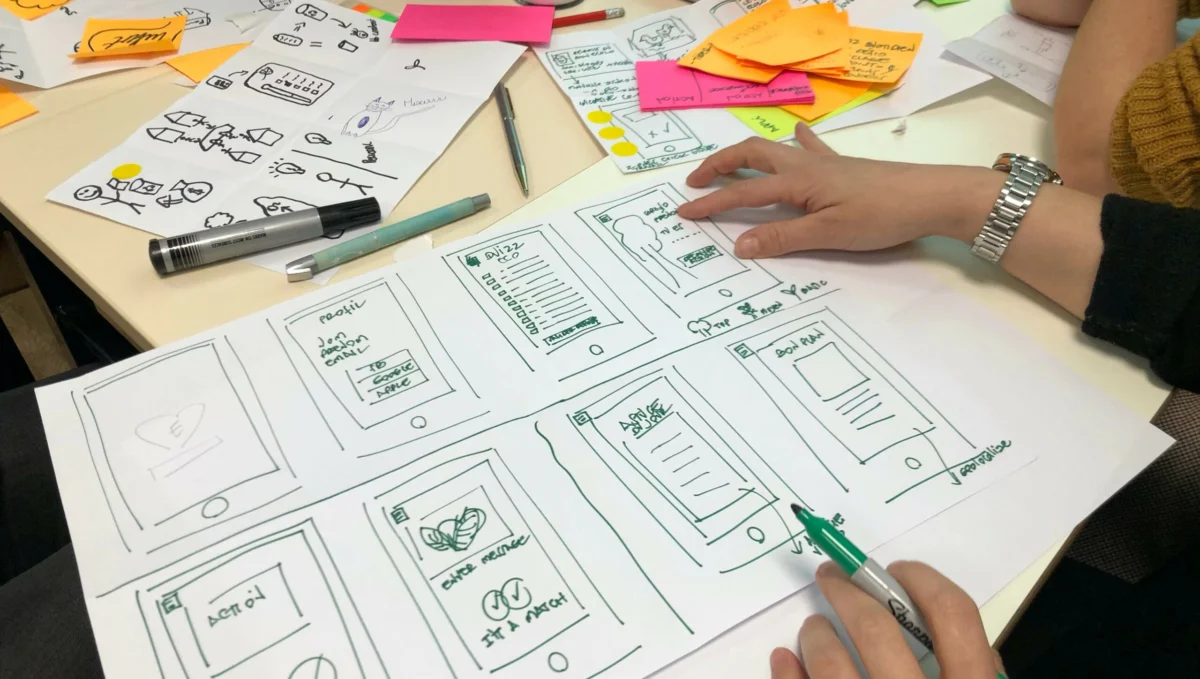
From the pool of applicants, ten volunteers were selected to become the first cohort of Community Economists. These individuals represented a broad geographic and socio-economic spectrum, ensuring that the findings would not be limited to a single regional perspective. The volunteers underwent a rigorous 12-week training program conducted through a series of workshops. This curriculum focused on three core pillars: storytelling techniques, qualitative interview methodologies, and thematic analysis.
The central inquiry guiding their research was: "What would it be like if everyone had what they needed to live a good life, and how would that be different from how things are now?" By framing the economy through the lens of a "good life" rather than Gross Domestic Product (GDP) or inflation targets, the project allowed participants to articulate economic needs in human terms. Over the course of several months, the Community Economists conducted extensive field interviews, amassing over ten hours of raw footage and hundreds of pages of testimonials.
Analyzing the Thematic Findings: Housing, Education, and Relationships
The resulting insight report highlights several recurring themes that illustrate how macroeconomic decisions permeate the private lives of citizens. The data collected by the Community Economists suggests that economic inequality is not merely a matter of income disparity but a pervasive force that influences housing security, educational attainment, and even the stability of personal relationships.
Housing and Stability
A primary theme identified in the reports was the precarious nature of housing. Interviewees across different regions described how the commodification of the housing market has transformed a basic necessity into a source of constant anxiety. The Community Economists found that for many, the "economy" is most visible through rising rents and the inability to secure long-term residency. This instability was shown to have a "domino effect," impacting mental health and the ability of families to integrate into their local communities.
Education and Aspiration
The research also delved into the relationship between economic status and educational aspirations. Testimonials gathered from Scotland and Northern England revealed a growing concern that the current economic model creates barriers to social mobility that are increasingly difficult to overcome. The report suggests that when the economy fails to provide a baseline of security, the ability of young people to envision and pursue diverse career paths is significantly curtailed.
The Social Fabric and Relationships
Perhaps the most nuanced finding of the project was the impact of economic pressure on human relationships. The "unfiltered experiences" collected by the volunteers showed that financial strain often leads to social isolation. When individuals are forced to work multiple jobs or face long commutes due to high urban living costs, the time and energy required to maintain community ties and family bonds are depleted. This suggests that the current economic structure may be inadvertently eroding the very social capital necessary for a healthy society.
Supporting Data: The Broader Economic Context in the United Kingdom
The findings of the Community Economist project are supported by broader statistical trends regarding wealth distribution in the UK. According to data from the Office for National Statistics (ONS) and independent think tanks, the gap between the wealthiest households and the rest of the population has remained persistently wide over the last decade. In 2024 and 2025, the UK saw a continued trend where the top 10% of households held a disproportionate share of the nation’s total wealth, while the bottom 50% accounted for less than 10%.
Furthermore, the "Cost of Living Crisis" that dominated the early 2020s has left a lasting imprint on the national psyche. While headline inflation figures may fluctuate, the real-world cost of essential goods—such as food, energy, and transport—has remained high relative to wage growth for many sectors. The Community Economist project serves as a qualitative counterpart to these quantitative figures, providing the "human data" that explains how these statistics translate into lived hardship.
Institutional and Academic Responses
The launch of the report has drawn attention from social scientists and policy advocates. Dr. Helena Morley, a researcher in socio-economics, noted that "The Equality Trust’s approach validates the importance of qualitative data in economic planning. For too long, policy has been driven by metrics that ignore the emotional and social costs of inequality. By training citizens to act as reporters, we are seeing a more democratic form of knowledge production."
While some traditional economists argue that complex fiscal policy cannot be dictated by anecdotal evidence, the Equality Trust maintains that the project is not intended to replace technical expertise but to complement it. The organization asserts that economic policy created in a vacuum—without the input of those it affects most—is inherently flawed and likely to face public resistance.
Future Phases: From Insight to Social Action
The release of the Phase 1 report is only the beginning of a three-stage strategy. The Equality Trust has outlined a clear roadmap for the remainder of 2026 and 2027 to ensure that the gathered insights lead to tangible policy shifts.
Phase 2: Advocacy and Coalition Building
In the coming months, the project will move into its second phase, which focuses on focused workshops and message testing. The goal is to take the narratives collected by the Community Economists and refine them into powerful advocacy tools. This phase will involve "coalition building," where the Equality Trust will partner with labor unions, housing associations, and other NGOs to create a unified front for economic reform. By testing different ways of communicating economic concepts, the project aims to find the most effective language to mobilize the public and influence lawmakers.
Phase 3: Social Action and Systemic Change
The final phase of the project is centered on social action. Using the evidence and the "community power" generated in the previous stages, the Equality Trust plans to launch a series of campaigns designed to turn "private worries into shared action." While the specific nature of these actions will be determined by the volunteers and the communities involved, the organization has hinted at initiatives ranging from local wealth-building projects to national-level lobbying for progressive taxation and enhanced social safety nets.
Broader Impact and Implications for Democratic Participation
The Community Economist project represents a significant shift in the landscape of UK social activism. By treating ordinary citizens as "economists," the Equality Trust is challenging the gatekeeping of financial knowledge. This democratization of information is a critical component of building a more inclusive justice system.
The project’s claim that "people make economies" carries profound implications. If the economy is a human construct, it follows that it can be reconstructed to better serve human needs. This philosophy encourages a move away from passive acceptance of economic hardship toward an active, participatory role in economic governance.
As the UK continues to navigate the complexities of the mid-2020s, the insights provided by the ten Community Economists offer a blueprint for a different kind of recovery—one that prioritizes resilience, dignity, and equity over mere statistical growth. The Equality Trust’s report serves as a reminder that behind every percentage point and fiscal forecast are real people whose lives are shaped by the decisions made in the halls of power. The imperative now, according to the project’s organizers, is to ensure that those people have a seat at the table when the next set of decisions is made.