As September 13, 2026, marks the 19th anniversary of the adoption of the United Nations Declaration on the Rights of Indigenous Peoples (UNDRIP), global human rights organizations, legal scholars, and Indigenous leaders are reflecting on a nearly two-decade journey from international dispute to widespread, yet uneven, formal endorsement. Adopted by the UN General Assembly in 2007, the landmark text represents the culmination of a quarter-century of rigorous international negotiations. It outlines the foundational standards necessary to protect the collective and individual rights of Indigenous populations worldwide, touching upon crucial aspects of life including self-government, land management, education, health, and employment.
Yet, as the international community looks back on the milestones achieved since 2007, a persistent challenge remains: bridging the gap between high-level diplomatic endorsement and domestic legal reality. While the declaration serves as an international benchmark for justice, Indigenous advocates emphasize that governments must transition from mere recognition to active legislative implementation.

The Historical Context and Evolution of UNDRIP
The path to the adoption of UNDRIP was neither swift nor straightforward. Spanning 25 years of arduous diplomatic drafting, the negotiation process required Indigenous representatives, legal experts, and state delegates to forge consensus on issues of self-determination, sovereignty, and human rights. For centuries, Indigenous populations across the globe faced systematic marginalization, forced assimilation, loss of ancestral territories, and the erosion of cultural practices under colonial legal frameworks.
On September 13, 2007, the UN General Assembly voted overwhelmingly to adopt the Declaration, with 144 nations voting in favor, 11 abstaining, and four notable Western nations—Australia, Canada, New Zealand, and the United States—voting against it. These four states initially raised concerns regarding constitutional compatibility, issues of state sovereignty, and the practical implications of granting Indigenous groups broad rights over land and resources.

However, intense advocacy by Indigenous coalitions, shifting domestic political landscapes, and mounting international pressure eventually forced a dramatic policy reversal. Over the subsequent decade, all four nations officially changed their positions, moving from opposition to endorsement. This historic shift signaled a growing global consensus that the fundamental human rights of Indigenous peoples are inseparable from broader principles of democracy, reconciliation, and international law.
Core Principles and Legal Framework
At its core, UNDRIP establishes the minimum benchmarks required for the survival, dignity, and well-being of the world’s estimated 370 million to 500 million Indigenous individuals. Comprising 46 distinct articles, the document protects both collective and individual rights, ensuring that traditional lifestyles, spiritual practices, languages, and institutional systems are respected and preserved.
One of the most vital principles embedded within the Declaration is the right to self-determination. Former UN Special Rapporteur on the Rights of Indigenous Peoples, James Anaya (Apache and Purépecha), described this right not merely as symbolic autonomy, but as the capacity for Indigenous peoples to be full and equal participants in the creation of the governmental institutions under which they live. Furthermore, it guarantees their right to maintain a governing order wherein they retain perpetual control over their own destinies and futures.
Crucially, the Declaration establishes the principle of free, prior, and informed consent (FPIC). This standard requires national governments to consult transparently and in good faith with Indigenous communities before enacting legislation, launching industrial projects, or engaging in resource extraction that could impact their ancestral lands, waters, and livelihoods. By centering FPIC, UNDRIP attempts to rebalance power dynamics between nation-states and Indigenous nations, transforming resource governance from top-down extraction to collaborative stewardship.
The Implementation Gap: Challenges in Domestic Policy

Despite near-universal international endorsement, a stark discrepancy persists between the rights articulated in UNDRIP and the daily realities faced by Indigenous communities on the ground. This phenomenon, widely referred to by human rights advocates as the "implementation gap," highlights the reluctance of many national governments to harmonize their domestic laws, penal codes, and administrative policies with international human rights standards.
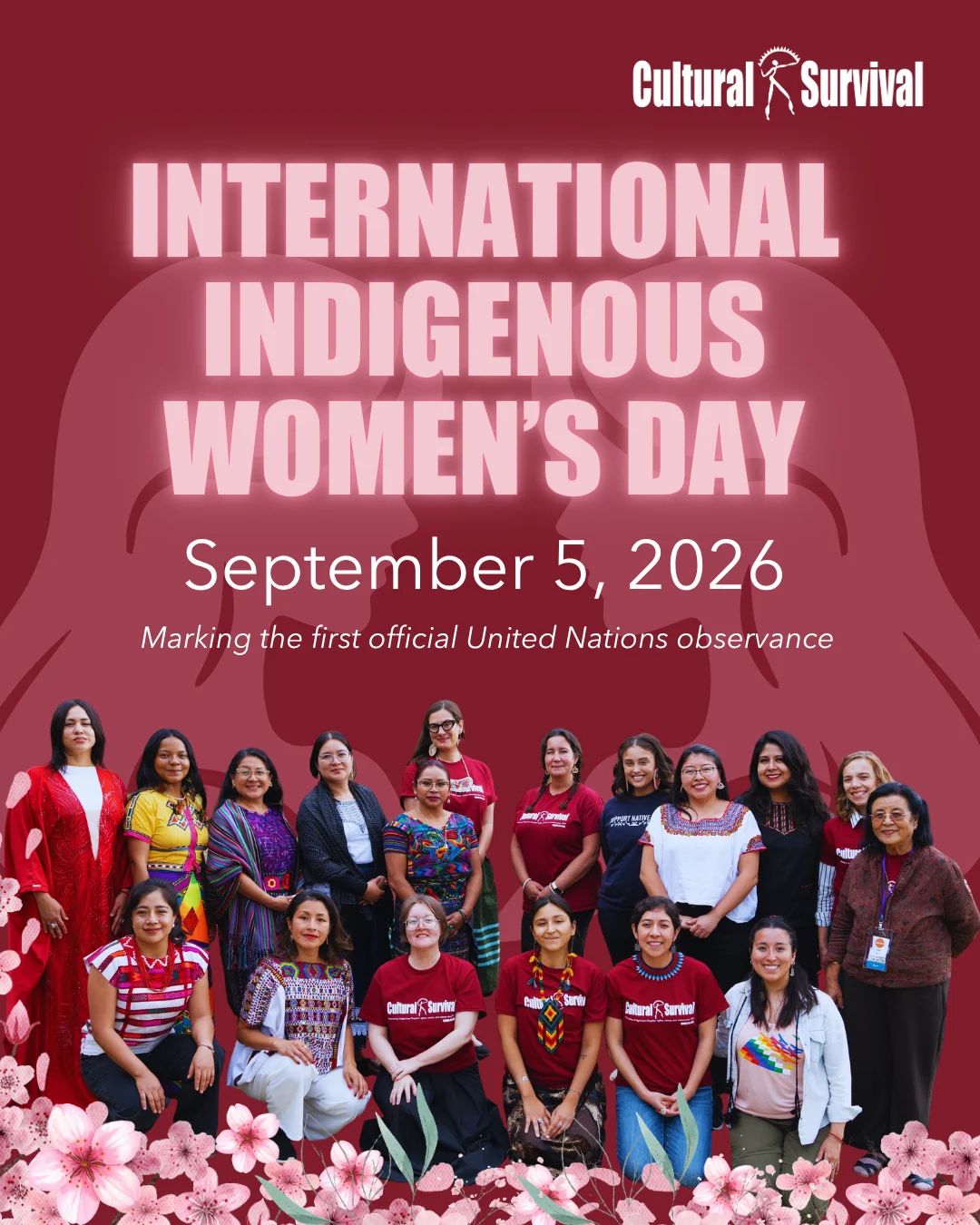
Aimee Roberson (Choctaw and Chickasaw), Executive Director of the advocacy organization Cultural Survival, emphasizes the urgency of this transition. "Governments around the world must honor their responsibilities to move from Declaration endorsement to adoption and align their domestic laws and policies with the rights, self-governance, and self-determination of Indigenous Peoples," Roberson states.
In many jurisdictions, domestic legal systems continue to prioritize corporate resource extraction, eminent domain, and state-sanctioned infrastructure projects over Indigenous land rights. Environmental degradation, displacement, linguistic erosion, and systemic inequities in health and education persist globally. Legal scholars note that while some nations have introduced legislative frameworks to operationalize UNDRIP, enforcement mechanisms remain weak, leaving Indigenous communities vulnerable to bureaucratic delays, political indifference, and legal battles over land title.

Cultural Continuity and Grassroots Advocacy
Beyond political lobbying and courtroom litigation, the movement to realize UNDRIP has deeply spiritual and cultural dimensions. Grassroots movements have consistently challenged colonial norms and disrupted the global status quo by revitalizing ancient traditions and legal frameworks.
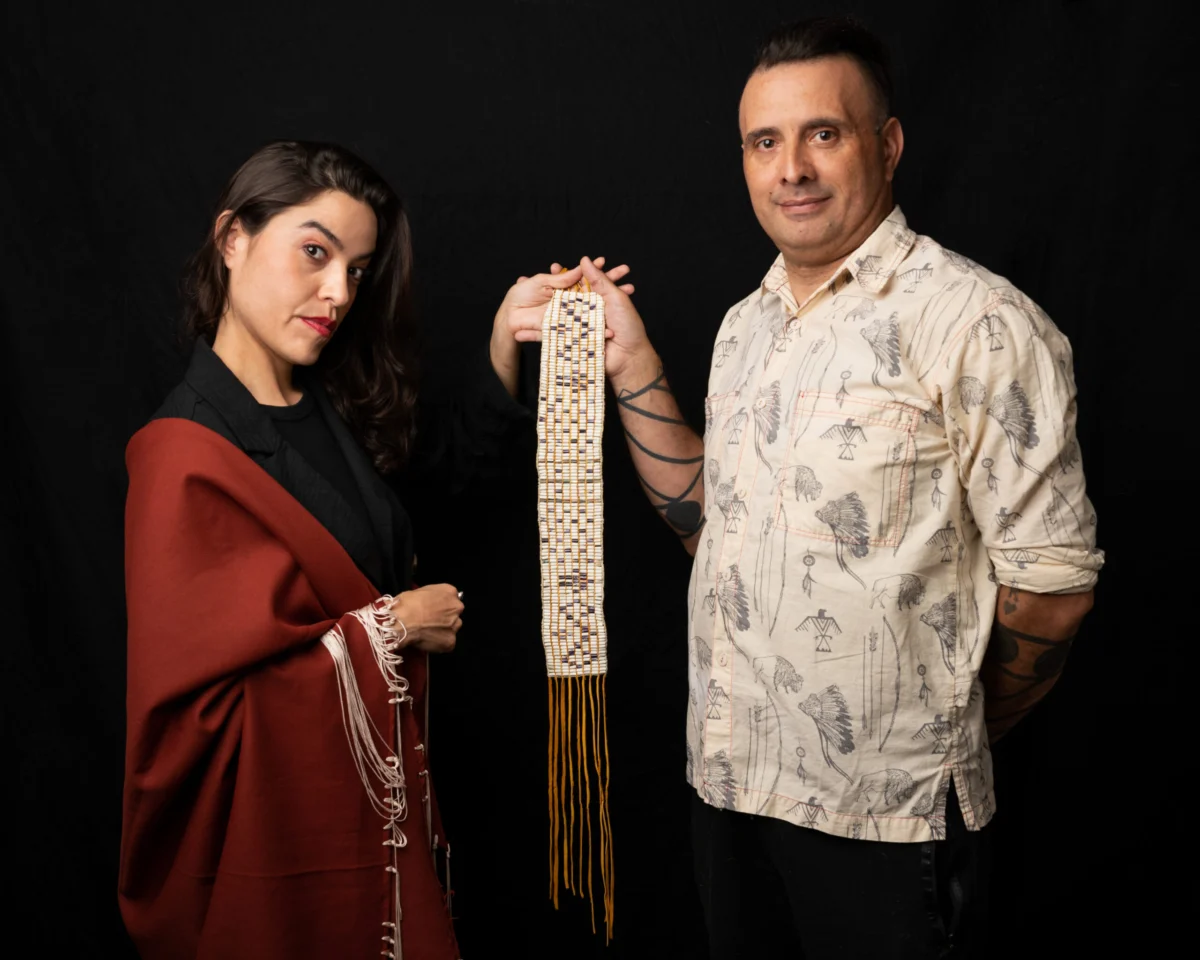
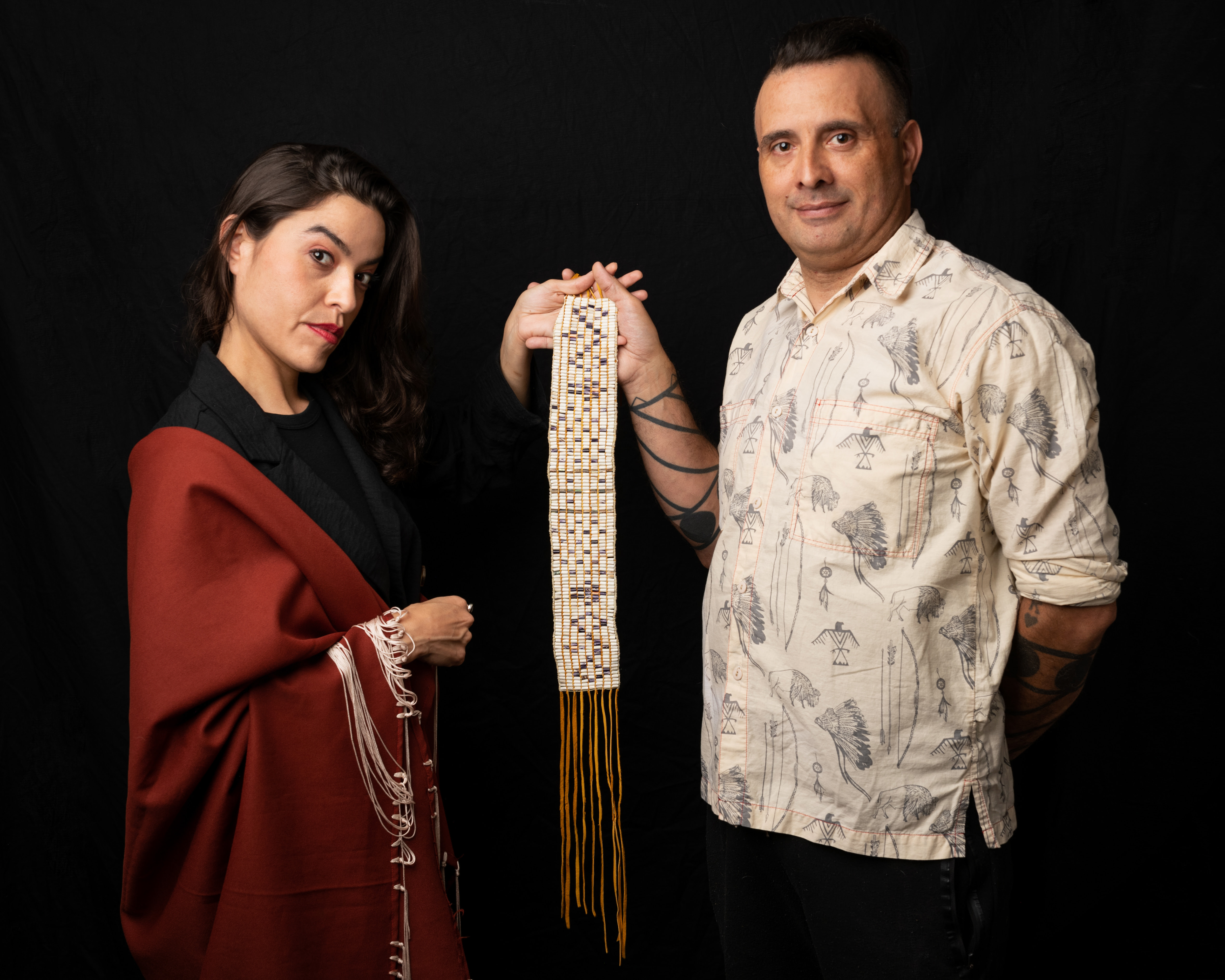
A prominent example of this synthesis between ancient practice and modern human rights advocacy is the creation of the UNDRIP wampum belt. Developed by Indigenous artist and activist Hartman Deetz (Mashpee Wampanoag) alongside human rights lawyer Michelle Cook (Diné), founder of Divest Invest Protect, the wampum belt serves as a physical and legal artifact of accountability. Utilizing wampum—an ancient Indigenous medium of art, law, ritual, and diplomacy—the project bridges ancestral pedagogical practices with contemporary international law, framing human rights through the lens of Indigenous technology and storytelling.

Simultaneously, educational initiatives have sought to make the text of the Declaration accessible to grassroots communities worldwide. Organizations like Cultural Survival have spearheaded extensive media and radio campaigns, translating the 46 articles of UNDRIP into numerous Indigenous languages—including Aymara, Guarani, Māori, Mapudungun, Miskito, Mohawk, Northern Sámi, and Kakchikel. By broadcasting explanations of these rights over Indigenous Radio networks in multiple languages, communities are empowered with the linguistic and legal tools necessary to advocate for their own protection.
Broader Implications and Future Outlook
As UNDRIP approaches its second decade of existence, its broader implications for international law, environmental conservation, and human rights continue to expand. Increasingly, scientific and economic studies demonstrate that Indigenous-managed lands boast higher levels of biodiversity and ecological preservation than state-managed or privately owned properties. Consequently, the full implementation of UNDRIP is no longer viewed solely as a matter of cultural justice, but as an indispensable strategy for combating climate change, preserving global ecosystems, and achieving sustainable development.

Moving forward, the primary objective for international human rights bodies, Indigenous networks, and progressive lawmakers is to establish binding domestic frameworks that mandate compliance with UNDRIP. This requires systemic overhauls of constitutional law, the institutionalization of free, prior, and informed consent, and the allocation of resources to support Indigenous self-governance.
As communities around the world mark 19 years since the adoption of the Declaration, the consensus remains clear: while the text established a visionary roadmap for global justice in 2007, the true measure of its success will ultimately depend on the political will of governments to turn its promises into binding, enforceable reality.