Over the past eighteen months, the U.S. executive branch has fundamentally dismantled the traditional architecture of American immigration and refugee protection, replacing established humanitarian norms with a policy framework increasingly defined by the term "remigration." This pivot represents a profound departure from the post-World War II consensus that viewed the U.S. as a nation of refuge. By systematically shuttering pathways to legal entry, expanding mass detention, and creating new institutional structures like the State Department’s Office of Remigration, the current administration has signaled that its primary immigration goal is no longer just regulation, but the active reduction and reversal of the foreign-born population.
This policy shift, which reached a critical inflection point in mid-2026, moves beyond standard enforcement measures. It adopts a vocabulary and an underlying ethnonationalist philosophy that, until recently, remained largely on the fringes of political discourse. As the administration continues to integrate these concepts into official government communications and agency mandates, the implications for human rights, national identity, and international law are becoming a subject of intense debate among policymakers, legal experts, and advocacy organizations.
The Chronology of a Policy Shift
The transformation began in early 2025, immediately following the inauguration of the new administration. The first phase focused on the administrative "pause" of the U.S. Refugee Admissions Program (USRAP). By late spring 2025, travel bans were reinstated and broadened, targeting a wider array of nations than previous iterations.
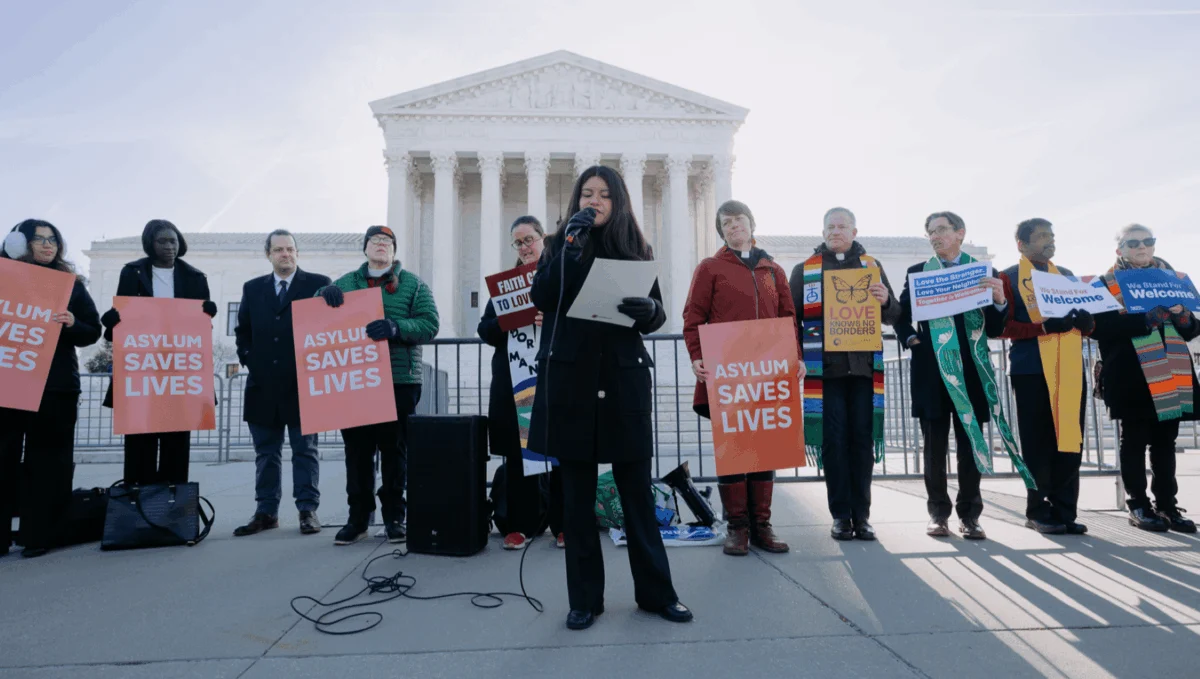
By the autumn of 2025, the focus shifted from external border control to internal enforcement. In September, during the 111th World Day of Migrants and Refugees, protests erupted in Washington, D.C., as the administration intensified its rhetoric regarding "civilizational decline." By January 2026, the term "remigration"—a concept borrowed from the European Identitarian movement—began appearing in official government briefings and social media channels, most notably in a January post from the Department of Homeland Security’s official X account.
The final institutionalization of this approach occurred in May 2026, with the Department of State announcing a restructuring within the Bureau of Population, Refugees, and Migration (PRM). The creation of the Office of Remigration effectively signaled that a division historically tasked with the protection and resettlement of displaced persons would now be reoriented to facilitate the return and removal of individuals, marking a historic reversal of its original mandate.
The Origins and Ideological Roots of Remigration
To understand the current policy trajectory, one must examine the origins of the term "remigration." While the word implies a simple movement back to a place of origin, its contemporary usage is deeply rooted in European ethnonationalist circles. The Identitarian movement, which gained prominence in Europe during the 2010s, popularized the term to describe the forced or incentivized departure of non-white populations to "preserve" the cultural homogeneity of Western nations.
This ideology is intrinsically linked to the "Great Replacement Theory," an antisemitic and white nationalist conspiracy narrative that posits that demographic changes in the West are the result of a calculated effort by elites to displace white populations with immigrants. By adopting this rhetoric, the U.S. administration has bridged the gap between extremist ideology and state policy. Analysts note that when government officials utilize these terms, it legitimizes views that historically served as catalysts for xenophobic violence, creating a climate where immigrants—regardless of legal status—are framed as existential threats to the nation-state.
Data and Enforcement Metrics
The statistical reality of these policy changes is stark. Since early 2025, the U.S. government has seen a precipitous decline in humanitarian admissions. Refugee arrivals, which had reached significant levels in previous years, have been reduced to near-zero as part of the indefinite pause on resettlement.
Simultaneously, immigration enforcement statistics indicate a dramatic surge in removal operations. ICE (Immigration and Customs Enforcement) activity has transitioned from a focus on individuals with criminal records to a broader, interior-focused enforcement model. Reports from legal aid organizations suggest that the number of individuals removed to "third countries"—nations where they lack any familial or social ties—has increased by approximately 40% compared to the 2024 fiscal year. These operations are often characterized by heightened use of expedited removal protocols, which minimize the opportunity for individuals to seek legal counsel or demonstrate legitimate claims for asylum.

Official Responses and Institutional Friction
The implementation of these policies has not gone unchallenged. Within the bureaucracy of the State Department and the Department of Homeland Security, there have been reports of quiet, internal dissent among career staff who view the new mandates as a violation of the professional standards that have governed U.S. humanitarian policy for decades.
Conversely, supporters of the administration’s approach argue that these measures are necessary to restore national sovereignty and prioritize the needs of native-born citizens. Administration officials, including the Vice President, have frequently framed these actions as a "necessary corrective" to years of perceived lax border security. In various public statements, officials have claimed that current immigration patterns have placed an unsustainable burden on social infrastructure, insisting that the government has a duty to prioritize the "traditional composition" of the population.
Human rights organizations and international bodies, however, have warned of the potential for long-term damage to the U.S. standing in the international community. The United Nations High Commissioner for Refugees (UNHCR) has expressed concerns that the U.S. is failing to meet its obligations under the 1951 Refugee Convention, particularly regarding the principle of non-refoulement, which prohibits the return of individuals to countries where they face a credible threat to their lives or freedom.
Broader Societal and Legal Implications
The shift toward remigration as a state policy raises fundamental questions about the nature of American belonging. For over a century, the U.S. immigration system was built on the premise that the nation is strengthened by the integration of newcomers. The move toward an exclusionary framework based on identity challenges the democratic pluralism that has defined American history.
Legal experts warn that the administration’s reliance on executive orders to enact these changes has effectively bypassed the legislative process, creating a volatile legal environment. Numerous lawsuits are currently working their way through the federal court system, challenging the constitutionality of the new travel bans and the authority of the newly created Office of Remigration.
Furthermore, the social impact is being felt in communities across the country. The normalization of language that characterizes immigrants as "threats" has coincided with an uptick in reports of bias-motivated incidents. For minority communities, the rhetoric surrounding "remigration" is particularly alarming, as it mirrors the language used in historical periods of exclusion and persecution.
The Path Forward: Inclusion vs. Exclusion
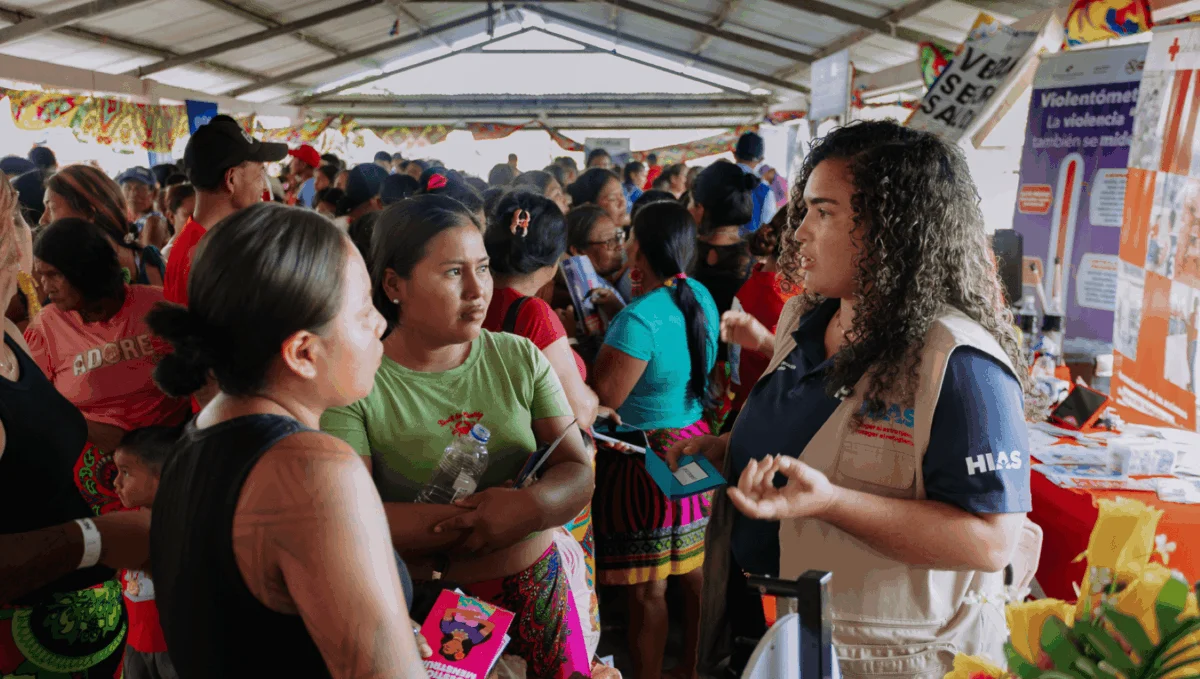
The rise of remigration policy is more than a change in immigration enforcement; it is a fundamental debate about the kind of country the United States intends to be. The administration’s policies favor a restrictive, identity-based definition of citizenship that prioritizes homogeneity over diversity. Opponents, including non-profit organizations like HIAS and a coalition of civil rights groups, argue that this approach ignores the economic and cultural contributions of immigrants and violates the fundamental human rights of the vulnerable.
As the 2026 calendar progresses, the focus remains on whether these policies will be sustained by the courts or whether the political landscape will shift to accommodate a return to more traditional, protection-oriented policies. Regardless of the outcome, the impact of the last eighteen months will remain a significant chapter in American history, marking a decisive moment where the nation moved away from its legacy as a sanctuary for those fleeing persecution and toward a more insular and contentious model of governance.
For those working on the front lines of migration, the work remains consistent with a 140-year tradition of advocacy. Despite the legislative and administrative hurdles, these groups continue to press for the rights of refugees, emphasizing that the value of a nation is measured not by its ability to exclude, but by its capacity to uphold the dignity of every person seeking safety.