The global labor landscape has undergone a seismic shift over the past two years, moving from a period of immediate crisis management to a complex, long-term restructuring of the relationship between employees and their organizations. As the world reemerges from the acute phases of the COVID-19 pandemic, a profound sense of instability persists, manifesting in heightened societal division and a fundamental reevaluation of workplace culture. Data suggests that the pandemic acted as a catalyst, accelerating trends in Diversity, Equity, and Inclusion (DEI) and forcing leadership to confront a new reality where silence on social issues is no longer a viable corporate strategy.
The Rise of Societal Polarization
The societal fabric has been significantly strained by the collective trauma of the pandemic. According to extensive research from the Pew Research Center, individuals across 17 advanced economies report a marked increase in social division compared to the pre-pandemic period. By mid-2021, approximately 60% of respondents identified their societies as more divided than they were prior to 2020—a 30% increase in perceived polarization.
This fragmentation has bled directly into the professional sphere. Policies regarding mandatory vaccinations—colloquially termed "no jab, no job" mandates—became a flashpoint for conflict. While many organizations framed these requirements as essential public health measures, a significant portion of the workforce perceived them as an intrusive overreach of corporate authority. This tension contributed to a global climate of unrest, with over 50,000 recorded protests related to pandemic-era policies. Furthermore, the service and hospitality sectors bore the brunt of this societal "COVID rage," with reports indicating that up to 80% of workers in these industries witnessed or experienced abuse from customers during this volatile period.
Chronology of Shifting Workplace Expectations
The trajectory of this transformation can be traced through several critical milestones:
- May 2020: The murder of George Floyd served as a global tipping point, catalyzing anti-racism activism and Black Lives Matter protests in over 60 countries. This event forced a permanent shift in how corporations approach internal DEI initiatives.
- Late 2020 – Early 2021: As remote work became normalized, the distinction between personal values and professional output began to blur. Employees increasingly scrutinized the gap between corporate mission statements and actual organizational conduct.
- August 2021: Global studies highlighted a profound generational shift. Millennials and Generation Z displayed a significant erosion of trust in traditional civic institutions, with many expressing a preference for AI-driven governance over human leadership, citing concerns regarding institutional corruption and physical safety.
- October 2021: A surge in labor activism occurred in the United States, with over 25,000 workers participating in strikes—a dramatic increase compared to the quarterly average of 10,000—as employees sought to influence workplace culture and human rights standards.
Data-Driven Insights on the Belief-Driven Employee
The modern employee is increasingly "belief-driven," meaning their commitment to an employer is contingent upon the organization’s stance on external social and political issues. Edelman’s 2021 Trust Barometer Special Report provided a quantitative look at this phenomenon, revealing that 76% of employees now expect their leaders to take a public stand on societal issues.
The data suggests that the cost of failing to meet these expectations is high. When organizations remain silent on issues deemed essential by their workforce, the consequences include reduced engagement and increased attrition. Notably, 33% of employees surveyed in the Edelman report indicated they had resigned from a position because their employer failed to speak out on a societal or political issue they believed the organization had an obligation to address. Furthermore, 60% of employees now feel empowered to act as change-makers within their own organizations, with 40% indicating a willingness to engage in whistleblowing or social media advocacy to push for institutional reform.
The Crisis of Credibility
A critical disconnect remains between the rhetoric of leadership and the perceived reality of the workforce. While the demand for active, socially responsible leadership has skyrocketed, only 48% of employees in global surveys believe their employers are truly acting in accordance with their stated values. This credibility gap is a primary driver of the phenomenon known as the "Great Resignation," as workers seek organizations that align with their personal ethical frameworks.
The era of the "silent executive" has effectively ended. The current market standard requires leadership to move beyond performative public statements. There is an increasing emphasis on being an "ally by action," where the focus is placed on tangible policy changes, inclusive hiring, and structural adjustments rather than social media optics.
Implications for Future Organizational Structure
The convergence of these trends—heightened political polarization, a decline in institutional trust, and the rise of the activist employee—necessitates a comprehensive rethink of the DEI framework. Organizations that fail to acknowledge the changing landscape risk not only a loss of talent but also a failure to innovate in an increasingly diverse and vocal marketplace.
The shift toward employee-led advocacy suggests that hierarchical, top-down models of management are becoming less effective. Modern leadership must instead foster environments where dialogue is encouraged and where the organizational mission is treated as a living, breathing entity that adapts to the social context.
Strategic Considerations for DEI Practitioners
For those tasked with steering organizational culture, the following areas represent key points of reflection:
- Measuring the Gap: How effectively is the organization closing the distance between public values and internal operations? Data-driven transparency is the most effective tool for rebuilding trust.
- Addressing Polarization: How can the workplace become a space where diverse viewpoints coexist without descending into toxicity? This requires robust conflict resolution protocols and an emphasis on shared institutional goals.
- Empowering Advocacy: Rather than fearing employee activism, forward-thinking leaders should view it as a diagnostic tool for identifying systemic issues that might otherwise remain hidden.
- Beyond Performative Action: The efficacy of DEI initiatives is now measured by their impact on the lived experience of the most marginalized employees. Strategies that rely on optics rather than systemic change are increasingly transparent to a savvy workforce.
Conclusion: The New Standard for Leadership
The pandemic was a catalyst for a global reevaluation of the role of work in the human experience. As organizations navigate the fallout, the path forward is clear: the integration of DEI into the core of the business strategy is no longer optional. It is a fundamental requirement for operational continuity and long-term success.
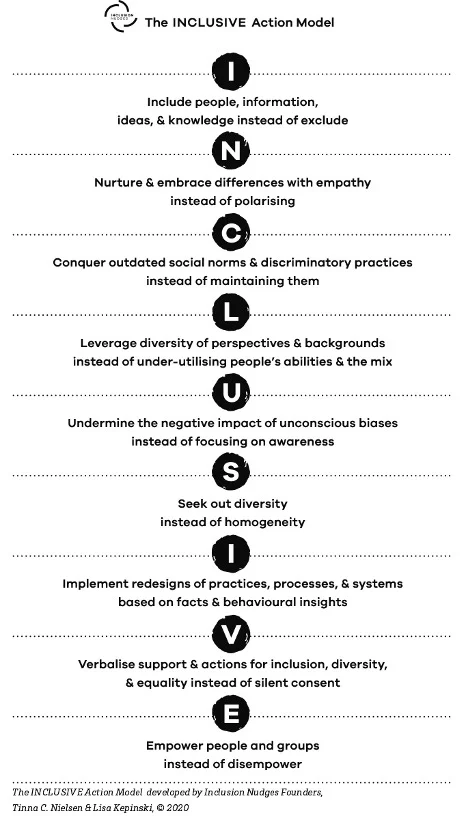
The shift from passive to active allyship represents the new benchmark for leadership. As the workforce continues to demand accountability, organizations must move with intention. This involves moving past the "nice-sounding" statements of the past and embracing a model of continuous, action-oriented development. By fostering an environment of psychological safety and genuine inclusion, leaders can transform the current era of volatility into an opportunity for creating more resilient, equitable, and effective institutions. The future of work will not be defined by those who remain silent, but by those who demonstrate their values through consistent, measurable, and inclusive action.