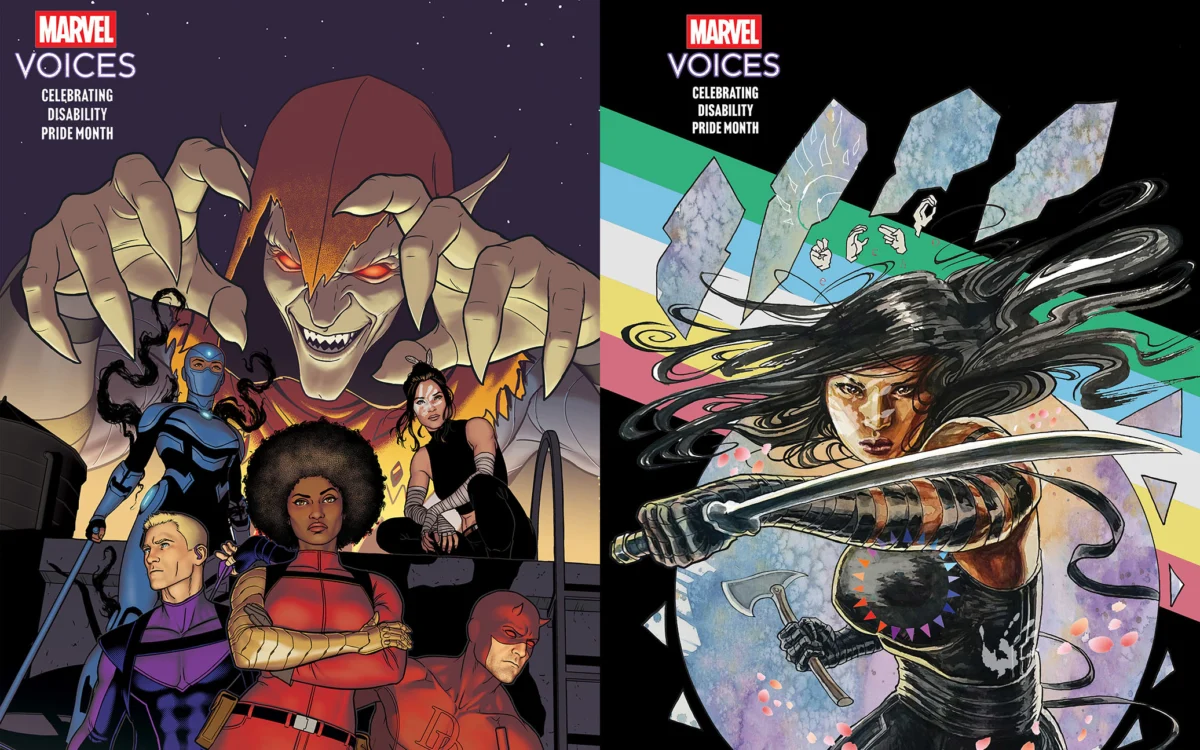
In a significant move to amplify representation and celebrate the contributions of individuals with disabilities, Marvel Comics is set to release a series of special comic issues throughout July, coinciding with Disability Pride Month. This initiative will spotlight six iconic Marvel heroes who navigate the world with various disabilities, offering readers a chance to connect with characters on a deeper, more inclusive level. The special issues will feature backup stories in four highly anticipated comic titles: "Amazing Spider-Man #32," "Uncanny X-Men #31," "Fantastic Four #14," and "Wolverine #24."
This deliberate focus on disability within the Marvel Universe represents a notable step in the ongoing evolution of mainstream media’s portrayal of disability. Historically, characters with disabilities have sometimes been relegated to secondary roles or their conditions have been used as plot devices for tragedy or weakness. Marvel’s current approach, however, shifts this narrative by centering these heroes and their unique strengths, emphasizing resilience, community, and the inherent power that comes from diverse experiences. The decision to release these stories during Disability Pride Month underscores a commitment to honoring and recognizing the disability community.
A Lineup of Iconic Heroes and Their Journeys
The selected heroes for these special July issues include a formidable roster, each bringing a distinct perspective and set of abilities to the forefront:
- Daredevil: The "Man Without Fear," a practicing Catholic and defense attorney, navigates the bustling streets of Hell’s Kitchen with his heightened senses, compensating for his blindness. His character has long been a touchstone for discussions around disability and heroism, demonstrating that a lack of sight does not equate to a lack of vision or capability.
- Misty Knight: A formidable detective and leader, Misty Knight is an amputee, having lost her right arm in a bombing. She has since been fitted with a powerful prosthetic, which she uses to her advantage in combat and investigations. Her character embodies adaptability and technological integration with personal strength.
- Echo (Maya Lopez): A deaf superhero and skilled martial artist, Echo’s journey has been one of overcoming communication barriers and asserting her presence in a world that often overlooks her. Her exceptional mimetic abilities and combat prowess make her a formidable ally and a powerful symbol of deaf representation.
- Hawkeye (Clint Barton): While not always explicitly depicted as having a disability, Clint Barton has experienced significant hearing loss throughout his career as a master archer. This aspect of his character has been explored in various storylines, highlighting the challenges and adaptations required to maintain his heroic endeavors.
- Silhouette: A vigilante with a shadowy past, Silhouette is a paraplegic who uses a wheelchair. Her ability to move through shadows and her strategic mind make her a unique and effective operative, demonstrating that mobility aids are not limitations but rather tools that can be incorporated into a powerful skillset.
- Finesse: A character who has been depicted as struggling with social situations and potentially neurodivergent traits, Finesse’s inclusion highlights the spectrum of disabilities, including those that affect social interaction and cognitive processing. Her journey often involves navigating complex social dynamics and finding her place within a team.
A Collaborative Effort for Inclusivity
These special backup stories are part of Marvel’s broader "Marvel’s Voices" initiative, a program dedicated to exploring the diverse backgrounds, journeys, and identities within the Marvel Universe. This initiative has previously showcased stories focusing on LGBTQ+ characters, Black heroes, and other underrepresented groups, demonstrating Marvel’s ongoing commitment to broadening its narrative scope.
The upcoming issues promise action-packed narratives that not only highlight the unique abilities of these heroes but also emphasize the power of community and mutual support. Marvel’s official statement elaborates, stating, "This formidable group of heroes will come together to save Colleen Wing from a deadly threat in an action-packed story highlighting the power of community and uplifting one another." This narrative framing suggests a story that celebrates collaboration and interdependence, further reinforcing the positive messaging around disability.
Adding to the significance of this release, each issue will feature a special "Disability Pride" variant cover. These covers are expected to be visually striking and serve as immediate indicators of the special content within, providing a celebratory aesthetic that aligns with the spirit of Disability Pride Month.
Voices from the Creative Team
The sentiment behind these stories is echoed by the creators involved. Andrea Di Vito, who illustrated the new stories, shared his perspective: "Superheroes are meant to inspire us to be better, but sometimes we forget that the greatest inspirations come from real life. People with disabilities prove to each and every one of us that the true measure of our worth is our spirit and our will, not the limitations of our bodies." This quote underscores a core belief driving the project: that real-life experiences and the resilience of individuals with disabilities are inherently inspiring and worthy of celebration.
The decision to integrate these characters and their experiences into mainstream Marvel titles is a significant development, reflecting a growing awareness within the entertainment industry of the importance of authentic representation. By placing these heroes in prominent storylines and celebrating their identities, Marvel is not only entertaining its audience but also contributing to a broader cultural conversation about disability inclusion.
Chronology of Releases and Potential Impact
The release schedule for these special issues is strategically timed to align with Disability Pride Month in July:
- July 1: "Amazing Spider-Man #32"
- July 8: "Uncanny X-Men #31"
- July 15: "Fantastic Four #14"
- July 22: "Wolverine #24"
The impact of these releases extends beyond the comic book community. For individuals with disabilities, seeing themselves reflected in popular culture can be profoundly affirming. It can foster a sense of belonging, challenge negative stereotypes, and inspire young readers to embrace their own identities. For the wider audience, these stories offer an opportunity to gain empathy, understanding, and a more nuanced perspective on disability.
Broader Implications and Industry Trends
Marvel’s commitment to disability representation aligns with a broader trend in the entertainment industry towards greater inclusivity. From television shows featuring characters with disabilities to films that actively cast disabled actors, there is a discernible shift towards more authentic and diverse storytelling. This move by Marvel Comics can be seen as a significant contribution to this ongoing evolution, demonstrating that mainstream franchises can effectively incorporate disability into their narratives in a way that is both compelling and meaningful.
The success of these special issues could pave the way for even more inclusive storytelling within the comic book medium. It sets a precedent for other publishers and creators to explore similar themes and to ensure that their universes reflect the richness and diversity of the real world. The inclusion of characters with varying types of disabilities also broadens the scope of what "disability representation" means, moving beyond singular narratives to encompass a more comprehensive understanding of the disability experience.
Furthermore, the focus on community and mutual uplift within the narrative suggests a narrative approach that moves away from the "supercrip" trope, which often portrays disabled individuals as superhuman solely because of their disability. Instead, it emphasizes their humanity, their teamwork, and their shared struggles and triumphs, making them more relatable and resonant characters.
In conclusion, Marvel Comics’ dedication to celebrating Disability Pride Month through these special comic issues is a commendable initiative. By featuring a diverse cast of heroes with disabilities and highlighting themes of community and resilience, the company is not only enriching its own universe but also contributing to a more inclusive and representative landscape in popular culture. These stories are poised to inspire, educate, and empower readers, reinforcing the idea that heroism knows no bounds and that every individual’s story has value.