The Serankwa community, nestled within the ecologically vital and culturally sacred Sierra Nevada de Santa Marta in Colombia, has become the epicenter of a grave humanitarian crisis. Since March 6, 2026, these Indigenous Arhuaco lands have been subjected to escalating violence as outlaw groups engage in brutal clashes for territorial control. This conflict has not only inflicted physical harm on the community members but has also severely disrupted their way of life, threatening their ancestral heritage and the delicate balance of the region, which they reverently refer to as the "Heart of the World."
Escalating Violence and Human Cost
The violence erupted with devastating intensity, leaving 13 individuals injured, two of whom sustained serious wounds requiring urgent medical attention. Beyond the direct casualties, the armed groups have engaged in a campaign of terror, directly targeting the community. Reports confirm the burning of homes, a fundamental sanctuary for families, and the destruction of livestock pens, decimating the livelihoods of many residents. The killing of animals, essential for sustenance and cultural practices, further exacerbates the hardship faced by the Serankwa people.
Crucially, the ongoing fighting has rendered access to the communities impassable. This blockade has prevented residents from receiving timely and necessary medical assistance, turning preventable injuries into potentially life-threatening situations. The isolation imposed by the conflict amplifies the vulnerability of an already embattled population.
Cultural Survival’s Stern Condemnation and Call to Action
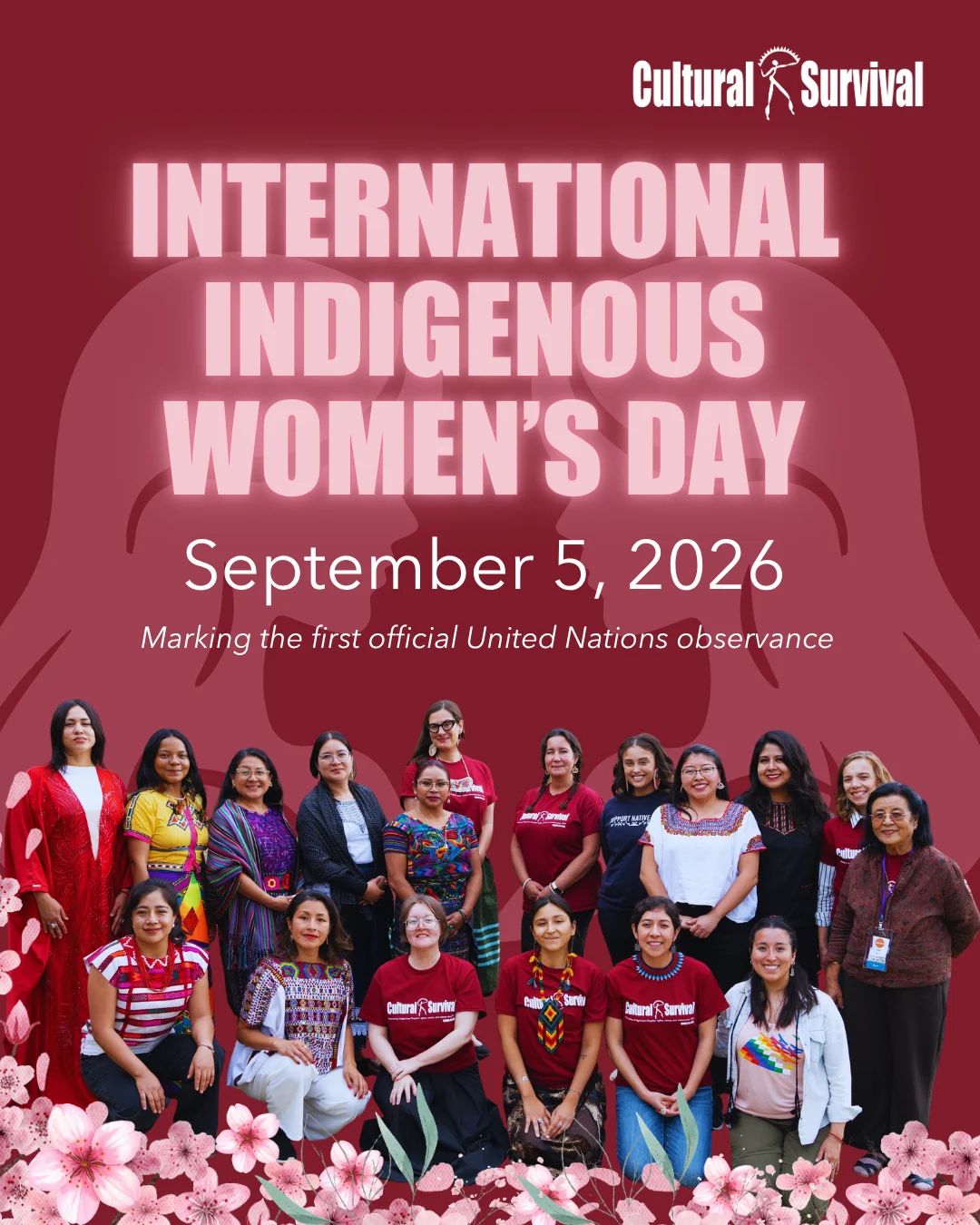
In response to this dire situation, Cultural Survival, a prominent international organization dedicated to advocating for Indigenous Peoples’ rights, has issued a strong condemnation of the violence. The organization underscores the severe risk of forced displacement that the Arhuaco communities are now facing. This threat extends beyond mere physical relocation, impacting the very essence of the Arhuaco Peoples’ spiritual and physical integrity. Furthermore, the conflict jeopardizes the territorial balance and ecological health of the Sierra Nevada de Santa Marta, a region of immense biodiversity and spiritual significance.
Cultural Survival is urgently calling upon Colombian authorities to intervene decisively. The organization emphasizes the need for immediate action in instances of clashes between criminal groups operating on ancestral Indigenous territory. The primary objective must be the protection of the inhabitants of these lands and the provision of immediate medical assistance to those injured. The State, they argue, has a moral and legal obligation to heed the communities’ demands for robust contingency plans, comprehensive humanitarian aid, and a visible and effective institutional presence to deter future acts of violence.
International Law and State Responsibility
The presence of illegal armed groups on Indigenous territory represents a flagrant violation of fundamental human rights, as enshrined in international instruments such as the United Nations Declaration on the Rights of Indigenous Peoples (UNDRIP). This declaration explicitly recognizes the rights of Indigenous Peoples to their lands, territories, and resources, and their right to live in peace and security. The current situation in Serankwa directly contravenes these principles, jeopardizing not only the physical safety of the Arhuaco but also the cultural harmony and social fabric of their territories.
The responsibility to guarantee the safety and lives of all individuals residing on ancestral Indigenous territories rests squarely with the State. This responsibility extends to respecting the right to self-determination of these communities, allowing them to govern their own affairs and protect their cultural heritage without external coercion or violence. The Colombian government’s failure to effectively protect the Arhuaco people in Serankwa signifies a broader challenge to the implementation of Indigenous rights within the nation.
Background: The Sierra Nevada de Santa Marta and Arhuaco Heritage
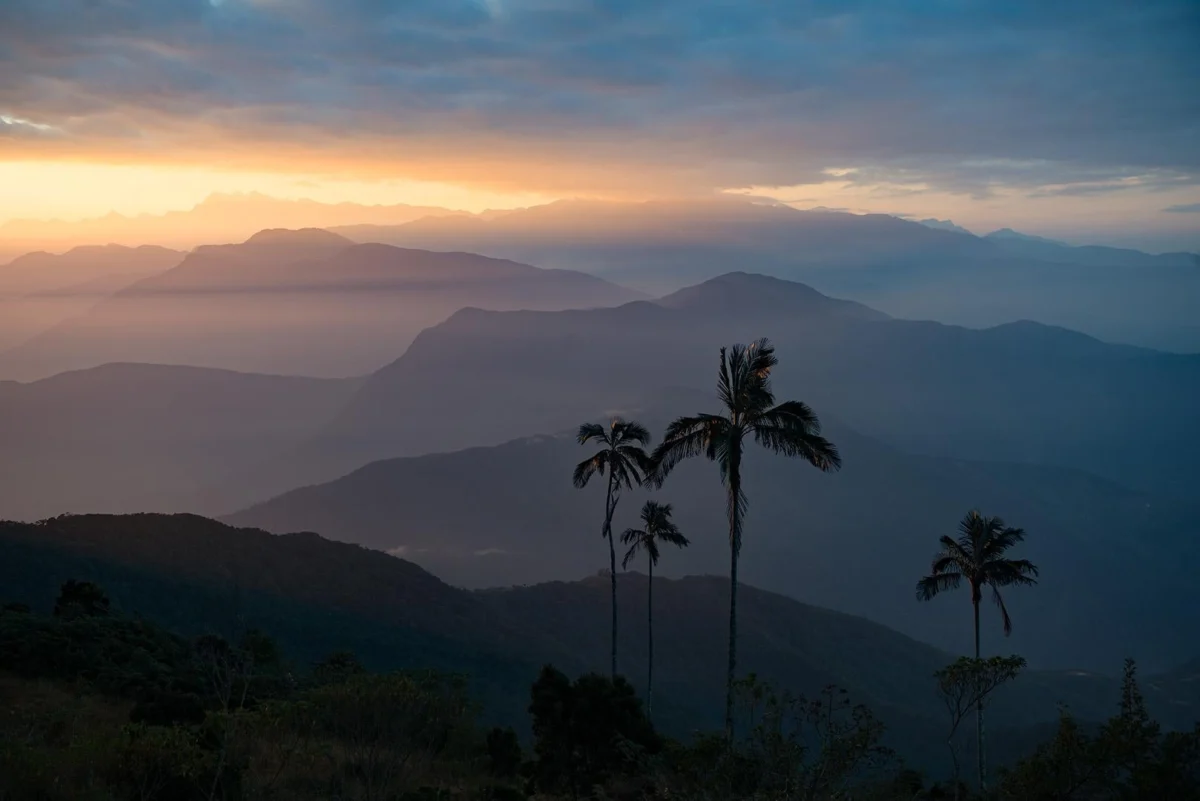
The Sierra Nevada de Santa Marta is a unique and highly significant geographical and cultural area. It is the world’s highest coastal mountain range, boasting incredible biodiversity and serving as the ancestral homeland of four Indigenous groups: the Arhuaco, Kogui, Wiwa, and Kankuamo. These communities share a deep spiritual connection to the land, viewing the mountains as a sacred space, a living entity that sustains all life. Their cosmovision emphasizes balance and harmony, and they see themselves as custodians of this vital ecosystem.
The Arhuaco people, in particular, have a long history of asserting their rights and protecting their ancestral lands from external pressures, including resource extraction, agricultural expansion, and more recently, the encroaching influence of illegal armed groups. Their traditional governance structures and deep understanding of the environment have historically allowed them to maintain a degree of autonomy and cultural resilience. However, the escalating violence in Serankwa presents an unprecedented threat to this established way of life.
Chronology of Escalation (Inferred and Based on Reports)
While a precise, day-by-day chronology of the events leading to the current crisis is not fully detailed in the initial reports, the situation can be understood as an intensification of pre-existing territorial disputes and criminal activities.
- Pre-March 2026: Ongoing presence and activity of outlaw groups in the broader region, likely engaged in various illicit economies such as drug trafficking, illegal mining, or logging. These activities often lead to competition and conflict between different criminal factions.
- March 6, 2026, onwards: Intensification of clashes between these outlaw groups specifically within or near the Serankwa community’s territory. This marks a shift from general insecurity to direct impact on the community.
- Early March 2026: Reports emerge of injuries sustained by community members (13 injured, 2 seriously). Direct attacks on homes and livestock begin, alongside the killing of animals.
- Mid-March 2026: The fighting escalates to a point where it blocks access to the community, hindering the provision of essential services, particularly medical aid.
- Post-Mid-March 2026: Cultural Survival issues a public statement and call to action, drawing international attention to the humanitarian crisis. Indigenous organizations and allies begin to amplify the Arhuaco communities’ demands for state intervention.
This timeline suggests a rapid and severe deterioration of the security situation, moving from underlying criminal presence to direct and devastating impact on the civilian population.
Supporting Data and Regional Context
The Sierra Nevada de Santa Marta region, while a UNESCO Biosphere Reserve and a World Heritage site, has long been a complex socio-political landscape. Its remote nature and rich natural resources make it attractive for illicit economies, which often operate with impunity in the absence of robust state presence.
- Illegal Economies: Colombia has historically struggled with various illegal economies, including coca cultivation for cocaine production, illegal gold mining, and illegal logging. These activities are often controlled by armed groups, including dissident FARC factions, paramilitary groups, and other criminal organizations, leading to territorial disputes and violence.
- Indigenous Territories as Battlegrounds: Indigenous territories across Colombia have frequently become battlegrounds for these armed groups, who seek to control land for extraction, cultivation, or strategic positioning. This forces Indigenous communities into the crossfire, threatening their lives and their ancestral lands.
- Historical Context of Violence: The Arhuaco and other Indigenous groups in the Sierra Nevada have experienced periods of intense violence and conflict in the past, often linked to the broader armed conflict in Colombia. However, the current situation appears to be driven by a resurgence of organized crime and territorial control by non-state armed actors.
- Vulnerability of Rural Communities: Rural and remote communities, particularly those inhabited by Indigenous Peoples, are often the most vulnerable to violence due to limited state protection and infrastructure.
The specific involvement of "outlaw groups" in Serankwa suggests a continuation or intensification of criminal group activity, possibly linked to drug trafficking routes or control over illegal resource extraction in the region. The fact that these groups are vying for "territorial control" indicates a strategic objective beyond mere fleeting criminal acts, posing a sustained threat to the community’s existence.
Official Responses and Demands
As of the reporting of this crisis, the primary formal response documented is the call to action by Cultural Survival, urging the Colombian state to act. The demands are clear and specific:
- Prompt Intervention: Authorities must immediately intervene in conflicts on Indigenous lands.
- Protection of Inhabitants: Ensuring the safety and security of those who live on these ancestral territories.
- Immediate Medical Assistance: Providing urgent medical care to the injured and ensuring ongoing healthcare access.
- Contingency Plans: Developing and implementing plans to manage humanitarian emergencies.
- Comprehensive Humanitarian Aid: Delivering food, shelter, and other essential resources to affected populations.
- Effective Institutional Presence: Establishing a sustained and visible presence of state institutions to deter further violence and provide support.
The effectiveness and timeliness of the Colombian government’s response will be crucial in determining the fate of the Serankwa community and upholding its commitment to protecting Indigenous rights. The success of these interventions will be measured by a reduction in violence, the cessation of displacement, and the restoration of security and self-determination for the Arhuaco people.
Broader Impact and Implications
The crisis in Serankwa has far-reaching implications that extend beyond the immediate suffering of the Arhuaco community.
- Threat to Biodiversity: The Sierra Nevada de Santa Marta is a globally significant biodiversity hotspot. Conflict and potential displacement can lead to environmental degradation, deforestation, and disruption of delicate ecosystems, impacting countless species and the region’s ecological health.
- Erosion of Cultural Heritage: The Arhuaco culture and spirituality are intrinsically linked to their ancestral lands. Forced displacement or the disruption of their traditional way of life poses a direct threat to the preservation of their unique cultural heritage, languages, and traditional knowledge systems.
- Undermining Peace Processes: Colombia has been engaged in a complex peace process following decades of armed conflict. The continued presence and violence of illegal armed groups in Indigenous territories highlight ongoing challenges to achieving lasting peace and security throughout the country.
- Reputational Damage: The inability of the Colombian state to protect its Indigenous populations from such egregious violence can lead to international criticism and damage its reputation on the global stage regarding human rights and environmental stewardship.
- Precedent for Other Indigenous Communities: The outcome of this situation could set a precedent for how the Colombian government responds to similar threats faced by other Indigenous communities across the nation. A strong and effective response would signal a commitment to Indigenous rights, while a weak response could embolden further violence and encroachment.
The situation in Serankwa is a stark reminder of the ongoing vulnerabilities faced by Indigenous Peoples worldwide, particularly in regions rich in natural resources and affected by ongoing criminal activity. The international community, alongside Colombian authorities, must prioritize the protection of the Arhuaco people, ensuring their right to live safely on their ancestral lands and to preserve their cultural identity and the ecological integrity of the "Heart of the World." The long-term well-being of this vital region and its Indigenous custodians hinges on decisive and principled action.