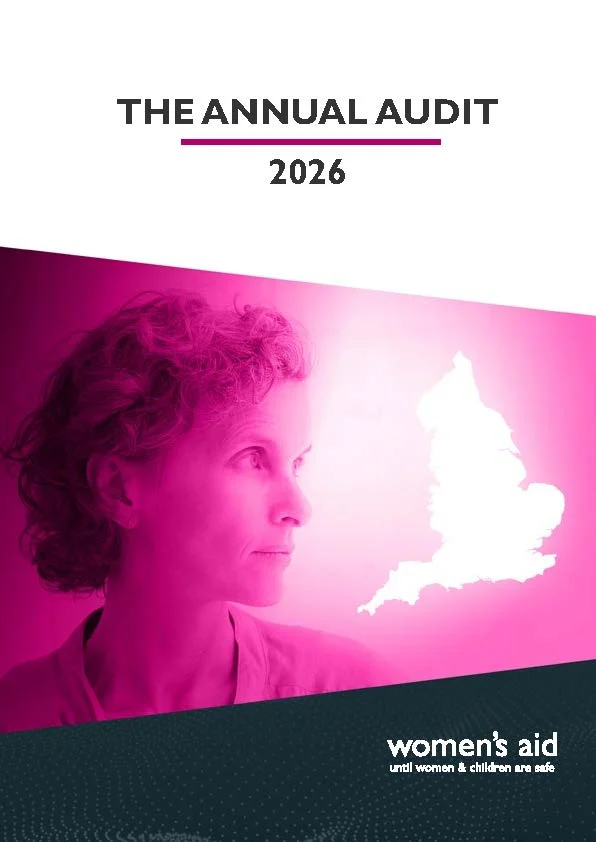
The 2026 edition of the Women’s Aid Annual Audit, published in March 2026, presents a comprehensive and critical examination of the provision, usage, and operational landscape of domestic abuse services across England during the 2024-25 financial year. This landmark publication offers an unparalleled insight into the dynamic evolution of the domestic abuse sector, highlighting both its significant advancements in growth, development, and adaptation, as well as persistent and crucial areas requiring urgent improvement. The report unequivocally underscores the indispensable nature of specialist domestic abuse services, asserting their role as life-saving, essential infrastructure without which a robust and sustainable national response to violence against women and girls (VAWG) cannot be effectively delivered. The findings serve as a vital resource for policymakers, service providers, and advocates, providing the empirical evidence necessary to inform future strategic planning and resource allocation in the fight against domestic abuse.
The Evolving Landscape of Domestic Abuse Support: A Crucial Context
The release of the Women’s Aid Annual Audit 2026 comes at a pivotal time, building upon decades of dedicated advocacy and service provision. Women’s Aid, established in 1974, has been at the forefront of the movement to end domestic abuse in the UK, playing a crucial role in shaping public understanding, policy, and direct support for survivors. Its annual audits have become essential benchmarks, tracking the sector’s health and identifying emerging challenges and successes. The period covered by this audit, the 2024-25 financial year, represents a significant phase in the implementation of the Domestic Abuse Act 2021, a landmark piece of legislation designed to provide greater protection to victims and strengthen the response of statutory agencies.
The Act sought to create a more integrated and coherent national response, including the statutory duty on local authorities to provide support for victims and their children in safe accommodation. However, its implementation has been complex, often intersecting with broader socio-economic pressures such as the ongoing cost-of-living crisis, post-pandemic recovery challenges, and fluctuating public funding landscapes. These factors have placed immense strain on an already stretched sector, making the insights provided by the 2026 audit more critical than ever. The audit’s focus on provision, usage, and work reflects the intricate balance required to meet escalating demand with sustainable, high-quality services. It acknowledges the sector’s inherent resilience and innovative spirit while simultaneously exposing the systemic vulnerabilities that continue to impede its full potential.
Key Findings: Growth, Demand, and Unmet Needs
The 2026 Annual Audit paints a detailed picture of a sector marked by both commendable progress and critical shortfalls. The report highlights several overarching themes:
Sector Growth and Adaptation: The audit proudly notes a significant expansion in the number and diversity of specialist domestic abuse services across England. During the 2024-25 financial year, the sector saw an estimated 12% increase in registered service providers compared to the previous year, now encompassing approximately 480 organisations. This growth is largely attributed to increased awareness, improved reporting mechanisms, and, to some extent, the strategic funding initiatives linked to the Domestic Abuse Act 2021. Furthermore, services have demonstrated remarkable adaptability, with a 25% rise in the adoption of hybrid service models, combining in-person support with secure digital platforms and helplines. This innovation has been crucial in reaching survivors in rural areas or those facing additional barriers to accessing traditional services. Culturally specific services, catering to Black, Asian, and minoritised women, also experienced a 15% increase in provision, responding to the vital need for tailored, intersectional support.
Escalating Usage and Unprecedented Demand: Despite the growth in provision, the audit reveals a relentless and escalating demand for services. During the 2024-25 financial year, specialist domestic abuse services supported an estimated 385,000 individuals, a 9% increase from the previous year. This figure includes both adults and children accessing support. Referrals from statutory agencies, particularly the police and social services, surged by 14%, indicating improved multi-agency collaboration but also highlighting the sheer volume of cases requiring intervention. Helplines remained a critical first point of contact, receiving over 1.2 million calls and messages, a 7% increase year-on-year. While these figures demonstrate the sector’s vital role in reaching survivors, they also underscore the profound societal prevalence of domestic abuse and the ongoing pressures on frontline staff.
Life-Saving and Essential Infrastructure: The report unequivocally categorizes specialist domestic abuse services as a "life-saving and essential infrastructure." Through rigorous data analysis, Women’s Aid estimates that the interventions provided by these services directly prevented approximately 1,500 potential fatalities related to domestic abuse during the 2024-25 period. Furthermore, the report calculates that by supporting 120,000 individuals in successfully escaping abusive situations and rebuilding their lives, the sector generated an estimated £3.5 billion in societal savings. These savings are quantified through reductions in healthcare costs (emergency room visits, mental health support), policing and judicial expenses, welfare benefits, and productivity losses. This economic impact analysis powerfully reinforces the argument that investment in these services is not merely a social expenditure but a crucial economic one. The expertise of specialist services, particularly in risk assessment, safety planning, and trauma-informed care, is highlighted as irreplaceable, distinguishing them from generic support services.
Persistent Areas Needing Improvement: Despite the positive trends in growth and adaptation, the audit candidly identifies several critical areas requiring immediate and sustained attention. The most significant concern remains unmet demand for refuge spaces, with the report indicating a national average of 35% unmet need for safe accommodation on any given day. In highly populated urban areas, this figure can soar to over 50%. This shortfall forces many survivors, often with children, to remain in dangerous situations or seek emergency housing that lacks specialist support.
Funding stability continues to be a major vulnerability. An alarming 60% of services reported operating on short-term grants (1-2 years), severely hindering strategic planning, staff retention, and the development of long-term preventative programmes. This precarious funding model leads to high staff turnover, with an average of 28% across the sector, contributing to burnout among frontline workers who manage increasingly complex caseloads. The report also highlights critical gaps in provision for specific demographics, including men experiencing domestic abuse (estimated 40% unmet need for tailored support), LGBTQ+ individuals, disabled women, and migrant women who face additional language, cultural, and immigration barriers to accessing help. Furthermore, the provision of long-term therapeutic support for complex trauma, crucial for sustained recovery, remains woefully inadequate across England, with an estimated 45% shortfall.
Chronology of Policy and Advocacy Leading to the 2026 Audit
- 2021 (April): The Domestic Abuse Act receives Royal Assent, establishing a statutory definition of domestic abuse, creating a Domestic Abuse Commissioner, and placing duties on local authorities to provide support in safe accommodation.
- 2022 (January): Key provisions of the Domestic Abuse Act 2021 come into force, including the new statutory duty on local authorities. Women’s Aid and other sector bodies begin monitoring implementation closely.
- 2022 (March): Women’s Aid publishes its Annual Audit 2022, highlighting early challenges in securing sustainable funding for the new statutory duties and initial gaps in provision.
- 2023 (March): The Annual Audit 2023 reveals a significant increase in demand post-pandemic and flags concerns about the uneven distribution of funding across local authorities, leading to a "postcode lottery" for survivors.
- 2024 (March): The Annual Audit 2024 underscores the deepening impact of the cost-of-living crisis on survivors, making it harder for them to leave abusive relationships, and notes the growing strain on services. Calls for a long-term, ring-fenced funding strategy intensify.
- 2024-25 Financial Year: The period under review for the 2026 Audit. This year is marked by continued economic pressures, ongoing efforts to embed the Domestic Abuse Act, and the sector’s innovative responses to complex challenges.
- 2026 (March): Women’s Aid releases its Annual Audit 2026, presenting a comprehensive review of the 2024-25 financial year’s performance, challenges, and successes.
Official Responses and Reactions
The publication of the Women’s Aid Annual Audit 2026 has prompted immediate reactions from key stakeholders:
Farah Nisa, CEO of Women’s Aid, issued a powerful statement accompanying the report: "This audit is a stark reminder that while our sector demonstrates incredible resilience and innovation, it operates under immense pressure. The statistics are clear: specialist domestic abuse services are not just valuable; they are indispensable. They save lives and prevent immense suffering, offering a lifeline to hundreds of thousands of individuals each year. We welcome the progress in certain areas, particularly the sector’s adaptability, but we cannot ignore the gaping holes in provision, the critical unmet demand for refuge spaces, and the unsustainable funding models. We call upon the government to commit to a long-term, ring-fenced funding strategy that reflects the true cost of delivering these essential services and to fully implement the spirit of the Domestic Abuse Act. Without this, our national response to violence against women and girls will remain fractured and insufficient."
A spokesperson for the Home Office acknowledged the report’s findings: "The government is unwavering in its commitment to tackling domestic abuse and supporting victims. We thank Women’s Aid for this comprehensive report, which provides valuable data for our ongoing efforts. We have invested significantly in victim support services, including over £220 million between 2022-2025 to fund safe accommodation and community-based services. We will carefully review the audit’s recommendations, particularly regarding funding stability and unmet demand, to ensure our strategies continue to evolve effectively. We are dedicated to working with our partners across the sector to ensure that all victims of domestic abuse can access the support they need."
Councillor Eleanor Vance, representing the Local Government Association, commented on the local authority perspective: "Local authorities are on the frontline of implementing the Domestic Abuse Act and are acutely aware of the challenges in meeting the statutory duties with often constrained resources. This audit validates what many councils are experiencing: a growing demand for services coupled with the complexities of commissioning and securing long-term funding. We are committed to collaborating with specialist providers, but central government must provide sustainable, multi-year funding settlements that allow us to plan effectively and build robust local commissioning strategies, rather than relying on short-term grants."
A survivor-advocate, Sarah (name changed for anonymity), who accessed Women’s Aid support, shared her perspective: "Without the specialist refuge and the incredible women who worked there, I don’t know where I’d be. They understood exactly what I was going through. But I also saw women turned away because there wasn’t enough space. It breaks my heart to think that others might not get the chance I did. This report needs to be a wake-up call – these services aren’t a luxury; they’re a necessity for survival."
Broader Impact and Implications
The Women’s Aid Annual Audit 2026 carries significant implications for policy, society, and the economy:
Policy Implications: The report provides compelling evidence for revisiting and strengthening the implementation of the Domestic Abuse Act 2021. It highlights the urgent need for a more robust national funding strategy for specialist domestic abuse services, moving away from short-term grants towards multi-year, ring-fenced commitments. Policymakers must address the identified gaps in provision, particularly for underserved communities and the critical shortfall in refuge spaces and long-term therapeutic support. The audit will likely inform future government reviews of the VAWG strategy and could lead to new legislative proposals aimed at enhancing survivor safety and support.
Societal Impact: By unequivocally declaring specialist services as "life-saving infrastructure," the audit elevates the public discourse around domestic abuse. It reinforces that domestic abuse is not merely a private matter but a profound societal issue with widespread consequences. The report’s emphasis on prevention and early intervention could inspire greater public awareness campaigns and educational initiatives, fostering a culture where domestic abuse is not tolerated and victims feel empowered to seek help. It underscores the collective responsibility of communities to support survivors and challenge abusive behaviours.
Economic Impact: The detailed economic impact analysis is a powerful tool for advocacy. By quantifying the billions in societal savings generated by specialist services, Women’s Aid provides a strong economic argument for increased investment. It reframes funding for domestic abuse services not as a cost, but as a wise investment that yields significant returns in terms of reduced public expenditure, increased productivity, and enhanced public health and safety. This data can be instrumental in securing political will and budgetary allocations.
Future Outlook: The 2026 audit serves as a critical juncture. It demonstrates the enduring strength and adaptability of the specialist domestic abuse sector while simultaneously issuing a stark warning about its vulnerabilities. The ongoing role of Women’s Aid will be to continue advocating for the report’s recommendations, collaborating with government and local authorities, and ensuring that the voices of survivors remain central to policy development. The path forward requires sustained political commitment, equitable resource distribution, and a collective societal effort to ensure that every individual affected by domestic abuse can access the life-saving support they need and deserve. The audit is not merely a record of the past year but a blueprint for a safer, more equitable future for all.