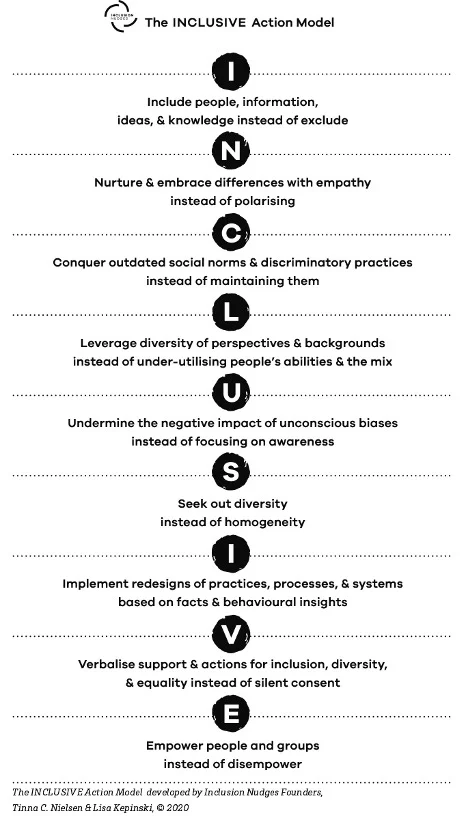
The tumultuous period of the past two years, marked by the ongoing pandemic, has served as an unprecedented, rapid-paced experiment in new paradigms of work, fundamentally altering perceptions of professional life and its future trajectory. This era has not only accelerated pre-existing trends but also forged new challenges, particularly in the realms of societal polarisation and the burgeoning phenomenon of employee activism within corporate structures. This article, part of a broader series examining pandemic-era shifts across "Purpose," "People," "Process & Policy," and "Polarisation & Activism," delves into the profound implications of the latter for Diversity, Equity, and Inclusion (DEI) initiatives.
A Society Under Strain: The Rise of Division
As global populations tentatively re-emerge from successive lockdowns, a complex tapestry of emotions — from sadness and loss to fear, a pervasive sense of lacking control, and overt anger — has permeated society. This emotional landscape has directly contributed to a significant escalation in societal division. Research conducted across 17 countries revealed that 60% of individuals perceived their society as more divided than before the pandemic, a stark 30% increase from pre-pandemic levels. This heightened fragmentation has inevitably spilled over into the workplace, creating a fertile ground for new and complex challenges for organisations striving to maintain cohesion and productivity.
One of the most immediate and contentious flashpoints has been the implementation of "no jab, no job" or "vaccine mandate" policies. For some, requiring vaccination for office return or customer interaction is a public health imperative, a crucial step for collective and personal well-being. For others, it represents an unacceptable governmental or corporate overreach, an infringement on personal autonomy and liberty. This ideological chasm underscores the profound polarisation, not just on health policy, but on fundamental principles of individual freedom versus collective responsibility.
The global frustration and fatigue stemming from the pandemic have manifested in widespread unrest. Over 50,000 protests related to the pandemic have erupted worldwide, highlighting a deep vein of discontent. A phenomenon dubbed "COVID rage" has become increasingly prevalent, characterized by a distressing surge in customer abuse directed at workers, particularly in the hospitality and service sectors. Reports indicate that up to 80% of employees in these industries have either witnessed or personally experienced such aggression. This toxic environment is further exacerbated by widening socioeconomic inequalities, where access to vaccinations and, consequently, economic recovery remains starkly uneven, deepening the chasm between the "haves" and the "have-nots."
Erosion of Trust and the Catalyst for Activism
Beyond the immediate stressors of the pandemic, a long-term erosion of trust in public officials and civic institutions has been gathering momentum for years. A global study from August 2021 underscored this sentiment, revealing that Millennials and Generation Z harbor such profound distrust that they express greater faith in governance by artificial intelligence systems than by fellow human beings. This demographic’s disillusionment stems from persistent concerns over corruption, perceived stale political leadership, and the constant threat to physical safety posed by surveillance and militarized policing, particularly impacting activists and people of colour.
The tragic murder of George Floyd in May 2020 served as a critical inflection point, igniting a global surge in Black Lives Matter and anti-racism activism across more than 60 countries. This event, alongside numerous other instances highlighting systemic inequality and discrimination, propelled discussions about social justice from the periphery into the core of public discourse and, crucially, into the workplace. Companies found themselves under immense pressure to acknowledge, address, and actively combat these issues, moving beyond performative statements to tangible action.
The Empowered Employee: Demanding Corporate Accountability
The convergence of societal unrest, declining institutional trust, and heightened awareness of social justice issues has profoundly reshaped employee expectations. A significant majority of employees, as high as 76% in one global research study, now expect and demand that their workplace leaders take a public stand on key social issues. This is not merely a passive expectation; employees are increasingly energised and empowered to take action themselves if they perceive a lack of genuine commitment from their organisations.
An August 2021 global survey demonstrated this shift, with 60% of employees feeling empowered to act as change-makers within their workplaces. More strikingly, 75% globally indicated a willingness to take action to advance urgently needed changes within their organisation, with a substantial 40% prepared to go public through whistleblowing, protesting, or social media posts. This willingness to challenge the status quo from within represents a significant shift in the power dynamic between employees and employers.
Furthermore, in the United States, there has been a notable resurgence of interest in labor unions. Employees are increasingly looking to unions as a means to safeguard human rights at work, advocate for fair treatment, and actively participate in redesigning organisational cultures. The scale of this movement was evident in October 2021, when over 25,000 workers were on strike, a considerable increase compared to an average of 10,000 during the preceding three months. This collective action signals a growing determination among workers to assert their agency and demand more equitable and inclusive workplaces.
The Leadership Imperative: Bridging the Credibility Gap
Despite these clear shifts in employee sentiment and expectations, a critical disconnect persists between employee demands and perceived corporate action. A global survey indicated that only 48% of employees believe their employers are consistently acting on their stated values. This credibility gap carries significant risks, including diminished trust in leadership, reduced employee engagement, and, critically, exacerbating the ongoing "Great Resignation."
Data suggests a direct link between corporate inaction on social issues and employee attrition: 33% of employees quit their jobs when their employer failed to speak out about a societal or political issue that the employee felt the organisation had an obligation to address. This statistic underscores a profound truth: the era of the silent executive on DEI issues is over. Token gestures or well-intentioned but ultimately superficial public statements are no longer sufficient. The contemporary standard demands inclusive leaders who demonstrate allyship not merely through rhetoric but through tangible, consistent action.
Implications for Diversity, Equity, and Inclusion (DEI)
The landscape of DEI has been irrevocably altered by these trends. What was once often viewed as a "nice-to-have" or a compliance-driven initiative has now become a strategic imperative, deeply intertwined with talent acquisition, retention, brand reputation, and overall business resilience.
- From Aspiration to Action: DEI initiatives can no longer afford to be abstract or aspirational. Employees demand concrete actions, measurable outcomes, and transparent accountability. Companies must move beyond unconscious bias training to systemic changes in hiring, promotion, compensation, and leadership development.
- Intersectionality at the Forefront: The focus on anti-racism activism, combined with the disproportionate impact of the pandemic on marginalized communities, has highlighted the critical importance of an intersectional approach to DEI. Organizations must understand and address the unique challenges faced by individuals at the intersection of multiple identities.
- Leadership Accountability: The expectation for leaders to take a stand and act as allies places a greater burden on executive leadership. This requires genuine education, self-reflection, and a willingness to engage in difficult conversations and make potentially unpopular decisions. Leaders must embody the values they espouse.
- Psychological Safety: In an environment where employees are encouraged to speak up and challenge the status quo, psychological safety becomes paramount. Organizations must cultivate cultures where employees feel safe to voice concerns, offer critical feedback, and engage in activism without fear of reprisal.
- Navigating Internal Polarization: As societal divisions permeate the workplace, DEI leaders are increasingly tasked with navigating internal polarization on sensitive topics. This requires robust communication strategies, clear policy guidelines, and skilled facilitation to foster constructive dialogue while upholding core values.
Looking Ahead: Navigating a Fractured Landscape
The current environment presents a formidable challenge for organisational leaders. The forces of societal polarisation and employee activism are not transient phenomena; they represent a fundamental shift in the relationship between individuals, institutions, and the workplace. Organizations that fail to acknowledge and adapt to these changes risk significant repercussions, including a loss of talent, diminished reputation, and a breakdown of internal cohesion.
To navigate this complex landscape, organizations must:
- Foster Authentic Dialogue: Create platforms for open, honest, and respectful dialogue on sensitive issues, ensuring all voices are heard and acknowledged, even if not universally agreed upon.
- Lead with Empathy and Transparency: Leaders must demonstrate genuine empathy for the diverse experiences of their employees and be transparent about their organisation’s values, commitments, and progress on DEI initiatives.
- Empower Inclusive Leaders: Invest in developing leaders who are not only skilled in business strategy but also adept at fostering inclusion, managing conflict, and acting as allies for underrepresented groups.
- Align Values with Action: Ensure that organisational values are not mere statements but are deeply embedded in policies, practices, and everyday behaviours, providing a consistent framework for decision-making.
- Leverage Data for Insight and Action: Continuously collect and analyze data related to employee sentiment, DEI metrics, and societal trends to inform strategies and measure impact.
The pandemic has undeniably accelerated a reckoning within the corporate world, forcing a re-evaluation of its role in society and its responsibilities to its employees. The path forward demands courage, authenticity, and a steadfast commitment to building workplaces that are not only productive but also equitable, inclusive, and resilient in the face of ongoing societal challenges. The imperative is clear: to move beyond rhetoric and embrace the role of an active, engaged ally in the pursuit of a more just and inclusive future of work.