The profound connection between Indigenous communities, their ancestral lands, and holistic well-being is a foundational principle that underpins identity, sustenance, and the continuity of existence. This intrinsic relationship, characterized by a cyclical rhythm of nourishment, healing, and growth, draws strength from a deep reservoir of ancestral knowledge. Recognizing the vital importance of nurturing these connections, organizations like Cultural Survival are actively fostering environments where Indigenous youth can strengthen their ties to community, culture, and the environment. Ukhing Ne Chak, a dedicated Indigenous rights advocate and development practitioner from the Bandarban Hill Tracts of Bangladesh, exemplifies this commitment through her work, which centers on safeguarding Traditional Knowledge, revitalizing sustainable livelihoods, and empowering Indigenous women and youth.
The Integral Bond: Land, Culture, and Indigenous Wellness
For Indigenous peoples worldwide, wellness transcends mere physical health, encompassing a complex interplay of cultural integrity, environmental stewardship, and robust community bonds. Ukhing Ne Chak, who hails from the picturesque yet ecologically sensitive Bandarban region in the Chittagong Hill Tracts, articulates this holistic understanding of well-being. Her upbringing instilled in her the belief that true well-being is inextricably linked to the preservation of cultural heritage, the protection of the natural world, and the maintenance of strong social fabric. This perspective is not unique to her community but is a shared tenet among many Indigenous groups whose traditions and survival are intrinsically tied to the land.
The Chittagong Hill Tracts, a region of significant biodiversity and cultural richness, has faced a multitude of challenges that impact the well-being of its Indigenous inhabitants. Decades of political instability, economic marginalization, and the persistent encroachment on ancestral lands have created a precarious environment. Furthermore, the effects of climate change, including erratic weather patterns and increased natural disasters, pose a direct threat to traditional livelihoods and the delicate ecosystems upon which these communities depend. This complex backdrop underscores the urgency of Ukhing Ne Chak’s advocacy and the critical role of initiatives like the Indigenous Youth Fellowship in supporting these communities.
Challenges to Well-being: Erosion of Knowledge and Livelihoods
A primary impediment to Indigenous wellness, as highlighted by Ukhing Ne Chak, is the gradual erosion of Traditional Knowledge and sustainable livelihood practices. The allure of perceived economic opportunities in urban centers, coupled with limited access to resources and education within their own communities, often compels young people to abandon age-old cultural practices. This migration not only leads to a loss of valuable cultural heritage but also weakens the social cohesion of these communities.
The impact of climate change and environmental degradation exacerbates these challenges. Deforestation, the depletion of water sources, and the alteration of ecosystems directly affect the natural resources that underpin traditional economies, such as agriculture, foraging, and fishing. Beyond the tangible impacts, these environmental shifts also sever the deep emotional and spiritual connections that Indigenous peoples have with their land, a connection that is crucial for their mental and emotional well-being. This disconnect can lead to feelings of displacement, anxiety, and a loss of identity, further compounding the challenges to holistic wellness.
Weaving a Legacy: Tradition as Identity and Economic Empowerment
Ukhing Ne Chak’s profound understanding of wellness was significantly shaped by observing the women in various Indigenous communities meticulously engaged in the art of weaving traditional garments and textiles. For these women, weaving is far more than a craft or a source of income; it is a profound expression of identity, heritage, and cultural continuity. The intricate patterns, the choice of natural dyes, and the very act of creation are imbued with ancestral stories and knowledge passed down through generations.
The hours spent weaving, often under challenging conditions, can lead to physical health issues, including musculoskeletal problems and eye strain, due to prolonged periods of sitting and intricate manual work. Despite these personal sacrifices, these women persevere, driven by an unwavering commitment to preserving their cultural legacy and ensuring the economic stability of their families. This dedication underscores the resilience and strength inherent in Indigenous traditions.
Grassroots Initiatives: BIRDS and the Barefoot Forest Campaign
Inspired by these observations and the inherent value of traditional practices, Ukhing Ne Chak has been instrumental in the establishment and leadership of two impactful grassroots initiatives: Bandarban Indigenous Roots Development and Sustainability (BIRDS) and the Barefoot Forest Campaign.
The BIRDS initiative directly addresses the need to strengthen traditional weaving practices by providing support and resources to Indigenous women. The program not only focuses on enhancing the quality and marketability of their textiles but also on creating sustainable livelihood opportunities. By connecting these artisans with fair trade networks and promoting their unique cultural products, BIRDS aims to ensure that traditional weaving remains a viable and respected economic activity, thereby empowering women and preserving a vital aspect of their cultural heritage.
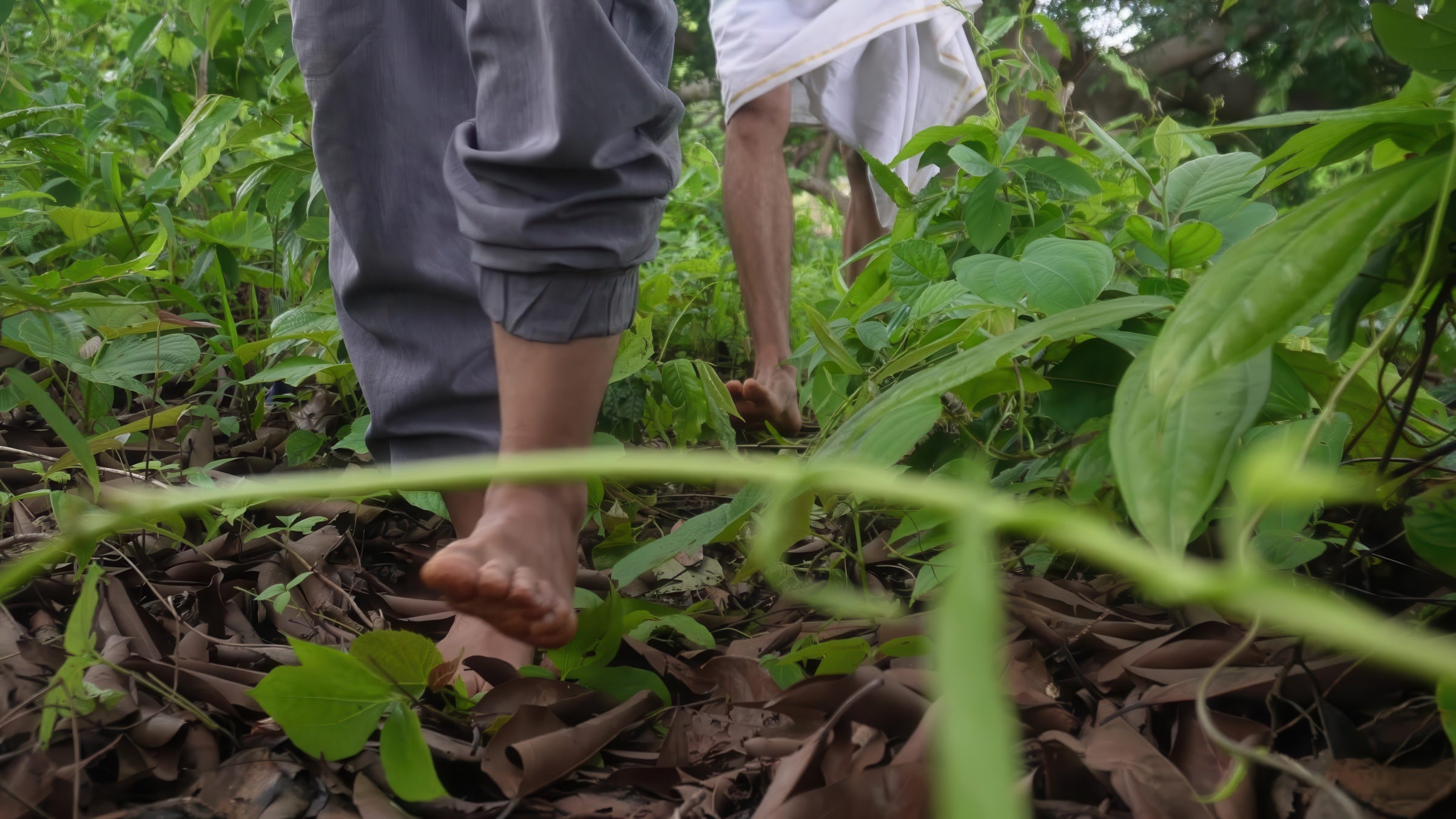
Complementing BIRDS, the Barefoot Forest Campaign adopts a more holistic approach, encouraging youth and communities to re-establish and deepen their connection with the natural environment. This campaign recognizes that a healthy relationship with the land is fundamental to the well-being of Indigenous peoples. Through its activities, the campaign seeks to foster a renewed appreciation for forests, promote environmental stewardship, and reinforce the symbiotic relationship between human communities and the natural world.
Reconnecting with Nature: Biodiversity, Knowledge, and Resilience
The Barefoot Forest Campaign actively engages young people in learning about biodiversity, the ecological importance of native plants and wildlife, and the intrinsic link between healthy forests, community well-being, and climate resilience. The program employs experiential learning methodologies, including forest walks, environmental education workshops, and community-based conservation activities. These immersive experiences equip participants with practical knowledge and a deeper understanding of their role in protecting both the natural environment and their ancestral Indigenous Knowledge for future generations.

This educational approach is crucial in counteracting the narrative of development that often marginalizes traditional ecological knowledge. By empowering youth with scientific understanding alongside their inherited wisdom, the campaign aims to create a generation of informed and capable environmental stewards who can advocate for sustainable practices and protect their natural heritage. The participation of elders in these activities, sharing their traditional knowledge of the forest and its uses, further enriches the learning experience and reinforces intergenerational knowledge transfer.
Healing Through Nature and Community
For Ukhing Ne Chak, the process of healing is deeply intertwined with her engagement with nature. Simple yet profound moments—walking forest paths, listening to the symphony of birdsong, sitting by the tranquil flow of rivers, and absorbing the wisdom of Elders—serve as potent reminders that wellness is a multifaceted experience, encompassing both personal rejuvenation and collective strength. These moments of connection with the natural world provide solace, clarity, and a renewed sense of purpose.
In an era where feelings of disconnection are increasingly prevalent, Ukhing Ne Chak observes a growing interest among Indigenous youth in cultural preservation, climate action, and community leadership. This burgeoning engagement is a testament to the enduring power of their heritage and the growing awareness of the critical challenges they face. The visible pride of women sharing their weaving knowledge with younger generations further exemplifies the successful transmission of cultural capital. Through the synergistic forces of culture, community, and a profound connection with nature, these Indigenous communities are actively constructing stronger, more resilient, and ultimately more hopeful futures.
Broader Implications and the Role of Support
The work spearheaded by individuals like Ukhing Ne Chak and supported by organizations such as Cultural Survival holds significant implications for Indigenous rights globally. By empowering Indigenous youth and communities to reclaim and revitalize their cultural practices and environmental stewardship, these initiatives contribute to the broader movement for self-determination and cultural preservation. The success of programs like BIRDS and the Barefoot Forest Campaign demonstrates that culturally relevant development, rooted in ancestral knowledge and local contexts, can be a powerful engine for economic empowerment and social well-being.
Supporting such grassroots efforts is crucial for several reasons:
- Preservation of Cultural Heritage: These initiatives act as vital bulwarks against the homogenization of global culture, ensuring that the unique knowledge systems, languages, and traditions of Indigenous peoples are not lost.
- Climate Change Adaptation: Indigenous communities often possess invaluable Traditional Ecological Knowledge (TEK) that is critical for developing effective strategies to adapt to and mitigate climate change. Empowering them to apply this knowledge is essential for global environmental efforts.
- Sustainable Development: By fostering sustainable livelihoods that are harmonized with local ecosystems, these programs offer models for development that are both economically viable and environmentally responsible, challenging conventional development paradigms.
- Empowerment of Marginalized Voices: These initiatives amplify the voices of Indigenous peoples, enabling them to advocate for their rights, participate meaningfully in decision-making processes that affect their lands and lives, and contribute to a more equitable and just world.
The ongoing efforts in Bandarban, as championed by Ukhing Ne Chak, serve as a powerful case study in the enduring strength of Indigenous resilience. They underscore the fundamental truth that true well-being is cultivated not in isolation, but through the deep, reciprocal relationships between people, their land, and their ancestral heritage. As these threads of tradition are strengthened and woven into the fabric of the future, they promise a legacy of health, sustainability, and cultural vibrancy for generations to come.