June 18, 2026 – As the world prepares to mark World Refugee Day on June 20, the latest report from the United Nations High Commissioner for Refugees (UNHCR) paints a complex and often concerning picture of global displacement. While a slight decrease in the total number of forcibly displaced people offers a glimmer of hope, critical analysis of the data reveals persistent challenges and underscores the urgent need for sustained international commitment to address the root causes and consequences of forced migration.
This year’s World Refugee Day arrives at a pivotal moment, with the UNHCR’s Global Trends report for 2025 offering a crucial "report card" on the international community’s efforts to manage and resolve displacement crises. The report, meticulously compiled from data gathered throughout the year, highlights the resilience of millions forced to flee their homes, acknowledging both prominent figures like Albert Einstein and Yusra Mardini, who found refuge and contributed significantly to their new societies, and the countless "unsung heroes" whose daily contributions enrich communities worldwide. However, it also serves as a stark reminder of the ongoing scale of human suffering and the systemic failures that continue to drive displacement.
A Nuanced Decline: The Double-Edged Sword of Returns
The most striking figure in the 2025 UNHCR report is the decrease in the global number of displaced individuals, falling from 123 million in 2024 to 117.8 million at the close of last year. This reduction, a welcome development after years of relentless increases, is primarily attributed to the return of nearly 15 million refugees and internally displaced persons (IDPs) to their home countries.
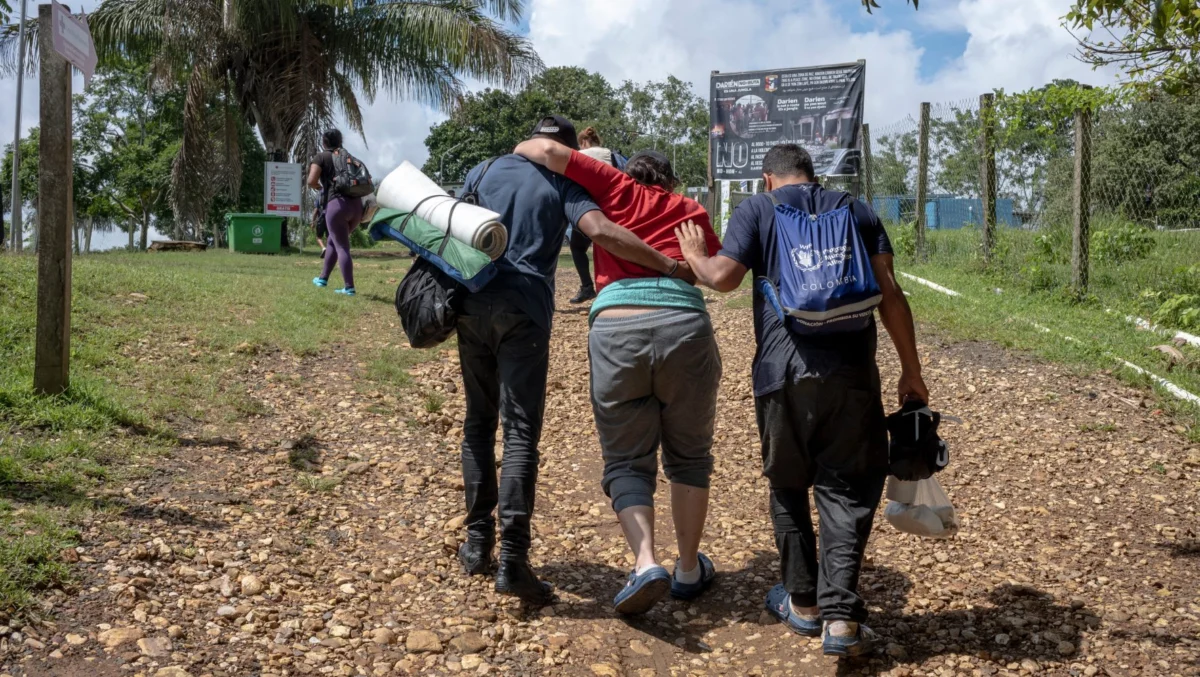
However, a deeper examination of these returns reveals a deeply concerning trend. According to the UN, "most of the returns have occurred under adverse circumstances and to areas where insecurity persists, access to basic services is lacking or severely limited and infrastructure is damaged, raising concerns about their sustainability and protection risks upon return." This critical caveat highlights a significant challenge: while the number of displaced people has decreased on paper, many have been compelled to return to precarious situations, facing ongoing insecurity, lack of essential services, and damaged infrastructure. This raises serious questions about the voluntariness and safety of these returns, and the potential for renewed displacement.
The report also acknowledges that millions of people have been newly displaced in the past year. The stark reality is that one in every 70 people globally remains displaced. Therefore, while celebrating the courage of those who have returned home, the international community bears a profound responsibility to ensure that all displaced individuals have the genuine choice and the necessary support to return safely and with dignity, or to receive adequate protection in their countries of asylum if return is not yet viable. This underscores the need for a more robust framework that prioritizes safe, dignified, and voluntary repatriation, rather than premature or coerced returns.
Identifying Protracted Crises and Shifting Patterns of Refuge
The UNHCR data for 2025 also illuminates critical trends regarding the countries of origin and destination for displaced populations. For years, a relatively small number of protracted crises have been the primary drivers of refugee flows. This pattern continues, with the report indicating that a majority of refugees last year originated from a limited set of long-standing conflicts and instabilities.
Crucially, the data highlights that Sudan, Syria, and Afghanistan remain at the forefront of both refugee and IDP figures. The concentration of displacement from these few countries suggests that targeted and sustained diplomatic interventions have the potential to significantly alleviate the global displacement crisis, provided that conditions for safe and dignified return can be established and individuals are willing and able to make that journey.
In a significant counterpoint to prevailing political narratives, the UNHCR report unequivocally demonstrates that high-income countries continue to host a disproportionately small percentage of the world’s refugees. Last year, these nations provided refuge to just 29% of the global refugee population. In stark contrast, low- and middle-income countries bear the overwhelming burden of hosting those seeking safety. The least developed countries, despite accounting for a mere 1% of the global Gross Domestic Product (GDP), are currently hosting nearly 26% of all refugees, a figure only slightly lower than that of the world’s wealthiest nations.
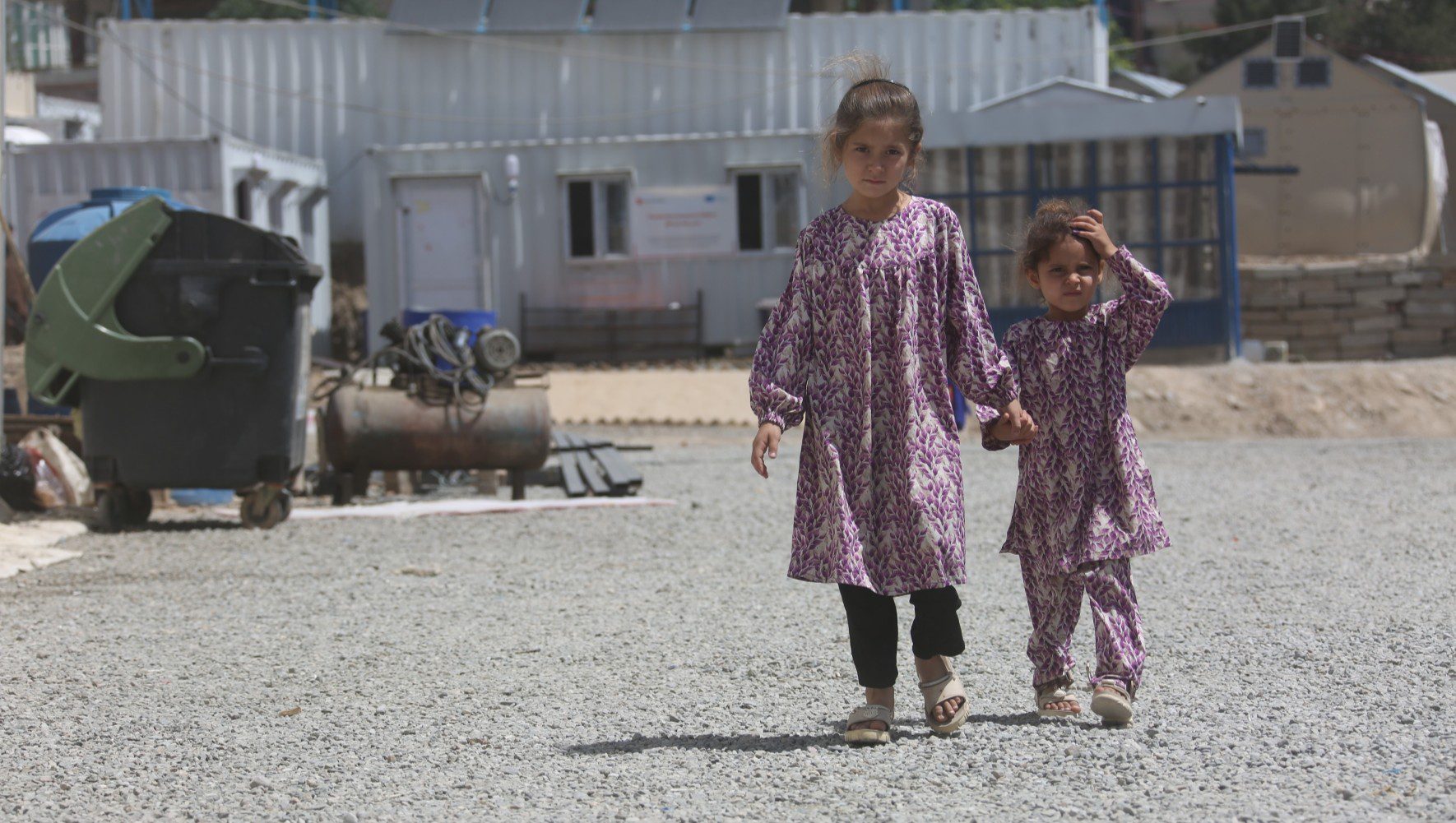
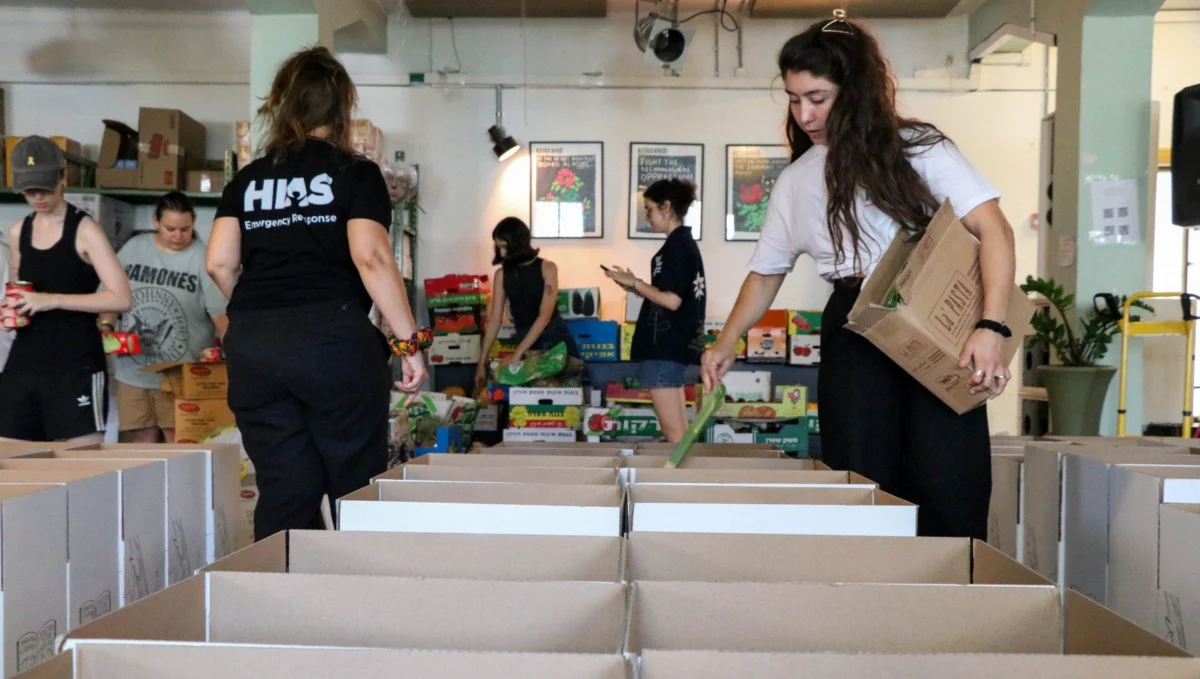
This disparity is further underscored by the fact that just six countries are currently hosting over a third of all refugees and individuals in need of international protection. Among these, Colombia stands out, having hosted 2.8 million displaced people over the past year. HIAS (formerly the Hebrew Immigrant Aid Society) has been actively engaged in Colombia, providing crucial support to Venezuelan refugees and migrants, Colombian returnees, internally displaced persons, and host communities. Their work in Colombia exemplifies the impact of tailored assistance, focusing on economic empowerment and mental health support to help individuals overcome trauma and rebuild their lives.
Chad, another nation grappling with immense displacement, ranks sixth globally, hosting 1.5 million displaced individuals. For over two decades, HIAS has maintained a presence in Chad, a country significantly impacted by the world’s largest displacement crisis originating from neighboring Sudan. The challenges faced by both Colombia and Chad, despite their own internal struggles, serve as powerful examples of the potential that is unlocked when protection is coupled with opportunity, fostering resilience and enabling displaced populations to contribute to their host societies.
Resettlement’s Steep Decline: A Critical Pathway Diminished
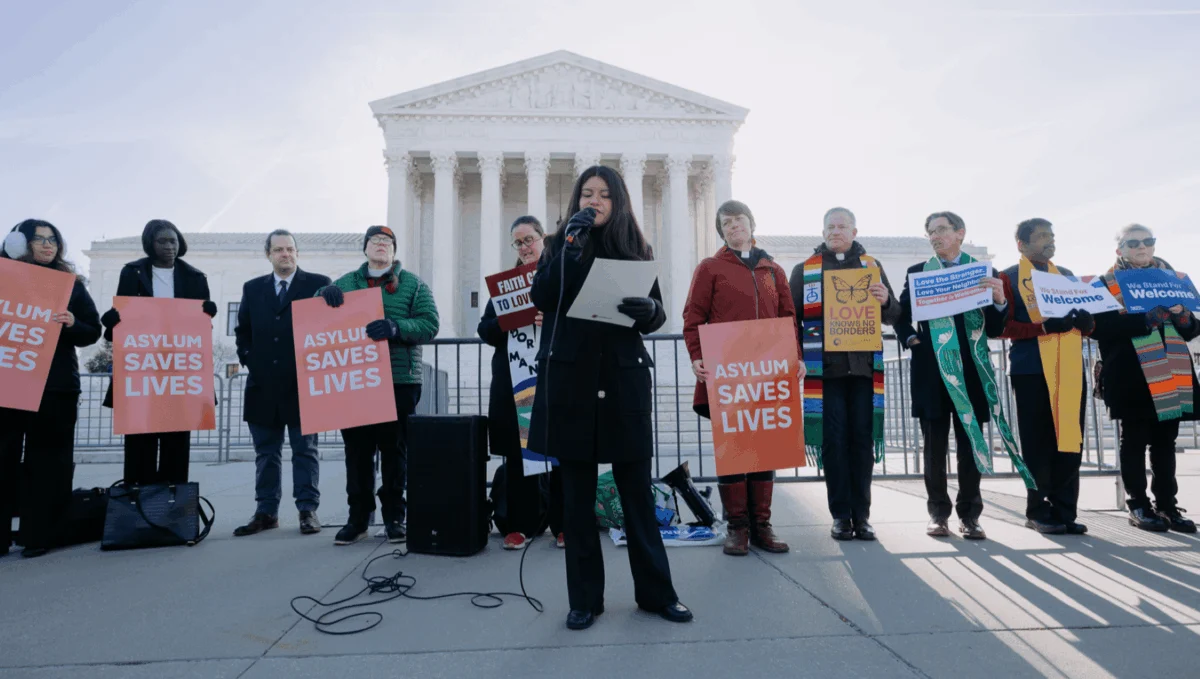
The 2025 data on refugee resettlement paints a deeply concerning picture, revealing the profound global impact of policy shifts, particularly those implemented by the former Trump administration in the United States. For decades, the U.S. Refugee Admissions Program (USRAP) served as the world’s largest resettlement pathway, offering a vital lifeline to refugees who could not return home and faced acute risks in their countries of asylum. Resettlement provides a chance to rebuild lives in third countries, with the eventual prospect of naturalization and citizenship.
However, last year, despite an estimated 2.9 million refugees globally requiring resettlement, only 81,800 individuals were granted access to this life-saving avenue. This figure represents less than 3% of the global need. The dramatic decline was largely driven by the United States, where the number of people resettled in 2025 plummeted by an alarming 89% compared to the previous year, reaching a mere 11,500 individuals.
While less pronounced, Canada also experienced a decline in resettlement numbers, with admissions dropping by 21% to 38,800 people in 2025. In contrast, Australia, traditionally the third-largest resettlement country, saw a modest increase of 9% in its admissions, reaching 18,800. While resettlement is acknowledged as a relatively modest solution in the face of overwhelming global displacement, for those who benefit from it, it is an indispensable pathway to safety and a new beginning. The erosion of this pathway raises serious concerns about the fate of the most vulnerable refugees worldwide.
A Decade of Escalation and a Call for Renewed Action
The cumulative data from the past decade presents a stark and undeniable reality: the global displaced population has nearly doubled since 2016. This dramatic escalation underscores the persistent failure of the international community to effectively address the root causes of conflict, persecution, and environmental degradation that force millions to flee their homes.
As World Refugee Day approaches, the UNHCR’s Global Trends report serves as a critical call to action. It highlights the immense resilience and strength of displaced individuals, but also the systemic challenges that persist. The slight decrease in numbers, while welcome, must not be interpreted as a sign that the crisis is abating. Instead, it demands a more profound engagement with the complexities of displacement, a renewed commitment to humanitarian principles, and a concerted effort to promote sustainable solutions.
The data clearly indicates that progress on advancing the rights, protection, and well-being of the world’s forcibly displaced people is achievable. However, it requires sustained and coordinated action, a commitment to addressing the underlying drivers of displacement, and a collective recognition of our shared responsibility. By working together, the international community can strive towards a future where fewer people are forced to flee, and where those who are, can find safety, dignity, and the opportunity to rebuild their lives. The choices made today will determine whether, by World Refugee Day 2027, the world can truly look back on a year of meaningful progress, or continue to grapple with an ever-worsening humanitarian crisis.