Grounded in a rich tapestry of traditional understandings and teachings, and infused with the core social work values of justice and human rights, Indigenous social workers are profoundly shaping the health and well-being of Indigenous Peoples across the globe. This vital work is gaining increasing recognition and institutional support, most notably through the International Federation of Social Workers (IFSW), the preeminent global body representing over 120 professional social work associations and more than 5 million social workers worldwide. With formal consultative status at the United Nations and other international bodies, IFSW serves as a crucial platform for advancing the profession’s engagement with global issues.
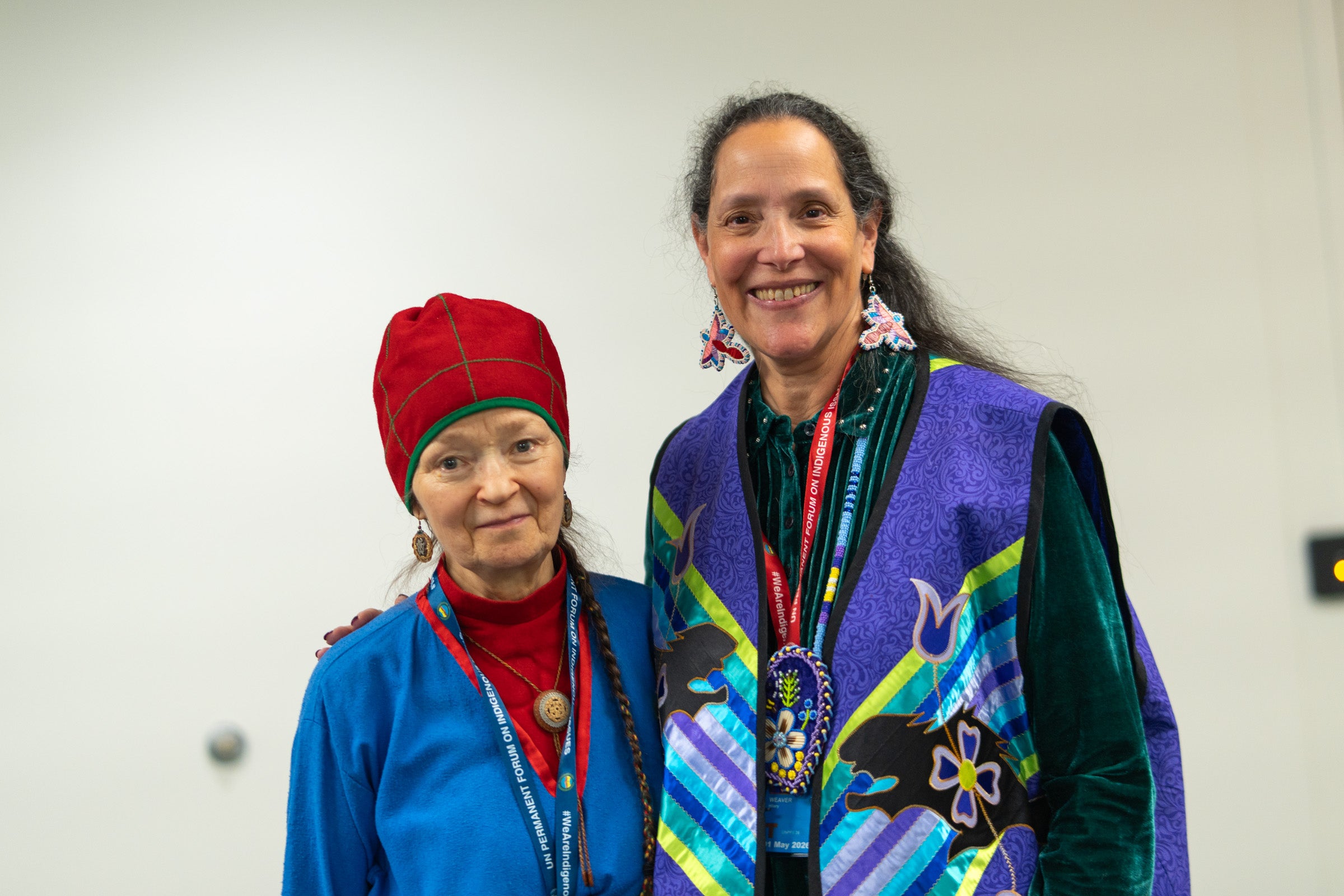
The establishment of the IFSW Indigenous Commission in 2021 marked a significant milestone, born from years of dedicated advocacy by Indigenous social workers. This commission, comprising a Global Indigenous Commissioner and five Regional Commissioners representing Europe, Asia and the Pacific, Africa, Latin America and the Caribbean, and North America, is a testament to the growing influence of Indigenous perspectives within the international social work arena. Hilary Weaver (Lakota) currently holds the esteemed position of Global Indigenous Commissioner, spearheading the commission’s strategic initiatives and collaborative efforts.
Advancing Indigenous Issues on a Global Stage
The IFSW Indigenous Commission is dedicated to providing leadership in advancing Indigenous issues within the social work profession, both regionally and globally. Its work is strategically focused on three interconnected themes: enhancing the visibility of Indigenous Peoples and their unique concerns; underscoring the critical importance of Indigenous Traditional Knowledge in holistic well-being; and ensuring that the social work profession actively incorporates Indigenous voices and provides services that are culturally respectful and responsive to the needs of Indigenous individuals and communities.
This commitment to centering Indigenous perspectives was formally recognized in 2026 when a concise version of the article detailing the commission’s work was entered into the official record of the United Nations Permanent Forum on Indigenous Issues (UNPFII). This submission aligned directly with the Forum’s overarching theme for that year: "Ensuring Indigenous Peoples’ health, including in the context of conflict." The inclusion of this material at such a prominent international forum underscores the growing acknowledgment of Indigenous social work’s critical role in addressing complex global health challenges.
Social Workers as Pillars of Indigenous Health and Resilience
Members of the IFSW Indigenous Commission emphasize the indispensable roles that social workers play in safeguarding and promoting the health of Indigenous Peoples, particularly in contexts marked by conflict and systemic adversity. Their work is characterized by a collaborative approach, fostering partnerships with community members, grassroots activists, and other allied professionals. This interdisciplinary synergy is crucial for navigating the intricate pathways to well-being.
Social workers are instrumental in facilitating access to essential services, often advocating for and driving systemic changes to address unresponsive or harmful policies and institutional practices. When guided by and empowered to embrace their own Indigenous ways of being and knowing, social workers can maintain a holistic focus on the individual and their community, encompassing their spiritual, physical, emotional, and psychological dimensions. This comprehensive understanding of health, recognizing the interconnectedness of all aspects of a person’s being, is foundational to achieving true well-being.
Spotlight on Regional Initiatives and Challenges
Europe: The Sámi Experience
Margaretha Karlberg Uutjek (Sámi), a social worker representing the European region on the IFSW Indigenous Commission, highlights the critical contributions of Sámi social workers in supporting individuals navigating social service and healthcare systems. Her research consistently demonstrates that Sámi social workers bring a unique depth of knowledge and specialized skills, cultivated through inherited traditions that demand respect and valuation within mainstream society.
Uutjek’s work documents the profound impact of violence experienced by Sámi women and children, leading to trauma and a cascade of health issues that diminish overall well-being. Similarly, Sámi Elders and individuals living with disabilities frequently encounter misunderstandings and pervasive discrimination, including marginalization and racism. These systemic barriers can result in inadequate or inappropriate treatment from services designed to support them, exacerbating feelings of isolation and contributing to further health complications.
In response to these persistent challenges, many Sámi individuals have explicitly advocated for services provided by Sámi professionals, recognizing their specialized cultural understanding and values. Simultaneously, there is a growing demand for improved care from non-Sámi professionals. Uutjek notes promising examples where non-Sámi professionals have demonstrated genuine commitment by actively listening, respecting the self-determination and inherent knowledge of their Sámi clients, and integrating guidance from those seeking support. In these instances, Uutjek observes a discernible increase in the health and well-being of Sámi individuals.
Latin America and the Caribbean: Reclaiming Traditional Medicines and Challenging Colonial Legacies
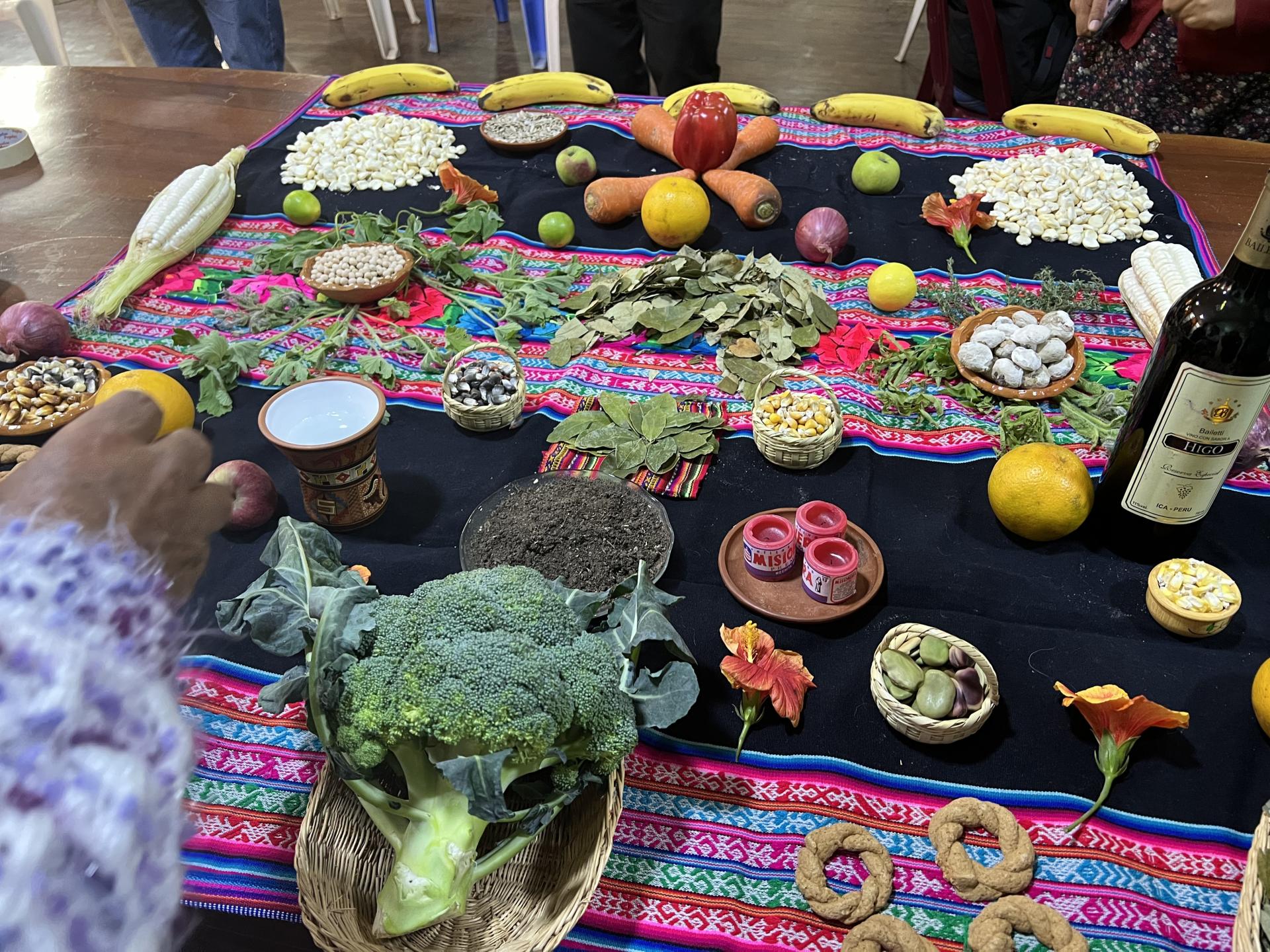
Daniel Flores (Kolla), representing the Indigenous Commission and the Caribbean region, provides a stark historical perspective, noting that 533 years after the invasion of Abya Yala (the Indigenous name for the Americas), colonial legacies continue to permeate numerous fields, including healthcare. He asserts that public institutions and health professionals must acknowledge and integrate the vital contributions of traditional medicines in healing and treating illnesses, encompassing addiction, emotional distress, mental health conditions, and physical ailments.
Flores cites the innovative practices of midwives in Otavalo, Ecuador, as a compelling example. These traditional healers artfully blend ancestral knowledge, including herbal remedies and upright birthing positions, with Western medical approaches. Their practice prioritizes women’s intuition and culturally relevant practices, leading to demonstrable improvements in maternal and child health. These culturally grounded interventions have not only influenced Ecuador’s national health policies but have also garnered recognition from the World Health Organization (WHO).
Further illustrating the enduring power of Indigenous health practices, Flores points to the bonesetters of southern Chile. These skilled healers adeptly treat fractures, dislocations, and sprains through manual manipulation, massage, and the judicious use of herbal remedies. The widespread adoption of traditional herbal practices across the Andean regions during the recent global pandemic provided undeniable evidence of their efficacy. Even amidst the pervasive dominance of Western biomedical models and their reliance on pharmaceuticals, Indigenous communities continued to harness the healing power of their own ancestral medicines.
Latin America and the Caribbean: Cultural Recognition and Legal Reform
Flores emphasizes the critical need for legal reforms to ensure that institutional and information systems, as well as healthcare providers, genuinely recognize the ethnic and linguistic diversity of the regions in which they operate. This is particularly pertinent as the world observes the International Decade of Indigenous Languages (2022-2032). Social workers and other professionals must cultivate a deeper understanding of and provide robust support for the health practices that families and communities continue to embrace. Interventions must expand to encompass a holistic recognition of Indigenous cultures, dietary practices, languages, life narratives, and ethnic identities. Crucially, it is imperative to acknowledge the profound importance and the extended socio-historical trajectories of the individuals and families served, recognizing that these histories often stretch far beyond the relatively recent 200-year history of nation-states in Latin America and the Caribbean.
North America: Rooted in Creation Stories and Traditional Knowledge
Pamela L. Begay (Dinét)’, representing the North American region on the IFSW Indigenous Commission, articulates how Indigenous Peoples in North America draw strength and grounding for their health from their creation stories and deeply embedded Traditional Knowledge systems. This ancestral wisdom serves as a vital resource for healing themselves and for re-establishing their place within their communities, particularly in the aftermath of historical events that have disrupted their traditional ways of living in balance.
Asia Pacific: Holistic Well-being and Reclaiming Sovereignty
Carole Tana-Tepania (Māori), representing the Asia Pacific region, offers a profound insight into the Māori understanding of health, which is intrinsically linked to the vitality of the Vā—a relational space that connects people, ancestors, and the environment. While acknowledging that social workers have, at times, inadvertently caused harm as agents of colonial systems, Tana-Tepania highlights a powerful movement of Indigenous practitioners actively reclaiming and reshaping the profession.
The Tangata Whenua, the Peoples of the Land, are firmly rooted in the teachings of their whare wānanga (institutions of higher learning). This grounding is propelling a transformative shift away from colonial expressions of social work towards a dedicated pursuit of holistic family well-being.
Tana-Tepania further elaborates on the role of kaitiaki (guardians) of the mauri (life force). Through the application of kaupapa tuku iho (inherited values), they navigate contemporary conflicts. This approach allows for the integration of traditional healing modalities, such as Rongoā Māori (traditional Māori healing) and the vibrational healing properties of taonga pūoro (traditional musical instruments), to address trauma that may elude purely clinical interventions.
By prioritizing whanaungatanga (kinship) and land-based wellness, health interventions are designed not as impositions but as mana-enhancing acts of sovereignty. These community-led models, honed within whare wānanga and practiced on marae (traditional meeting grounds), powerfully demonstrate that when Indigenous social workers lead with ancestral knowledge, their impact extends far beyond symptom management to restoring the sacred connections essential for enduring peace and profound well-being.
Implications for Global Health Policy and Practice
The work of the IFSW Indigenous Commission and its regional representatives carries significant implications for global health policy and the future of social work practice. The consistent emphasis on integrating Indigenous Traditional Knowledge with professional social work underscores a paradigm shift away from purely Western-centric models of care.
Supporting Data and Emerging Trends:
- WHO Recognition: The World Health Organization (WHO) has increasingly acknowledged the importance of Indigenous health systems and traditional medicine. Reports and initiatives by the WHO often highlight the need for culturally appropriate healthcare and the integration of traditional healing practices. For instance, the WHO’s global strategy on traditional and complementary medicine aims to harness the potential of these practices for improved health outcomes.
- International Conventions: The ratification of ILO Convention 169 on Indigenous and Tribal Peoples by member states of the WHO and the Pan American Health Organization (PAHO) signifies a legal and ethical imperative to ensure the implementation of provisions related to intercultural health. This includes adequate budgetary allocations, the development of specific action plans, and the active incorporation of traditional healers into primary healthcare frameworks.
- Addressing Health Disparities: Data consistently show significant health disparities between Indigenous and non-Indigenous populations globally. These disparities are often linked to historical trauma, systemic discrimination, and inadequate access to culturally relevant services. The approach advocated by the IFSW Indigenous Commission directly addresses these root causes.
Analysis of Implications:
The growing influence of Indigenous social workers and the formalization of their roles within international bodies like IFSW represent a critical step towards decolonizing social work and healthcare systems. By centering Indigenous voices and knowledge, these efforts aim to dismantle structural inequalities, combat racism, and eliminate the disadvantages faced by Indigenous Peoples worldwide.
The commission’s work is not merely about cultural sensitivity; it is about recognizing the inherent strengths and resilience of Indigenous communities and empowering them to lead their own health and well-being initiatives. This approach fosters self-determination, strengthens cultural identity, and ultimately leads to more effective and sustainable health outcomes.
The inclusion of Indigenous health practices, such as those described by Flores and Tana-Tepania, in policy discussions challenges the notion of a singular, superior medical model. Instead, it promotes a pluralistic approach that values diverse healing traditions and acknowledges their vital role in addressing the complex health needs of Indigenous populations.
As the global community navigates an era of increasing interconnectedness and faces persistent challenges like climate change, pandemics, and social unrest, the wisdom and practices of Indigenous Peoples, as championed by Indigenous social workers, offer invaluable insights and solutions for fostering holistic health and enduring well-being. The continued advocacy and work of the IFSW Indigenous Commission are poised to further solidify the essential contributions of Indigenous social work on the world stage.
Hilary N. Weaver (Lakota) serves as President of the Indigenous and Tribal Social Work Educators Association as well as Global Indigenous Commissioner for IFSW.
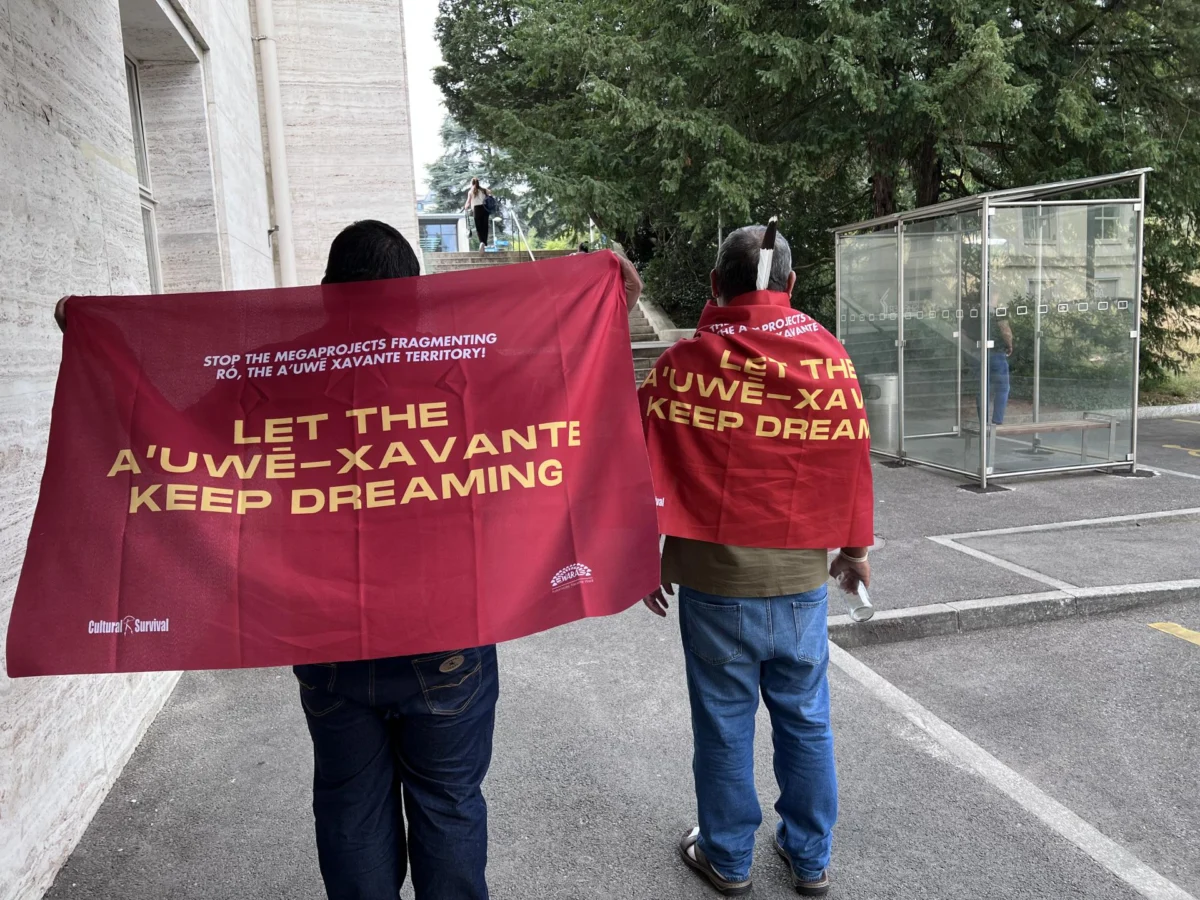
Top Photo: Margaretha Karlberg Uttjek (Sámi) and Hilary Weaver (Lakota) attending the 25th session of the UNPFII. Photo by Jamie Malcolm-Brown/ Cultural Survival.