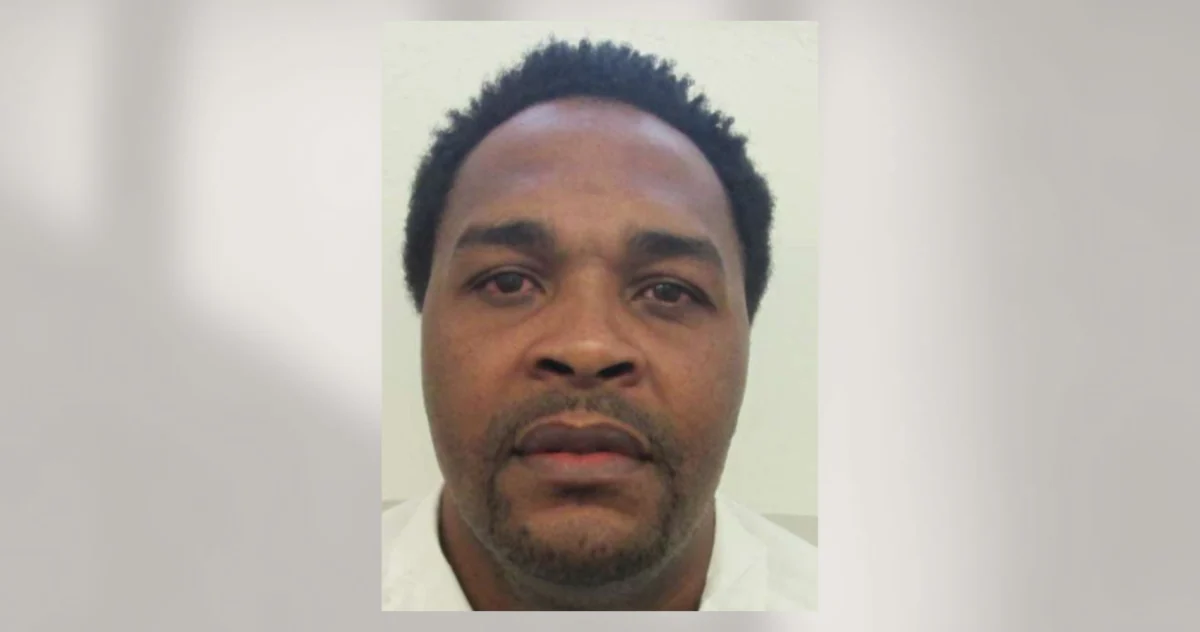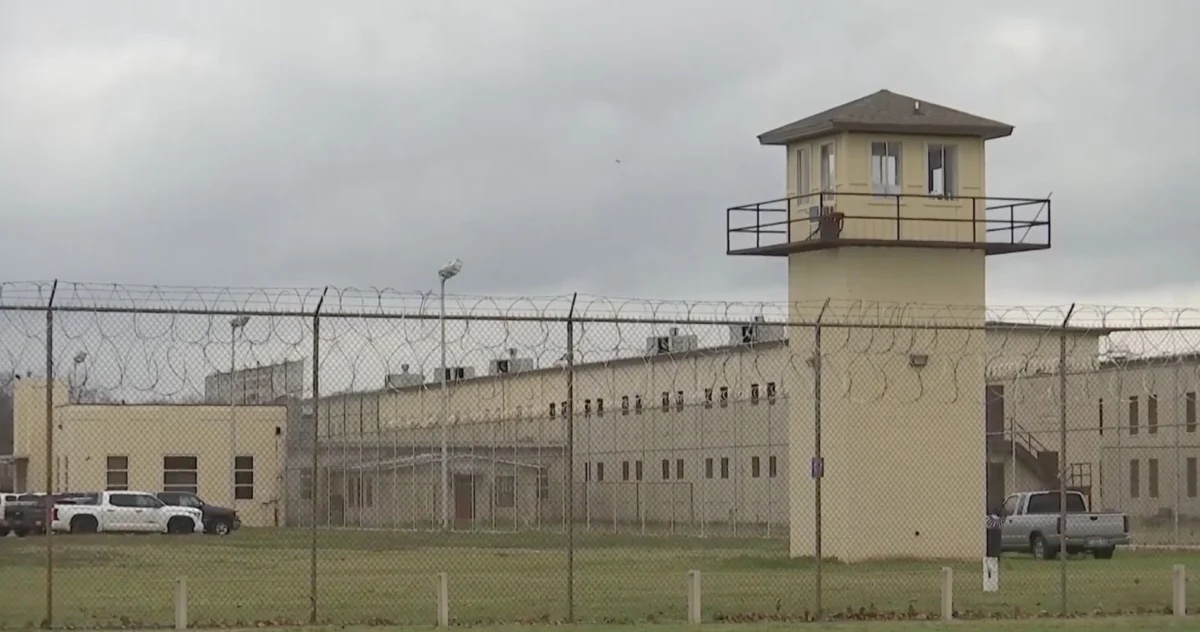
The tragic death of Cason Helms, a 41-year-old incarcerated man, on Sunday at the Elmore Correctional Facility in central Alabama, has once again cast a harsh spotlight on the pervasive and deadly violence plaguing the state’s prison system. Multiple reports received by the Equal Justice Initiative (EJI) indicate that Mr. Helms was brutally beaten to death in an attack by a group of other incarcerated men, marking a grim milestone as the ninth person killed in an Alabama prison in as many months. This latest fatality at Elmore, which accounts for five of these nine homicides, serves as a stark reminder of the long-standing and unchecked crisis within the Alabama Department of Corrections (ADOC), a crisis that has drawn the sustained attention and legal action of the U.S. Department of Justice.
A Pattern of Fatal Violence at Elmore
Elmore Correctional Facility, a state prison notorious for its volatile environment, has become a focal point for the escalating violence. Cason Helms’ death is not an isolated incident but rather the latest in a chilling series of homicides that underscore a catastrophic failure in institutional management and safety protocols. Just months prior, on October 30, Mikheal Gilliam succumbed to injuries sustained from a stabbing four days earlier within Elmore’s walls. The violence continued unabated, with Eric Sanders beaten to death in a dormitory on December 9. Most recently, January 15 witnessed a horrific double homicide when Damon Calhoun and Londell Nunn Jr. were both stabbed to death, demonstrating an alarming frequency and severity of lethal encounters. These five deaths at Elmore alone within a few months paint a stark picture of a facility where the safety and lives of incarcerated individuals are perpetually at risk. The consistent nature of these violent deaths, often involving multiple assailants and brutal methods like stabbings and beatings, suggests an environment where conflict resolution mechanisms are non-existent and predatory behavior flourishes unchecked.
The Equal Justice Initiative, a non-profit organization dedicated to criminal justice reform, has been meticulously documenting the human cost of this crisis. Their researchers have recorded more than 100 homicides of incarcerated people inside Alabama’s prisons since 2019, a statistic that speaks volumes about the systemic nature of the violence rather than mere isolated incidents. This data forms the bedrock of claims that the state’s correctional system is fundamentally broken, failing in its most basic duty to provide a safe and humane environment, even for those deprived of liberty.
The Anatomy of a Crisis: Underlying Causes and Systemic Failures
The violence at Elmore and other Alabama prisons is not random; it is fueled by a complex web of systemic failures, deeply entrenched issues, and a pervasive culture of lawlessness within the correctional facilities. At the heart of this crisis is a thriving underground economy in drugs, weapons, and other contraband. This illicit trade is often facilitated by staff members, creating a dangerous dynamic where correctional officers, rather than being a deterrent, can sometimes be complicit in perpetuating the very conditions that lead to violence. The flow of contraband empowers certain incarcerated groups and individuals, leading to a shadow economy where extortion is commonplace, and violence, including lethal force, is frequently employed to collect debts or assert dominance.
Compounding this issue is a severe and chronic lack of officer supervision. Understaffing, poor training, and inadequate oversight mean that correctional officers are often unable or unwilling to maintain control over the prison environment. This vacuum of authority allows conflicts to escalate rapidly, transforming minor disputes into life-threatening confrontations without intervention. The absence of a visible and effective security presence emboldens those inclined towards violence, creating an environment where individuals feel they must resort to self-help for protection or to assert power. The combination of rampant contraband and insufficient supervision creates a fertile ground for unchecked aggression, making facilities like Elmore incredibly dangerous places to live.
The statistical evidence further underscores the gravity of the situation. Reports indicate that assaults within Elmore Correctional Facility doubled between 2021 and 2025. More alarmingly, the prison’s homicide rate from 2023 to 2025 was more than 20 times the national average homicide rate in state prisons. This staggering disparity is not merely a statistical anomaly but a glaring indictment of the conditions within Elmore, suggesting a level of danger that is almost unparalleled in correctional facilities across the United States. Such data points to a deeply dysfunctional system that has lost its capacity to ensure basic safety, let alone rehabilitation or reform.
Federal Intervention and the Ongoing Legal Battle
The dire conditions in Alabama’s prisons did not escape the notice of federal authorities. In 2019, the Justice Department issued a scathing report, officially notifying state officials and the Alabama Department of Corrections that its "inability to control the flow of contraband into and within the prisons, including illegal drugs and weapons; and ineffective prison management and training" had directly contributed to an unconstitutionally "high level of violence." This notification marked a critical juncture, placing the state on notice that its correctional practices were in violation of the Eighth Amendment of the U.S. Constitution, which prohibits cruel and unusual punishment. The DOJ’s findings were not merely advisory; they were a formal declaration of constitutional violations, signaling the potential for federal intervention if the state failed to act.
Despite this unequivocal warning and the clear constitutional mandate, violence in Alabama’s prisons continued to escalate rather than diminish. This persistent failure to address the identified issues prompted the Justice Department to take more drastic action. In 2021, the DOJ filed a comprehensive lawsuit against the state of Alabama, seeking to compel systemic improvements to ensure the safety and constitutionality of its prisons. In a powerful court filing, federal prosecutors articulated the ongoing crisis, stating that since their initial notification, "prisoners at Alabama’s Prisons for Men have continued daily to endure a high risk of death, physical violence, and sexual abuse at the hands of other prisoners." This statement highlighted the persistent and pervasive nature of the danger faced by incarcerated individuals, arguing that the state’s inaction had exacerbated an already dire situation.
The Justice Department determined in 2021 that Alabama’s failure to comply with constitutional requirements voluntarily had made "judicial action necessary to remedy the violations of law identified and to vindicate the rights of the individuals incarcerated in Alabama’s prisons for men." This legal action initiated a protracted and costly legal battle, with the federal government asserting its authority to intervene where a state demonstrably fails to uphold the constitutional rights of its citizens, even those who are incarcerated.
The State’s Response and Broader Implications
In the face of these grave allegations and ongoing federal litigation, the Alabama Department of Corrections and state officials have largely adopted a defensive posture. Rather than implementing the sweeping reforms demanded by the Justice Department and advocated by organizations like EJI, ADOC has spent millions of dollars on legal fees, employing lawyers to defend its unconstitutional practices in court. This financial commitment to litigation, funded by Alabama taxpayers, underscores a significant policy choice: to contest federal oversight rather than proactively address the root causes of the violence and systemic failures. Critics argue that these resources could be far better utilized in improving staffing levels, enhancing officer training, implementing effective contraband interdiction strategies, and investing in rehabilitative programs that could genuinely transform the prison environment.
The implications of this ongoing crisis extend far beyond the prison walls. The repeated deaths, the unconstitutional conditions, and the state’s defensive stance collectively paint a picture of a correctional system in profound disarray.
Firstly, there is the undeniable human cost. Each homicide represents a life lost, a family grieving, and a profound failure of the state to protect individuals in its custody. These are not merely statistics but human beings, many of whom were serving sentences that did not include a death penalty, yet met a violent end due to systemic neglect.
Secondly, the legal battle itself carries significant weight. A federal court order could impose stringent oversight and mandate specific reforms, potentially wresting control of parts of the prison system from state authorities. This would be a significant blow to state sovereignty and a clear indication of a failure of governance. The cost of such a receivership, both financial and reputational, would be substantial.
Thirdly, the crisis undermines the very purpose of incarceration. Prisons are meant to deter crime, punish offenders, and ideally, rehabilitate individuals for re-entry into society. When prisons become sites of extreme violence and lawlessness, they fail on all counts. They do not deter, they punish beyond legal bounds, and they certainly do not rehabilitate, often releasing individuals who are more traumatized and potentially more dangerous than when they entered.
The death of Cason Helms is a tragic punctuation mark in a narrative of systemic neglect and unconstitutional conditions within Alabama’s correctional facilities. It serves as a stark and urgent reminder that despite federal warnings, lawsuits, and mounting evidence of crisis, the state’s prison system continues to be a dangerous and deadly environment. The ongoing legal battle and the mounting death toll underscore the critical need for comprehensive and immediate reform, moving beyond legal defenses to genuinely address the deep-seated issues that foster such pervasive violence and human suffering. Without a fundamental shift in approach, the cycle of violence and death in Alabama’s prisons is set to continue, with devastating consequences for incarcerated individuals, their families, and the integrity of the justice system itself.