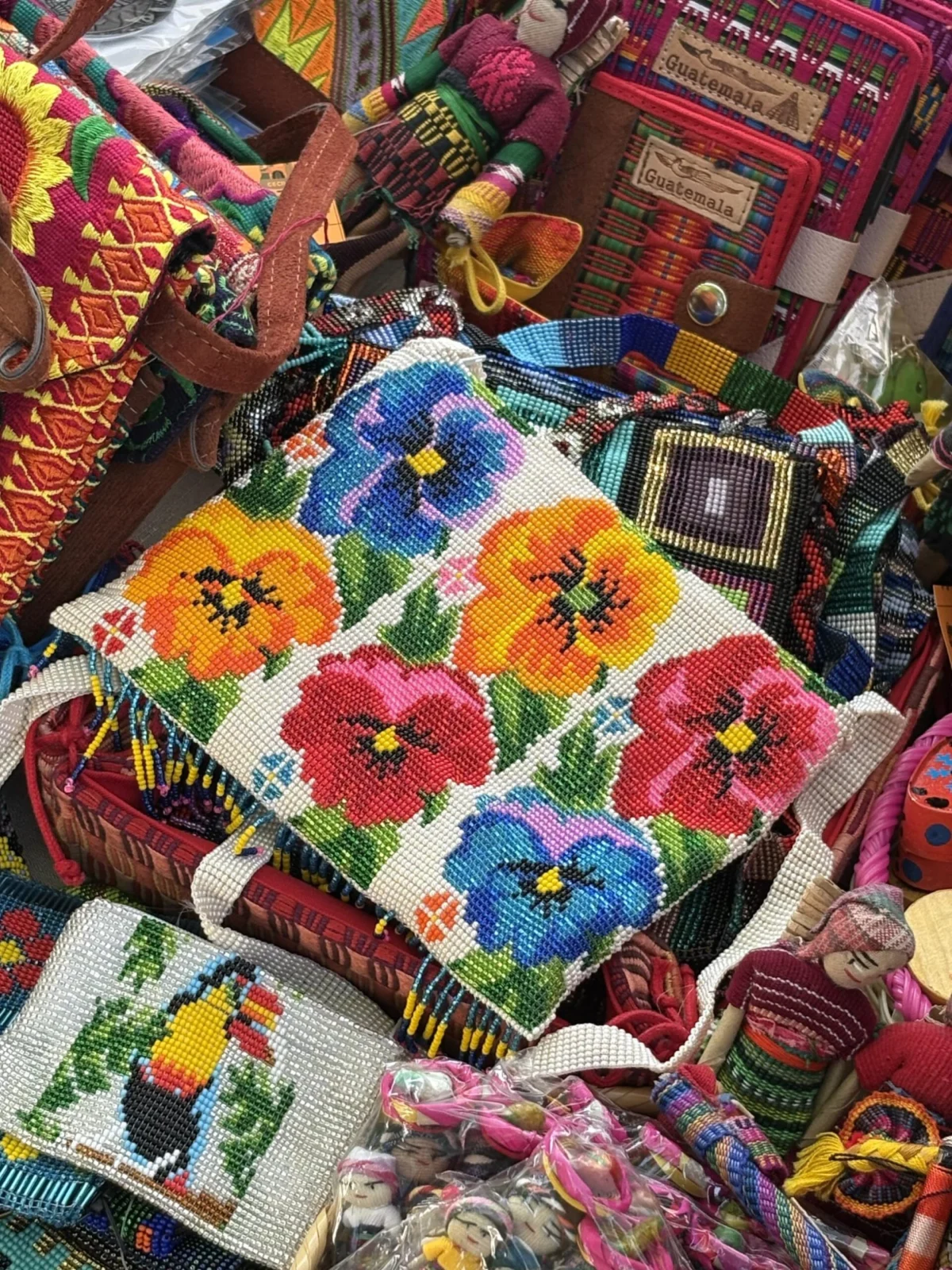
The global marketplace has long maintained a lucrative fascination with Indigenous design motifs, patterns, and cultural aesthetics. From geometric prints on fast-fashion garments to mass-produced accessories sold in mainstream retail chains, elements of Indigenous cultures are frequently mined for commercial gain. However, this widespread commodification often occurs without the consent, knowledge, or financial benefit of the communities from which the designs originate. As conversations surrounding intellectual property and ethical consumption evolve globally, cultural advocates, Indigenous business owners, and human rights organizations are increasingly drawing a distinct line between cultural appropriation and respectful cultural appreciation. This economic and ethical paradigm shift requires consumers to move beyond passive consumption and toward active reciprocity, ensuring that traditional knowledge is preserved and that Indigenous creators retain sovereignty over their cultural heritage.
Historical Context and the Roots of Cultural Extractivism
To understand the modern dynamics of cultural appropriation, it is necessary to examine the historical relationship between dominant market economies and Indigenous Nations worldwide. For centuries, Indigenous communities have experienced systemic erasure, genocidal policies, forced assimilation, and legislation that systematically criminalized their languages, religious practices, and traditional attire. During eras of forced assimilation, governments and dominant social institutions actively sought to eradicate Indigenous identities, punishing individuals for expressing their cultural traditions.
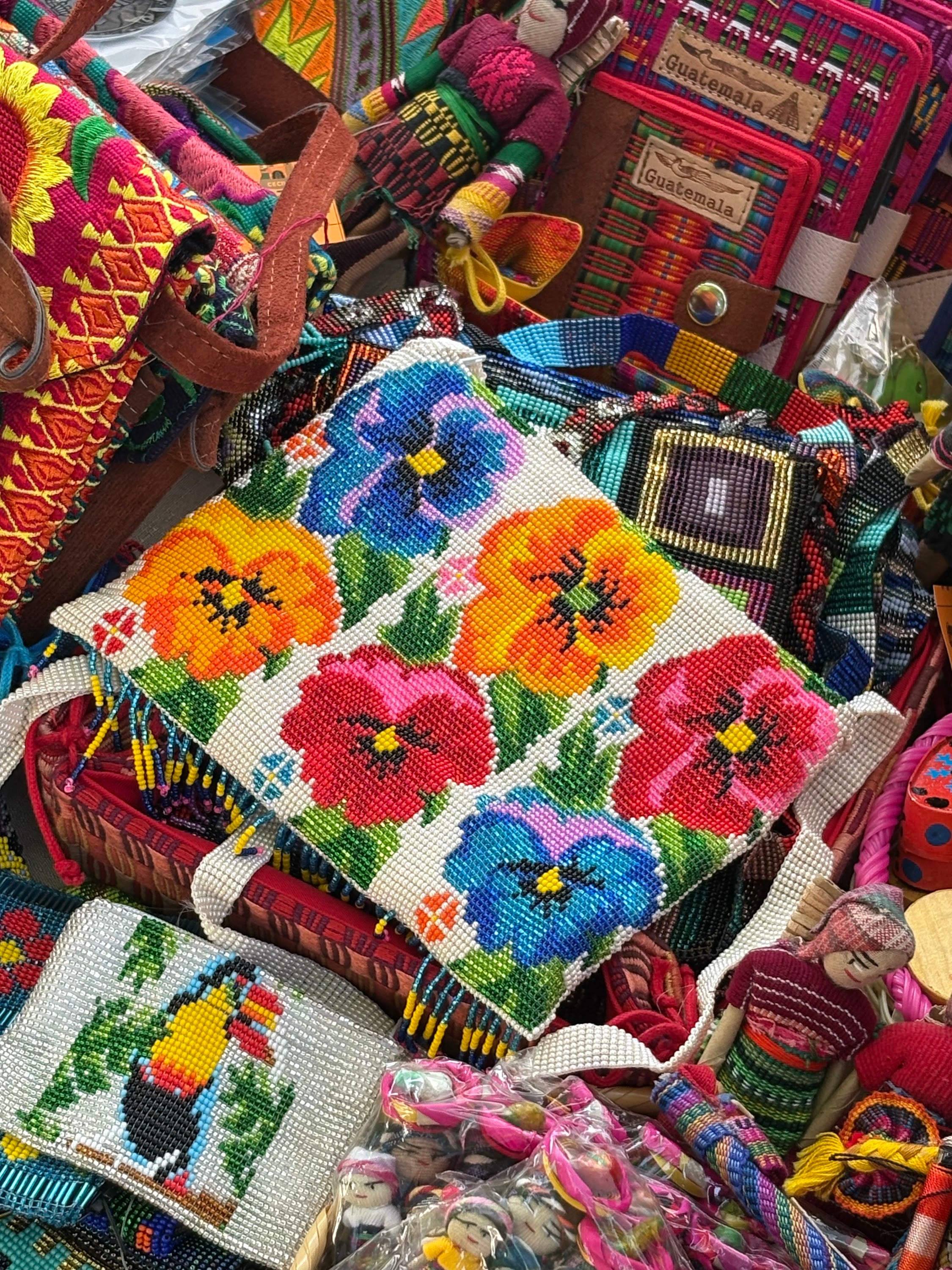
Today, the paradox of cultural extractivism is that while the distinct markers of these very cultures—such as sacred symbols, traditional clothing, and spiritual practices—are often criminalized or marginalized in their authentic forms, they are simultaneously commercialized by non-Indigenous entities for profit. When corporations mass-produce items like dreamcatchers, tribal-print blankets, or sacred medicinal plants without contextual understanding or community consent, they reduce sovereign nations to flat, romanticized caricatures. This commercialization overlooks historical traumas and undercuts contemporary Indigenous artisans who rely on traditional craftsmanship for their livelihoods.
Defining the Boundary: Appropriation Versus Appreciation
Navigating the global marketplace responsibly requires a foundational understanding of the differences between cultural appropriation and cultural appreciation. Cultural appropriation is defined as the unauthorized or unapproved commodification, acquisition, and misuse of cultural elements by members of a different, typically dominant, cultural group. Given deep-seated historical power imbalances, these exchanges frequently result in the exploitation of vulnerable communities, stripping cultural items of their context and depriving creators of financial compensation.
Conversely, cultural appreciation involves interacting with cultural elements through mutual respect, permission, and education. A clear illustration of this distinction lies in the acquisition of traditional goods, such as moccasins. Purchasing a mass-produced pair from a non-Native retailer that lacks ties to the culture constitutes appropriation; the design has been taken without authorization, and the revenue circulates entirely outside the Indigenous community. On the other hand, purchasing directly from an Indigenous artisan engages appreciation and economic reciprocity. Contemporary Indigenous creators operate within community-defined boundaries, ensuring that sacred or restricted items remain protected from public sale while offering accessible works as invitations for cross-cultural learning.
Economic Reciprocity and the Rise of Ethical Consumerism
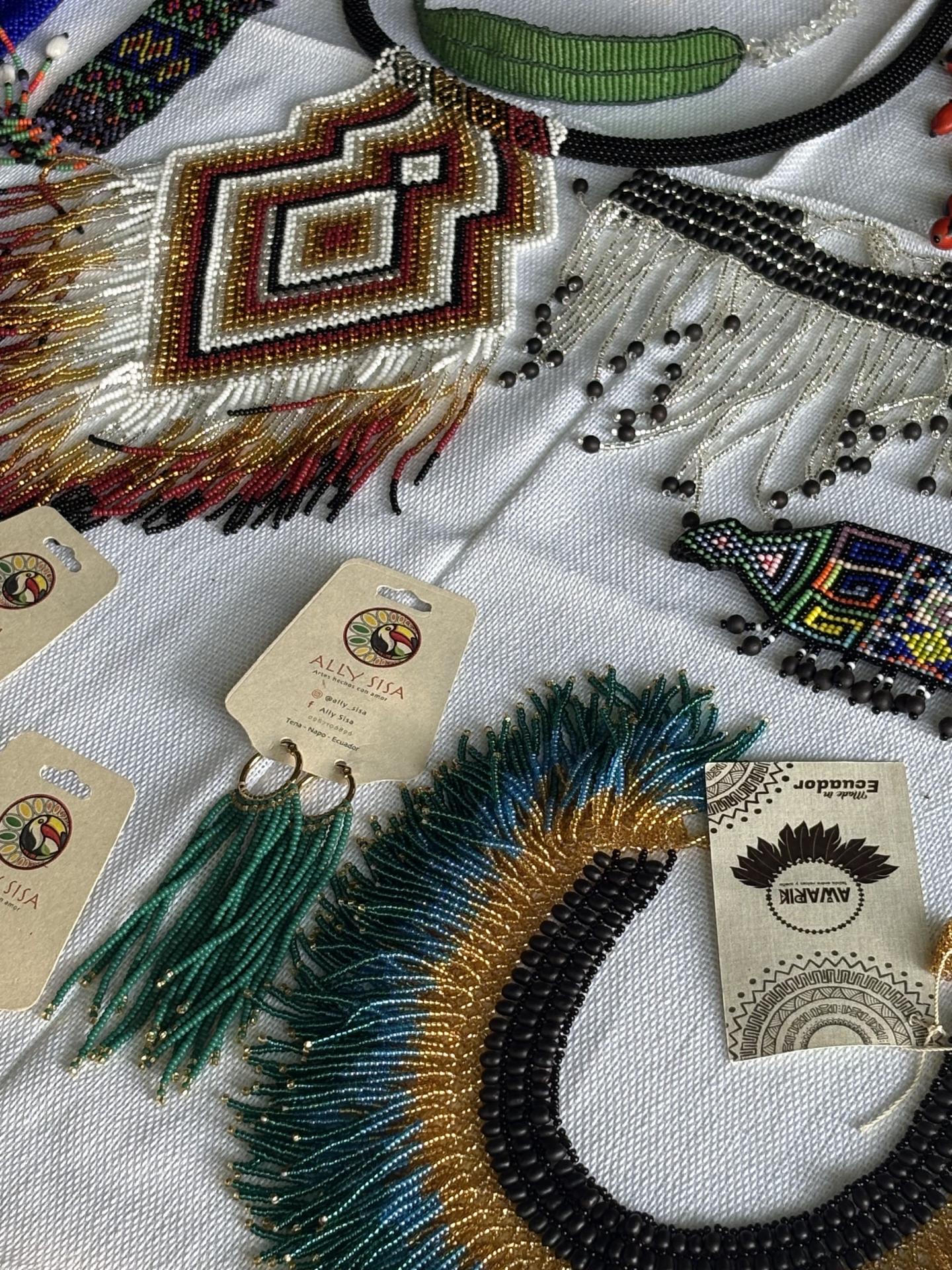
Shifting from passive consumption to economic reciprocity transforms the act of purchasing into a mechanism for community support and human rights advocacy. When consumers buy directly from Indigenous artists, their financial investment supports the artisan, their family, and the broader community. Furthermore, respecting Indigenous cultural intellectual property allows the consumer to act as a custodian of the item’s history, celebrating a living tradition rather than reinforcing predatory knock-offs or reductive stereotypes.
This ethical mindset has catalyzed broader commercial movements within the retail and art sectors. A prominent example is the Seattle-based art and lifestyle brand Eighth Generation, owned by the Snoqualmie Tribal Nation. The company popularized the guiding principle: Shop "Inspired Natives" NOT "Native-Inspired." This framework empowers consumers to seek out authentic creators rather than corporate imitations that dilute cultural integrity.
Key Principles of Culturally Responsible Consumption
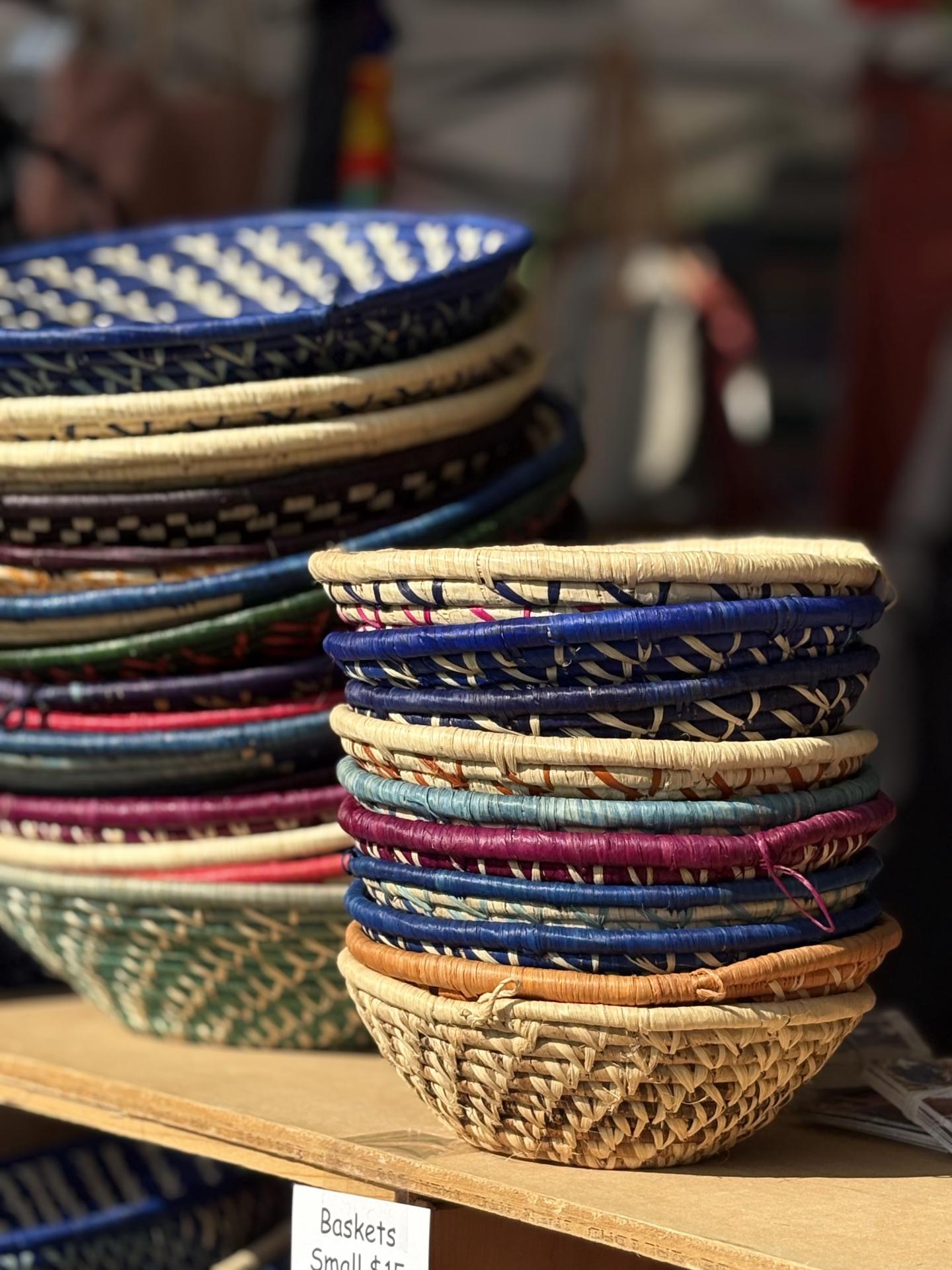
Achieving genuine cultural appreciation requires adherence to specific ethical standards designed to protect Indigenous sovereignty and heritage:
- Context and Education: Responsible consumers take the time to research the background of the art form, the materials utilized, and the history of the artist. Understanding the cultural context transforms a consumer good into a meaningful bridge of cross-cultural connection.
- Respect for Boundaries: Certain elements of Indigenous cultures are strictly restricted from commercial use, including sacred vocabulary, ceremonial designs, and specific medicinal plants. The mass production and sale of items such as sage smudge kits by non-Indigenous wellness brands illustrate a disregard for these sacred boundaries.
- Direct Investment: Prioritizing direct-to-consumer purchases from verified Indigenous artists ensures that economic benefits remain within the community, fostering sustainable economic independence.
Official Responses and Institutional Initiatives
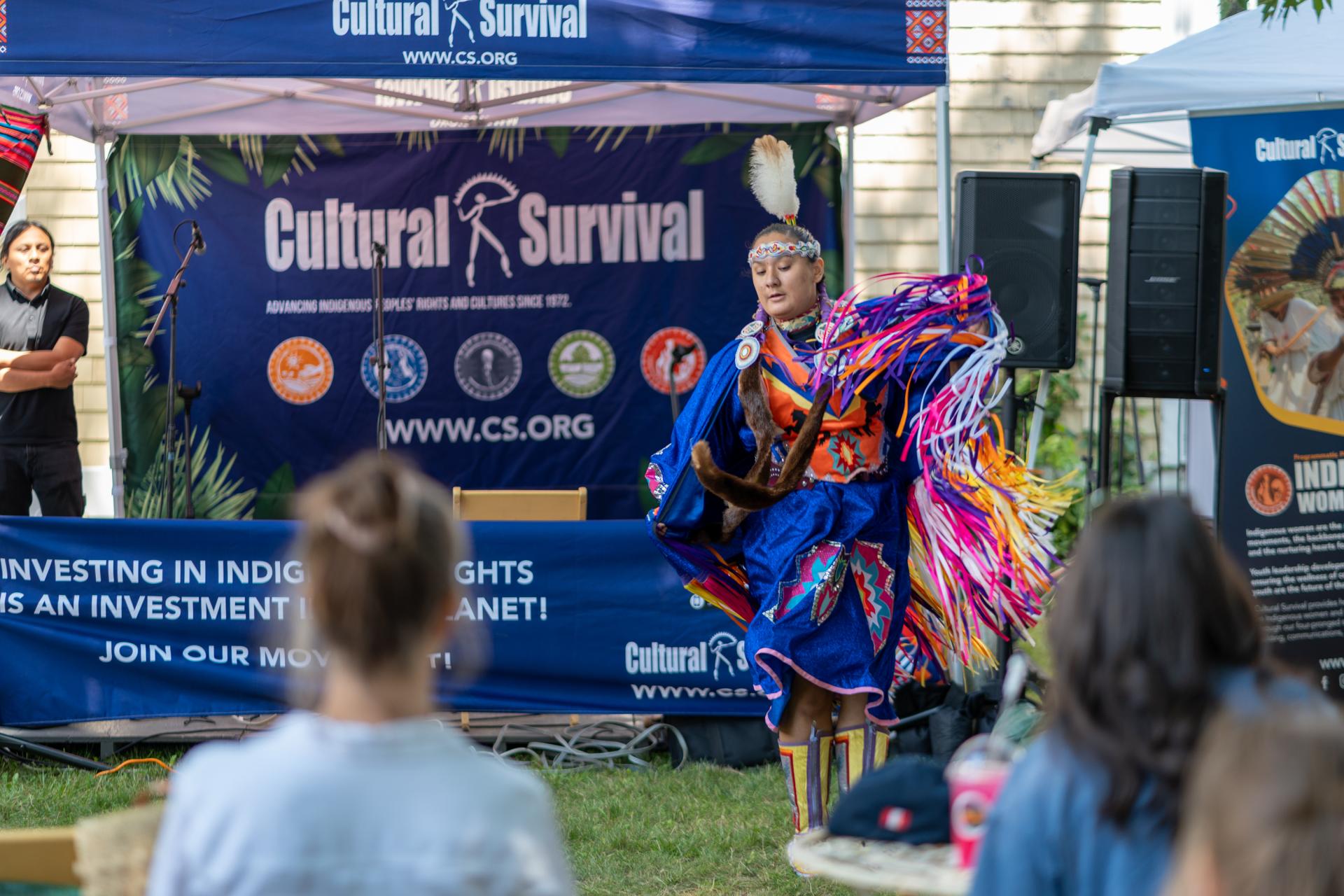
In response to widespread cultural extractivism, Indigenous organizations, tribal governments, and cultural institutions have implemented proactive initiatives to reclaim economic control and educate the public. Organizations such as Cultural Survival have long championed the rights of Indigenous peoples globally, providing direct platforms for artisans to showcase and sell their work on their own terms.
Annual events, such as the Cultural Survival Bazaars, serve as vital physical and economic marketplaces where the public can engage directly with Indigenous creators from around the world. By bypassing corporate intermediaries, these initiatives ensure that 100 percent of the economic benefits go directly to the artists and their home communities. Cultural representatives emphasize that these platforms are not merely commercial spaces, but educational environments designed to foster mutual respect, dismantle stereotypes, and highlight the dynamic, innovative nature of contemporary Indigenous cultures.
Broader Impact and Socioeconomic Implications
The transition from cultural appropriation to active appreciation carries profound implications for global commerce, intellectual property law, and social justice. As consumers become more discerning, businesses face mounting reputational and ethical pressures to abandon exploitative design practices. Failing to respect Indigenous intellectual property increasingly results in public criticism and a loss of consumer trust, signaling a shifting cultural tolerance for intellectual theft.
Moreover, supporting Indigenous sovereignty through conscious consumerism contributes to the preservation of endangered languages, traditional ecological knowledge, and ancestral craft techniques. When youth in Indigenous communities see their cultures respected, valued, and economically viable, it reinforces cultural continuity and resilience against historical trauma.
Ultimately, deconstructing centuries of cultural extractivism requires intentional, sustained effort from consumers, policymakers, and corporate entities alike. Indigenous traditions are not static historical relics intended for corporate exploitation; they are living, breathing expressions of resilience and self-determination. By educating themselves on cultural protocols, rejecting harmful caricatures, and directing financial resources into Indigenous hands, consumers can play an active role in safeguarding cultural rights and promoting global social justice for generations to come.