
Across the globe, Indigenous youth are increasingly recognized as vital catalysts for sustainable development, seamlessly merging ancestral wisdom with modern socio-economic and environmental strategies. Through the backing of the Cultural Survival Indigenous Youth Fellowship, young leaders like Louivenzia Komases of the Nama community in Namibia and Mommon Makko of the Maasai community in Tanzania are translating this vision into tangible reality. By tackling intersecting crises—ranging from historical trauma and land displacement in southern Africa to severe desertification and climate vulnerability in East Africa—these leaders are pioneering grassroots models that promote self-determination, ecological restoration, and economic self-sufficiency.
Main Facts of the Fellowship Initiatives
The Cultural Survival Indigenous Youth Fellowship program is designed to empower young Indigenous change-makers by providing financial resources, mentorship, and institutional support. In its recent cycle, the fellowship has directly funded projects that address the specific, localized vulnerabilities of marginalized Indigenous populations.
In Namibia, Louivenzia Komases spearheaded the project titled “Indigenous Economies for Resilient Futures: Youth Training in Social Entrepreneurship and Sustainable Livelihoods.” Implemented in !Namiǂnûs (Lüderitz), the initiative targeted 20 Indigenous Nama youth from diverse clans. The core objective was to revitalize Indigenous economies as a practical mechanism to combat high unemployment, combat the legacy of historical marginalization, and foster cultural preservation.
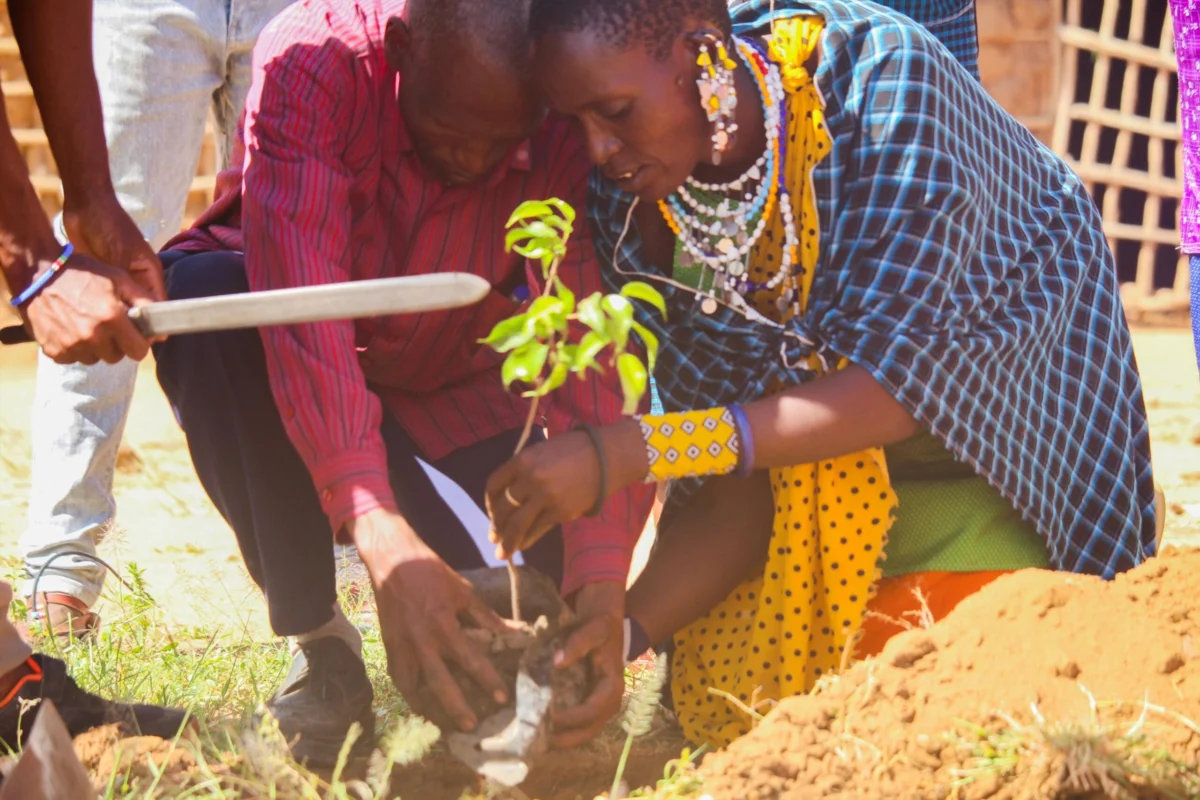
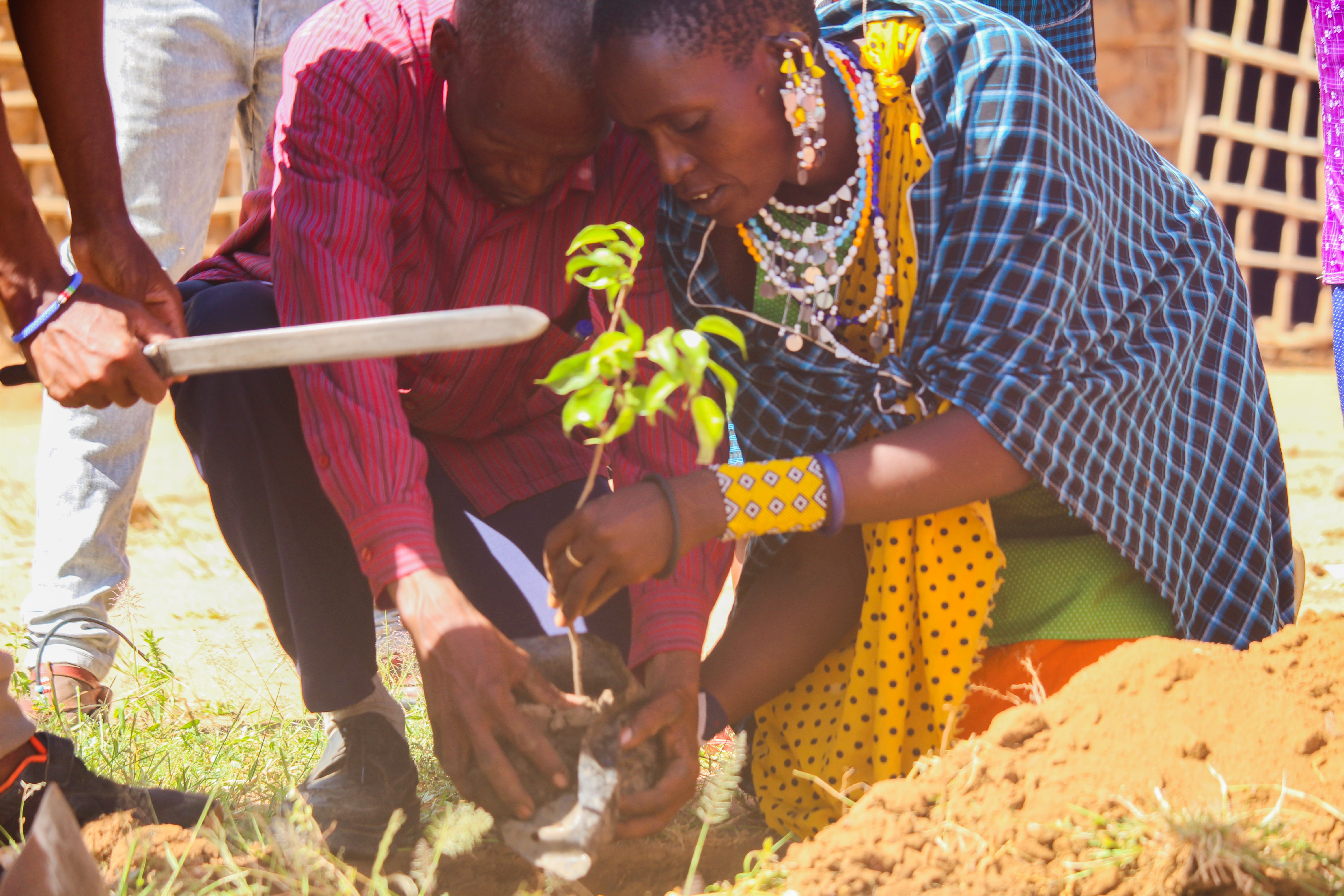
Simultaneously, in Northern Tanzania, Mommon Makko—serving as project coordinator for the Nyangulo Environmental Conservation Alliance (NECA)—led the “Turning Drylands into Green Hope” initiative within Malambo Ward. Focusing on dryland agriculture and rangeland restoration, Makko’s project addressed acute desertification and climate change pressures through community-driven environmental management, native tree planting, and women-led beekeeping enterprises.
Historical Chronology and Background Context
To fully understand the weight and necessity of Komases’s work in Namibia, one must examine the profound historical context of the region. Between 1904 and 1908, the German colonial empire perpetrated the Nama and Ovaherero Genocide, systematically decimating the Indigenous populations and dispossessing them of their ancestral lands. This trauma was subsequently compounded by decades of South African apartheid-era marginalization, which institutionalized economic disenfranchisement and geographical displacement.
The repercussions of this history persist today. Contemporary Nama youth frequently face an intersecting web of challenges: chronic unemployment, limited access to higher education, loss of ancestral territory, and a widening generational gap regarding traditional knowledge systems. Komases’s project was strategically scheduled to coincide with the Nama Traditional Leaders Association (NTLA) Annual Genocide Remembrance Week in April 2026. By anchoring the entrepreneurial training within this period of collective mourning and remembrance, the initiative deliberately framed economic self-determination as an act of historical healing and cultural reclamation.
In East Africa, the chronological timeline of environmental degradation in Northern Tanzania’s drylands has accelerated significantly over the past two decades. Driven by shifting weather patterns, prolonged droughts, and overgrazing, pastoralist Maasai communities have experienced severe rangeland degradation. The loss of vegetative cover has disrupted traditional livestock rearing—the cornerstone of the Maasai economy—making proactive ecological intervention an urgent necessity for survival.
Structural Methodology and Project Implementation
Both fellowship projects utilized structured, multi-phase methodologies tailored to the specific needs of their respective communities.
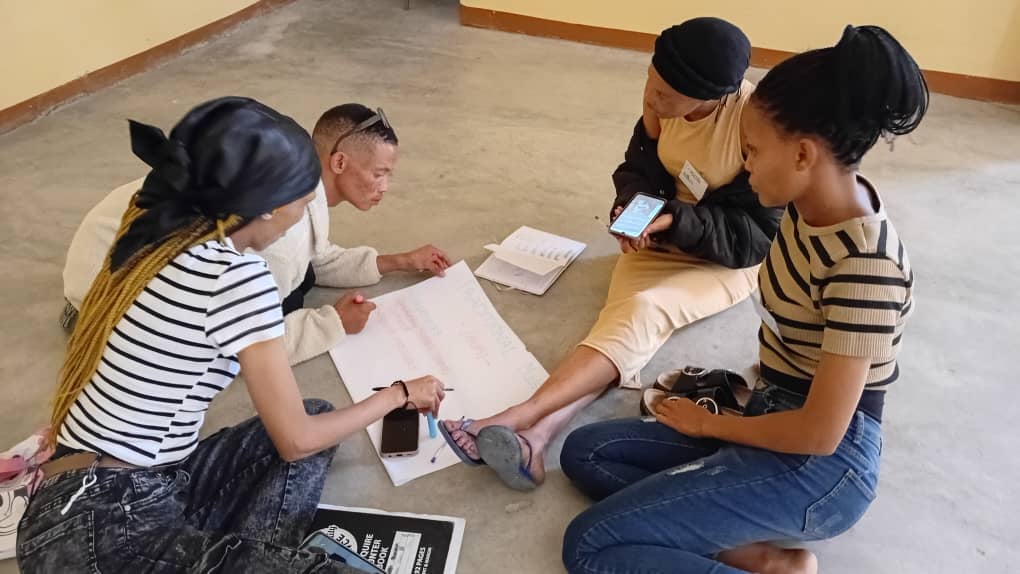
Komases’s training program in Namibia unfolded in two distinct phases. Initially, participants engaged in rigorous academic and practical explorations of Indigenous economies, ethical stewardship of resources, and the defense of Indigenous intellectual property. The second phase shifted toward applied enterprise development. Utilizing an adapted Indigenous Business Model Canvas, participants received targeted instruction in financial management, market analysis, and narrative storytelling.
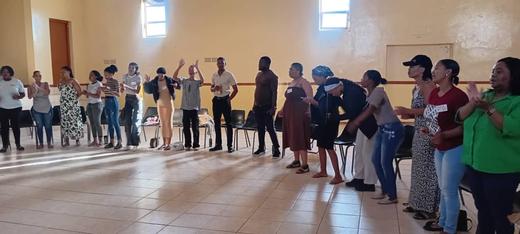
A central highlight of the training was the introduction of the Indigenous Knowledge Pitch Deck (IKP-Deck). Through this platform, 10 youth entrepreneurs presented business concepts deeply rooted in cultural preservation and sustainable development. Proposed ventures ranged from ethical cultural tourism and the commercialization of traditional Nama cuisine and herbal teas to contemporary jewelry design and the establishment of cultural villages. Furthermore, the project extended into active civic participation by aligning with the “Hands Off Shark Island” campaign, which fiercely opposes port expansion at the site of a former concentration camp used during the genocide, thereby linking economic resilience with the defense of sacred historical sites.
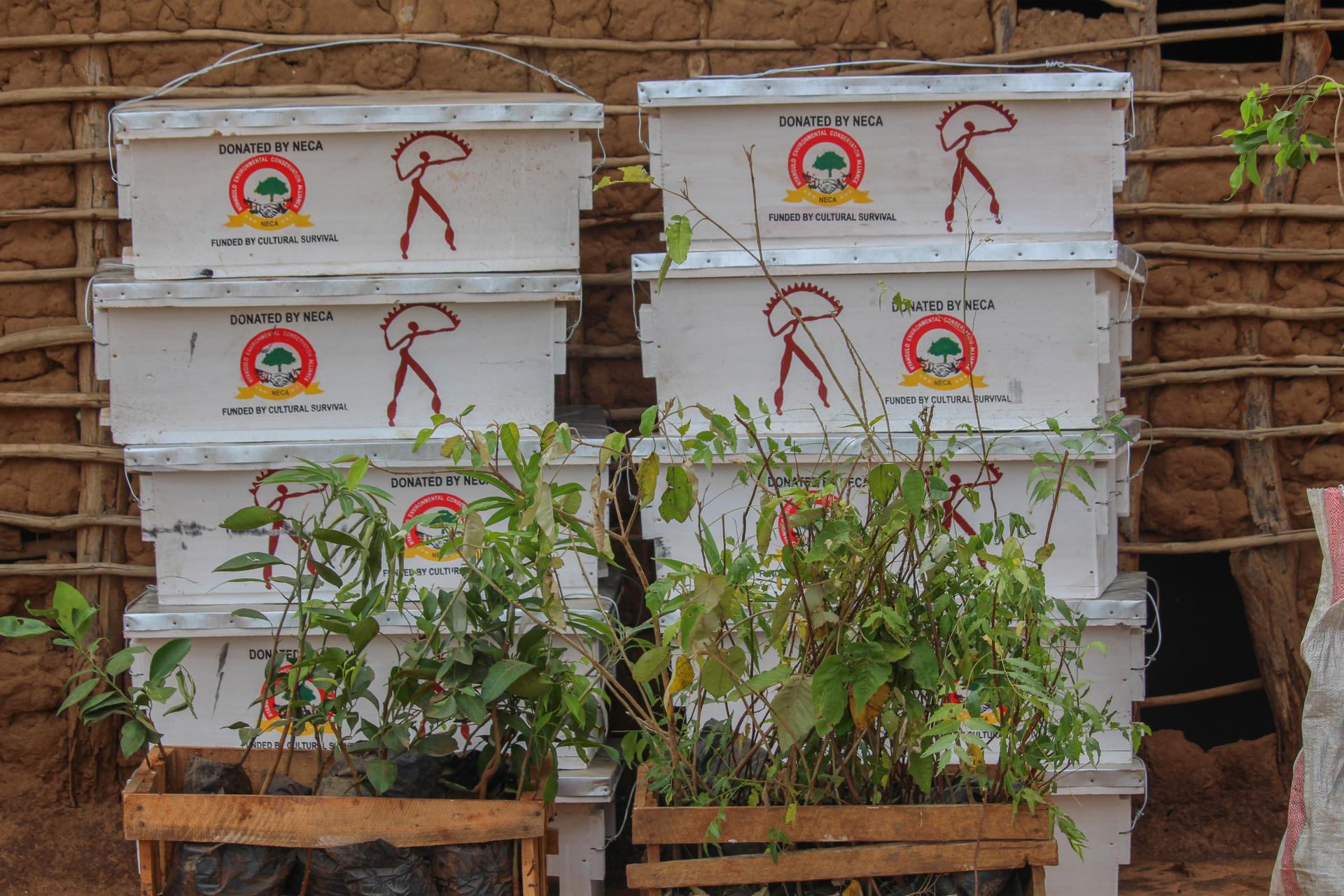
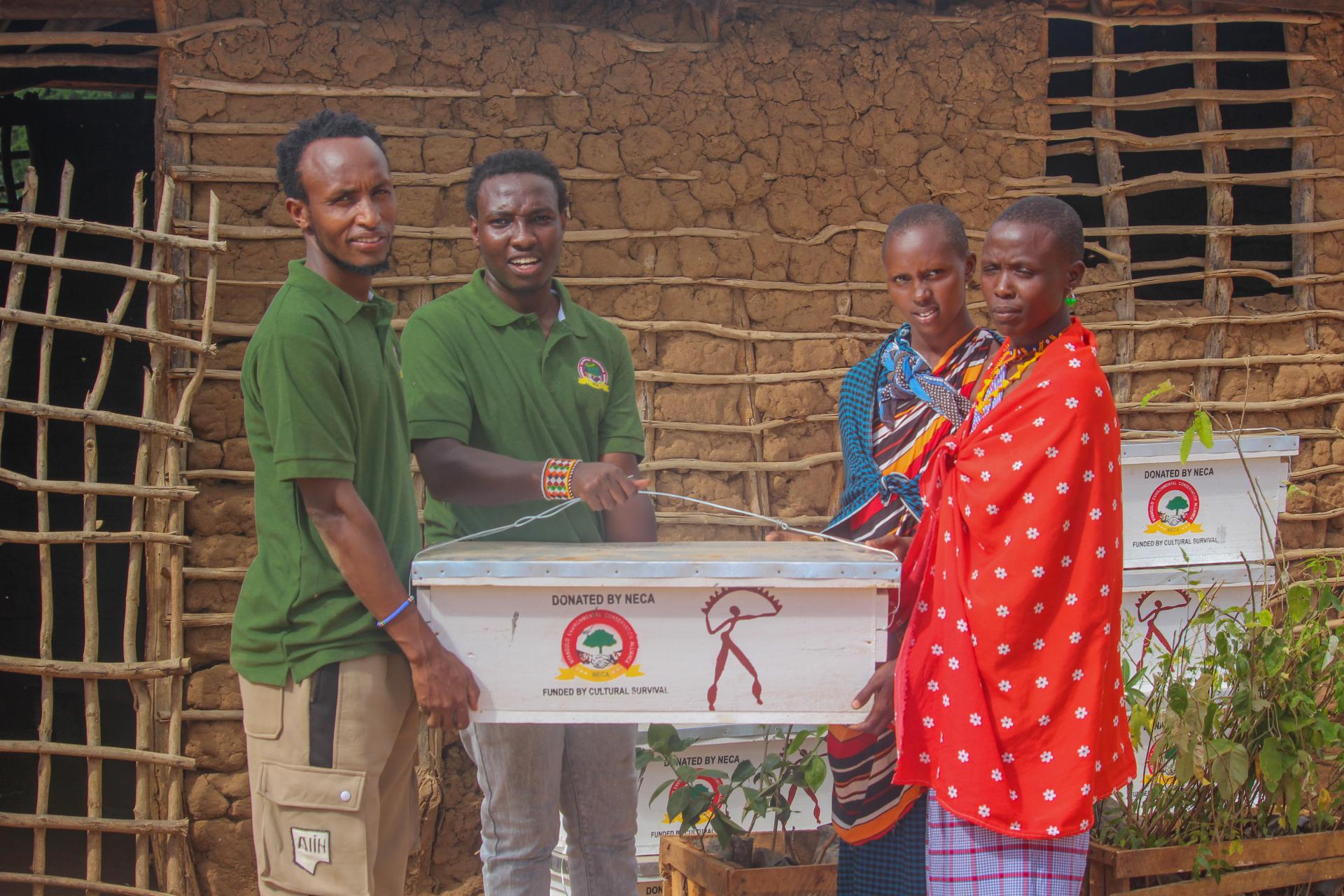
In Tanzania, Makko’s initiative tackled environmental degradation through a similarly comprehensive framework. Working alongside community consensus, participants selected severely degraded sites and planted 200 indigenous tree species specifically adapted to semi-arid conditions. These biological interventions were paired with the distribution of 10 modern beehives to the Enyuata Women Group, accompanied by intensive technical training for 45 community members in apiculture management, pest control, and quality-controlled honey harvesting.
Supporting Data and Demographic Demographics
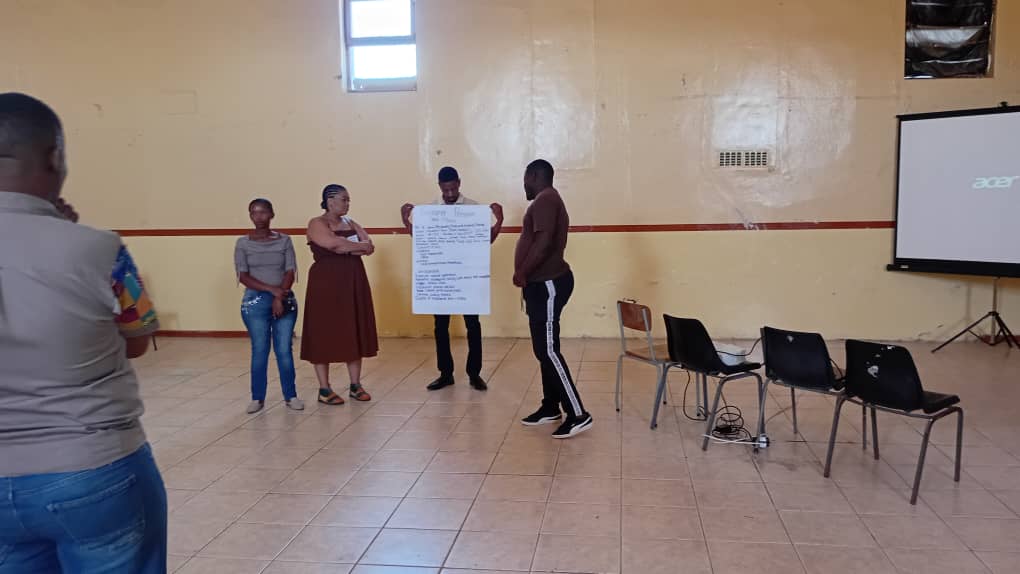
The execution of these projects required navigating complex logistical and demographic realities. In Namibia, participants were drawn from remote, highly dispersed rural Nama communities, necessitating long-distance travel and significant resource allocation. Notably, the inclusion of young mothers underscored a progressive approach to project design, requiring organizers to accommodate caregiving responsibilities to ensure equitable participation. Despite funding constraints that limited the total number of trainees, the high demand highlighted the acute appetite for economic empowerment among Nama youth.
In Tanzania, the demographic focus heavily emphasized gender equity and inclusive governance. The integration of the Enyuata Women Group into the apiculture training addressed the gendered dynamics of rural economies, providing women with independent income streams. To ensure long-term viability, the project established Climate Action Plans Committees (CAPs). These committees aggregate local leaders, women, youth, and traditional pastoralists into a unified governing body tasked with monitoring tree survival rates, regulating grazing patterns, and resolving potential land-use conflicts.
Official Responses and Stakeholder Perspectives
The leaders and institutional partners behind these initiatives have emphasized the profound structural importance of community-led development models supported by external philanthropic grants.
Reflecting on the completion of her fellowship phase, Louivenzia Komases remarked, “With gratitude to Cultural Survival and the Nama Traditional Leaders Association, this project has laid the foundation for Indigenous youth entrepreneurship, cultural preservation, and community resilience. Indigenous economies offer pathways to livelihoods, healing, dignity restoration, and self-determination.” Her sentiments underscore the philosophy that economic initiatives in post-genocide and marginalized societies cannot be separated from cultural identity and historical truth.
Similarly, Mommon Makko highlighted the systemic value of integrated environmental interventions. “The support from Cultural Survival has been instrumental in enabling these outcomes,” Makko stated. “Continued investment in such integrated approaches will be essential for scaling restoration efforts, enhancing community resilience, and ensuring long-term environmental sustainability in Malambo Ward and beyond.”
Fact-Based Analysis of Implications and Broader Impact
A rigorous evaluation of these two fellowship projects reveals several broader implications for international development, conservation, and Indigenous rights advocacy.
First, the integration of traditional ecological knowledge (TEK) with modern business and conservation frameworks proves that Indigenous communities do not have to choose between ecological preservation and economic viability. In Tanzania, the pairing of tree planting with commercial beekeeping creates a direct economic incentive for environmental stewardship. When healthy rangelands yield high-quality honey, local populations gain a vested financial interest in protecting the restored ecosystem from overgrazing and desertification.
Second, the projects demonstrate the critical importance of localized, bottom-up governance structures. By establishing Climate Action Plans Committees in Tanzania and utilizing the IKP-Deck in Namibia, both leaders fostered environments where community members—particularly women and youth—transition from passive beneficiaries to active decision-makers. This shift enhances project longevity and builds indigenous institutional capacity, ensuring that the benefits of the fellowships will endure long after the grant cycles conclude.
Finally, Komases’s work in Namibia establishes a vital precedent for addressing historical trauma through socioeconomic empowerment. By directly linking the revitalization of Nama economies to the commemoration of the 1904–1908 genocide, the initiative offers a replicable model for restorative justice. It suggests that material self-sufficiency and the reclamation of cultural intellectual property are potent tools for psychological and communal healing.
As these young leaders continue to mentor their peers and expand their respective enterprises, their work serves as a compelling testament to the ingenuity of Indigenous youth. By grounding modern innovation in ancestral heritage, Komases and Makko are successfully scripting a resilient blueprint for sustainable development across the African continent and inspiring Indigenous communities worldwide.




