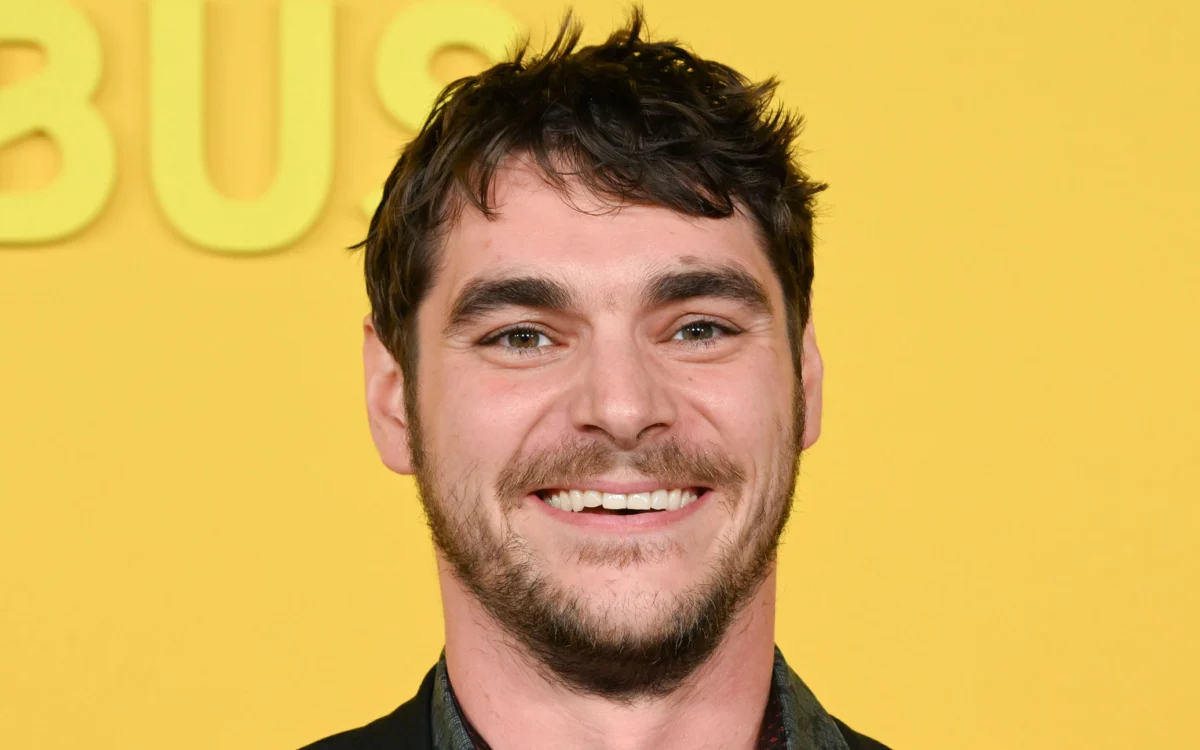
RJ Mitte, the breakout actor internationally recognized for his deeply moving portrayal of Walter “Flynn” White Jr. on the critically acclaimed AMC television phenomenon Breaking Bad, has died at the age of 34. Mitte passed away on Monday in Brownsville, Texas. While his representatives initially withheld the immediate circumstances surrounding his death, subsequent reports confirmed that the beloved actor died by suicide.
The unexpected loss of Mitte has sent shockwaves through Hollywood, the television community, and the broader disability advocacy space. Best known for playing the moral compass of one of television’s most ethically ambiguous dramas, Mitte spent much of his life outside of acting championing the rights, visibility, and inclusion of individuals with physical disabilities. His death marks a profound loss not only for the entertainment industry, which has steadily grown in its push for authentic representation, but also for countless fans who saw him as a beacon of resilience, authenticity, and strength.
A Defining Role as the Moral Center of Breaking Bad
Premiering in 2008 and spanning five critically lauded seasons, Breaking Bad remains one of the most culturally significant television series of the 21st century. Created by Vince Gilligan, the show charted the dark, tragic transformation of high school chemistry teacher Walter White (played by Bryan Cranston) into a ruthless methamphetamine kingpin operating under the alias Heisenberg.
Amidst the spiraling violence, moral decay, and psychological manipulation that defined the series, Walter “Flynn” White Jr. stood as the emotional core of the show. Like the character he portrayed, Mitte lived with cerebral palsy, a neurological condition that affects muscle tone, movement, and motor skills. Rather than casting an able-bodied actor utilizing simulated traits, the production team made the progressive choice to cast Mitte, who brought authentic lived experience to the screen.
Flynn was written not merely as a narrative device or a victim of his father’s illicit enterprise, but as an upstanding, decent young man with a fierce sense of personal integrity. As Walter’s criminal empire expanded and the domestic facade crumbled, Flynn remained steadfastly devoted to his family’s traditional values. The emotional pinnacle of his character arc arrived when Flynn finally discovered the horrifying truth about his father’s dual life as a drug lord. His onscreen devastation—marked by visceral grief, profound betrayal, and shattered trust—provided some of the most heart-wrenching dramatic moments in television history, cementing Mitte’s status as a formidable acting talent.
From Humble Beginnings to Hollywood Icon: A Journey of Discovery
The trajectory of Mitte’s entry into the entertainment industry is a story of serendipity paired with relentless dedication. Born in Jackson, Mississippi, on August 21, 1991, Mitte faced physical challenges early in life due to cerebral palsy. To manage the condition and mitigate its effects, he maintained a rigorous daily regimen of physical therapy, exercise, and speech training throughout his youth.
In the early 2000s, Mitte’s family relocated to Houston, Texas. A chance encounter at a local water park altered the course of his life forever when a talent scout spotted his sister. That initial meeting catalyzed a cross-country journey to Los Angeles, California, after representatives recognized potential in both siblings.
Once established in Southern Hollywood, a young Mitte began taking formal acting classes while navigating the competitive landscape of television casting. In a 2008 retrospective interview with The Times, Mitte and his relatives recounted the steep learning curve required to break into the industry. However, the turning point arrived when casting directors for a dark new pilot on AMC began searching for an actor with cerebral palsy to play the teenage son of the protagonist. For Mitte, the audition process was the beginning of a dream that would ultimately launch a global career.
Reflecting on his big break years later during a 2015 campus lecture at Southern Illinois University, Mitte was candid about the intersection of his disability and his professional opportunities. He openly acknowledged that without the platform provided by Breaking Bad, his acting career likely would not have materialized in the same capacity. Furthermore, he recognized that his specific diagnosis was the catalyst that opened the door, serving as a rare instance where authentic representation intersected with mainstream commercial success.
Championing Disability Rights and Representation Beyond the Screen
While Breaking Bad offered Mitte global recognition, his ambitions extended far beyond the soundstage. He viewed his platform as a vital instrument for social change, dedicating a significant portion of his life to advocacy, philanthropy, and public speaking.
Mitte served as a prominent ambassador for several high-profile charitable organizations, including United Cerebral Palsy and Shriners Children’s. Additionally, he took on leadership roles within the philanthropic sector, acting as president of the Mitte Foundation, an organization dedicated to supporting community initiatives and developmental programs.
Throughout his public life, Mitte was a vocal critic of how mainstream media traditionally framed individuals with physical differences. In various interviews and public appearances, he consistently challenged the prevailing cultural narratives surrounding disability.
“Hollywood has portrayed disabilities as a weakness — as something you have to overcome or that you are a victim,” Mitte stated passionately during a 2015 interview. “To me, it’s the complete opposite. To me, a disability is a personal challenge to grow and evolve. I have much bigger plans for my life. I want to keep working, pushing forward and keep creating something that I am very passionate about. The biggest goal in life is to keep your passion, and if you don’t, you lose out.”
His representatives echoed these sentiments in an official statement released following his passing: “It is with profound sadness that we share the tragic passing of beloved actor, philanthropist, and passionate disability rights advocate RJ Mitte. Drawing from his own experience living with cerebral palsy, Mitte brought authenticity to the role and built a platform on disability awareness and inclusion.”
A Diverse Film and Television Career
Following the conclusion of Breaking Bad in 2013, Mitte actively sought out diverse projects that challenged typecasting and allowed him to showcase his range as a dramatic actor.
He secured recurring and guest roles across various television networks and streaming platforms. Notably, he appeared in the ABC Family (now Freeform) critically acclaimed drama series Switched at Birth, a show lauded for its exploration of the deaf and hard-of-hearing community, thereby continuing his professional alignment with inclusive storytelling. He later expanded into sci-fi and superhero satire genres through his work in the Netflix series The Guardians of Justice.
At the time of his passing, Mitte was actively engaged in the promotional circuit for his latest cinematic project, the independent drama Talking to Strangers. According to promotional press materials, the film featured Mitte in a nuanced lead performance as a “rigid loner with cerebral palsy and a vibrant force of nature who forms an unlikely friendship with an attractive woman over lunch.” The premise of the narrative took a poignant and dramatic turn when the female lead confides in him regarding her intentions to end her own life—a thematic weight that has added a deeply tragic resonance to the film’s release following Mitte’s actual passing.
Cultural Implications and the Ongoing Evolution of Onscreen Inclusion
Mitte’s career coincided with a critical era of transition within the entertainment industry. For decades, actors with disabilities faced systemic marginalization, frequently being passed over for roles depicting characters with physical or cognitive differences in favor of able-bodied performers using prosthetics, makeup, or simulated mannerisms.
When Breaking Bad cast Mitte in 2008, it broke established Hollywood conventions by allowing an artist with a visible disability to play a multi-dimensional, complex character whose medical condition was merely a facet of his life rather than his singular defining attribute. Mitte frequently credited the series with acting as a vital spearhead for industry-wide evolution.
“I think the acting industry has evolved, and Breaking Bad was a big spearhead for that,” he noted during his later years of public speaking.
Industry analysts and advocacy groups have noted that Mitte’s cultural footprint helped pave the way for a new generation of performers with disabilities to demand authentic casting across major network and streaming platforms. By refusing to accept tokenizing roles and demanding that his characters possess emotional depth, agency, and psychological complexity, Mitte elevated the baseline for representation in modern media.
Tributes, Grief, and Support Resources
As news of Mitte’s passing spread across social media and mainstream news outlets, former castmates, crew members, and fans rushed to share tributes, remembering his warmth, professionalism, and infectious enthusiasm during fan conventions and public appearances. Associates routinely recalled an actor who approached every interaction with genuine gratitude for the opportunities afforded to him by his breakout television role.
The sudden and tragic nature of his passing has also reignited vital public conversations surrounding mental health, the psychological pressures faced by public figures, and the unique challenges experienced by individuals navigating chronic conditions or societal marginalization.
If you or someone you know is struggling or in crisis, help is available. In the United States, you can call or text 988 or chat at 988lifeline.org to reach the 988 Suicide and Crisis Lifeline. International resources and local helplines can also provide immediate, confidential support for individuals in distress.
The legacy of RJ Mitte will endure not only through the timeless episodes of television history he helped create, but through the enduring structural changes he championed for performers with disabilities. He leaves behind an indelible mark on American culture—one defined by authenticity, relentless personal drive, and an unwavering commitment to proving that physical differences are never a barrier to achieving greatness.