The Equality Trust has officially inaugurated its Community Economist project, a landmark initiative designed to bridge the widening gap between complex macroeconomic theories and the lived experiences of citizens across the United Kingdom. Launched on January 29, 2026, the project represents a significant shift in economic advocacy, moving away from top-down statistical analysis toward a model of "community reporting" that prioritizes the perspectives of those most affected by fiscal policy. By training a cohort of volunteers from diverse geographic and socioeconomic backgrounds—ranging from the urban centers of London to the rural regions of Scotland—the initiative seeks to demystify the economy and reframe it as a tool for social justice rather than an incomprehensible force of nature.
The project arrives at a critical juncture for the British economy. Following years of fluctuating inflation, housing shortages, and a persistent cost-of-living crisis, a significant portion of the population reports feeling alienated from economic discourse. The Community Economist project aims to address this alienation by equipping non-experts with the tools to analyze and articulate how economic structures impact their daily lives. The primary goal is to foster a sense of agency among citizens, promoting the belief that the economy should serve the needs of the community, rather than individuals serving the demands of the market.
The Genesis and Methodology of Community Reporting
The Community Economist project was born from the recognition that traditional economic indicators, such as Gross Domestic Product (GDP) or the Consumer Price Index (CPI), often fail to capture the nuances of human wellbeing and social stability. To counter this, The Equality Trust recruited ten volunteers who, despite lacking formal academic training in economics, possessed significant "lived expertise" in navigating economic inequality. The selection process was highly competitive, reflecting a widespread desire among the public to engage more deeply with the systemic causes of financial hardship.
The selected participants underwent an intensive 12-week training program designed to transform them into "community reporters." This curriculum was not focused on abstract modeling or econometric forecasting; instead, it centered on qualitative research methods, including storytelling, ethical interviewing techniques, and thematic analysis. The training sought to empower these volunteers to collect "unfiltered" narratives from their peers, ensuring that the data gathered was grounded in reality rather than political rhetoric.
Central to the project’s research phase was a single, provocative question: "What would it be like if everyone had what they needed to live a good life, and how would that be different from how things are now?" This inquiry served as the catalyst for over ten hours of recorded interview footage, capturing the voices of residents from across the UK. These interviews were later curated into a comprehensive insight report and a documentary film, providing a human-centric map of the UK’s economic landscape.
Chronology of the Initiative
The development of the Community Economist project followed a structured timeline, beginning in the latter half of 2025 and culminating in the current public launch.
- Recruitment and Selection (September – October 2025): The Equality Trust issued a nationwide call for volunteers. Applications were screened based on the candidates’ personal experiences with inequality and their commitment to community advocacy.
- Training and Skill Development (November 2025 – January 2026): The ten selected economists participated in weekly workshops. These sessions focused on the "democratization of knowledge," teaching participants how to identify systemic economic trends within personal anecdotes.
- Data Collection and Fieldwork (December 2025): Volunteers returned to their local communities to conduct interviews. This period involved deep engagement with diverse groups, including low-income workers, students, and retirees.
- Synthesis and Reporting (January 2026): The Equality Trust’s professional researchers worked alongside the volunteers to analyze the hours of footage, identifying recurring themes such as the "rent trap," the "poverty premium," and the impact of economic stress on mental health.
- Public Launch (January 29, 2026): The release of the insight report and film marked the transition from research to public advocacy.
Economic Context and Supporting Data
The launch of this project is underpinned by sobering data regarding wealth and income distribution in the United Kingdom. According to 2025-2026 projections from various economic think tanks, the gap between the wealthiest 10% and the bottom 50% of households has continued to widen. Data from the Office for National Statistics (ONS) suggests that while headline inflation may have stabilized, the "real-term" cost of essentials—housing, energy, and food—remains disproportionately high for lower-income brackets.
Furthermore, The Equality Trust’s own research highlights that the UK remains one of the most unequal countries among developed economies. The Gini coefficient, a standard measure of income inequality, has shown little improvement over the last decade, hovering at levels that sociologists suggest are detrimental to social cohesion and public health. The Community Economist project seeks to contextualize these statistics by showing the "human face" of the Gini coefficient. For instance, the report highlights how a 2% rise in interest rates translates into specific, identifiable sacrifices for a family in Glasgow or a young professional in London, such as the delay of medical care or the abandonment of educational aspirations.
Key Findings: Housing, Education, and Social Fabric
The insight report produced by the Community Economists identifies several "pain points" where current economic policy fails to meet human needs.
The Housing Crisis as a Barrier to Aspiration:
A recurring theme in the collected narratives is the instability of the private rental sector. Many interviewees described a "survival mode" existence, where the high cost of housing prevents long-term financial planning. The report argues that when a majority of income is diverted to rent, individuals are unable to invest in their own education or start small businesses, thereby stifling local economic growth.
Education and the Skills Gap:
The project found that economic inequality creates a "tiered" educational experience. While formal education is often touted as the "great equalizer," the stories collected reveal that the hidden costs of schooling—transportation, technology, and extracurricular activities—create a barrier that prevents children from lower-income families from achieving their full potential.
The Erosion of Relationships:
Perhaps the most poignant finding of the report is the impact of economic pressure on the social fabric. Participants noted that "time poverty"—the need to work multiple jobs or long hours just to cover basics—leaves little room for community engagement, parenting, or maintaining supportive relationships. This isolation, the report suggests, further exacerbates the mental health crisis currently facing the UK.
Reactions and Strategic Implications
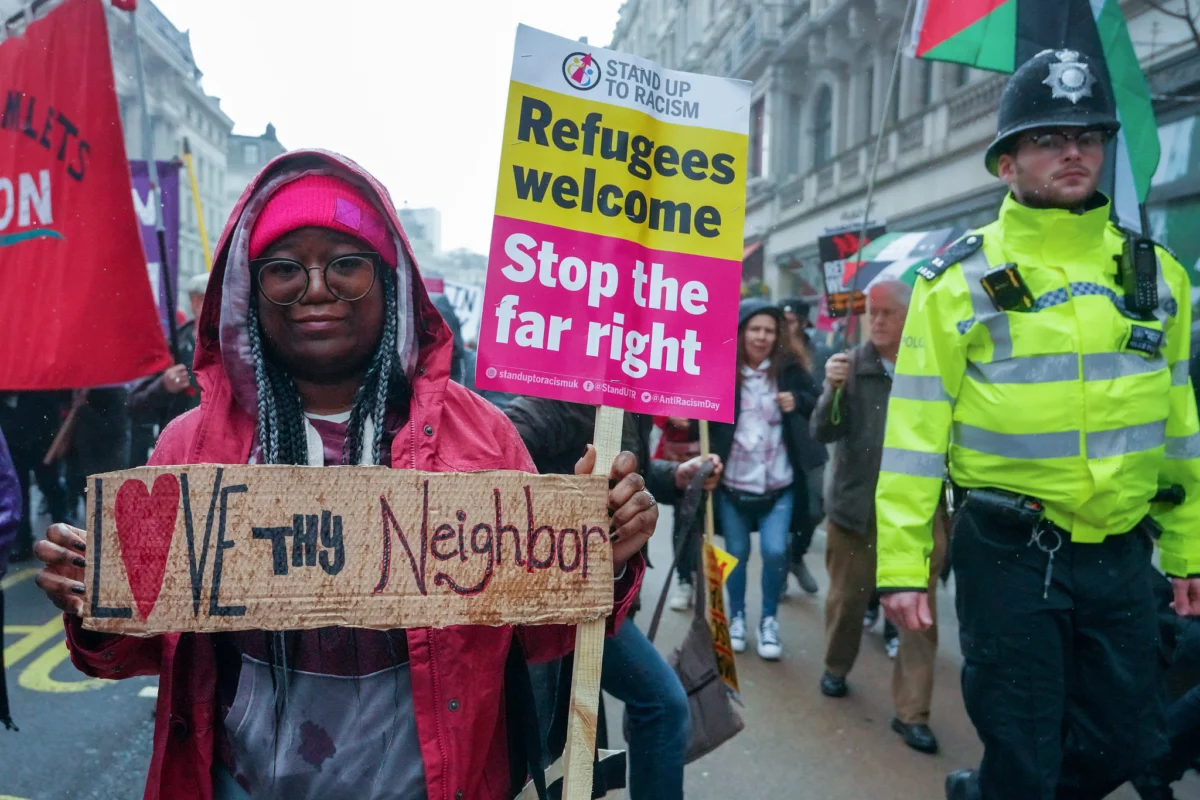
The Equality Trust has emphasized that this project is not merely an academic exercise but a call to action. Representatives from the organization have stated that the insights gathered will be used to challenge the prevailing narrative that economic inequality is an inevitable byproduct of a globalized market.
"The economy is a human invention," a spokesperson for the project noted during the launch. "If it is not working for the majority of people, then it is a design flaw that we have the power to correct. Our Community Economists have shown that the public has a sophisticated understanding of what is wrong; what they lack is the institutional platform to demand change."
Early reactions from social policy experts suggest that the Community Economist model could serve as a blueprint for "deliberative democracy." By involving citizens in the data-gathering process, policymakers can gain a more accurate understanding of how legislation affects the "real economy" of households and neighborhoods.
Future Phases: From Insight to Social Action
The January 2026 launch marks only the conclusion of Phase 1. The Equality Trust has outlined a clear roadmap for the remainder of the year.
- Phase 2: Advocacy and Coalition Building (Spring 2026): The project will transition into a series of focused workshops and message-testing sessions. The goal is to build a broad coalition of labor unions, community groups, and local businesses to advocate for specific policy changes, such as rent controls, a living wage that accounts for local costs, and increased investment in public infrastructure.
- Phase 3: Social Action (Summer/Autumn 2026): The final phase will involve direct social action. This could include grassroots campaigning, lobbying of Members of Parliament (MPs), and public demonstrations designed to turn the "private worries" identified in the interviews into "shared political power."
As the UK navigates the complexities of the mid-2020s, the Community Economist project stands as a testament to the power of collective storytelling. By reclaiming the language of economics, these ten volunteers and the communities they represent are demanding a seat at the table, ensuring that future economic decisions are made with human dignity as the primary metric of success. The report serves as a reminder that a "good life" should not be a luxury reserved for the few, but a foundational goal of a functioning society.