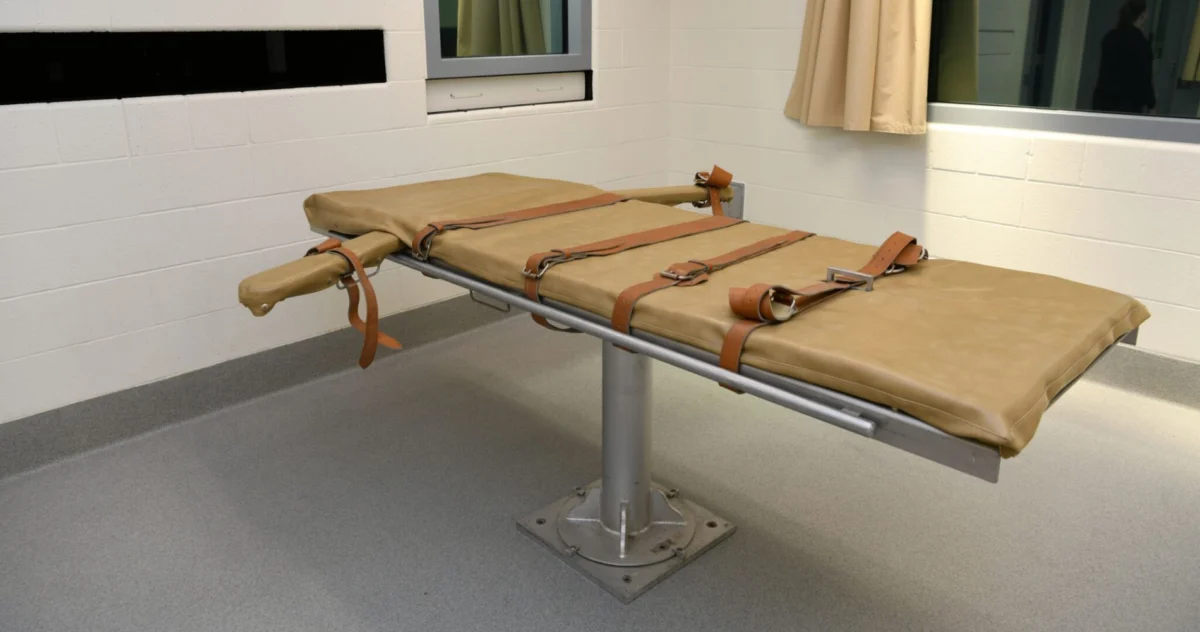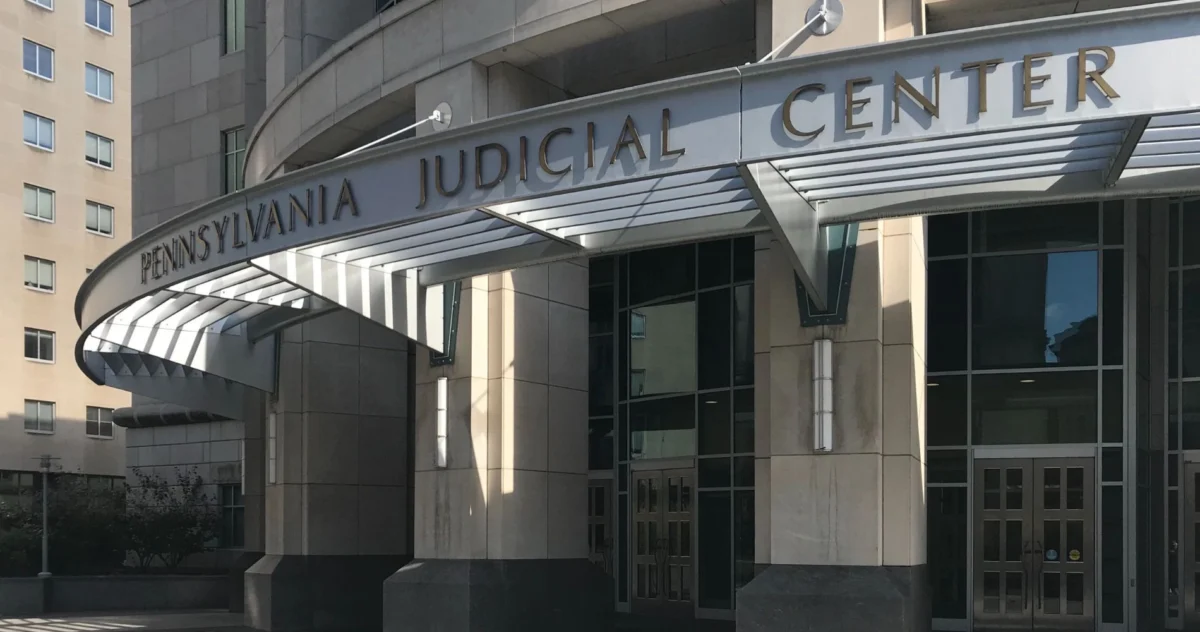
The Pennsylvania Supreme Court has issued a landmark ruling, declaring that mandatory life-without-parole sentences for individuals convicted of felony murder violate the state constitution’s prohibition against cruel punishments. This decision, handed down on [Date of Ruling – if known, otherwise state "recently"], marks a significant shift in Pennsylvania’s criminal justice landscape, emphasizing individualized sentencing over rigid statutory mandates.
Chief Justice Debra Todd, writing for the majority, articulated the court’s reasoning: "We determine that a mandatory life without parole sentence for all felony murder convictions, absent an assessment of culpability, is inconsistent with the protections bestowed upon our citizens under the ‘cruel punishments’ clause of our Commonwealth’s organic charter." This statement underscores a foundational principle of justice: that punishment should be proportionate to both the offense and the offender’s role and culpability.
Understanding Pennsylvania’s Felony Murder Rule
To grasp the full impact of this ruling, it’s essential to understand Pennsylvania’s felony murder statute. Under state law, a person can be convicted of second-degree murder if a death occurs during the commission of certain enumerated felonies, such as robbery, rape, kidnapping, or arson. Crucially, this conviction can apply even if the individual did not directly cause the death, intend to kill, or even directly participate in the fatal act. For instance, a getaway driver or a lookout involved in a robbery where a co-conspirator kills someone could be charged with second-degree murder.
Prior to this ruling, the law mandated that every person convicted of second-degree murder—regardless of their specific role or level of culpability—be sentenced to life imprisonment without the possibility of parole. This meant that an individual who merely participated in the underlying felony, far removed from the direct act of killing, faced the same ultimate punishment as the person who pulled the trigger. This "all-or-nothing" approach to sentencing for felony murder has long been a point of contention among legal scholars and criminal justice reform advocates.
A National Anomaly: Pennsylvania’s Stance on Felony Murder
While the felony murder rule exists in various forms in many U.S. states, Pennsylvania’s mandatory life-without-parole sentencing scheme stood out for its inflexibility. The Supreme Court noted that only four other states—Iowa, Louisiana, Mississippi, and North Carolina—imposed mandatory life-without-parole sentences without any exceptions for felony murder. This placed Pennsylvania among a small minority of jurisdictions with such a strict and unyielding approach to a crime that, by its nature, can encompass a wide spectrum of individual culpability.
The historical roots of the felony murder rule trace back to English common law, intended to deter dangerous felony conduct. Over centuries, its application has evolved, often drawing criticism for its expansive reach and potential to impose severe penalties on individuals with limited direct involvement in a homicide. Modern legal discourse often grapples with balancing the need for deterrence and accountability with principles of proportionality and individualized justice.
The Case of Derek Lee: A Catalyst for Change
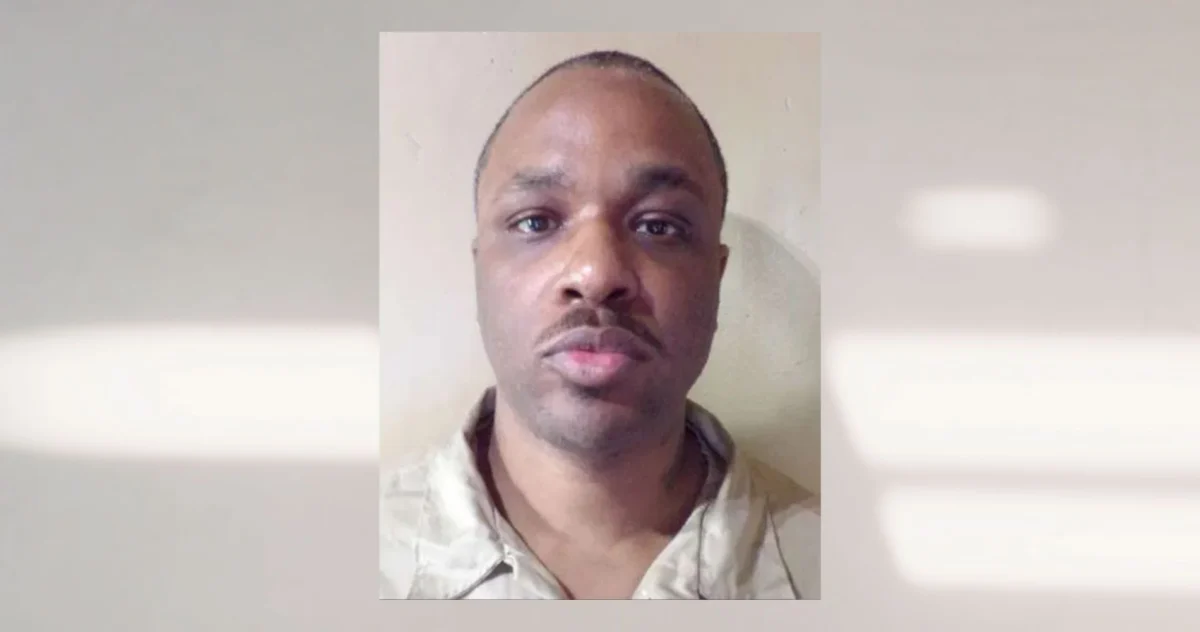
The specific challenge that led to this landmark decision originated from the case of Derek Lee. In 2014, Lee was involved in an armed robbery in Allegheny County. During the commission of the crime, a co-conspirator shot and killed the victim in the basement while Lee was upstairs. Both men were subsequently convicted of second-degree murder and sentenced to life imprisonment without parole, as mandated by the then-existing law.
Mr. Lee challenged his sentence, arguing that it violated both the state and federal constitutions. His appeal provided the Pennsylvania Supreme Court with the opportunity to scrutinize the constitutionality of mandatory life without parole for felony murder under the unique lens of the state’s own "cruel punishments" clause.
State Constitutional Protections Versus Federal Standards
A crucial aspect of the court’s ruling is its determination that the Pennsylvania Constitution’s protections against cruel punishments offer broader safeguards than those recognized under the Eighth Amendment of the U.S. Constitution. This distinction is vital because federal courts, particularly the U.S. Supreme Court, have largely upheld the constitutionality of the felony murder rule and certain mandatory sentences, albeit with some limitations for juvenile offenders.
By asserting that its state constitution provides "greater protections," the Pennsylvania Supreme Court established an independent state ground for its decision. This means the ruling is not directly contingent on federal constitutional interpretations and reflects a distinctly Pennsylvanian judicial philosophy regarding justice and proportionality. The court reaffirmed the principle that "punishment for [a] crime should be graduated and proportioned to both the offender and the offense," a longstanding notion of justice that it found absent in the mandatory life-without-parole scheme for felony murder.
The justices emphasized that "individuals who have lessened culpability are less deserving of the most severe punishments." The state’s mandatory sentencing failed precisely because it made no distinction between "the lookout and the killer who pulls the trigger," subjecting everyone to the "harshest imprisonment sanction permitted under the law" irrespective of their actual role or intent. This, the court concluded, "runs afoul of notions of individualized sentencing for defendants facing the second most severe punishment after death."
Implications for Current Inmates and Future Cases
The immediate impact of the ruling is significant. Derek Lee’s case has been remanded to the sentencing court, which will now have the discretion to consider his individual culpability before resentencing him to either life without parole or life with parole. This shift allows for a nuanced assessment of his involvement, intent, and personal circumstances, a process previously prohibited by the mandatory statute.
Perhaps the most pressing question arising from this decision is its retroactivity. The court did not explicitly determine whether its ruling applies retroactively to the more than 1,000 people currently serving life without parole for second-degree murder in Pennsylvania. This uncertainty leaves a substantial number of inmates and their families in limbo, awaiting clarity on whether they too will be eligible for resentencing hearings that consider their individual culpability. A retroactive application could trigger a wave of resentencing petitions, significantly impacting the state’s judicial system and correctional facilities.
Official Reactions and Legislative Response
The ruling has drawn reactions from key figures in Pennsylvania’s political and legal spheres. Governor Josh Shapiro, who had previously advocated for striking down mandatory life without parole for felony murder, welcomed the decision. He promptly called upon state lawmakers to "come up with a thoughtful, just process to address those who are serving life sentences for second-degree murder." This statement signals an executive endorsement of legislative efforts to align state law with the court’s constitutional interpretation and potentially address the retroactivity question.
Legislative action is already underway. State Senator Sharif Street (D., Philadelphia) has sponsored a bipartisan bill, Senate Bill 387, which aims to allow parole consideration for individuals convicted of felony murder after serving 25 years. This bill, currently pending in the state Senate, represents a proactive attempt to reform sentencing guidelines in light of the court’s decision and the ongoing debate about justice and rehabilitation.
Senator Street articulated the core issue: "I’ve been advocating that we do this because the result of our legal system is there are people who were not the actual shooter who end up serving life in prison when the actual shooter did not." He added, "It’s inconsistent with people’s understanding of how justice should work." This sentiment resonates with broader criminal justice reform movements that seek to reduce mass incarceration and ensure that punishments are fair and proportional.
Broader Impact and the Future of Sentencing Reform
This Pennsylvania Supreme Court ruling extends beyond the specifics of felony murder; it represents a powerful affirmation of individualized justice and the state constitution’s role as an independent protector of civil liberties. It could set a precedent for challenges to other mandatory minimum sentences in Pennsylvania, particularly those that remove judicial discretion and prevent consideration of an offender’s unique circumstances.
Critics of mandatory minimums argue that they contribute to overcrowded prisons, disproportionately affect minority communities, and often fail to achieve their intended goals of deterrence while hindering rehabilitation. Proponents, conversely, emphasize the need for consistent punishment, public safety, and accountability for serious crimes. The court’s decision strikes a new balance, favoring judicial discretion and individual assessment in felony murder cases.
The ruling will undoubtedly spark renewed debate within the Pennsylvania legislature and among the public regarding the purpose and fairness of sentencing laws. It highlights the ongoing tension between public safety concerns, the desire for retribution, and the constitutional imperative for just and proportionate punishment. As lawmakers deliberate on how to implement the court’s directive and address the thousands of individuals currently affected, Pennsylvania stands at a pivotal moment in its criminal justice reform journey. The path forward will require careful consideration of legal precedent, societal values, and the fundamental principles of justice that underpin the Commonwealth’s organic charter.