The Republic of Colombia is grappling with a severe humanitarian emergency following a powerful 7.4-magnitude earthquake that struck the Andean and Pacific regions on August 10, 2026. While infrastructure damage has been documented across multiple departments, the disaster has disproportionately impacted historically marginalized populations, most notably the Indigenous Peoples residing in Chocó, Risaralda, Valle del Cauca, and Caldas. For these communities, the seismic event did not occur in a vacuum; rather, it collided with pre-existing structural vulnerabilities, including systemic poverty, environmental degradation, and ongoing internal armed conflict.
As local authorities, humanitarian organizations, and international advocates struggle to deliver aid to remote areas, the crisis has exposed deep inequalities in disaster response and spotlighted the precarious living conditions of ethnic minorities in western Colombia. Non-governmental organizations, including Cultural Survival, have stepped in to provide emergency relief, but humanitarian actors warn that long-term recovery will require sustained, targeted intervention to prevent catastrophic losses of life, culture, and livelihood.
Main Facts and Geographic Impact
The earthquake struck at a depth and magnitude capable of causing widespread structural failures, landslides, and secondary hazards. Seismological reports indicate that the tremors were felt across a broad swathe of the national territory, causing panic in major urban centers and severe destruction in rural, jungle, and mountainous terrain. The departments bearing the brunt of the disaster—Chocó, Risaralda, Valle del Cauca, and Caldas—feature diverse topographies that complicate logistical operations.
Chocó, situated along Colombia’s Pacific coast, has emerged as the epicenter of the compounding crisis. The department possesses one of the highest concentrations of Indigenous and Afro-descendant communities in the country. Years of neglect by central administrative bodies have left Chocó with underdeveloped infrastructure, scarce medical facilities, and high rates of multidimensional poverty.
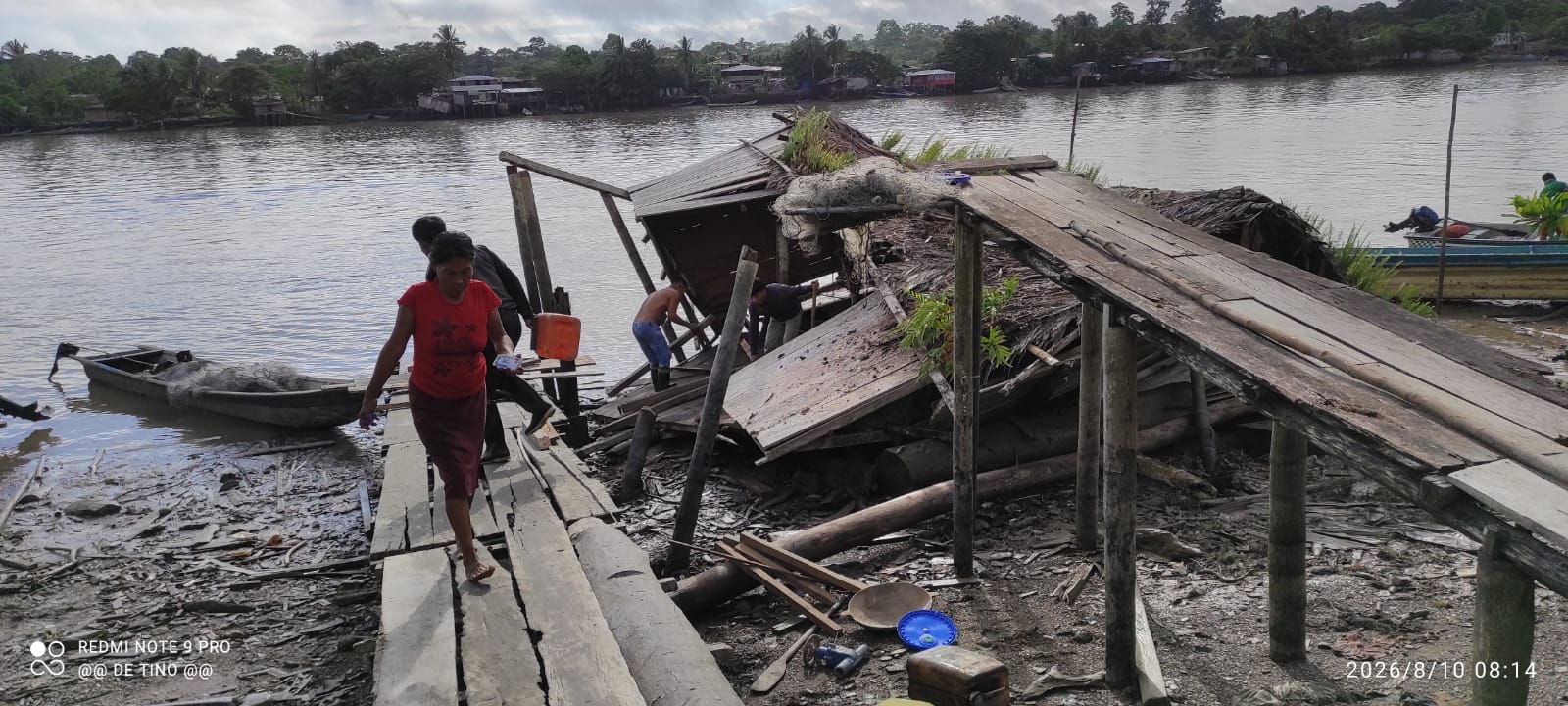
When the 7.4-magnitude tremor hit, it triggered landslides that blocked narrow roadways, severed communication lines, and destroyed traditional housing structures built primarily from wood and palm thatch. Water sources have been contaminated by debris and shifting earth, raising immediate concerns over waterborne illnesses. Furthermore, health posts in rural districts—already understaffed and poorly equipped—were either structurally compromised or overwhelmed by the sudden influx of injured residents.
Chronology of Events
The unfolding emergency has followed a destructive trajectory characterized by initial shock, infrastructural paralysis, and a painfully slow relief trickle to isolated rural zones.
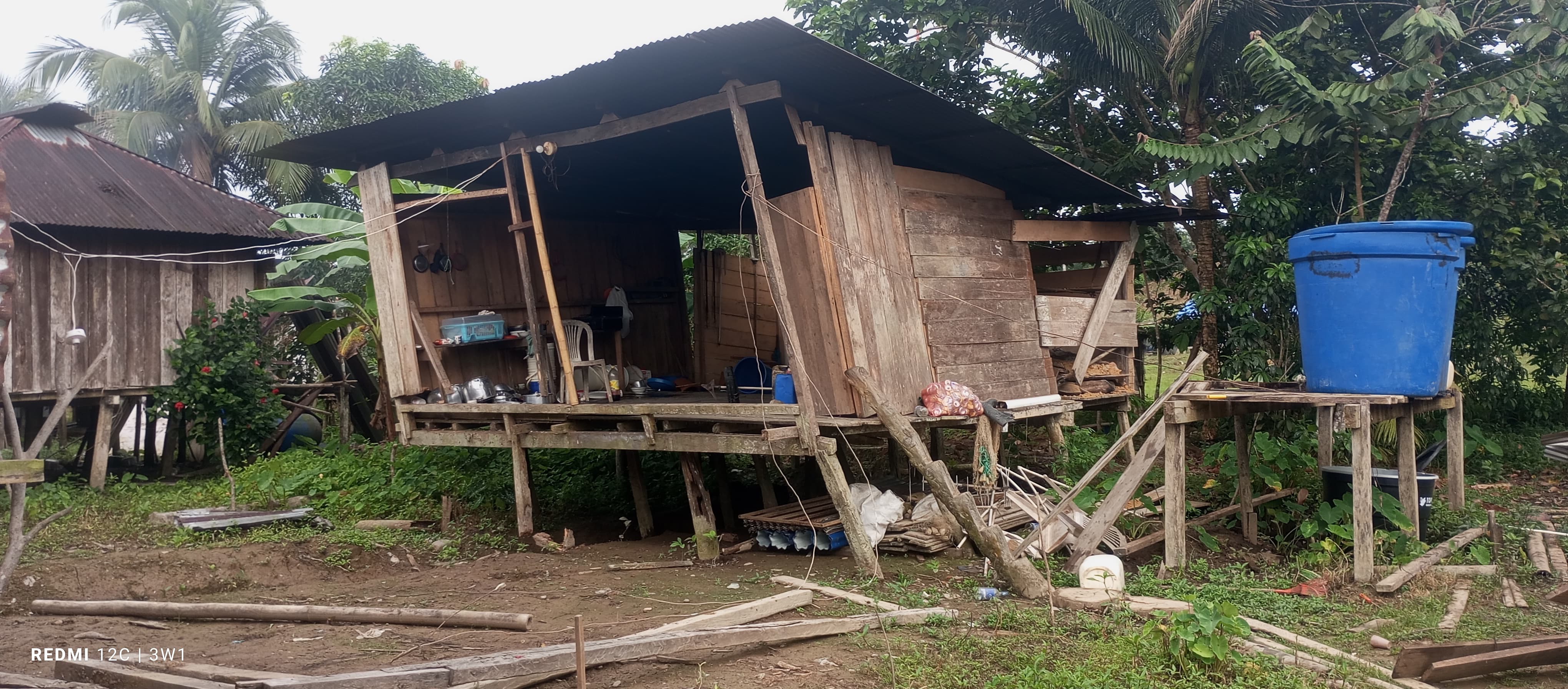
On August 10, 2026, the initial 7.4-magnitude earthquake struck, sending shockwaves through western Colombia. Immediate reports highlighted collapsed buildings in municipal centers and widespread panic. Within the first 24 hours, national emergency response agencies focused their primary rescue and assessment operations on major cities and accessible highways, inadvertently leaving remote rural and Indigenous territories off the immediate priority list.
Between August 11 and August 15, the true scope of the disaster in Chocó and neighboring departments began to emerge through fragmented radio communications and reports carried by community leaders traveling on foot or via river transport. Indigenous authorities declared self-emergencies as food reserves were depleted and makeshift shelters proved inadequate against heavy seasonal rains.
By the third week of August, regional human rights monitors and the Colombian Ombudsman’s Office released preliminary assessments confirming that the earthquake had severely compounded existing displacement and confinement crises driven by armed actors operating in the region.
As of late August and early September, grassroots organizations and international solidarity networks mobilized emergency funding mechanisms. Organizations such as Cultural Survival began channeling direct grants to autonomous Indigenous councils to bypass bureaucratic bottlenecks and deliver food, medicine, and rebuilding materials directly to affected territories.
Supporting Data and Multidimensional Vulnerabilities
To understand the severity of the post-earthquake crisis, analysts emphasize the necessity of examining the baseline socioeconomic and security indicators of the affected regions prior to August 10. According to data compiled by the Colombian government and human rights monitors, Chocó consistently records some of the highest poverty rates in the nation, with over 60 percent of the population living below the poverty line and inadequate access to potable water and sanitation.
Crucially, the earthquake struck regions heavily contested by illegal armed groups, including dissident factions, drug-trafficking cartels, and guerrilla organizations. The Colombian Ombudsman’s Office noted in official statements that Chocó was already experiencing an acute humanitarian crisis characterized by targeted violence, forced displacement, and population confinement before the earth shook.
Armed actors frequently utilize remote Indigenous territories for strategic mobility, drug production, and logistical corridors. Consequently, when communities are displaced by natural disasters, they often find themselves caught in crossfire or restricted from moving freely to safer ground due to landmines and territorial blockades enforced by illegal armed groups.
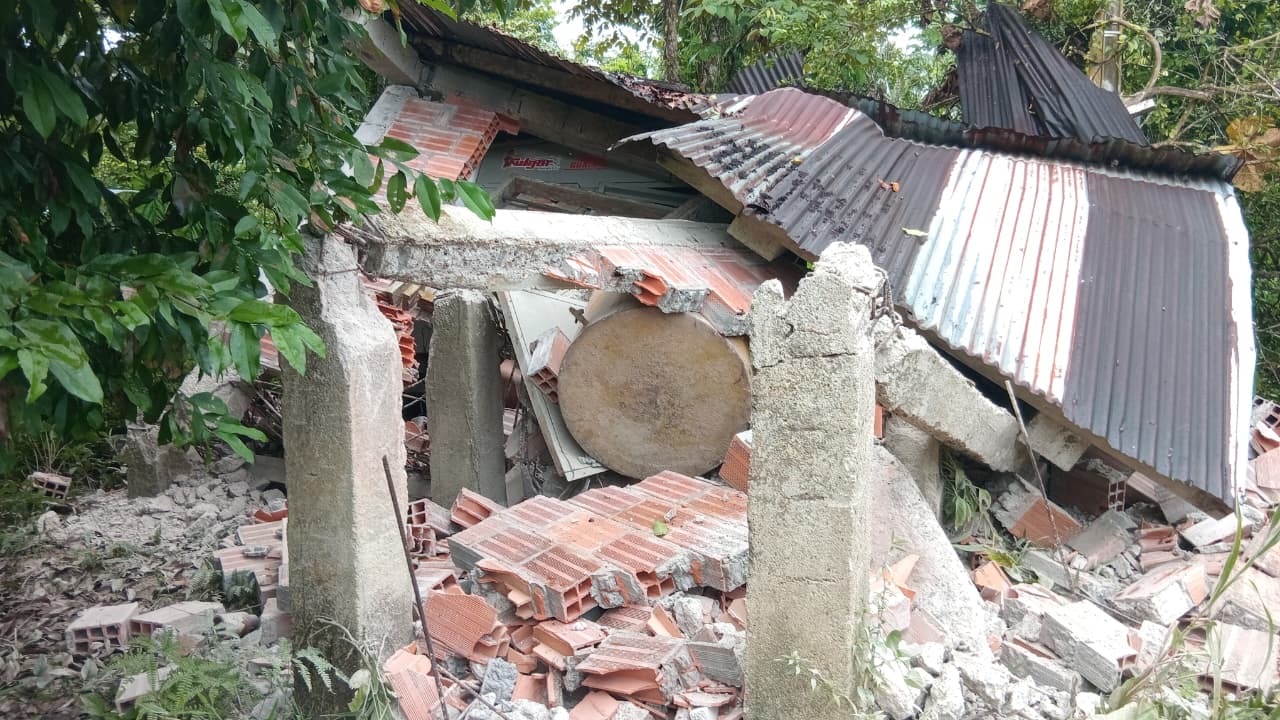
The convergence of seismic destruction and armed violence has created a dual emergency. Families are not only mourning lost homes and infrastructure; they are also navigating psychological trauma stemming from decades of violence, now magnified by the sudden loss of their physical environment. Access to mental health support in these remote zones is virtually non-existent, leaving communities to rely entirely on traditional coping mechanisms and communal solidarity.
Official Responses and Institutional Challenges
The national government, through the National Unit for Disaster Risk Management (UNGRD) and local departmental governments, mobilized rescue personnel and deployed emergency kits to urban centers in Risaralda, Valle del Cauca, and Caldas shortly after the quake. President Gustavo Petro’s administration emphasized the need for a decentralized response that takes into account the specific vulnerabilities of ethnic communities.
However, institutional friction and bureaucratic delays have hampered the efficiency of aid distribution. In Chocó, local leaders have publicly criticized the slow pace of state intervention, pointing out that national disaster protocols are predominantly designed for urban settings and fail to accommodate the communal land ownership structures and cultural realities of Indigenous Peoples.
The Colombian Ombudsman’s Office issued a formal public warning, underscoring that ethnic peoples are being disproportionately impacted by the multi-layered crisis. The Ombudsman’s office called upon state ministries to guarantee safe humanitarian corridors, implement culturally appropriate medical responses, and provide immediate food security assistance without demanding complex administrative paperwork that marginalized communities cannot fulfill during a crisis.
Civil Society and Indigenous Resilience
In the absence of immediate, comprehensive state intervention, Indigenous governance structures—such as regional councils and traditional authorities—have stepped up to manage the emergency autonomously.
Cultural Survival, an international Indigenous rights organization, announced targeted interventions to support 24 distinct Indigenous communities belonging to the Wounaan and Emberá Chamí Peoples. Utilizing emergency response funds, the organization distributed direct financial grants tailored to the self-determined priorities of these communities. Rather than imposing top-down solutions, the grant model empowers local councils to purchase locally sourced food, secure emergency medical supplies, and acquire materials necessary for rebuilding communal infrastructure.
The Wounaan and Emberá Chamí Peoples have a long history of resilience in the face of external shocks, ranging from colonial displacement to modern internal conflict. Their collective social organization has proven to be the most effective mechanism for survival in the wake of the earthquake. Communal kitchens, shared labor systems for clearing debris, and traditional herbal medicine practices have bridged the gap left by delayed institutional aid.
Broader Impact and Long-Term Implications
The August 2026 earthquake serves as a stark reminder of the intersection between natural hazards and structural inequality in Latin America. Disaster risk reduction experts point out that earthquakes do not discriminate by magnitude, but their impacts are strictly dictated by socioeconomic privilege, land tenure security, and infrastructural investment.
The long-term implications for Chocó and surrounding departments are profound. Without substantial investments in seismic-resistant rural housing, climate-resilient infrastructure, and peacebuilding initiatives that remove armed actors from Indigenous territories, communities will remain permanently vulnerable to the next environmental shock. Furthermore, repeated displacement and environmental degradation threaten the transmission of ancestral knowledge, indigenous languages, and traditional subsistence practices tied directly to specific ancestral lands.
Humanitarian agencies and Indigenous leaders are urging the international community to maintain long-term attention on Colombia’s forgotten regions. While media attention naturally fades following the immediate aftermath of a high-magnitude natural disaster, the recovery process for marginalized rural populations often spans years.
Donors, solidarity networks, and human rights advocates emphasize that financial contributions and political solidarity remain critical. Restoring collective well-being in Chocó, Risaralda, Valle del Cauca, and Caldas requires more than temporary relief; it demands a fundamental commitment to respecting Indigenous autonomy, securing territorial rights, and addressing the root causes of systemic marginalization that turn natural phenomena into enduring humanitarian tragedies.