The fundamental framework of asylum in the United States, once anchored in the post-World War II commitment to protect those fleeing persecution, has undergone a radical transformation since January 2025. Under the second administration of President Donald Trump, the U.S. government has dismantled long-standing pathways for those seeking protection, effectively narrowing the scope of international refugee law within American borders. This shift, characterized by mass expulsions, increased military involvement at the border, and the curtailment of due process, has prompted intense legal and humanitarian scrutiny.
The Legal Foundations of Asylum and the Refugee Act of 1980
To understand the current crisis, one must first look at the international and domestic obligations that have historically governed U.S. policy. Asylum is a form of protection available to individuals who meet the legal definition of a "refugee." According to the 1951 United Nations Refugee Convention and its 1967 Protocol, a refugee is an individual unable or unwilling to return to their country of origin due to a well-founded fear of persecution based on race, religion, nationality, membership in a particular social group, or political opinion.
The United States codified these principles in the Refugee Act of 1980. This landmark legislation established a uniform procedure for providing protection to refugees and obligated the federal government to ensure that any individual arriving on U.S. soil—regardless of their point or method of entry—could request asylum. For over four decades, this statute served as the bedrock for humanitarian policy, ensuring that the right to seek safety was not contingent upon possessing a visa or navigating a port of entry.
A Chronology of Policy Shifts (2025–2026)
The systemic dismantling of these protections began in earnest on January 20, 2025. The following timeline outlines the key administrative and judicial milestones that have redefined the landscape for asylum seekers:
- January 20, 2025: President Trump signs a series of executive orders aimed at "securing the border." These orders effectively suspend traditional humanitarian parole programs and terminate access to asylum processing at official ports of entry.
- February 2025: The administration mandates the deployment of military personnel to the U.S.-Mexico border to assist in patrol and enforcement, shifting the border from a civil administrative zone to a site of enhanced security.
- Spring 2025: The Department of Homeland Security (DHS) significantly expands the use of "expedited removal." This fast-track deportation process allows Immigration and Customs Enforcement (ICE) to remove individuals after a brief "credible fear" interview, often without the oversight of an immigration judge.
- March 24, 2026: The Supreme Court hears oral arguments in Mullin v. Al Otro Lado, a case centered on the legality of "turnback" policies that prevent asylum seekers from accessing the U.S. legal system.
- June 2026: In a 6-3 decision, the Supreme Court rules in favor of the administration, effectively affirming the government’s authority to deny entry and asylum processing to those presenting at the southern border.
Data and Trends: The Growing Backlog
The current challenges are compounded by a massive, pre-existing administrative backlog. By the conclusion of 2025, the U.S. Department of Justice’s Executive Office for Immigration Review (EOIR) reported that the number of pending asylum cases had surpassed 2.4 million. This backlog is not merely a statistical concern; it represents a functional collapse of the court system.
When an asylum seeker enters the system, the average wait time for an initial hearing now stretches into years. The administration’s recent policy changes have sought to address this by accelerating removals, but critics argue that these policies sacrifice due process for speed. By bypassing traditional court proceedings through expedited removal, the administration is effectively preventing thousands of individuals from presenting evidence of their persecution, a move that legal scholars suggest contradicts the spirit of the 1980 Refugee Act.
Official Responses and Legal Challenges
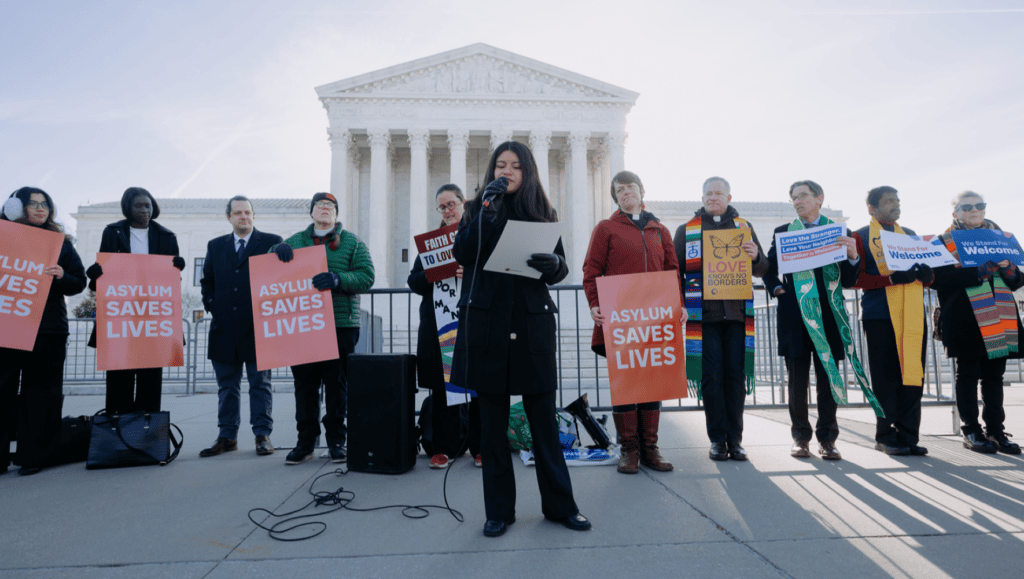
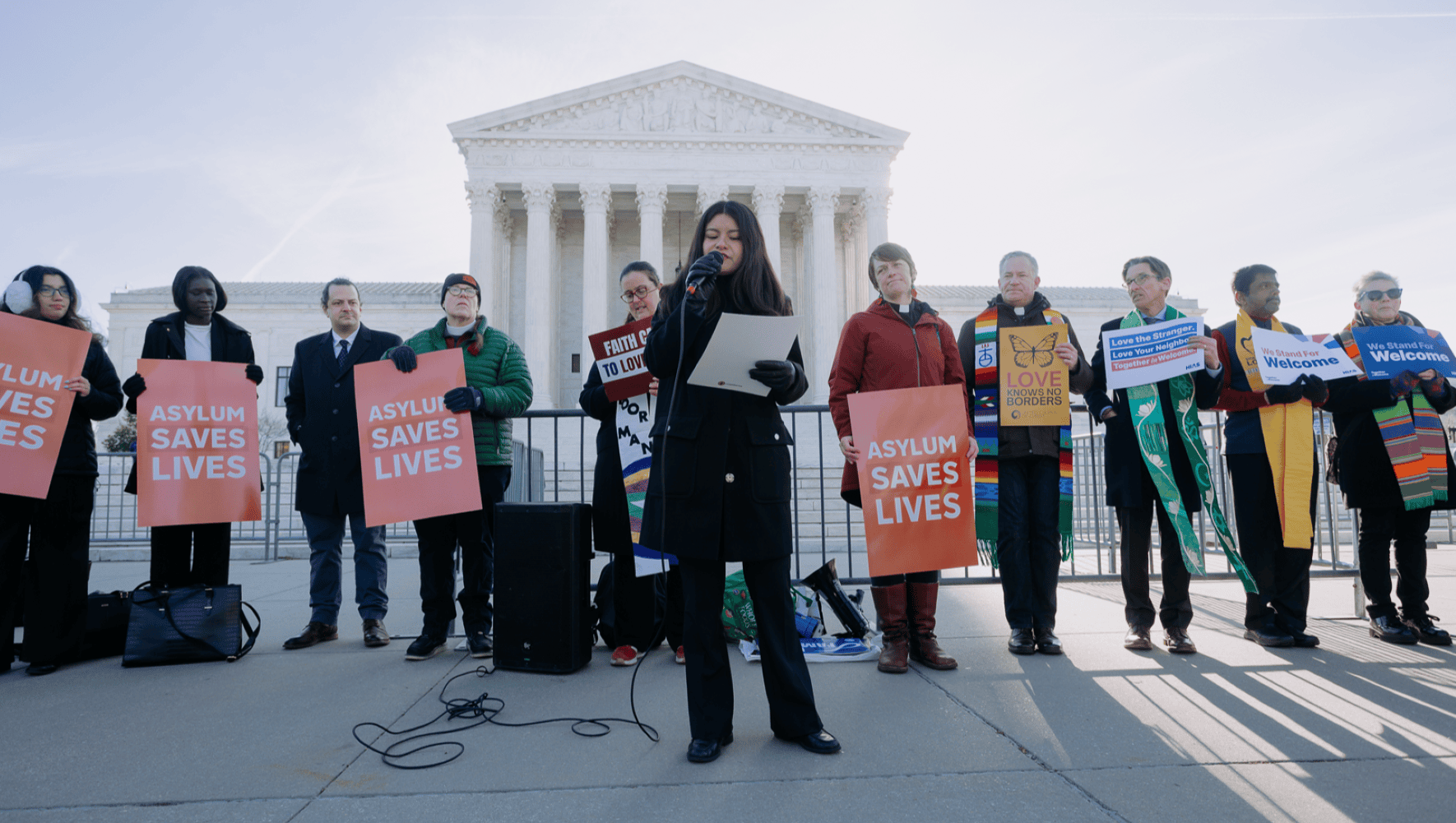
The policy shift has triggered a wave of litigation from civil society organizations and humanitarian groups. HIAS, the world’s oldest refugee agency, has been at the forefront of these legal battles. In their amicus brief for Mullin v. Al Otro Lado, HIAS invoked the history of the M.S. St. Louis—the 1939 voyage of Jewish refugees denied entry to the U.S. and eventually forced to return to Europe—to illustrate the moral and legal stakes of "turnback" policies.
Advocacy groups argue that the current administration’s reliance on third-country transit and mass expulsion to Mexico creates a "protection gap." According to reports from NGOs operating in border regions, asylum seekers stranded in Mexico are frequently targeted by organized crime syndicates and human traffickers, who exploit the precarious status of those waiting for a resolution that may never come.
Conversely, supporters of the administration’s policies argue that these measures are essential to maintaining national security and deterring illegal migration. They contend that the previous system was incentivized by "loopholes" that allowed economic migrants to use the asylum system to gain entry into the U.S. interior, where they often failed to appear for subsequent court dates.
Implications for the Future of U.S. Immigration
The broader implications of these policy changes are profound. By narrowing the definition of who can apply for asylum and restricting the physical ability to claim it, the U.S. is signaling a retreat from the international standards it helped establish following World War II.
The reliance on expedited removal and military patrols suggests a fundamental shift in how the government views the border: less as a site of entry for humanitarian processing and more as a defensive perimeter. While the administration points to border security metrics as a measure of success, human rights organizations emphasize that these metrics ignore the human cost—the individuals who remain in life-threatening situations in their home countries with no legal recourse to seek safety.
Furthermore, the recent interim final rule from USCIS—which would allow the agency to divert asylum seekers directly to immigration court without an initial asylum officer interview—marks another step toward a more adversarial and less deliberative process. By removing the initial screening, the administration intends to reduce the workload of asylum officers, but experts warn this will further overwhelm the immigration courts, which are already struggling to handle the existing 2.4 million pending cases.
Conclusion: A System in Flux
The status of the U.S. asylum system as of late 2026 reflects a country in the midst of a deep ideological debate regarding its global role. For proponents of the current administration, the focus remains on enforcement and the restoration of order at the border. For critics, including many religious and human rights organizations, the current approach represents a betrayal of the fundamental principle that the United States should remain a sanctuary for those fleeing persecution.
As the legal battles continue in lower courts and the administrative landscape shifts, the future of the asylum system remains uncertain. What is clear, however, is that the legal and moral frameworks that governed the U.S. approach to refugees for decades have been fundamentally altered. Whether these changes represent a permanent shift in American policy or a temporary suspension of humanitarian commitments will be determined by the ongoing intersection of judicial rulings, legislative action, and the evolving nature of global migration patterns.
For now, those seeking asylum face an increasingly closed door, characterized by a complex web of administrative hurdles that prioritize border containment over the adjudication of claims. The result is a system that, while perhaps more efficient in terms of processing speed, faces mounting questions regarding its fairness, its adherence to international law, and its alignment with the humanitarian traditions that once defined the American immigration experience.