
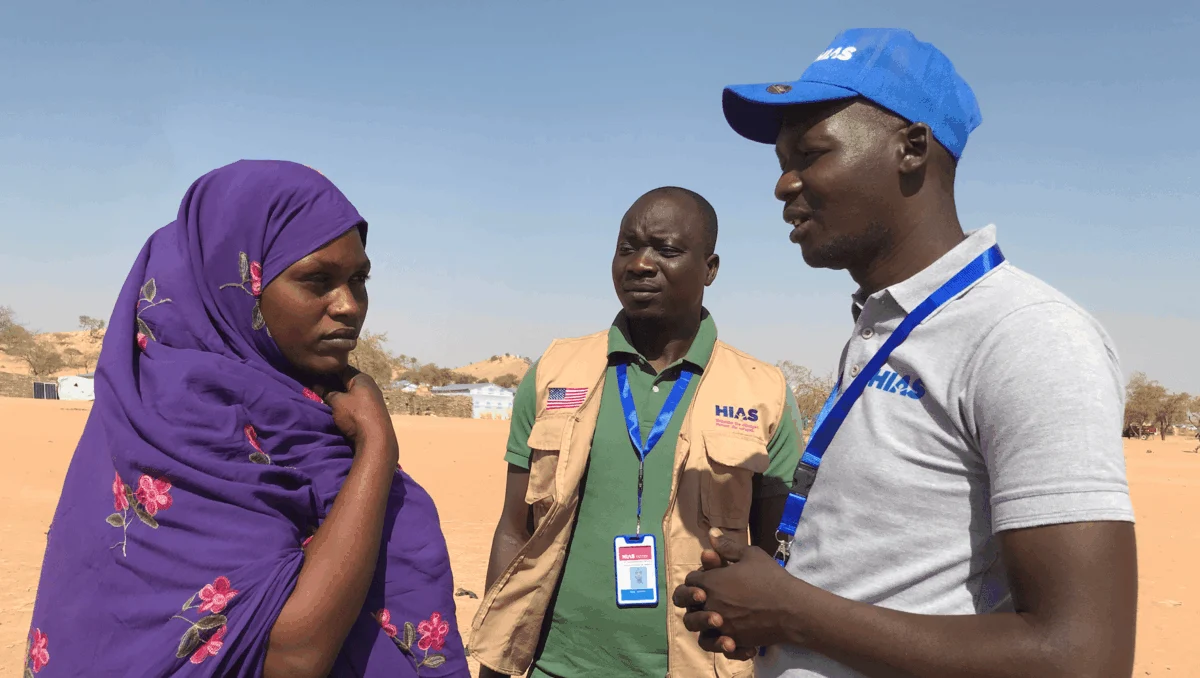
This year for World Mental Health Day, the World Health Organization (WHO) and international humanitarian bodies are shifting the global discourse toward the prioritization of "lived experience" in mental health care. For millions of refugees displaced by the ongoing conflict in Sudan, this is not merely a theoretical framework but a vital lifeline. As the humanitarian crisis in Chad continues to escalate, organizations like HIAS are implementing community-based models that integrate psychosocial support with economic empowerment, proving that healing is inextricably linked to agency and self-reliance.
The Conflict and the Crisis: A Chronology of Displacement
The conflict in Sudan, which reignited in April 2023, has triggered one of the world’s most significant humanitarian emergencies. Following the breakdown of political transitions, violence spread rapidly from the capital, Khartoum, to the Darfur region—an area already scarred by decades of instability. By mid-2023, the violence had reached a critical threshold, forcing millions to abandon their homes.
For the residents of El Geneina, the capital of West Darfur, the situation became untenable by late 2023. Families were forced to navigate a harrowing landscape of active conflict, often walking for days to reach the Chadian border. Upon arrival in Chad, refugees were met with a landscape that was ill-equipped for the sheer volume of arrivals. The influx of hundreds of thousands of people into border regions like Farchana and Aboutengué created an immediate need for shelter, water, and food, followed by the long-term requirement for psychological stabilization.
Data and Humanitarian Scope
According to the United Nations High Commissioner for Refugees (UNHCR), the number of Sudanese refugees in Chad has surged, with millions now seeking safety across the border. The humanitarian response in these regions is multifaceted, involving a delicate balance between immediate life-saving aid and sustainable development.
The German Federal Foreign Office (GFFO) has been a significant partner in this effort, providing financial and strategic support to community-based protection networks. These programs are essential because, in a displacement setting, trauma is rarely experienced in isolation. It is compounded by the loss of livelihoods, the destruction of social structures, and the daily struggle for basic necessities. Mental health initiatives, therefore, are most effective when they address the social determinants of health—such as financial instability and food insecurity—alongside clinical psychological support.
Voices from the Field: The Recovery Journey
The stories of Souad and Naima, two Sudanese refugees currently residing in Chad, highlight the efficacy of integrating mental health support with vocational training.
Souad, a former primary school teacher from El Geneina, arrived in the Farchana refugee camp after a twenty-four-hour trek marked by intense gunfire and the separation of her family. Her journey is emblematic of the trauma faced by many Sudanese mothers: the responsibility of protecting children while enduring the uncertainty of a spouse’s safety.
"I held the youngest ones by the hand while the older ones walked ahead of me," Souad recounted. "The gunfire was so intense that we had to seek refuge with a stranger to spend the night before continuing on our way."
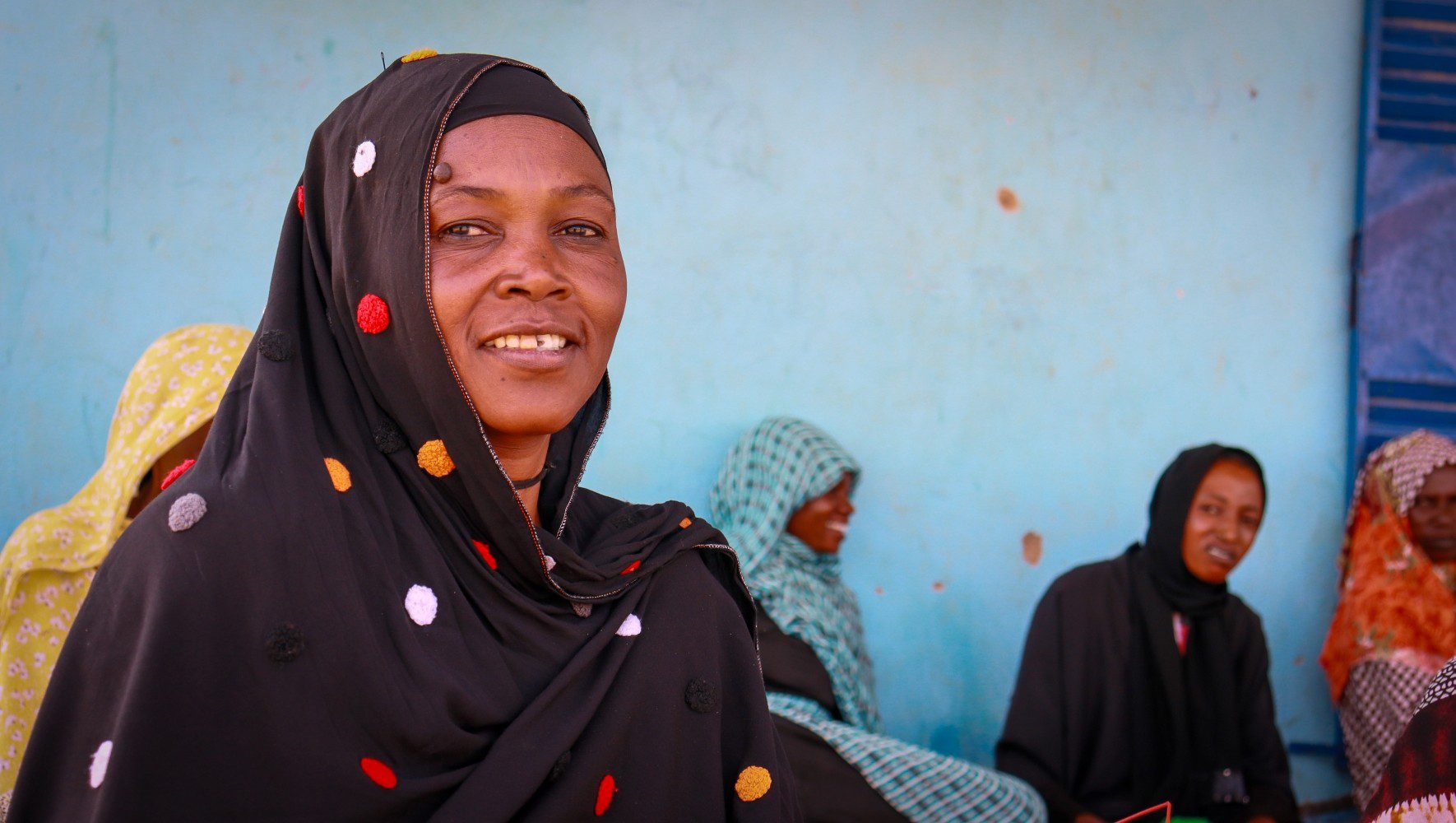
For Souad, the turning point was not just the receipt of essential goods—soap, utensils, and food—but the access to the Safe Space for Women and Girls, established in 2025. By engaging in occupational therapy through weaving and knitting, Souad found a mechanism to process her trauma. "When memories of the war come back or I feel anxious, knitting calms me," she noted. "Here, I also get to spend time with other women. We talk, we support one another, and we no longer face our difficulties alone."
Similarly, 17-year-old Naima, a resident of the Aboutengué camp, represents the younger generation of refugees whose formative years have been disrupted by exile. Arriving in 2023, Naima faced the immediate shock of life in a camp with minimal resources. The intervention provided by HIAS, which included both humanitarian aid and vocational sewing training, allowed her to transition from a state of total dependence to one of nascent self-reliance.
"This training has helped me a lot in my journey toward self-reliance," Naima stated. "Thanks to what I’ve learned, I’m now earning money and can help my parents with household expenses."
The Strategic Value of Community-Based Mental Health
The approach employed in Chad is rooted in the understanding that traditional "top-down" clinical mental health models often fail to account for cultural nuances and the immediate stressors of refugee life. By training community leaders and fostering safe spaces, the program creates a peer-supported network that extends beyond the reach of professional counselors.
Mental health experts suggest that for populations affected by conflict-induced trauma, the restoration of dignity is a clinical intervention in itself. When refugees are provided the tools to generate income—whether through knitting, weaving, or sewing—they regain a sense of control over their lives. This agency is a powerful antidote to the helplessness that characterizes the refugee experience.
Broader Implications for Global Humanitarian Policy
The success of the projects supported by the GFFO and implemented by HIAS provides a template for future humanitarian interventions. The integration of mental health and psychosocial support (MHPSS) into economic development programs is increasingly recognized as a best practice in emergency settings.
- Economic Empowerment as Therapy: Vocational training serves as both a source of income and a form of cognitive behavioral therapy, providing structure and reducing ruminative stress.
- Social Cohesion: The Safe Spaces serve as community hubs where refugees can share their experiences, reducing the isolation that often exacerbates PTSD and anxiety.
- Resiliency Building: By training community members to support one another, the program ensures that mental health infrastructure persists even when international aid levels fluctuate.
Challenges and Future Outlook
Despite the progress made, the situation remains precarious. The influx of refugees continues to strain local resources in Chad, and the funding gap for humanitarian aid remains a global concern. As Souad emphasized in her appeal to the international community: "Don’t abandon the people of Sudan who are suffering through this war. Without your support, we won’t be able to rebuild our lives."
The ongoing conflict in Sudan suggests that the need for such support will not diminish in the near future. The international community faces a critical choice: either provide short-term emergency relief that barely keeps populations alive, or invest in holistic programs that foster the mental and economic resilience required for displaced persons to one day rebuild their futures.
Conclusion
World Mental Health Day serves as a vital reminder that mental health is a human right, even—and perhaps especially—in the most challenging environments. The work being done in Chad by HIAS, supported by the GFFO, underscores that while war destroys, community-based support systems can catalyze the process of rebuilding. By centering the lived experience of refugees, humanitarian organizations are doing more than providing aid; they are facilitating the restoration of human agency. As the conflict in Sudan continues to dominate headlines, the resilience of women like Souad and Naima stands as a testament to the necessity of sustained, compassionate, and integrated humanitarian action. The path to recovery is long, but through solidarity and the provision of meaningful opportunities, it is a path that thousands are currently walking, one stitch at a time.




