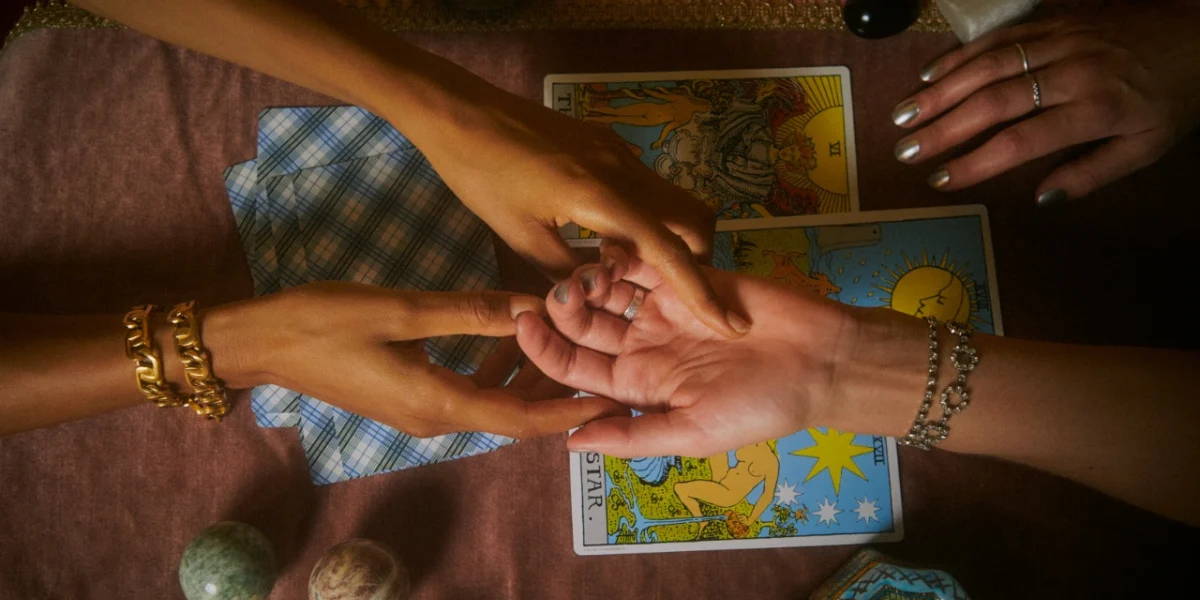
The intersection of ancient spiritual practices and modern mobile technology has created a new paradigm for romantic expectations, as exemplified by the increasing reliance on astrology applications like Co-Star to determine interpersonal compatibility. Recent public discourse, highlighted by inquiries to major lifestyle publications, reveals a growing tension between digital "cosmic" affirmations and the lived reality of romantic rejection. When an algorithm designates two individuals as "soul mates" or "cosmically aligned," the subsequent failure of that relationship in the physical world can lead to significant psychological distress, cognitive dissonance, and a reliance on deterministic frameworks to process interpersonal loss.
The Rise of the Algorithmic Oracle: A Brief Chronology
The transition of astrology from traditional newspaper columns to hyper-personalized, AI-driven mobile applications began in earnest in the mid-2010s. Co-Star, founded in 2017 by Banu Guler, Ben Getchell, and Anna Kopp, revolutionized the industry by integrating NASA data with proprietary artificial intelligence to generate "hyper-personalized" horoscopes. By 2019, the app had secured over $5 million in Series A funding, signaling a shift in how venture capital viewed spiritual services.
The chronology of this digital evolution follows a distinct path:
- 2010–2015: The rise of general wellness apps and the mainstreaming of "self-care" culture.
- 2017: Launch of Co-Star, utilizing a minimalist aesthetic and "edgy" push notifications that appealed specifically to Millennials and Gen Z.
- 2018–2020: The "Astrology Boom" on social media, where compatibility memes (often tagged with "iykyk" or "if you know, you know") became a primary mode of social signaling.
- 2021–Present: Increasing scrutiny of AI-generated content and the emergence of a "counter-culture" that advocates for human-led, anti-colonial, and traditional astrological practices over algorithmic interpretations.
Statistical Trends in Modern Spirituality and Dating
The phenomenon of seeking romantic guidance from astrological apps is supported by significant demographic data. According to the Pew Research Center, approximately 29% of American adults believe in astrology, with the number rising significantly among younger cohorts. Among women and members of the LGBTQ+ community, the percentage of those who engage with astrological content as a tool for navigating social relationships is notably higher.
Market research from IBISWorld indicates that the "mystical services" industry, which includes astrology and tarot, has grown into a $2.2 billion market. In the context of dating, a 2022 survey by a major dating platform found that nearly 35% of users aged 18–25 considered astrological signs a "deal-breaker" or a primary factor in choosing a partner. This "gamification of fate" has led to a situation where users often prioritize digital compatibility scores over the organic process of building interpersonal rapport.
The Mechanics of Compatibility: AI vs. Traditional Astrology
The core of the current controversy lies in the methodology used by apps to determine compatibility. Co-Star and similar platforms utilize "synastry," the comparison of two individuals’ birth charts (the positions of the planets at the exact moment of birth). However, critics and traditional practitioners argue that these apps oversimplify a highly complex equation.
Traditional astrological compatibility involves the analysis of various houses, aspects, and planetary placements that go far beyond the "Sun sign" or basic elemental matches. Co-Star has publicly acknowledged its use of artificial intelligence to generate its daily missives and compatibility reports. This reliance on AI has drawn criticism from the professional astrological community, who argue that an algorithm cannot account for the nuance, cultural context, and human agency required for a true spiritual reading.
Furthermore, some scholars suggest that the way these apps present compatibility can inadvertently reinforce existing power structures. By categorizing certain traits as "incompatible," these systems can mirror patriarchal or classist biases, steering users away from diverse social interactions under the guise of "cosmic misalignment."
The Psychological Burden of the "Soul Mate" Narrative
The concept of a "soul mate"—a singular, predestined partner—is a predominantly Western construct that has been amplified by digital media. When an app confirms this status, it creates a "confirmation bias," where the user ignores red flags or the lack of mutual interest in favor of the digital "truth."
Psychologists note that this can lead to a phenomenon known as "limerence," an involuntary state of intense desire for another person, often fueled by the belief that the connection is fated. When rejection occurs in this context, the sting is intensified. The rejected individual may feel they are not just losing a partner, but losing their "cosmic destiny."
Experts in the field of interpersonal relationships suggest that this deterministic view can be used as an "escape hatch" or a "scapegoat" to avoid the uncomfortable emotions of rejection. Instead of processing the rejection as a natural part of the human experience, the individual may "grovel" or attempt to convince the other party of their shared destiny, which often leads to further social alienation.
Expert Analysis: Moving Beyond Digital Determinism
Public advisory from relationship experts and social commentators emphasizes the necessity of decoupling spiritual tools from absolute romantic mandates. The consensus among those advocating for a healthier approach to digital spirituality includes several key pillars:
- Rejection of Algorithmic Authority: Users are encouraged to view app-based interpretations as entertainment or a "lens" rather than an objective reality. The admission of AI usage by these companies is often cited as a reason to discredit their sway over major life decisions.
- The Complexity of Human Connection: Compatibility is increasingly viewed as a "learned" process rather than a "predetermined" one. Even in cases of high astrological compatibility, relationship success requires communication, compromise, and shared labor—elements that no algorithm can predict or facilitate.
- Deconstructing the "One" Myth: Moving away from the limiting idea of a singular soul mate allows individuals to recognize a broader spectrum of potential partners. This shift is seen as vital for emotional resilience following a rejection.
- Cultural and Anti-Colonial Perspectives: There is a growing movement to return to astrological practices that are rooted in Indigenous or non-Western traditions, which often prioritize community and cyclical growth over the individualized, consumeristic "matchmaking" prevalent in modern apps.
Broader Socio-Political and Market Implications
The reliance on apps for romantic validation has broader implications for how society views technology and agency. As AI continues to permeate the "spiritual tech" sector, questions regarding data privacy and emotional manipulation have surfaced. If an app’s business model depends on high engagement (the "keep you coming back for more" strategy), it is incentivized to provide dramatic, emotionally charged notifications that may not be in the user’s best psychological interest.
Moreover, the "soul mate" narrative reinforced by these apps can intersect with systemic issues. When compatibility algorithms prioritize certain traits, they can inadvertently filter for homogeneity, potentially reinforcing classism or social silos. The "perfect, seamless, cosmically aligned" relationship promoted by these platforms is increasingly scrutinized as a marketing myth that ignores the messy, beautiful reality of human labor in relationships.
Conclusion: The Path Forward in Digital Dating
As the digital landscape continues to evolve, the challenge for users remains the integration of technology without the loss of personal agency. The "hurt" of rejection, while exacerbated by the promise of cosmic alignment, is a fundamental human experience that requires emotional processing rather than algorithmic intervention.
The future of the astrology app industry may depend on a shift toward transparency and the inclusion of more human-led, nuanced interpretations. For the individual navigating the "sting" of romantic rejection, the path forward involves a return to the basics: allowing oneself to feel the pain of the loss, seeking support from human communities, and recognizing that compatibility is built through the actual process of getting to know another person, rather than being downloaded from a server. Ultimately, while the stars may provide a map, it is the individuals involved who must do the walking.