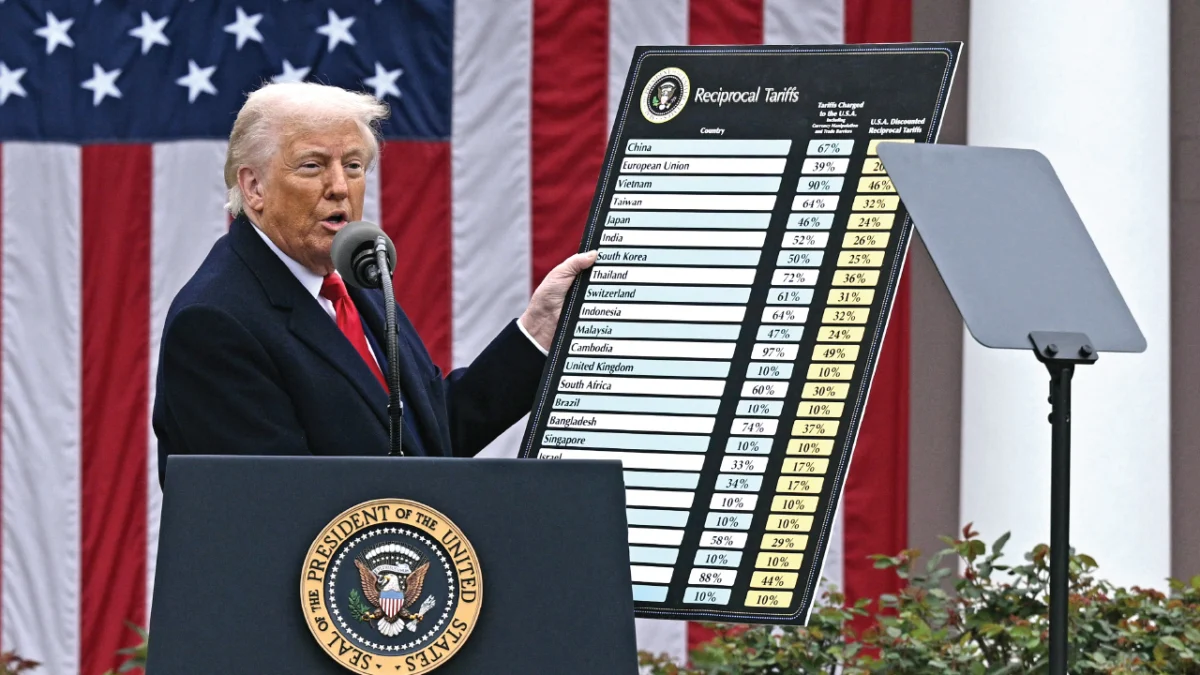
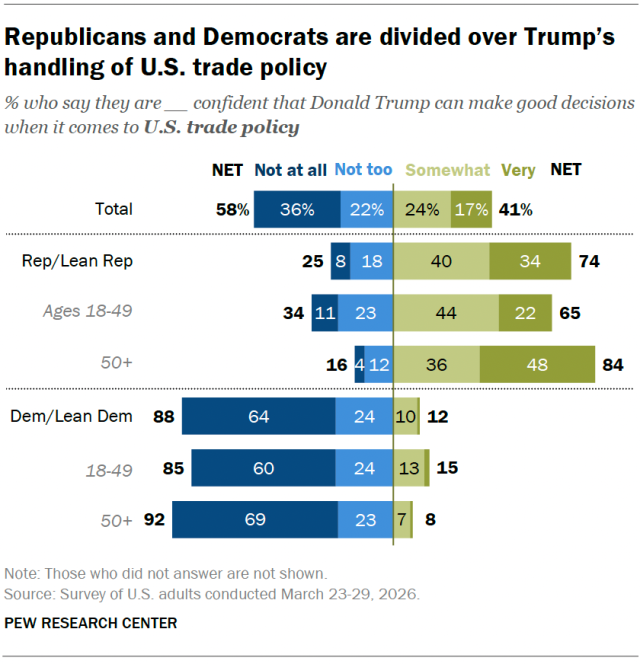
It has been one year since President Donald Trump declared April 2nd, 2025, "Liberation Day," marking the implementation of widespread tariffs on numerous U.S. trading partners. The move, intended to rebalance international trade and bolster domestic industries, has since been met with increasing public scrutiny. A recent Pew Research Center survey reveals that a majority of Americans, nearly six-in-ten adults (58%), express little to no confidence in President Trump’s ability to make sound decisions regarding U.S. trade policy. This skepticism extends to his specific tariff policies, with 63% reporting a similar lack of confidence.
The survey, conducted from March 23rd to March 29th, 2026, also highlights a notable shift in American perceptions of trade relations with the United States’ top three trading partners: China, Canada, and Mexico. These changes in public opinion occur against a backdrop of evolving trade deficits and ongoing geopolitical negotiations.
Background: The Genesis of "Liberation Day"
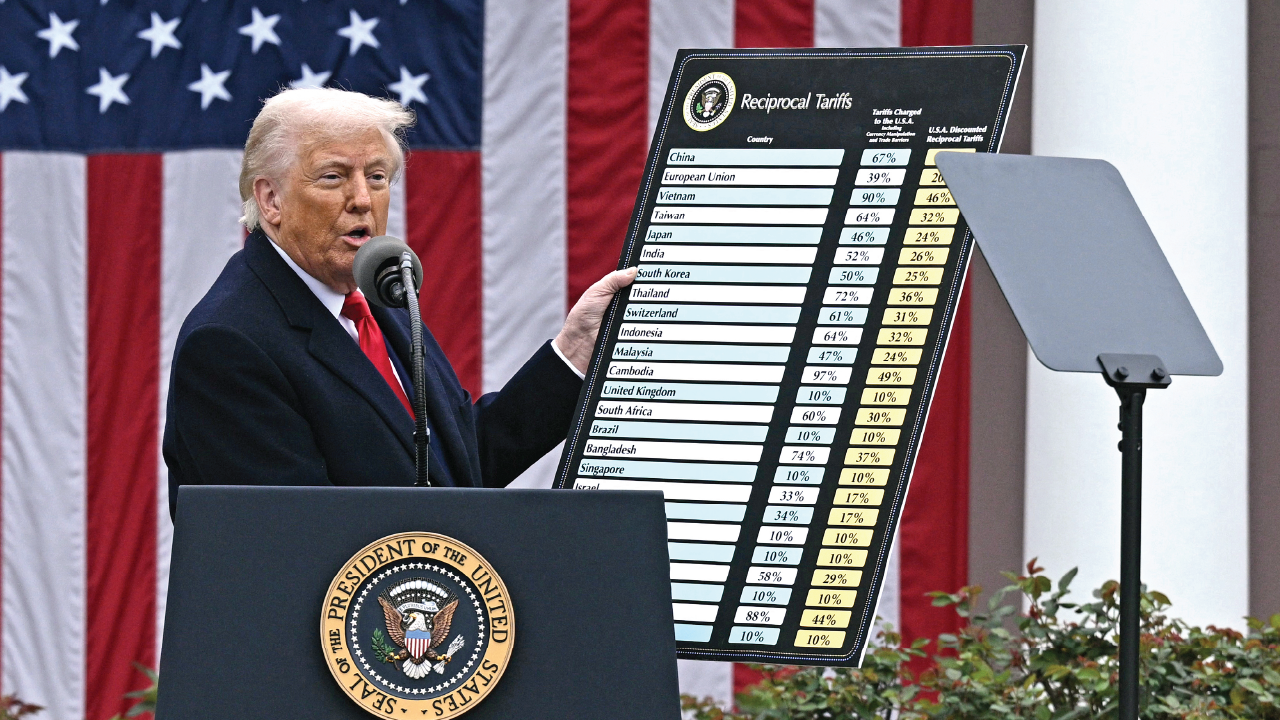
The imposition of tariffs in April 2025 was the culmination of a long-standing campaign promise by then-candidate and now President Donald Trump to address what he frequently described as unfair trade practices by other nations. Trump’s administration had consistently argued that the U.S. was being taken advantage of in global trade, leading to significant trade deficits and the erosion of American manufacturing jobs. The "Liberation Day" initiative aimed to leverage tariffs as a tool to force concessions from trading partners, renegotiate existing trade agreements, and encourage a reshoring of industries.
The initial rollout of tariffs targeted a broad range of goods, including steel, aluminum, and various consumer products, from countries such as China, the European Union, and Canada. The stated goal was to create a more favorable economic environment for American businesses and workers by making imported goods more expensive and, consequently, domestic products more competitive. However, the move also triggered retaliatory tariffs from affected nations, creating uncertainty and disruption in global supply chains.
Shifting Public Confidence in Trade and Tariff Policy
The Pew Research Center’s latest findings indicate a significant level of public doubt regarding President Trump’s leadership on trade issues. The survey of 3,507 adults reveals a partisan divide in confidence levels. Republicans and Republican-leaning independents are substantially more likely than their Democratic counterparts to express faith in the President’s trade decision-making. Specifically, 74% of Republicans and GOP leaners are confident in Trump’s ability to handle trade policy, a stark contrast to the 12% of Democrats and Democratic leaners who share this confidence.
This partisan divergence is particularly pronounced among older demographics. A substantial 84% of Republicans aged 50 and older expressed confidence in President Trump’s trade acumen, with nearly half (48%) reporting being "very confident." Conversely, among Democrats in the same age group, 92% stated they were not confident in his handling of trade policy, with a significant 69% reporting they were "not confident at all."
When specifically asked about tariff policy, the survey data suggests even greater public skepticism. Americans across partisan lines appear more reserved about President Trump’s capacity to make judicious decisions concerning tariffs compared to his broader trade policy. This suggests that while general trade policy might evoke partisan loyalty, the specific mechanisms and potential consequences of tariffs are viewed with more caution by the general public. Previous Pew Research Center analyses in February 2026 had already indicated broad disapproval of Trump’s tariff increases, underscoring a consistent public unease with this particular policy instrument.
Evolving Perceptions of Trade with Key Partners
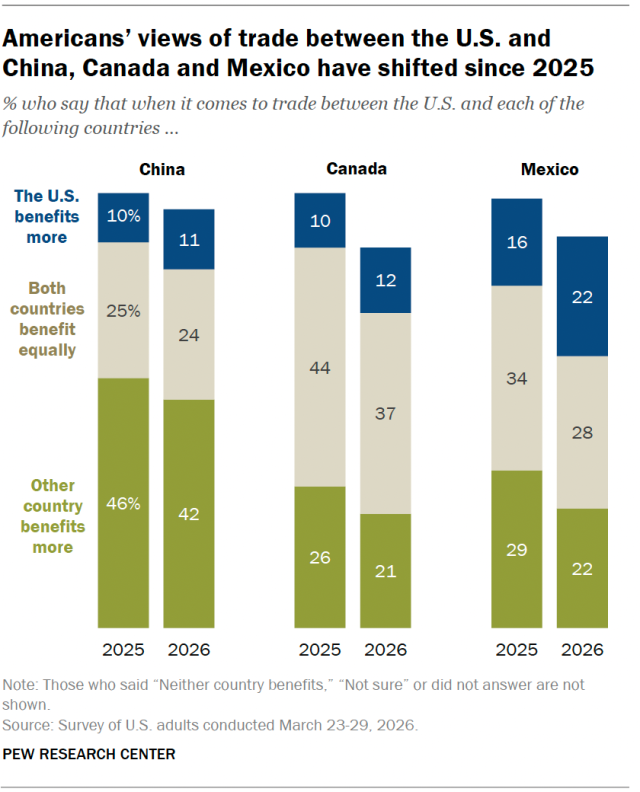
Beyond confidence in the President’s leadership, the Pew survey also probed public sentiment towards the U.S. trade relationships with its three largest trading partners: China, Canada, and Mexico. The data indicates a subtle but discernible shift in how Americans view these bilateral exchanges since the previous year.
Trade with China:
For years, the U.S. has grappled with a substantial trade deficit with China. Public opinion has largely reflected this imbalance, with a significant portion of Americans viewing the relationship as one where China benefits more than the U.S. While the exact figures show nuances, the overall sentiment suggests a persistent concern about the fairness and equity of trade with Beijing.
Trade with Canada:
Historically, the U.S. and Canada have shared one of the world’s largest and most integrated trading relationships. Perceptions of this trade balance have often been more balanced compared to China. However, the imposition of tariffs and ongoing trade discussions have introduced complexities, potentially influencing public views on who benefits most from this North American partnership.
Trade with Mexico:
Similar to Canada, trade with Mexico is a cornerstone of the North American economy. The dynamics of this relationship, including discussions around border security, immigration, and trade agreements like the USMCA (United States-Mexico-Canada Agreement), have often shaped public perceptions. The recent shift in trade deficit figures with Mexico has added another layer to this complex picture.
Partisan Divides on Trade Balance Beneficiaries
The survey data reveals that partisan viewpoints continue to color the perception of which country benefits most from trade relationships. Republicans, more so than Democrats, tend to believe that China, Canada, and Mexico gain more from their trade dealings with the United States. Conversely, Democrats are more inclined to see these trade relationships as more equitable, with both sides benefiting to a similar degree. This alignment of views has remained relatively consistent since 2025.
However, a notable trend has emerged: Republicans have become less likely over the past year to assert that other countries benefit more from trade with the U.S. For instance, the percentage of Republicans who believe Canada and Mexico benefit more than the U.S. from their respective trade relationships has decreased. This shift might indicate a subtle recalibration of views, potentially influenced by the administration’s rhetoric or observed economic outcomes.
A common thread across partisan lines is an increased uncertainty regarding the balance of benefits in North American trade. When questioned about the U.S.-Canada trade relationship, a larger proportion of both Republicans and Democrats in 2026 reported being unsure about which country benefits more, if at all, compared to the previous year. This heightened uncertainty suggests that the complexities of these interconnected economies, coupled with ongoing policy shifts, are leading to more nuanced and less definitive public assessments.
The Evolving Landscape of U.S. Trade Deficits
The underlying economic data provides crucial context for these public perceptions. China, Canada, and Mexico collectively represent a significant portion of U.S. international trade. In 2025, these three partners accounted for approximately 31.5% of all U.S. imports and 28.6% of all U.S. exports, underscoring their integral role in the American economy.
For decades, the U.S. has consistently experienced its largest bilateral trade deficit with China. However, a significant development occurred in 2025 when the trade deficit with Mexico surpassed that with China for the first time in over two decades. This economic shift, moving the largest deficit from Asia to North America, has profound implications for trade policy discussions and negotiations, particularly concerning the economic integration of the continent.
The total value of goods and services traded between the U.S. and these three key partners in 2025 was approximately $2.4 trillion, a slight decrease from $2.5 trillion in 2024. This overall figure reflects the substantial volume of economic activity, even as the balance of trade within these relationships has seen shifts.
Nationally, the U.S. trade deficit—the difference between the total value of imports and exports across all countries—also saw an increase in 2025. The deficit widened to $911.7 billion, up from $903.5 billion in 2024. This indicates that, overall, the U.S. continued to import more goods and services from the rest of the world than it exported, a persistent challenge that has fueled much of the administration’s trade policy.
Implications and Future Outlook
The Pew Research Center’s findings paint a picture of a public that, a year after the significant tariff implementation, remains skeptical of the current administration’s trade and tariff policies. The growing divergence in confidence levels between Republicans and Democrats suggests that trade remains a deeply partisan issue, with policy decisions often viewed through a political lens.
The shifts in perceptions regarding trade balances with China, Canada, and Mexico, particularly the unprecedented change in the largest deficit with Mexico, will likely shape future policy debates. As the administration continues to navigate complex trade relationships and their economic impacts, public opinion will remain a critical factor. The growing uncertainty about which countries benefit most from trade, especially within North America, may signal a public grappling with the intricate realities of globalized economies and the effectiveness of protectionist measures.
The data also underscores the ongoing challenge of reducing the overall U.S. trade deficit, a stated goal of the administration’s trade agenda. The continued reliance on imports, even amidst tariff impositions, highlights the deep integration of global supply chains and the complex economic factors that influence trade balances. As the U.S. moves forward, the interplay between policy decisions, economic realities, and public sentiment will continue to define the trajectory of its international trade relationships.
For a detailed look at the survey methodology, questions asked, and topline responses, please refer to the Pew Research Center’s accompanying documentation.