
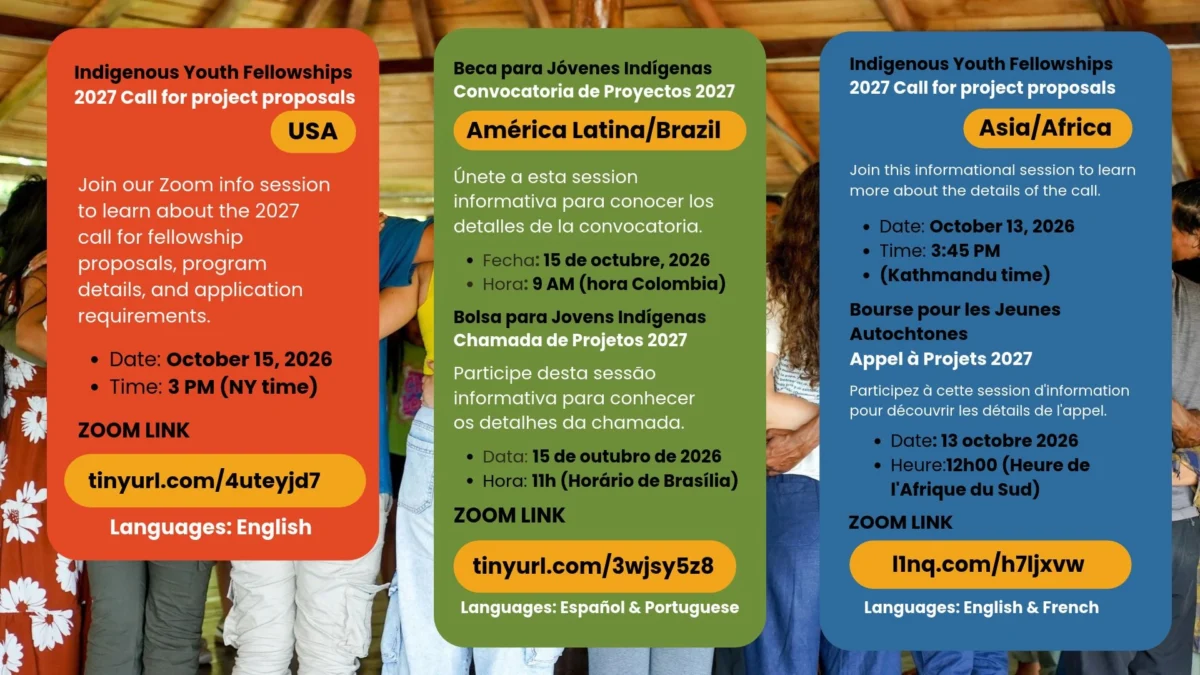
Cultural Survival has officially launched its highly anticipated Call for Proposals for the 2027 Indigenous Youth Fellowship program, marking another milestone in a multi-year effort to fortify cultural identity and cultivate leadership among young Indigenous change-makers worldwide. Applications are now officially open for individuals and youth-led groups seeking vital financial backing and mentorship to execute multidisciplinary, creative, and community-driven projects. The deadline for submitting proposal concepts is October 25, 2026, at 11:59 PM Eastern Time.
Since its inception in 2018, the Indigenous Youth Fellowship has established itself as a critical funding and development mechanism for young Indigenous leaders. Over the past several years, the initiative has successfully awarded more than 157 fellowships, generating positive ripple effects that have directly impacted over 350 Indigenous youth across diverse global communities. By channeling resources directly to the grassroots level, the program enables the younger generation to take active ownership of their cultural preservation, community development, and advocacy efforts.
Core Objectives and Program Scope
The fundamental mission of the Indigenous Youth Fellowship is twofold: to strengthen the foundational cultural identity of participating youth and to enhance their leadership capacity within their respective communities. Projects supported by the fellowship must be youth-led and designed to deliver tangible benefits to Indigenous populations.
Furthermore, the program encourages fellows to transcend local boundaries by amplifying community voices and drawing international attention to localized issues. Through global dialogues, media platforms, and collaborative networks, fellows act as bridges connecting their ancestral knowledge and contemporary community struggles with broader worldwide audiences.
The financial support provided through the fellowship acts as seed capital for initiatives that might otherwise lack access to institutional funding. Past and prospective projects span a broad spectrum of creative and structural endeavors, including traditional knowledge strengthening, skills training programs, educational workshops, community infrastructure improvements, multimedia documentation, traditional craft preservation, and innovative media campaigns.
Comprehensive 2027 Fellowship Timeline
To ensure transparency and allow prospective applicants adequate time to prepare their submissions, Cultural Survival has released a detailed timeline governing the 2027 fellowship cycle:
- Open Call for Proposal Concepts: October 4, 2026
- Deadline to Submit Proposal Concepts: October 25, 2026 (11:59 PM ET)
- Notification of Selected Fellows: December 4, 2026
- Awarding Stage: January–February 2027
- Mandatory Orientation Session: March 2027
- Fellowship Projects Officially Begin: April 1, 2027 (with project start flexibility permitted after March 1)
This structured schedule is designed to facilitate a thorough review process by the selection committee while giving successful candidates ample opportunity to onboard and prepare for project implementation by the spring of 2027.
Eligibility Requirements and Selection Priorities
The 2027 fellowship cycle is open to Indigenous youth—applying either as individuals or collaborative groups—who are prepared to spearhead creative, multidisciplinary initiatives tailored to their communities’ specific needs. To maintain the integrity and targeted focus of the initiative, applicants must meet specific baseline criteria established by Cultural Survival.
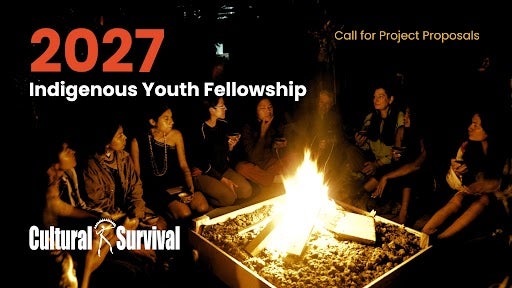
In an effort to promote equity, representation, and inclusivity, Cultural Survival has integrated explicit diversity priorities into its selection methodology. The organization actively prioritizes gender balance, strongly encouraging applications from young women and 2SLGBTIQ+ Indigenous youth who historically face compounding barriers to leadership and funding access. Additionally, geographic diversity remains a core consideration, ensuring that the final cohort of fellows reflects a wide array of Indigenous cultures, ecosystems, and socio-political contexts across the globe.
A cornerstone of the fellowship model is its comprehensive support system. Selected fellows are not left to navigate project implementation in isolation; rather, they work in close collaboration with Cultural Survival staff alongside a designated local mentor. These mentors voluntarily offer guidance, technical encouragement, constructive feedback, and institutional wisdom throughout the lifecycle of the project, fostering a nurturing environment for leadership development.
Application Process and Administrative Guidelines
Submitting an application requires navigating the organization’s digital portal. Applicants must first create an account on Good Grants, the designated platform hosting the application materials, before uploading their proposal concepts.
To reduce linguistic barriers and ensure accessibility for a truly global network of Indigenous youth, Cultural Survival accepts proposals in four major languages: English, Spanish, Portuguese, and French. This multilingual approach underscores the organization’s commitment to reaching marginalized linguistic groups within the broader Indigenous diaspora.
All submissions must be finalized and uploaded through the Good Grants platform no later than October 25, 2026, at 11:59 PM ET. Following the rigorous evaluation period, successful applicants will be publicly and privately notified on December 4, 2026, paving the way for the financial awarding phase in early 2027 and project kickoff in the spring.
Broader Implications and Global Impact
The continuation of the Indigenous Youth Fellowship program arrives at a critical juncture for Indigenous peoples worldwide. As Indigenous communities continue to grapple with the compounding pressures of climate change, cultural assimilation, resource extraction, and socio-economic marginalization, the role of youth leadership has never been more vital.
Experts in Indigenous rights note that traditional models of community governance often struggle to incorporate digital tools and contemporary advocacy strategies. By equipping youth with financial resources, mentorship, and global networking opportunities, initiatives like Cultural Survival’s fellowship bridge the gap between ancestral heritage and modern resistance. Young leaders are uniquely positioned to translate traditional ecological knowledge and cultural practices into modern mediums—such as digital storytelling, policy advocacy, and community-based enterprises—thereby ensuring the long-term survival and self-determination of their peoples.
Furthermore, by fostering international visibility, the fellowship empowers local communities to influence global policy frameworks regarding human rights, environmental protection, and cultural preservation. As past cohorts have demonstrated, youth-led initiatives often yield innovative solutions to entrenched local problems, creating sustainable models that can be replicated across different regions.
With the application window now wide open, Indigenous youth worldwide are encouraged to harness their creativity, articulate their community visions, and submit their proposals before the October 25 deadline. Through this sustained investment in youth leadership, Cultural Survival continues to reinforce the foundation upon which future generations of Indigenous resilience will be built.




