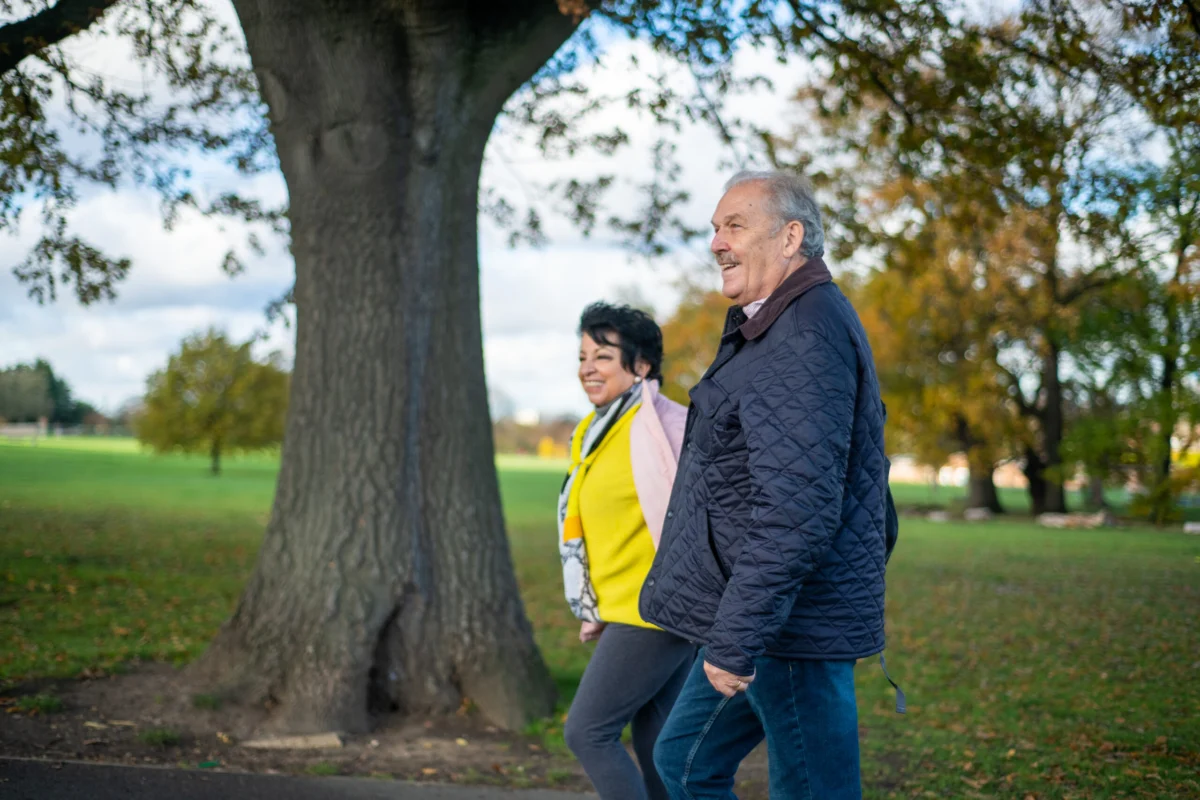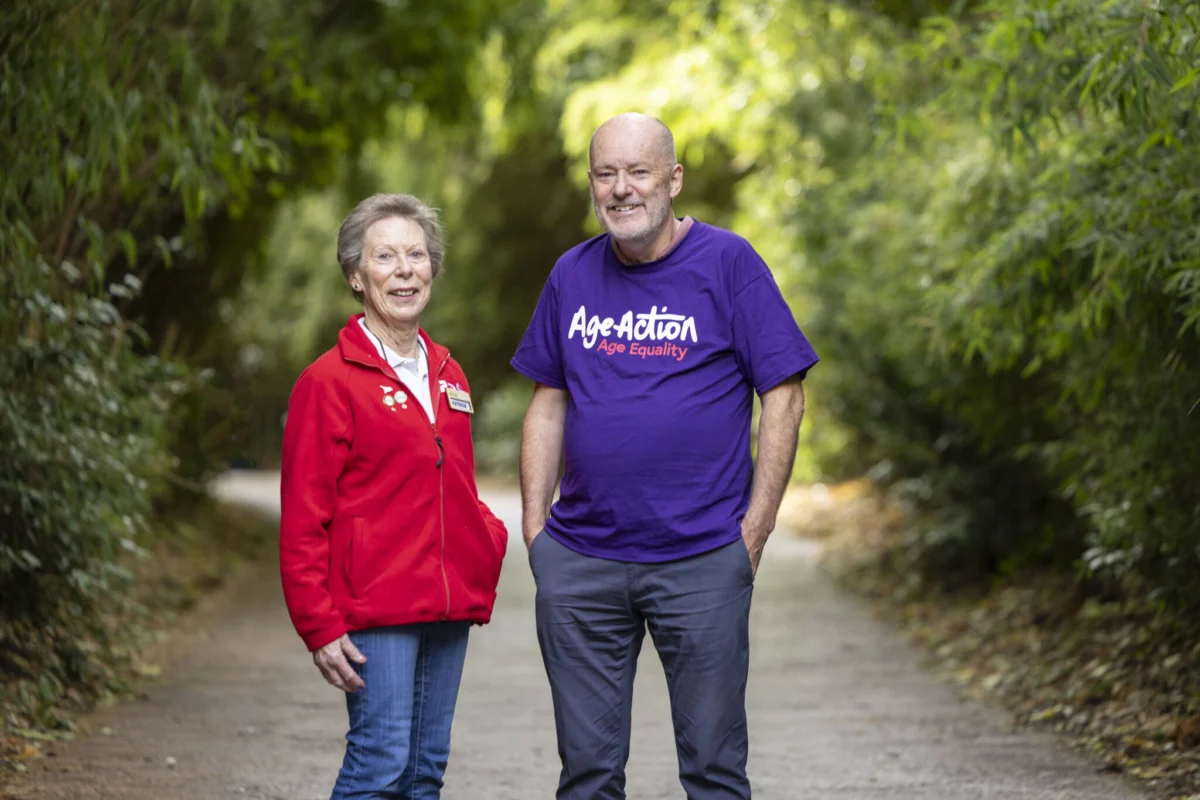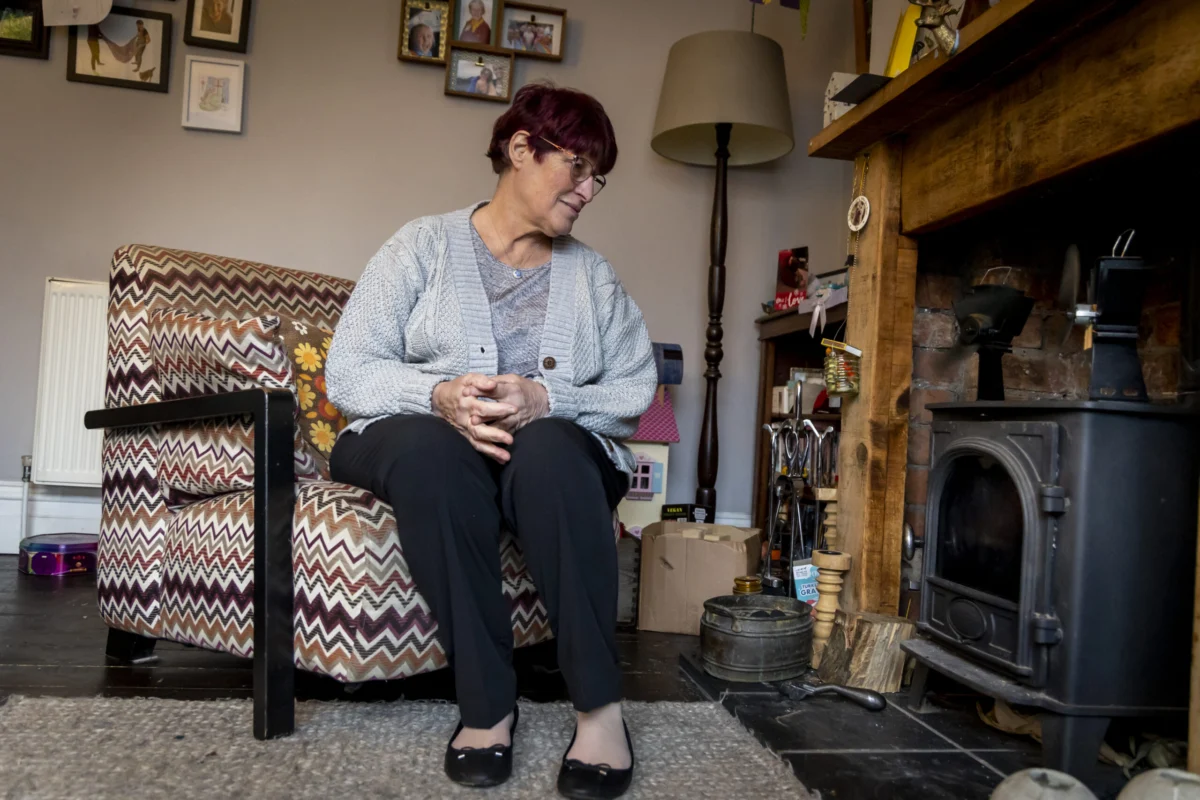
Since its inception in 1992, Age Action has served as a cornerstone of advocacy for the elderly in Ireland. The national charity, which has dedicated over three decades to championing the rights, voices, and contributions of older citizens, has officially announced a significant shift in its long-term operational timeline. The organization confirmed this week that it will extend its current Strategic Plan, titled "Action today for your tomorrow," by one year, moving its conclusion from December 2026 to December 2027.
This extension comes at a pivotal juncture for Irish society. As the nation experiences a rapid demographic shift characterized by increased life expectancy and a growing proportion of senior citizens, the demand for specialized support services and robust policy advocacy has reached unprecedented levels. The decision to prolong the current strategic cycle is intended to facilitate a more comprehensive consultation process, ensuring that the next iteration of the organization’s roadmap is informed by deep engagement with older people and evolving socioeconomic data.
A Changing Demographic Landscape
The demographic transformation of Ireland is one of the most significant challenges facing current and future administrations. According to data from the Central Statistics Office (CSO), the number of people aged 65 and over in Ireland is projected to increase dramatically over the next two decades. This trend is driven by improvements in public health, better living standards, and the natural maturation of the population profile.
This shift presents a dual-sided reality: it offers the opportunity for a society that benefits from the wisdom and continued participation of its older members, but it also creates immense pressure on healthcare systems, pension stability, and the provision of essential social services. Age Action’s mission to foster an "age-positive" Ireland—a society where older people are integrated, respected, and empowered—is becoming increasingly essential as the dependency ratio shifts.
The organization’s current strategic focus covers a wide range of critical areas, including its flagship "Care and Repair" service, which assists older people in maintaining their homes, and its "Getting Started" digital literacy program. The latter has become particularly vital in an era of increasing digital exclusion, where access to essential services is shifting rapidly to online-only platforms.
Chronology and Strategic Evolution
Age Action’s trajectory has been defined by a series of deliberate strategic cycles designed to adapt to the changing needs of the elderly. Since its founding 32 years ago, the organization has evolved from a small advocacy group into a national institution that provides frontline services.
The launch of the current Strategic Plan, "Action today for your tomorrow," in 2024 represented a clear commitment to six operational goals aimed at systemic change. By setting this roadmap, the charity sought to formalize its role as a bridge between the lived experience of older citizens and the policy-making apparatus of the Irish government.
However, the internal environment of the organization has seen significant changes recently, with leadership transitions occurring at both the Executive and Board levels. In corporate and non-profit governance, such changes often necessitate a recalibration of strategic priorities. By extending the current plan by 12 months, the new leadership team is signaling a commitment to "stability through consultation." This additional year is not a pause in operations, but rather a deliberate period of research and stakeholder engagement intended to prevent the "strategic drift" that can sometimes occur when new leadership inherits a pre-existing multi-year plan.
The Rationale for Extension
The decision to push the end date of the strategy to December 2027 is rooted in the need for high-quality, evidence-based policy development. Carrie Benn, Head of Fundraising & Communications at Age Action, articulated the necessity of this move, emphasizing that the experience of aging in Ireland is not static.
"Ireland is changing, and the experience of ageing in Ireland is changing with it," Benn stated. "As we look towards the next decade, it is vital that Age Action’s future work is grounded in evidence and, most importantly, informed by the voices and experiences of older people."
By providing an additional year of breathing room, the charity intends to gather robust data that captures the post-pandemic reality of older citizens. This includes understanding the impact of the cost-of-living crisis on fixed-income households, the persistent challenges of rural isolation, and the evolving requirements for home-based care. The extension allows for a more granular analysis of these factors, ensuring that when the next strategic cycle begins, it is equipped to address the specific, rather than the generalized, needs of the population.
Broader Implications for Policy and Society
The work undertaken by Age Action during this extended period will likely have significant implications for how Irish policymakers approach aging. In many respects, the charity acts as a barometer for the health of the social contract in Ireland. When older people face barriers to digital access, health services, or social participation, it is often Age Action that identifies the gap and advocates for a legislative or budgetary fix.
Economists and social policy analysts often point out that the "silver economy" is a growing force in Ireland, yet policy often lags behind the demographic reality. By extending its planning phase, Age Action is positioning itself to be a more effective advocate for legislative reform. If the organization can successfully synthesize the experiences of its beneficiaries into a clear, data-backed agenda for 2028 and beyond, it will provide the government with a clearer template for how to handle the inevitable increase in the demand for age-related support services.
Furthermore, the focus on digital literacy through the "Getting Started" program remains a critical societal intervention. As the Irish government pushes for the digitization of public services, the risk of marginalizing those who are not digitally native increases. Age Action’s commitment to this program throughout the extension period ensures that the most vulnerable populations are not left behind during this period of rapid technological transition.
Operational Continuity and Future Goals
Despite the change in the strategic timeline, the day-to-day mission of Age Action remains unchanged. The organization continues to operate its core services, which provide a tangible safety net for thousands of older people across the country.
The "Care and Repair" service, for instance, addresses a fundamental need for safe and dignified housing. For many older people, the inability to manage minor home repairs can lead to a decline in the quality of their living environment, which in turn impacts physical and mental health. By continuing to deliver these services with high efficiency, Age Action ensures that its advocacy work remains grounded in the realities of the people it serves.
Looking ahead, the organization will likely utilize this extended period to strengthen its internal capacity, improve its fundraising models, and perhaps explore new partnerships with public and private entities. The challenges of the next decade—ranging from the housing crisis to the sustainability of the pension system—will require an organization that is both agile and well-resourced.
Conclusion: A Proactive Stance
The decision by Age Action to extend its Strategic Plan to 2027 is a move characterized by pragmatism and a long-term view of organizational health. In an era where many organizations feel pressured to rush from one initiative to the next, Age Action has chosen a path of deliberate reflection.
By prioritizing meaningful consultation over the rigid adherence to a previous timeline, the charity is acknowledging that the complexities of aging in a modern, post-pandemic Ireland require more than just a set of pre-determined goals. It requires an evolving strategy that listens to the people it represents. As the organization prepares for this new chapter, it reinforces its role as an essential pillar of Irish civil society, dedicated to ensuring that as the nation grows older, it does so with dignity, agency, and inclusion.
The coming three years will be a period of intense activity for the charity as it balances the delivery of its current mandate with the foundational work required to build a sustainable, ambitious strategy for the future. For the older people of Ireland, this means a continued focus on advocacy and support, backed by an organization that is taking the necessary time to ensure that its work is as effective and relevant as possible in the years to come.