The legal framework governing human rights and equality in the United Kingdom, long considered a cornerstone of modern British democracy, faces an era of unprecedented scrutiny and potential transformation. While these protections are often perceived as immutable fixtures of the social contract, legal experts and advocacy groups warn that they are, in fact, statutory constructs vulnerable to the shifting priorities of the political landscape. The Human Rights Act 1998 and the Equality Act 2010, which provide the primary safeguards against discrimination and state overreach, have become central themes in a broader debate regarding national sovereignty, judicial interpretation, and the scope of individual liberties.
In recent years, a series of legislative proposals and political manifestos have signaled a move toward diluting or replacing these established statutes. Conservative administrations have previously scrutinized the Human Rights Act, proposing a British "Bill of Rights" that critics argued would have weakened the ability of individuals to hold the state accountable. Meanwhile, political entities such as Reform UK have campaigned on platforms that include the total repeal of the Equality Act 2010. Even within the Labour Party, discussions have emerged regarding the review of how rulings from the European Court of Human Rights (ECtHR) are applied domestically, suggesting that the consensus on human rights law is no longer absolute across the political spectrum.
The Historical Evolution of UK Rights Legislation
To understand the current tension, it is necessary to examine the origins of these protections. The United Kingdom played a pivotal role in the aftermath of World War II, serving as a primary architect of the European Convention on Human Rights (ECHR). Drafted in the spirit of "never again," the ECHR was intended to prevent the recurrence of the atrocities witnessed during the 1930s and 40s by enshrining the lessons of history into a binding international treaty.
However, for decades, UK citizens had to take cases to the court in Strasbourg to seek redress for violations of the Convention. This changed with the passage of the Human Rights Act 1998, which "brought rights home" by allowing UK courts to hear human rights cases directly. This act guarantees core protections, including the right to life, freedom from torture, the right to a fair trial, and freedom of expression. It serves as a check on the power of public bodies, ensuring that government actions remain consistent with fundamental liberties.
The Equality Act 2010 followed a different trajectory, aimed at consolidating over 40 separate pieces of legislation—including the Sex Discrimination Act 1975 and the Race Relations Act 1976—into a single, comprehensive framework. By harmonizing these laws, the Act established nine "protected characteristics": age, disability, gender reassignment, marriage and civil partnership, pregnancy and maternity, race, religion or belief, sex, and sexual orientation. This legislation transformed the British workplace and public life, making it unlawful to deny services, housing, or employment based on these traits.
Current Political Challenges and Legislative Rollbacks
The stability of these acts has been increasingly challenged by legislative maneuvers and policy shifts. During the tenure of various Conservative governments, specific duties within the Equality Act were left uncommenced or were actively weakened. For instance, Section 1 of the Equality Act, known as the "Socio-economic Duty," requires public authorities to consider how their decisions can reduce the inequalities resulting from socio-economic disadvantage. While the governments of Scotland and Wales have commenced this duty, it remains dormant in Westminster, limiting its impact across England.
The proposed "Bill of Rights Bill," introduced in 2022 under then-Justice Secretary Dominic Raab, represented one of the most significant attempts to overhaul the human rights framework. Although the bill was eventually dropped, its provisions sought to limit the "positive obligations" of the state and reduce the influence of ECtHR case law on British courts. Civil liberties organizations, including Liberty and Amnesty International, warned that such changes would create a "tiered" system of rights where some individuals would find it harder to seek justice than others.
The rise of Reform UK has further polarized the debate. The party’s pledge to scrap the Equality Act entirely is based on the argument that the legislation encourages "woke" culture and imposes unnecessary bureaucratic burdens on businesses. Conversely, proponents of the Act argue that its removal would legalise various forms of discrimination that have been prohibited for decades, such as refusing service to disabled individuals with assistance dogs or denying hotel bookings to same-sex couples.
The Role of Media and Public Perception
The debate over legal protections is frequently shaped by a media landscape that critics describe as highly concentrated and ideologically driven. Research indicates that approximately 90% of the UK’s newspaper circulation is controlled by just three billionaires. This concentration of ownership has been linked to long-term campaigns aimed at delegitimizing human rights frameworks.
Common media narratives often frame human rights as "loopholes" used by criminals or "special treatment" for marginalized groups. These depictions frequently rely on "clickbait" headlines or distorted interpretations of legal rulings to incite public frustration. Legal analysts argue that this is a "divide-and-rule" strategy designed to obscure the fact that human rights laws protect all citizens, not just specific minorities. For example, the Human Rights Act was instrumental in the Hillsborough disaster inquests and the investigation into the Mid-Staffordshire NHS Foundation Trust scandal, cases that involved the rights of a broad cross-section of the British public.
Supporting Data: Inequality and Enforcement
The impact of potentially weakening these laws is underscored by current data on inequality in the UK. According to reports from the Trades Union Congress (TUC), the enforcement of equality duties has been hampered by a decade of underfunding for the Equality and Human Rights Commission (EHRC). When enforcement agencies are under-resourced, the rights guaranteed on paper often fail to materialize in practice.
Furthermore, the "Socio-economic Duty" remains a critical point of contention. Data from The Equality Trust suggests that the UK is one of the most unequal countries in the developed world, with the richest 10% of households holding 43% of all wealth, while the bottom 50% hold only 9%. Advocacy groups argue that if Section 1 of the Equality Act were fully commenced in England, public bodies would be legally required to address these disparities during the budget-setting and policy-making processes, potentially mitigating the effects of the cost-of-living crisis.
Analysis of Implications: A Risk of Regression
The potential repeal or dilution of the Equality Act and the Human Rights Act carries profound implications for British society. If these protections are eroded, the UK risks a "regression" of civil liberties, a phenomenon currently being observed in other Western democracies. In the United States, for instance, the reversal of long-standing legal precedents has demonstrated how quickly established rights can be dismantled through judicial and political shifts.
A weakened human rights framework would likely lead to:
- Reduced Accountability: Public bodies would face less pressure to ensure their actions do not infringe on individual liberties.
- Increased Discrimination: Without the clear prohibitions of the Equality Act, marginalized groups would have fewer legal avenues to challenge unfair treatment in employment and services.
- Legal Uncertainty: Replacing established statutes with new, untested "Bills of Rights" could lead to years of litigation as courts struggle to interpret new terminology, creating instability for both individuals and businesses.
- International Isolation: Significantly diverging from the ECHR could strain the UK’s relationship with the Council of Europe and impact various international agreements, including the Trade and Cooperation Agreement with the European Union, which contains provisions regarding human rights standards.
The Path Forward for Advocacy
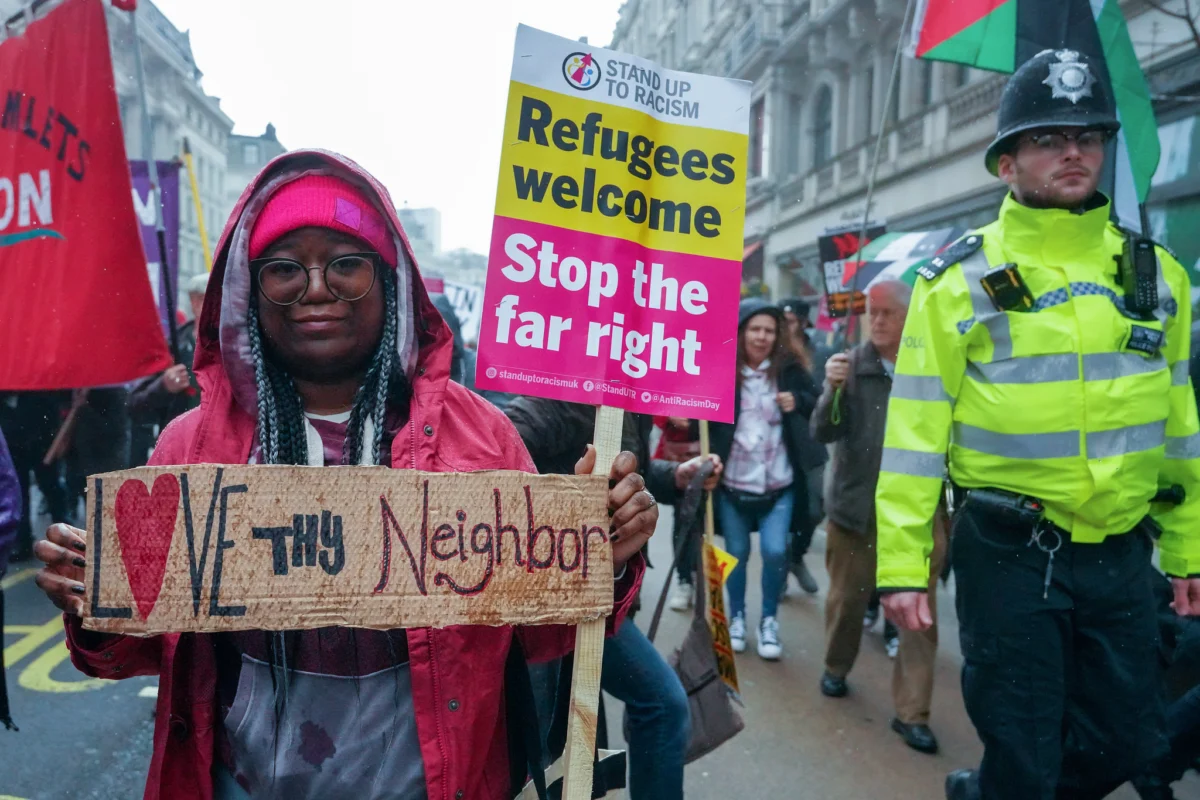
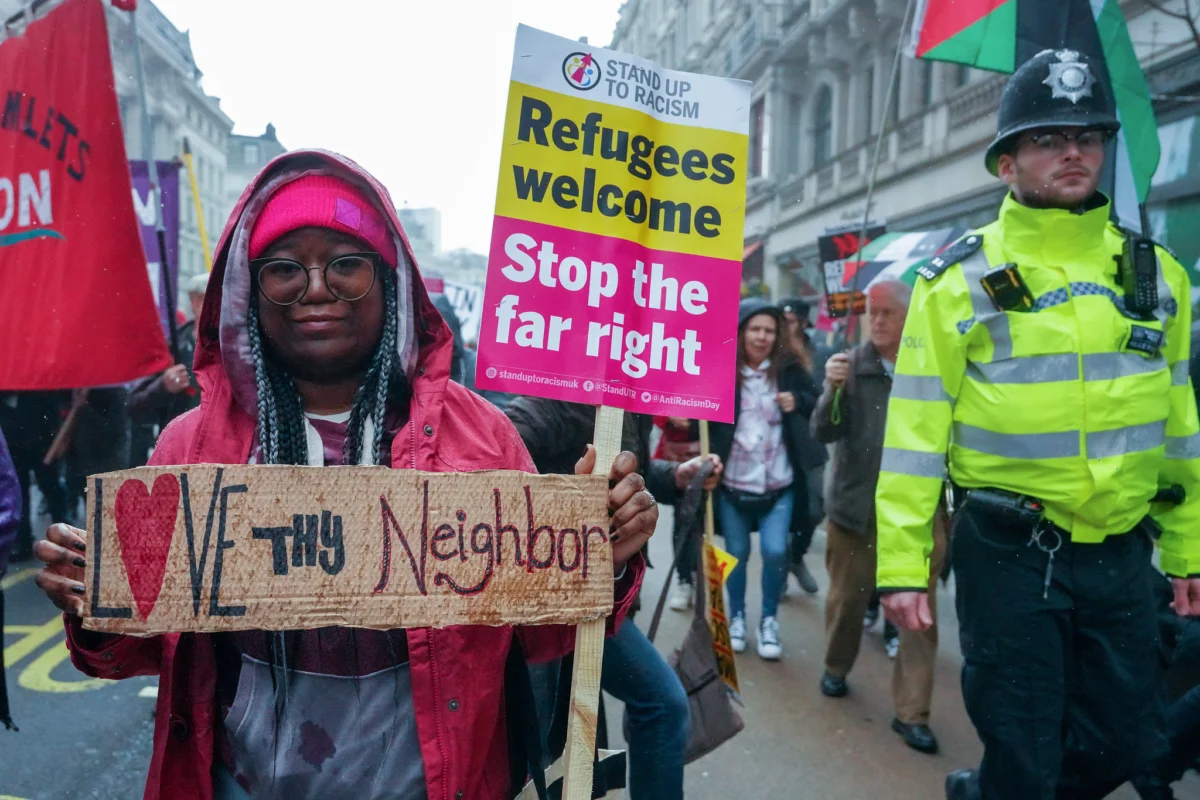
In response to these threats, organizations like The Equality Trust and various civil society coalitions are intensifying their efforts to defend the existing legal framework. Their strategy involves a combination of research-led policy advocacy and grassroots mobilization. By highlighting the practical successes of these laws—such as protecting pregnant workers from unfair dismissal or ensuring elderly residents receive dignified care in state-run facilities—they aim to counter the misinformation that often dominates public discourse.
Vanessa Boon, a Senior Policy & Advocacy Leader at The Equality Trust, emphasizes that the fight for rights is not merely about maintaining the status quo but about fulfilling the original intent of the legislation. The push for the commencement of the socio-economic duty in Westminster is a primary example of this proactive approach, seeking to expand the scope of equality law to address the structural causes of poverty and wealth disparity.
As the political cycle continues, the future of the UK’s rights framework remains a pivotal issue. The tension between political rhetoric and legal protection suggests that the safeguards currently enjoyed by the British public are not guaranteed by default. Instead, their preservation depends on a combination of robust legal defense, accurate public information, and a continued commitment to the principle that fundamental rights must remain universal and non-negotiable.
The coming years will determine whether the UK reinforces its commitment to the "never again" spirit of the post-war era or moves toward a more fragmented and conditional system of legal protections. For now, the debate remains a critical barometer of the health of British democracy and the value placed on the dignity and equality of all its citizens.