On January 29, 2026, the Midlands Arts Centre (MAC) in Birmingham served as the focal point for a significant cross-sector dialogue aimed at addressing the widening gap in cultural participation across the city. Organized by The Equality Trust and supported by the Barrow Cadbury Trust, the "Re-imagine Brum" workshop and film screening brought together community advocates, academics, and local residents to confront a pressing reality: the systemic erosion of access to arts, culture, and leisure due to ongoing socio-economic inequality. Led by Charlie McNeill, Senior Project Officer for Socio-Economic Duty (SED), the event functioned as both a retrospective of community-led research and a forward-looking strategy session for grassroots urban renewal.

The centerpiece of the gathering was the premiere of "Conversations of Change: Access to arts, culture, entertainment and recreation in Birmingham," a documentary film produced by a dedicated team of Community Reporters. This project, which utilized the lived experiences of residents to map the city’s changing cultural geography, highlighted the profound impact of national and local funding cuts on the social fabric of the West Midlands. By documenting the intersection of the cost-of-living crisis and the closure of community hubs, the initiative sought to provide a factual basis for a reimagined Birmingham—one where cultural engagement is viewed as a fundamental right rather than a luxury.
The Socio-Economic Context of Birmingham’s Cultural Decline
The "Re-imagine Brum" initiative emerges against a backdrop of severe fiscal challenges for the city. In recent years, Birmingham has navigated a complex landscape of municipal budget constraints, which have necessitated difficult decisions regarding the funding of non-statutory services. Arts venues, youth centers, and community-led creative projects have frequently been the first to face reductions or total closures. This trend is not isolated to Birmingham but reflects a broader national pattern of austerity that has disproportionately affected urban centers with high levels of socio-economic deprivation.
According to data from the Department for Culture, Media and Sport (DCMS), there remains a persistent "participation gap" in the United Kingdom. Individuals from higher socio-economic backgrounds are significantly more likely to engage with formal cultural institutions, such as theaters and galleries, than those from lower-income brackets. In Birmingham, this gap has been exacerbated by the cost-of-living crisis, which has forced many households to prioritize essential spending—such as food and energy—over discretionary activities like music lessons, festival attendance, or sports club memberships.
The workshop participants noted that the loss of these spaces does more than just limit entertainment options; it removes the "third spaces" necessary for community cohesion. When a library or a local arts center closes, the neighborhood loses a site for intergenerational exchange, skill-building, and civic engagement. This "broken system," as identified by The Equality Trust, manifests as a form of cultural exclusion that reinforces existing class divides.
Chronology of the Community Reporter Project
The development of the film and the subsequent workshop followed a rigorous timeline of community engagement and data collection:
- Recruitment and Training (Mid-2025): The Equality Trust recruited three local residents—Alev, Arash, and Jennifer—to serve as Community Reporters. These individuals were trained in interview techniques, ethical reporting, and narrative storytelling to ensure the project was led by those with a deep understanding of Birmingham’s diverse neighborhoods.
- Field Research and Interviewing (Late 2025): The reporters conducted extensive interviews across the city. They spoke with a wide demographic of "Brummies," ranging from young artists struggling to find affordable rehearsal space to elderly residents who had witnessed the decline of local social clubs.
- Production and Post-Production: Working with film editor Keiran Fuller, the reporters synthesized hours of footage into a cohesive narrative. The goal was to move beyond mere statistics and present the human face of socio-economic inequality.
- The MAC Workshop (January 29, 2026): The project culminated in the public screening and collaborative workshop. This event was designed to translate the film’s findings into actionable "grand plans" for city-wide change.
Expert Perspectives on Cultural Democracy
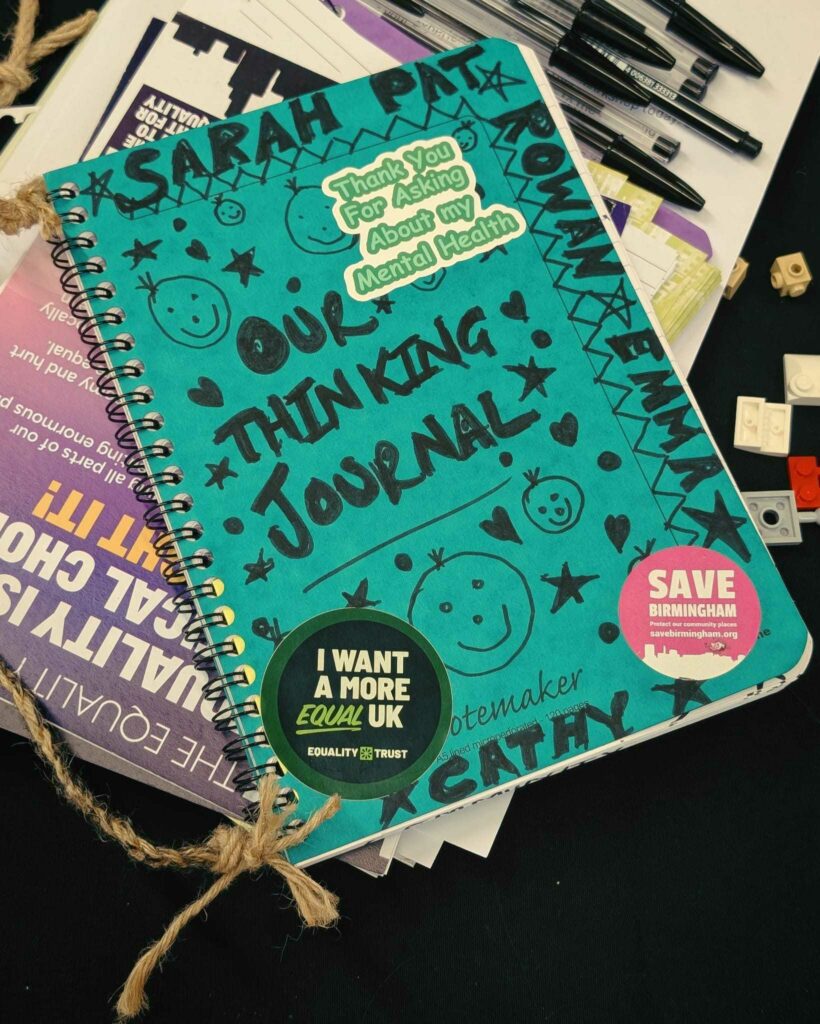
The workshop featured contributions from a panel of experts who provided academic and practical context to the reporters’ findings. Kathy Hopkin, representing the "Save Birmingham" campaign, emphasized the importance of protecting local assets from being sold off or repurposed for private development. Her organization has been at the forefront of advocating for the "Asset of Community Value" status for vulnerable sites, arguing that the city’s heritage and social infrastructure are essential to its economic recovery.
Dr. Pat Rozbicka from Aston University provided a structural analysis of the creative industries in the region. Her research highlights how the precarious nature of creative work, combined with the lack of affordable infrastructure, threatens to drain Birmingham of its artistic talent. Dr. Rozbicka’s contributions underscored the need for policy-level interventions that treat culture as a public good, similar to healthcare or education.
Ian Francis, director of the Flatpack Festival, offered insights from the perspective of Birmingham’s independent arts sector. He discussed the challenges of maintaining inclusive programming in a climate where traditional funding streams are drying up. The consensus among the speakers was that "Cultural Democracy"—a model where all citizens have the means and the opportunity to participate in and shape cultural life—must be the cornerstone of a reimagined Birmingham.
Findings from the "Re-imagine Brum" Workshop
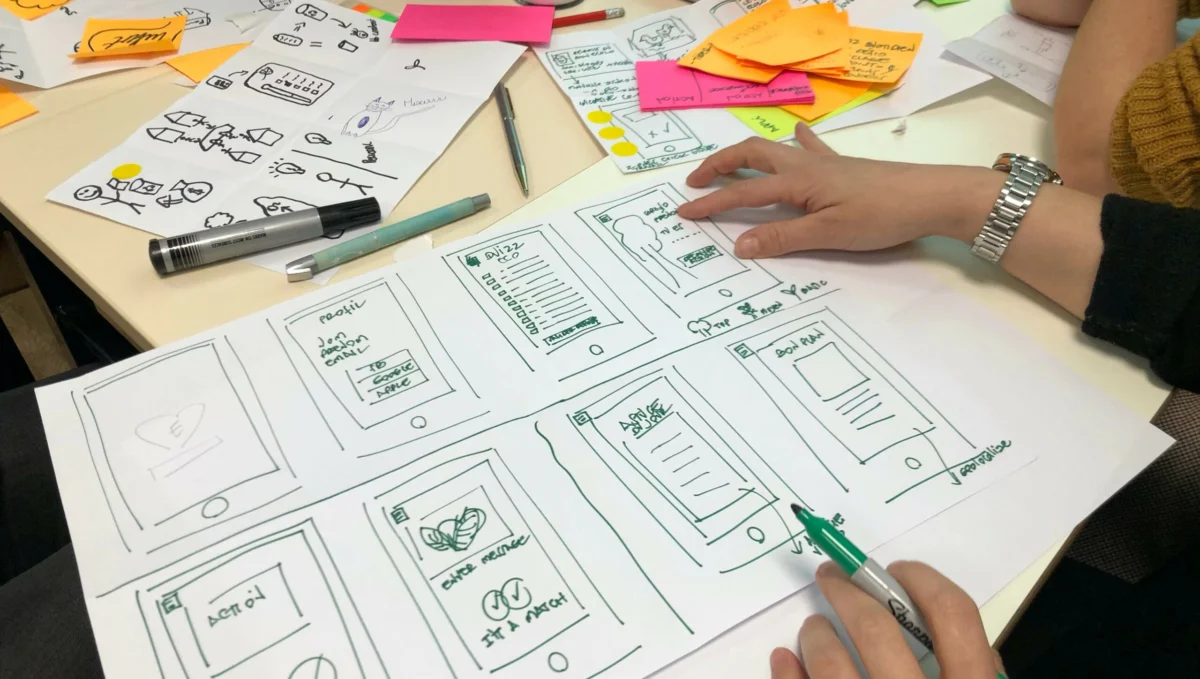
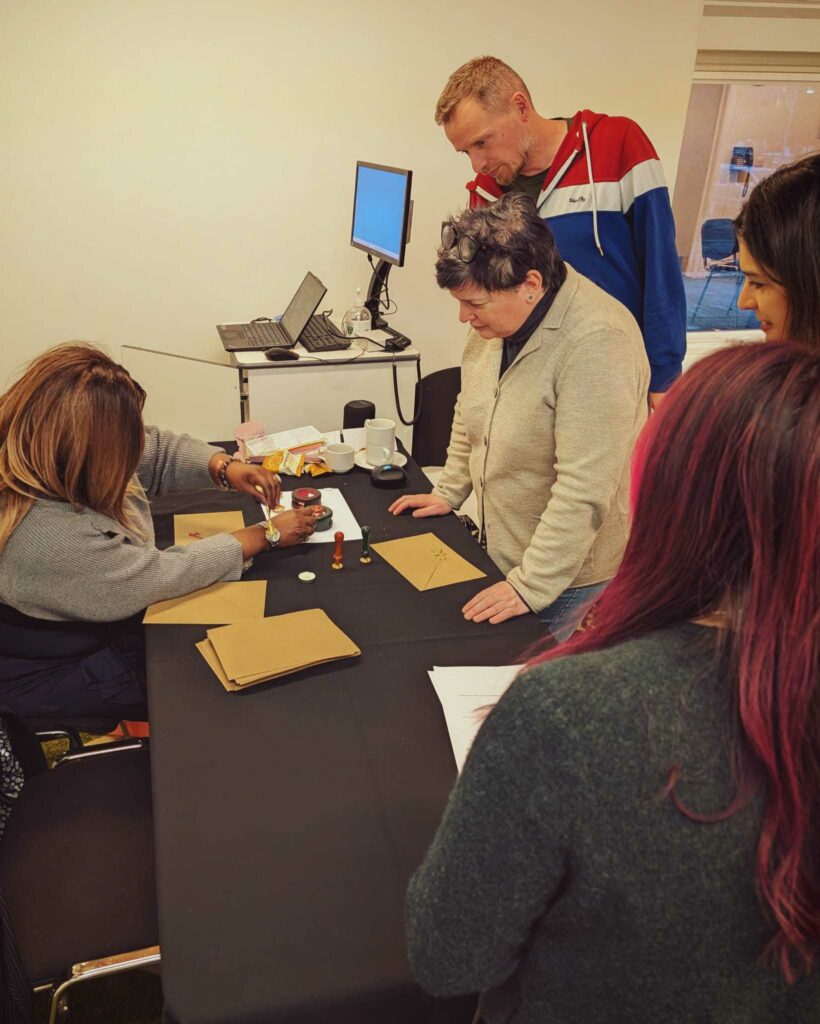
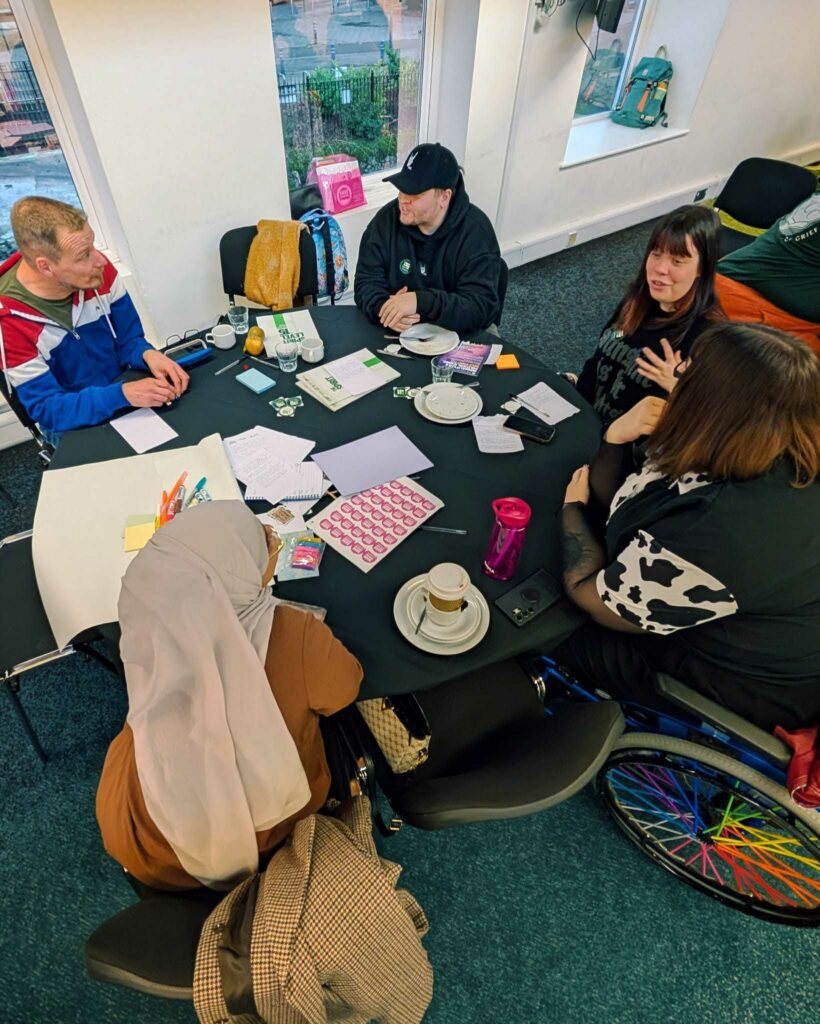
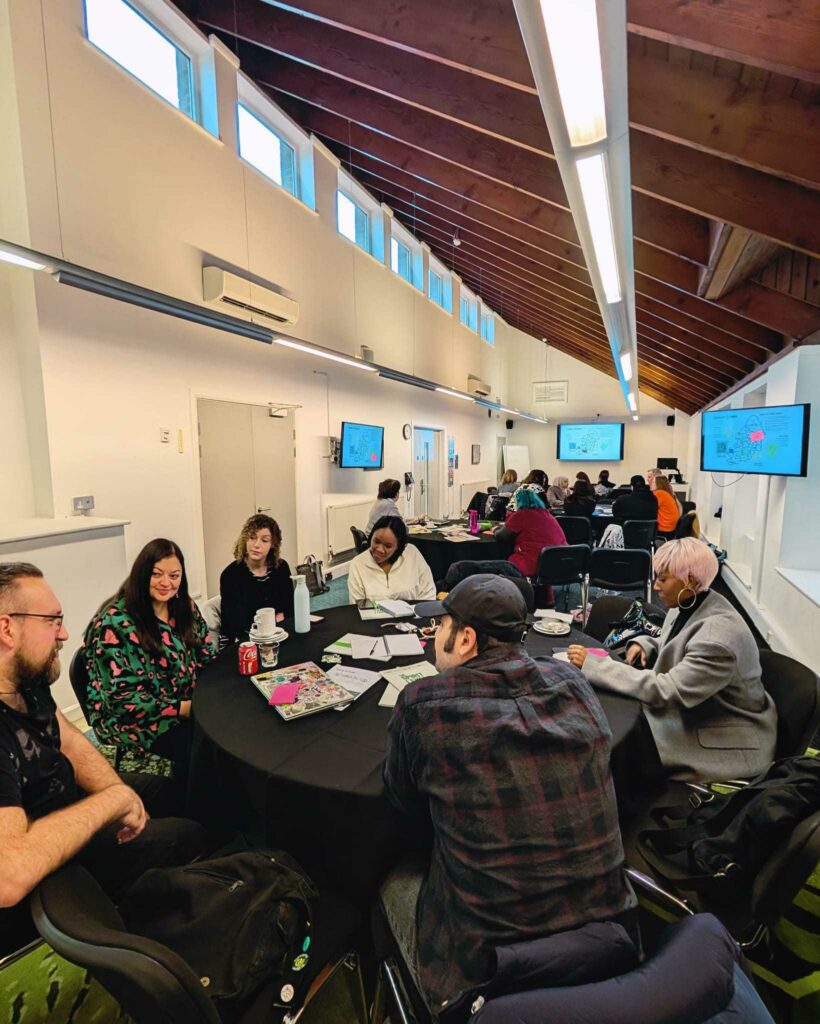
The interactive portion of the event allowed attendees to dissect the barriers identified in the film and brainstorm solutions. The discussions were categorized into three primary themes:
1. Physical and Financial Barriers
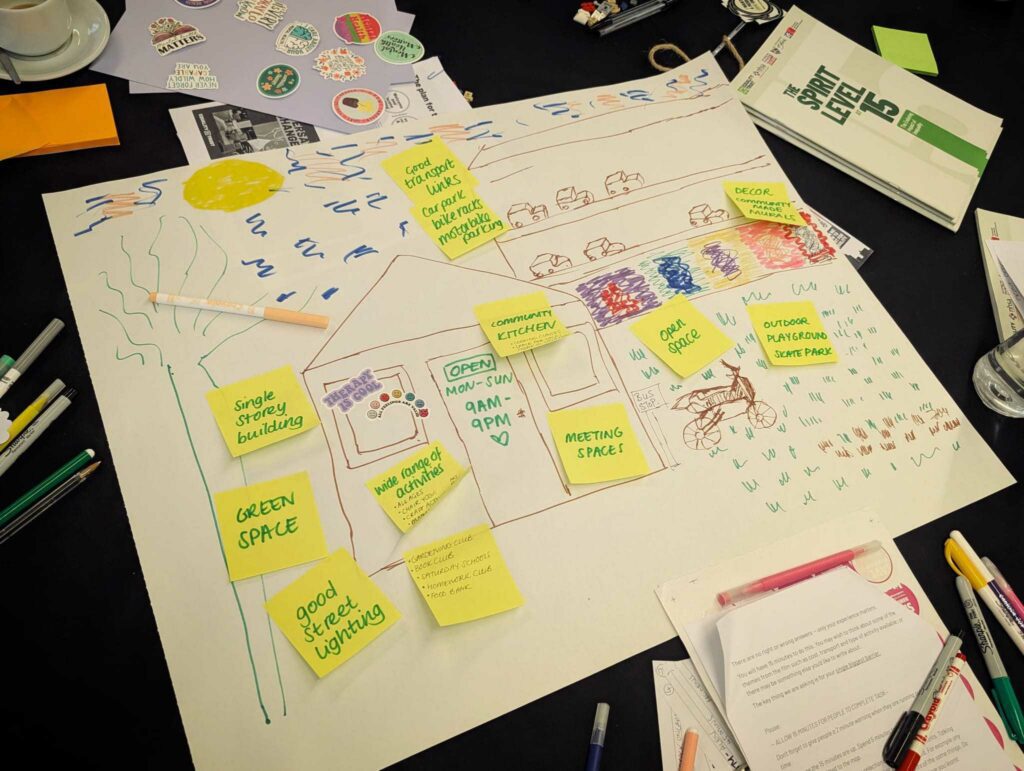
Participants identified that even when cultural events are technically "free," the hidden costs of participation are often prohibitive. This includes the rising cost of public transport, the lack of affordable childcare, and the physical inaccessibility of certain venues. The "Re-imagine Brum" vision includes a city with integrated, low-cost transport links that specifically serve peripheral neighborhoods, ensuring that the city center’s cultural offerings are accessible to all.
2. Representation and Belonging
A recurring theme in the Community Reporters’ work was the feeling that certain cultural spaces "were not for people like us." This sense of alienation is often tied to a lack of representation in programming and leadership. The workshop participants advocated for a shift toward community-led curation, where local residents have a direct say in the types of events and projects funded in their areas.
3. The Digital Divide
While digital platforms offer new avenues for cultural consumption, they are not a substitute for physical interaction. Furthermore, the "digital divide" remains a significant hurdle for low-income families who may lack high-speed internet or the necessary devices. The workshop emphasized that a reimagined Birmingham must balance digital innovation with a renewed commitment to physical, neighborhood-based social infrastructure.
Broader Implications and Economic Justice
The project was funded as part of the Barrow Cadbury Trust’s place-based economic justice program. This framework recognizes that economic inequality is not just about income, but about the "social wage"—the collective services and amenities that make life worth living. When a city fails to provide equitable access to culture and recreation, it diminishes the quality of life for its most vulnerable citizens, leading to increased social isolation and a decline in mental well-being.
The Equality Trust’s focus on the Socio-Economic Duty (SED) is particularly relevant here. Section 1 of the Equality Act 2010, which contains the Socio-Economic Duty, requires public bodies to consider how their decisions can reduce the inequalities of outcome which result from socio-economic disadvantage. While this duty is not yet fully mandatory for all local authorities in England, the "Re-imagine Brum" initiative serves as a powerful argument for its implementation. By analyzing the impact of funding cuts through the lens of the SED, advocates can hold decision-makers accountable for the disparate impact of austerity on low-income communities.
Conclusion and Future Outlook
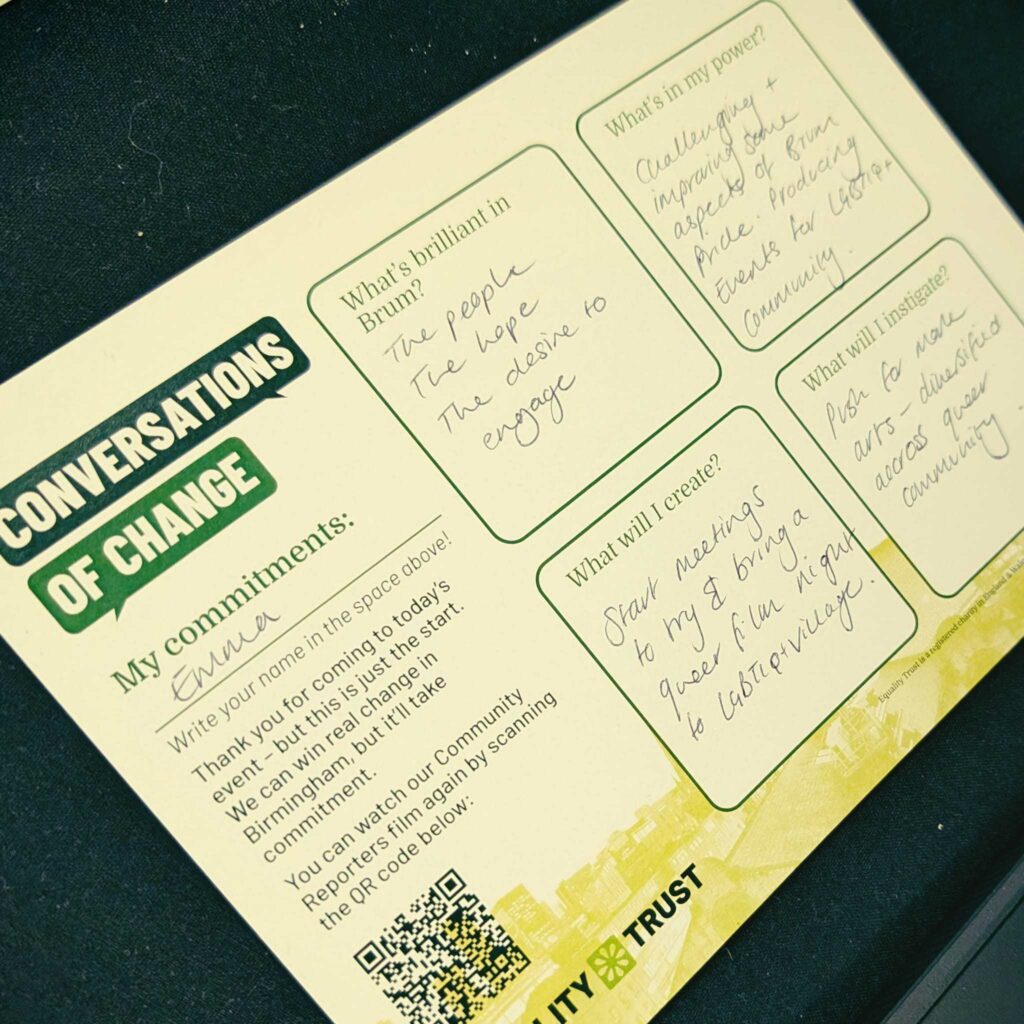
The "Re-imagine Brum" event concluded with a call to action. The stories gathered by Alev, Arash, and Jennifer are intended to serve as a toolkit for future advocacy, providing a qualitative evidence base that can be used to lobby for fairer resource allocation. The "grand plans" developed during the workshop range from the establishment of community-owned arts cooperatives to the creation of a "Cultural Land Trust" to protect vital spaces from the commercial real estate market.
As Birmingham looks toward the remainder of the decade, the findings of this project suggest that the city’s resilience will depend on its ability to foster an inclusive cultural ecosystem. The collaboration between The Equality Trust, local reporters, and academic experts represents a new model for urban problem-solving—one that prioritizes the voices of those most affected by inequality. The success of the January 29th workshop indicates that while the system may be currently strained, the collective will to "re-imagine" a more equitable Birmingham remains a potent force for change.