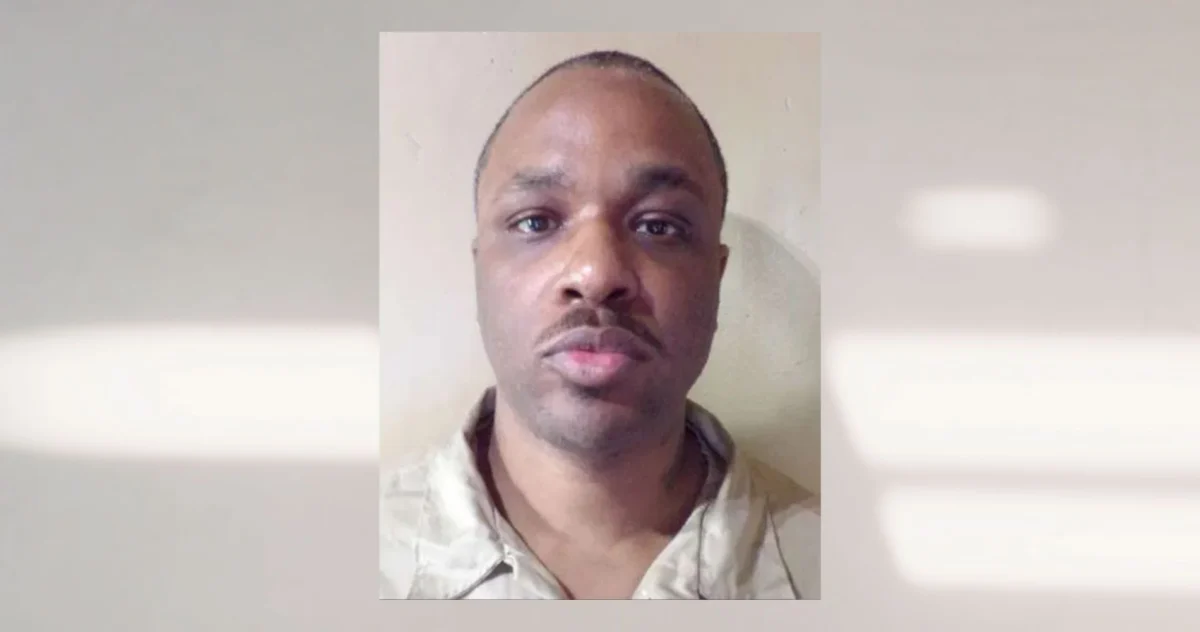
The United States Supreme Court on Monday delivered a definitive ruling in the protracted legal battle of Michael Sockwell, 63, declining to review an Eleventh Circuit Court of Appeals decision that mandates a new trial for the Alabama man. This pivotal development, coming 36 years after Sockwell was initially sentenced to death, effectively upholds the federal appeals court’s finding that his constitutional rights were violated by racially discriminatory jury selection during his original 1990 capital murder trial. The Supreme Court’s refusal to intervene solidifies the directive for Montgomery County prosecutors to prepare for a new trial by March 18 or release Sockwell, who has spent more than three decades on Alabama’s death row.
A Decades-Long Fight for Justice: The Case of Michael Sockwell
Michael Sockwell’s journey through the labyrinthine American justice system began with the tragic events of 1988. He was charged in connection with the killing of a Montgomery sheriff’s deputy, an incident that prosecutors alleged was orchestrated by the deputy’s own wife. The gravity of the charge, capital murder, set the stage for a trial that would later be scrutinized for profound irregularities, particularly concerning the fairness and impartiality of the jury selection process.
During the 1990 trial, the prosecution was led by then-Assistant District Attorney Ellen Brooks. It was her conduct during jury selection that formed the bedrock of the subsequent successful appeals. Brooks notably struck 80% of the qualified Black prospective jurors from the pool. In a stark admission that would later become a critical piece of evidence, she explicitly stated that she struck one Black man because he shared the "same race, sex, and age" as the defendant, Mr. Sockwell. This admission, coupled with the pattern of strikes, raised immediate red flags regarding potential racial bias.
Despite the conviction for capital murder, the jury in Sockwell’s case did not unanimously recommend the death penalty. Instead, they voted 7-5 to impose a sentence of life without parole. However, in a practice that was legal in Alabama at the time, the trial judge chose to override the jury’s recommendation and imposed the death penalty on Mr. Sockwell. This judicial override was a significant feature of Alabama’s capital punishment system for decades, making it an outlier among states.
The Troubling History of Judge Override in Alabama
The practice of judge override, wherein a judge could impose a death sentence even when a jury recommended life imprisonment, or vice versa, was a contentious aspect of Alabama’s justice system. Until Alabama became the last state to eliminate this practice in 2017, its judges routinely overrode jury verdicts of life and imposed the death penalty. Data from the Equal Justice Initiative (EJI) indicates that Alabama judges overrode jury life verdicts to impose death in at least 111 cases between 1976 and 2017. In contrast, judges overrode jury death verdicts to impose life in only nine cases during the same period. This statistical imbalance highlighted concerns about judicial overreach and the potential for arbitrary application of the death penalty. The abolition of judge override in 2017 marked a significant reform, acknowledging the importance of jury consensus in capital sentencing and bringing Alabama in line with nearly every other state. Mr. Sockwell’s case is a stark reminder of the human cost of this now-defunct practice.
Systemic Racial Bias: A Pattern of Discrimination in Montgomery County
The Eleventh Circuit Court of Appeals’ decision to grant Mr. Sockwell a new trial centered heavily on the documented pattern of racial discrimination in jury selection. The court’s findings were damning, explicitly stating that prosecutors had violated Sockwell’s right to a fair trial by illegally striking potential jurors based on their race.
The federal appeals court meticulously detailed Assistant District Attorney Ellen Brooks’ "significant history of striking jurors in a racially discriminatory manner right before and during Sockwell’s trial in 1990." Both of Alabama’s appellate courts had previously identified several instances of Brooks striking Black jurors in violation of Batson v. Kentucky.
Understanding Batson v. Kentucky
Batson v. Kentucky, a landmark 1986 Supreme Court decision, established a procedure for courts to intervene when racial bias infects jury selection. The ruling held that a prosecutor’s use of peremptory challenges to exclude potential jurors solely on account of their race violates the Equal Protection Clause of the Fourteenth Amendment. To challenge a strike under Batson, the defendant must first show a prima facie case of racial discrimination. The burden then shifts to the prosecutor to provide a race-neutral explanation for the strike. Finally, the trial court must determine whether the defendant has proven purposeful discrimination. While Batson was intended to curb racial bias, its application has often been criticized for its limitations, as prosecutors can frequently offer pretextual, race-neutral reasons that courts accept. However, in Mr. Sockwell’s case, the evidence of purposeful discrimination was deemed "overwhelming."
The Eleventh Circuit’s findings extended beyond Ellen Brooks, noting that she "was not the only culprit within the Montgomery County District Attorney’s office." The court specifically mentioned Bruce Maddox, another prosecutor who also engaged in striking Black jurors in a racially discriminatory manner. Maddox had been repeatedly chastised by the Alabama Supreme Court for necessitating costly retrials by continuing to strike potential Black jurors for "whimsical, ad hoc excuses" that the court had previously rejected. This revelation paints a picture of a systemic issue within the Montgomery County District Attorney’s office during that period, where discriminatory jury selection practices were not isolated incidents but rather a more pervasive problem.
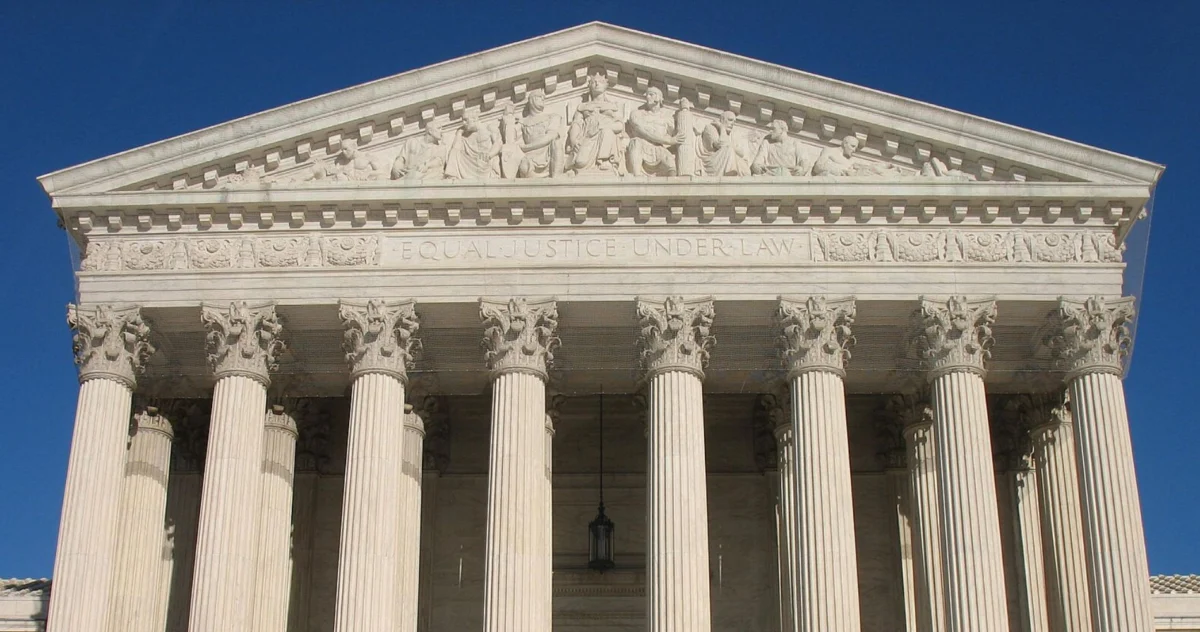
In Mr. Sockwell’s trial, Ms. Brooks struck eight of the ten Black jurors from his jury pool. The federal court conducted a comparative juror analysis, examining the reasons Brooks provided for striking Black jurors against her reasons for not striking white jurors with similar characteristics. This analysis led the court to conclude there was a "substantial likelihood of race-based considerations in the exercise of those strikes." The "overwhelming evidence in this record," as stated by the federal appeals court, unequivocally demonstrated that the prosecutor’s racially discriminatory strikes violated Mr. Sockwell’s rights under the Equal Protection Clause, leading to the granting of habeas relief. The court’s unequivocal conclusion, "Equal justice under law requires a criminal trial free of racial discrimination in the jury selection process," underscores the fundamental importance of an impartial jury to the integrity of the justice system.
Chronology of a Protracted Legal Battle
- 1988: Michael Sockwell is charged in the killing of a Montgomery sheriff’s deputy.
- 1990: Sockwell is convicted of capital murder. The jury votes 7-5 for life without parole, but the trial judge overrides this recommendation and sentences him to death.
- 1990 – 2023 (Over 30 years): Sockwell remains on Alabama’s death row, pursuing appeals through state and federal courts.
- 2017: Alabama officially eliminates the practice of judge override in capital cases, becoming the last state to do so.
- Summer [previous year]: The Eleventh Circuit Court of Appeals grants Mr. Sockwell a new trial, finding that prosecutors violated his right to a fair trial by illegally striking potential jurors based on their race, a Batson violation.
- Autumn [previous year]: The State of Alabama petitions the U.S. Supreme Court to review the Eleventh Circuit’s decision.
- November [previous year]: A federal judge directs Montgomery County prosecutors to make plans for a new trial by March 18 or release Mr. Sockwell from prison, as reported by the Associated Press.
- Monday [current week]: The U.S. Supreme Court declines to review the case, effectively upholding the Eleventh Circuit’s mandate for a new trial.
Official Responses and the Road Ahead
Following the Supreme Court’s decision, the Montgomery County District Attorney’s office, through a spokesperson, confirmed its intent to retry the case but declined to offer additional comment. This indicates that despite the decades that have passed and the logistical challenges of retrying a case from 1988, prosecutors are preparing to move forward.
For Mr. Sockwell, this ruling marks a monumental turning point. After 36 years on death row, his future, while still uncertain, no longer includes the immediate threat of execution based on a constitutionally flawed conviction. His legal team, which likely includes organizations dedicated to challenging wrongful convictions and systemic injustices, would likely view this as a significant victory for due process and racial justice. While specific statements were not immediately available, advocates for criminal justice reform consistently emphasize that such rulings underscore the critical importance of rooting out racial discrimination in the justice system, especially in capital cases.
Broader Implications and the Pursuit of Equal Justice
The Supreme Court’s decision to let the Eleventh Circuit’s ruling stand carries profound implications for the American justice system, particularly concerning racial equity and judicial integrity.
Firstly, it serves as a powerful affirmation of the principles enshrined in Batson v. Kentucky, reinforcing the judiciary’s commitment to ensuring that jury selection processes are free from racial bias. While Batson challenges have historically been difficult to win, this outcome demonstrates that when evidence of systemic and intentional discrimination is "overwhelming," appellate courts will intervene to protect constitutional rights. This case may embolden defense attorneys to more vigorously pursue Batson claims and encourage greater scrutiny of prosecutorial conduct during jury selection.
Secondly, the case highlights the enduring legacy of racial discrimination within the criminal justice system, particularly in the Southern states during the era of Mr. Sockwell’s original trial. The documented pattern of discriminatory strikes by multiple prosecutors in the Montgomery County District Attorney’s office reveals a systemic issue that goes beyond a single individual’s actions. It underscores the historical challenges faced by Black defendants in securing fair trials and the ongoing need for vigilance against implicit and explicit biases.
Thirdly, the decades-long duration of Mr. Sockwell’s appeals, culminating in this decision, underscores the immense human and financial costs of trials marred by constitutional violations. Spending 36 years on death row, only to be granted a new trial, represents not only a personal tragedy for Mr. Sockwell but also a significant expenditure of public resources in a case that should have been handled justly from the outset. This case adds to the growing body of evidence that wrongful convictions and flawed trials are not just abstract legal concepts but have tangible, devastating impacts on individuals and the public trust in the justice system.
Finally, the context of the judicial override adds another layer of significance. While Alabama has eliminated this practice, Mr. Sockwell’s case is a stark reminder of how it could lead to death sentences despite a jury’s life recommendation. The conjunction of racial bias in jury selection and a judge overriding a jury’s will represents a dual failure of the justice system. The Supreme Court’s decision, in this light, serves as a vindication of the reforms that have taken place and a cautionary tale about the practices that once prevailed.
As Michael Sockwell, now 63, prepares for a new trial, the legal challenges will be considerable. Retrying a case after 36 years involves significant hurdles, including locating witnesses, preserving evidence, and navigating the complexities of memory and testimony over such a vast period. Nevertheless, the principle of equal justice, delayed but not denied, now offers him a renewed opportunity for a fair trial, free from the racial discrimination that tainted his original conviction. This case stands as a powerful testament to the persistent struggle for justice and accountability within the American legal framework.