
On October 21, 1916, Anthony Crawford, a 56-year-old Black planter and community pillar in Abbeville, South Carolina, was lynched by a mob of 300 white men after he dared to demand a fair market price for his cottonseed. His murder was not a spontaneous outburst of lawlessness but a calculated act of racial terror, witnessed by hundreds, that resulted in his being stabbed, beaten, hanged, and shot more than 200 times. Today, through the persistent efforts of his descendants and the Equal Justice Initiative (EJI), the silence that once shrouded his death has been broken, turning a site of historical erasure into a landmark of national reckoning.
The murder of Anthony Crawford stands as a harrowing microcosm of the racial terror era in the United States. Following his death, the violence against his family continued; two days later, white residents of Abbeville voted to expel his widow and 13 children from the area, effectively seizing their property and land. With no protection from the state governor, the family was forced to flee to New York, Illinois, and other regions, fragmenting a prosperous lineage for decades. It was only through the oral traditions passed down by family elders—and the eventual intervention of scholars and human rights advocates—that the narrative of Crawford’s life and death was reclaimed from the margins of history.
A Century of Reckoning
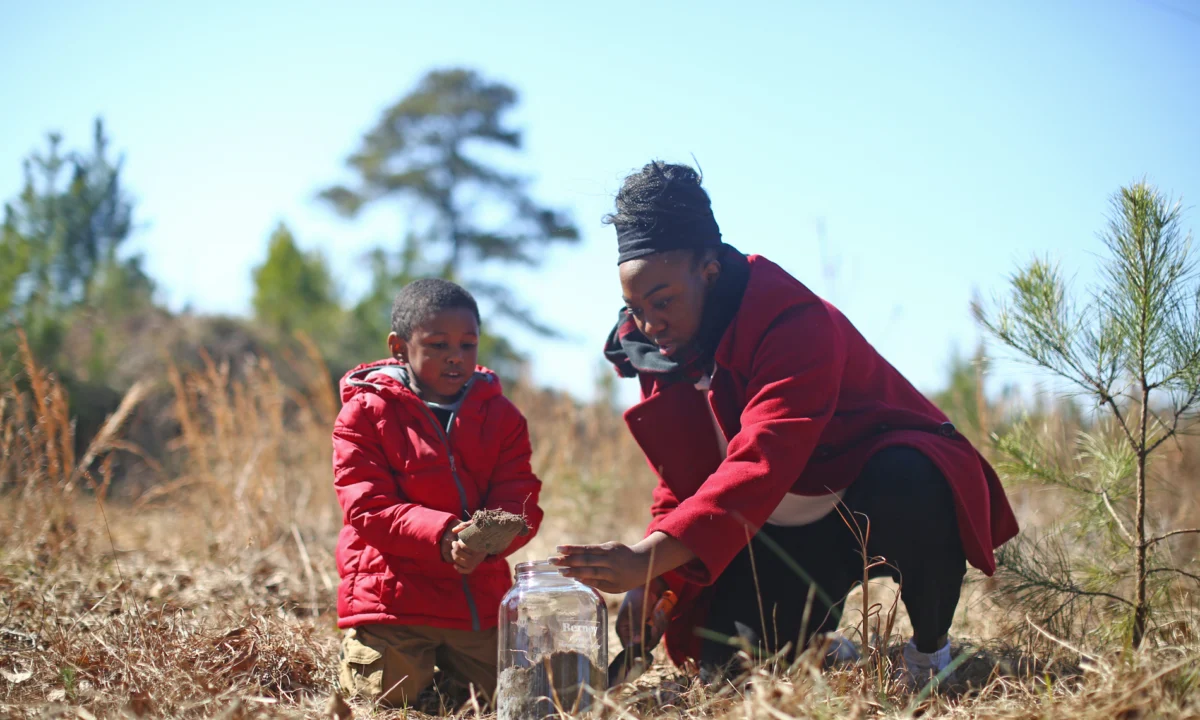
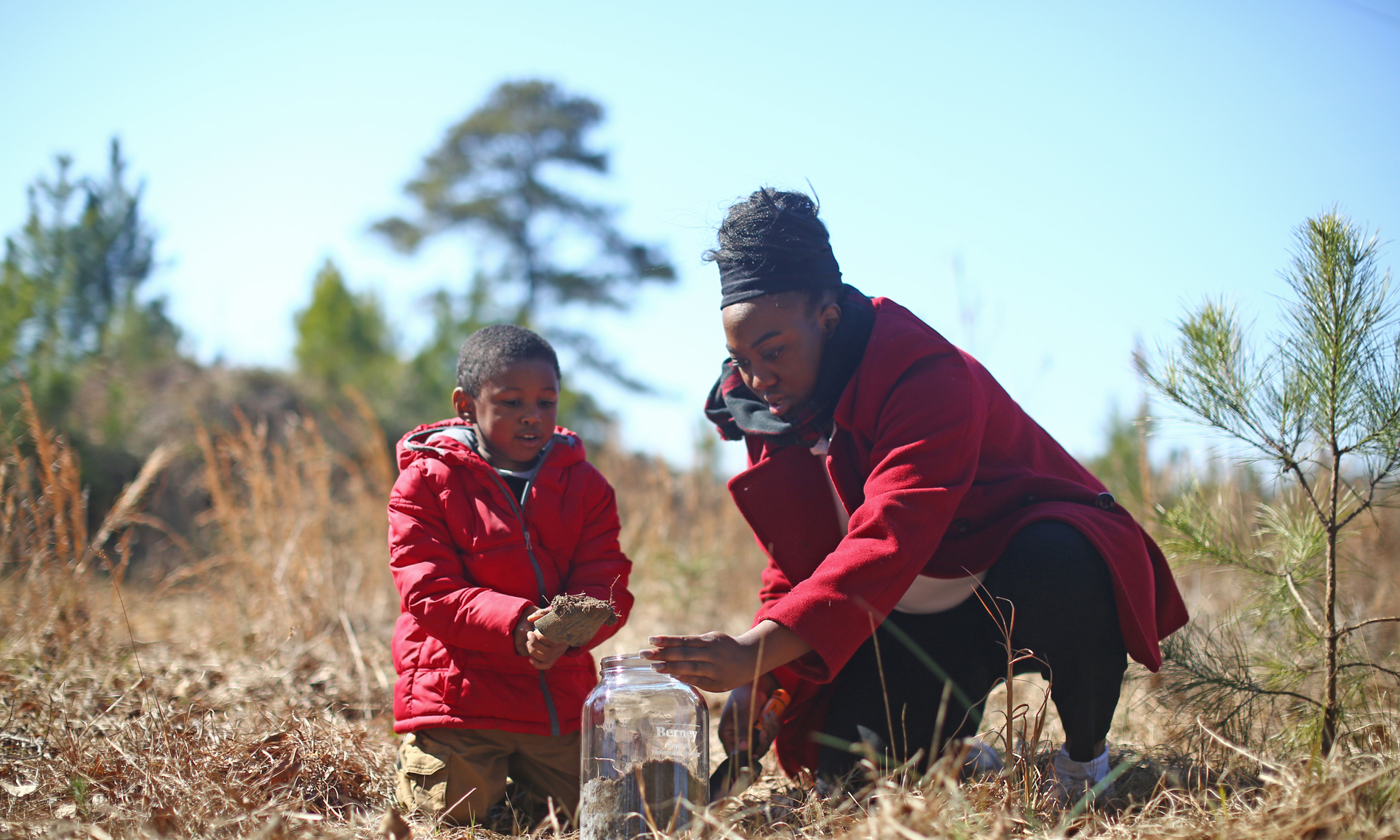
On the 100th anniversary of his lynching, October 21, 2016, more than 100 of Crawford’s descendants gathered in Abbeville, joined by EJI Executive Director Bryan Stevenson and hundreds of community supporters. The event marked a turning point in how local communities process historical trauma. Participants collected soil in jars from the very public square where Crawford’s body had been left hanging for days—a ritual that has since become a cornerstone of EJI’s Community Remembrance Project (CRP).
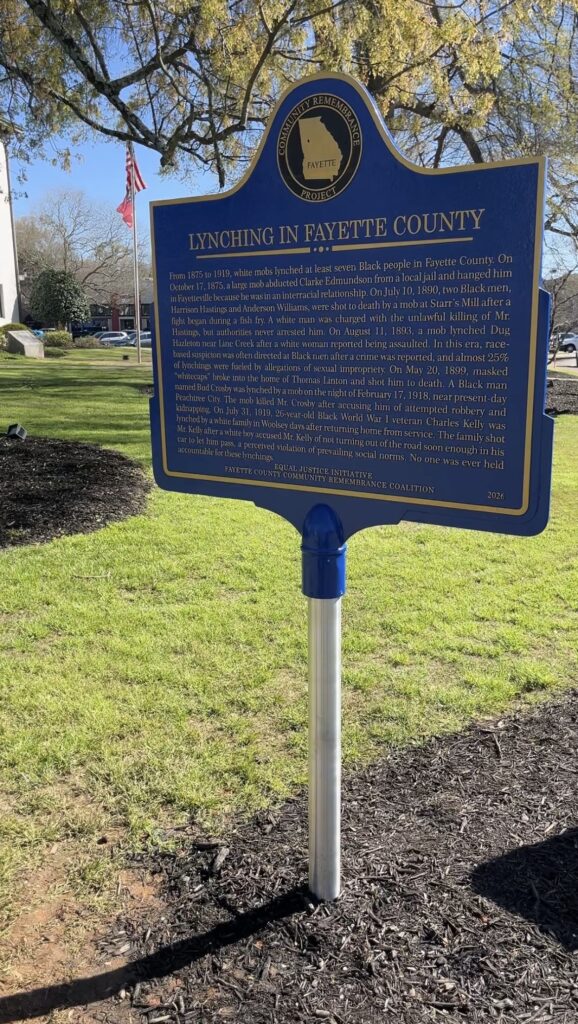
The marker installed in his honor stands in a complex landscape. Located in a park named for Confederate President Jefferson Davis and within the shadow of a monument to slavery defender John C. Calhoun, the new plaque serves as a necessary counter-narrative. It explicitly documents the truth of the murder, challenging the lingering glorification of the Confederacy that dominates the local physical geography.
The Scope of Racial Terror
The EJI has meticulously documented over 6,500 racial terror lynchings occurring between 1865 and 1950. South Carolina alone accounts for more than 240 of these recorded cases, with at least 11 documented in Abbeville County. The lack of accountability was a defining feature of this era; nearly all perpetrators of these lynchings escaped justice, their actions often sanctioned or ignored by local law enforcement and government officials.
These lynchings were not isolated criminal acts but instruments of social and political control. They were frequently employed to suppress Black economic advancement, voter registration efforts, and labor organizing. For instance, the 1908 lynching of William Miller in Jefferson County, Alabama, was a direct response to his work organizing Black coal miners for fair wages. Similarly, the 1920 Election Day Massacre in Ocoee, Florida, saw a white mob burn homes and churches after Black citizens attempted to exercise their right to vote, ultimately driving the entire Black population out of the town.
Systematic Complicity and False Narratives
The historical record often obscured these crimes through deliberate misrepresentation. Death certificates were frequently falsified to read "suicide" or "accidental death," even when victims were found with their hands bound. A poignant example is that of 19-year-old George Tompkins, found lynched in Indianapolis in 1922 with his hands tied behind his back; for decades, his official death certificate labeled the incident a suicide. It was only in 2022, following a review requested by the Indiana Remembrance Coalition, that the Marion County coroner formally ruled his death a homicide.
Official complicity often extended to the courtroom. In the 1906 case of Ed Johnson in Chattanooga, Tennessee, even after the U.S. Supreme Court issued a stay of execution for his wrongful conviction, a white mob dragged him from the local jail and lynched him before a cheering crowd. His defense lawyers, who had fought courageously to save his life, were subsequently driven out of the city, highlighting the dangerous environment for anyone—Black or white—who dared to challenge the established racial hierarchy.
The Work of the Community Remembrance Project
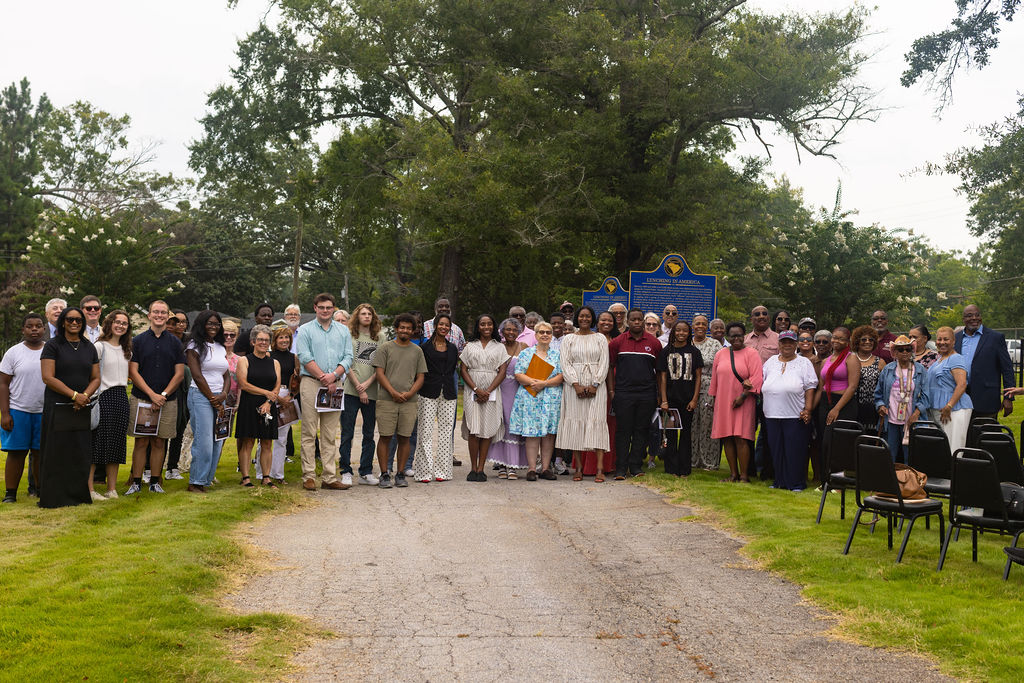
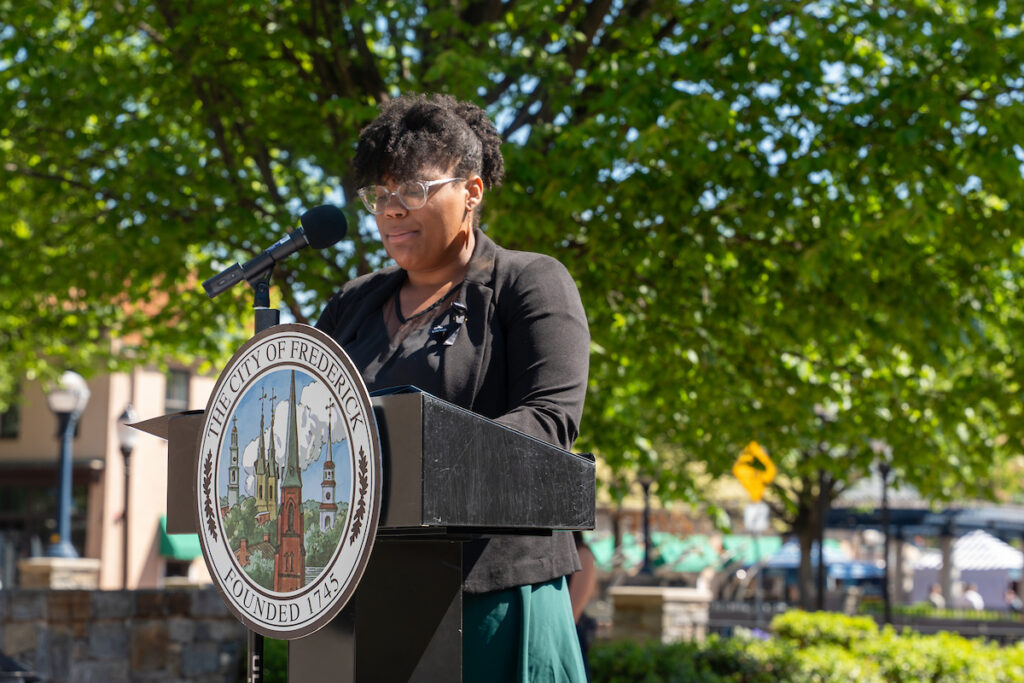
The Community Remembrance Project operates on the principle that true reconciliation is impossible without historical honesty. Since the installation of the first marker in 2015, EJI has collaborated with hundreds of multi-racial, multi-generational coalitions across more than 20 states. These coalitions, consisting of historians, students, teachers, clergy, and descendants, work for years to research cases, locate descendants, and build local consensus.
The process of installing a marker is intensive, involving public history workshops, film screenings, and the collection of soil samples—a tangible link between the past and the present. These soil jars are now displayed at the Legacy Museum in Montgomery, Alabama, serving as a powerful visual reminder of the sheer scale of the terror. As Bryan Stevenson notes, the goal is not merely to memorialize the dead but to confront the lingering "geographic, political, economic, and social consequences" of these acts, which continue to manifest in contemporary inequality.
The Human Impact of Memory
The emotional toll of this history remains profound. For many, the unveiling of a marker is the first time their family’s suffering has been validated by a public institution. During a 2026 dedication in Barbour County, Alabama, Eliza Jane Franklin, a descendant of lynching victim William "Willie Lee" Jenkins, struggled to read the text of the marker detailing her ancestor’s torture. Her emotional response was met with support from an elderly white attendee, symbolizing the potential for collective healing through shared truth-telling.
The story of Mamie Lang Kirkland, who fled Mississippi in 1915 at age seven due to lynching threats against her family, underscores the long-term displacement caused by racial terror. Kirkland’s life, which spanned over a century, became a testament to the resilience of those who survived the Great Migration. Her return to the site of her family’s trauma at the age of 108 provided a bridge between the victims of the past and the activists of the present.
Implications for Modern Discourse
Today, these markers serve as vital educational tools at a time when government officials in various jurisdictions are attempting to restrict the teaching of racial history in schools. By placing the truth in the public square, these coalitions are preventing the erasure of a painful but essential American story.
The markers also provide necessary context. They frequently detail how allegations of "inappropriate behavior"—often based on nothing more than a glance or an accidental bump—were used to justify the extrajudicial murder of Black men. By detailing these patterns, the markers demystify the "reasons" given by lynch mobs, revealing them as pretexts for racial violence.
Toward a New Landscape of Truth
In Abbeville, the persistence of the Crawford marker serves as a direct challenge to the surrounding iconography of the Confederacy. Doria Johnson, Crawford’s great-great-granddaughter, who spent her life researching and telling his story before her passing in 2018, captured the essence of this project in an EJI film: "This marker is the truth. If you go to city hall to do business, if you go to the courthouse, you see Anthony Crawford. And he’s looking back at you."
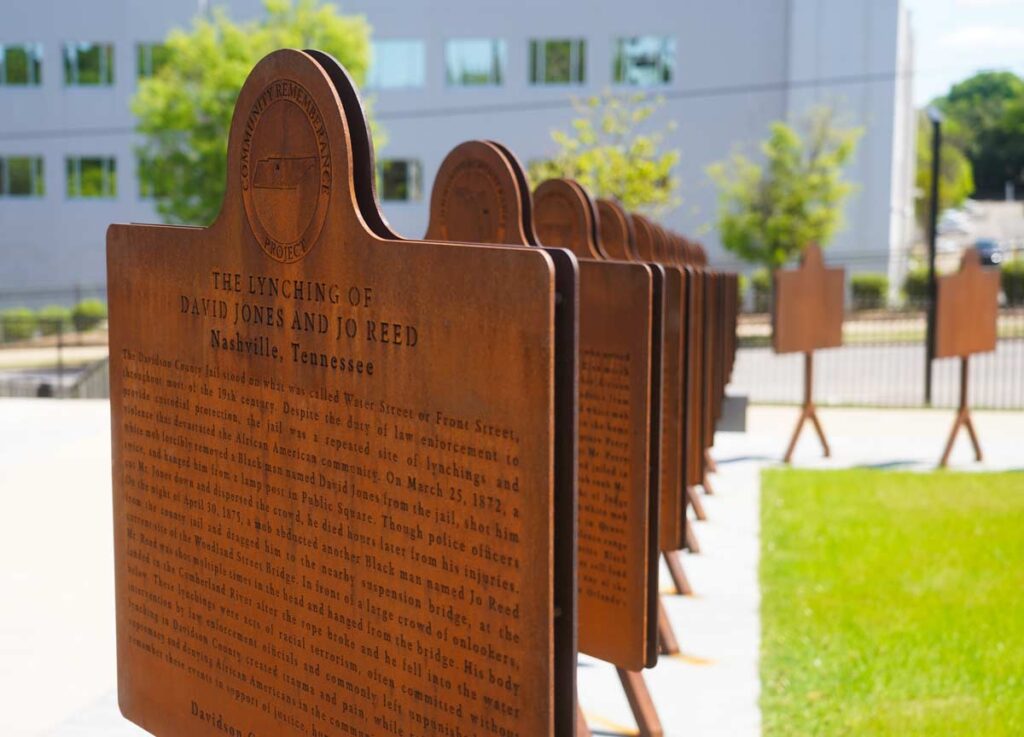
The Community Remembrance Project has moved beyond individual memorials to create a national network of truth-telling. With over 140 markers now installed and more planned, the effort is creating a new physical and social landscape. As these coalitions continue to build power and speak truth to power, they are not only honoring those who were lost but are also laying the groundwork for a more just society—one that finally confronts the legacy of lynching rather than hiding from it. Through the act of remembering, these communities are transforming silence into a collective, vocal affirmation: "We are here."




