A Comparative Analysis of Judicial Velocity
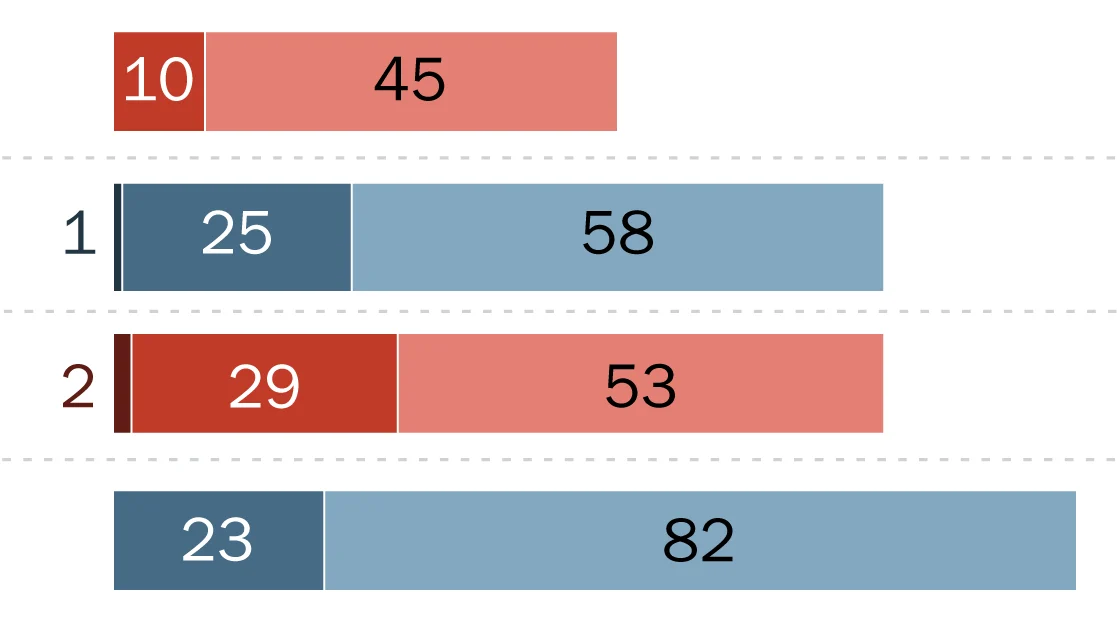
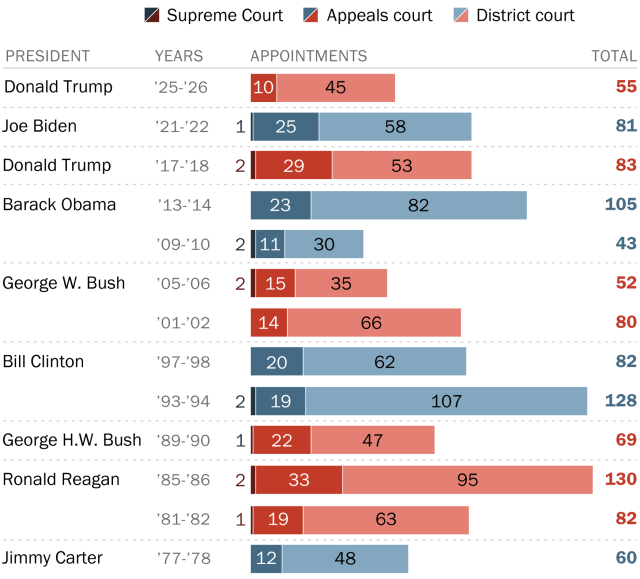
The data indicates that as of October 15, 2026, President Donald Trump has successfully appointed 55 judges to Article III federal courts during his second term. When measured against his own performance during his initial tenure, this represents a significant deceleration. At the corresponding midpoint of his first term, Trump had already secured the confirmation of 83 judges. Other modern administrations have maintained even higher velocities; for instance, President Joe Biden reached 81 confirmations at this stage, while President Barack Obama, during his second term, achieved a total of 105.
The disparity is particularly pronounced in the appellate courts. Appellate judges are often viewed as the final arbiters of legal disputes, given that the Supreme Court hears only a fraction of the cases petitioned to it. Trump’s current count of 10 appeals court appointments contrasts sharply with the 29 he secured during the same period in 2017–2018. The current figures include 45 district court appointments and 10 appellate court appointments, with zero Supreme Court nominations recorded thus far in this second term.
The Mechanics of Vacancy and Velocity
To understand why the current administration is trailing its own historical record, one must examine the fundamental mechanics of judicial appointments. A president cannot appoint a judge without a vacancy, and the availability of these seats is determined by the retirement, resignation, or death of sitting jurists.
Research from the Brookings Institution highlights a "paucity of vacancies" as a primary driver of the current slowdown. Between the 2024 presidential election and the conclusion of the president’s first year back in office, only three appeals court judges opted to step down. Conversely, the transition period between the 2020 election and the start of the Biden administration saw 30 appellate judges announce their departures, creating a surplus of opportunities for the incoming president.
Furthermore, the administrative pipeline—the process of vetting, nominating, and moving candidates through the Senate Judiciary Committee—has faced its own set of friction points. The administration’s first judicial nomination for this term did not arrive until four months after the inauguration, with the Senate confirmation process adding an additional two months of lead time. This delayed start created a ripple effect, effectively pushing the confirmation cycle further into the second year of the term.

The Senate as a Legislative Gatekeeper
The legislative landscape in the U.S. Senate acts as the final arbiter of a president’s judicial agenda. While the Senate currently maintains a narrow Republican majority, the process remains susceptible to the procedural hurdles inherent in a divided legislature. Democrats have consistently mounted resistance to many of the administration’s judicial picks, often utilizing procedural delays or unified opposition to stall confirmations.
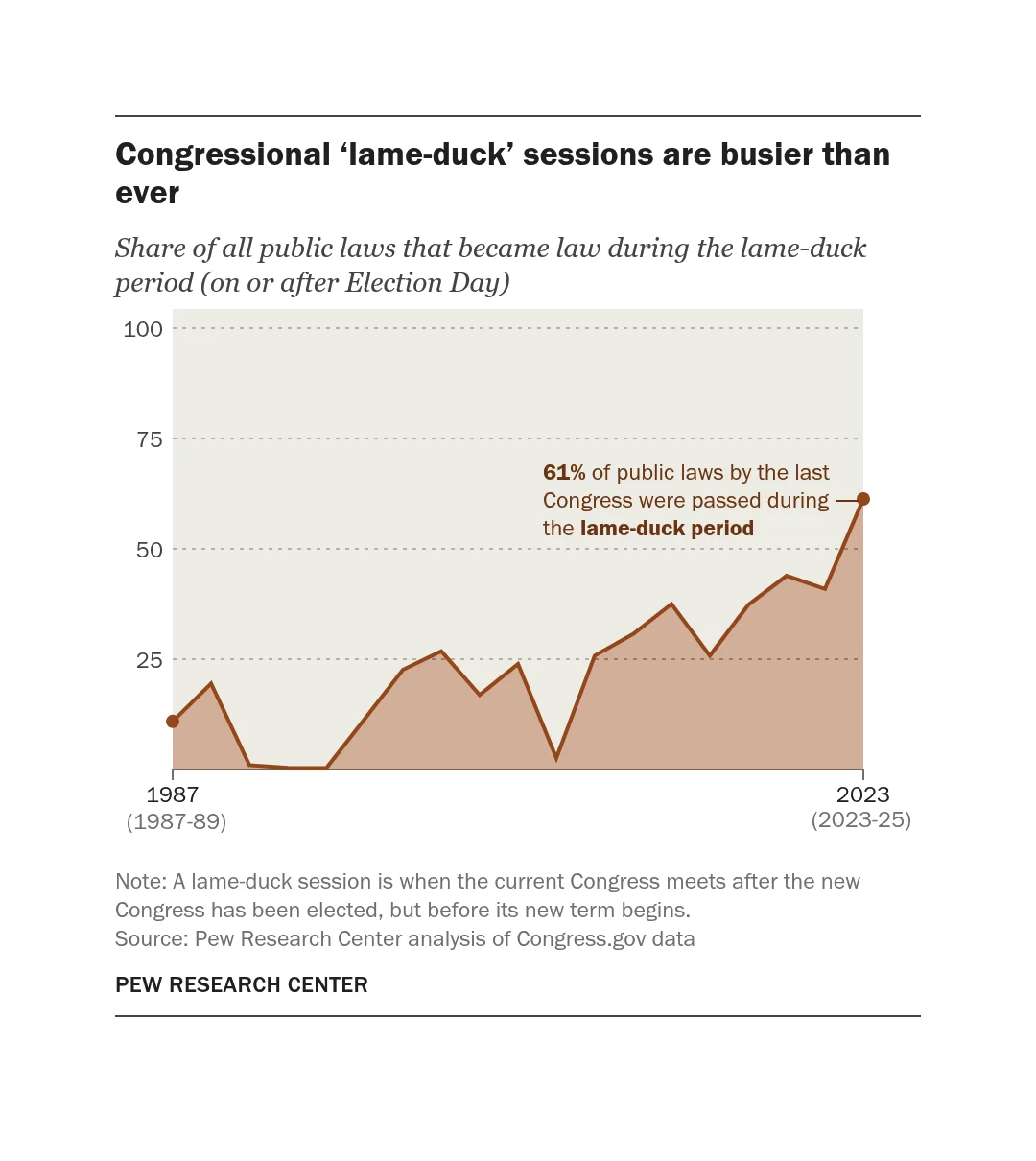
As the November midterm elections loom, the balance of power remains a precarious variable. Should the opposition party secure control of the Senate, the confirmation process could face even greater headwinds. In anticipation of this potential shift, reports from Capitol Hill suggest that Republican leadership is preparing to expedite the confirmation of existing nominees during the "lame duck" session, attempting to clear the backlog before a potential change in leadership. Currently, three judicial nominees are awaiting a full floor vote, while an additional 13 are moving through the Senate Judiciary Committee.
The Constitutional Significance of Article III Appointments
The emphasis on judicial appointments stems from the constitutional design of the federal judiciary. Article III judges, including those on the 91 district courts and 13 appeals courts, serve lifetime appointments. This ensures that the influence of a single president can extend for decades after their term ends, shaping the interpretation of laws ranging from environmental regulations to civil rights and economic policy.
Legal scholars note that while the current numbers suggest a slower start, the focus remains on the ideological trajectory of the courts. Even with a lower volume of appointments, the administration’s selections are vetted to ensure a consistent judicial philosophy, which supporters argue is more important than raw numbers. Conversely, critics express concern that if the pace remains sluggish, the administration may struggle to meet its stated goal of reshaping the federal bench to the extent seen during the 2017–2020 period.
Chronology and Contextual Factors
The rhythm of judicial confirmations is rarely static, often dictated by the political climate of the day. Examining the historical data reveals that presidential output is highly sensitive to the party composition of the Senate. In 1993–1994, under President Bill Clinton, 128 judges were confirmed, a testament to the synergy possible when the executive and legislative branches share a party affiliation. In contrast, during periods of intense political polarization, the "advice and consent" process often transforms into a battleground for broader partisan grievances.
The current administration’s strategy, according to Senate insiders, involves a heavy focus on prioritizing judicial vacancies in states with Republican representation, where the "blue slip" process—a tradition allowing home-state senators to express their approval or disapproval of a nominee—can be managed more effectively.
Broader Implications for the Legal System
The slow pace of appointments has implications beyond mere statistics. A backlog of judicial vacancies can lead to increased caseloads for sitting judges, potentially slowing the administration of justice for ordinary citizens and corporations involved in federal litigation. When district and appeals courts are understaffed, the time between filing and resolution expands, which can impact the efficiency of the legal system.
Moreover, the focus on filling appellate seats is viewed by many as a strategic priority. Because appellate courts are the final word on most federal cases, they are considered essential for implementing broad policy changes. If the current administration cannot bridge the gap between nomination and confirmation, it may find itself unable to influence the federal judiciary as profoundly as it did during its first term, leaving the current bench largely intact for the foreseeable future.
Conclusion and Future Outlook
As the midterm elections approach, the judiciary remains a high-stakes arena. The 55 judges confirmed thus far are, in many ways, a reflection of the unique legislative and vacancy-driven constraints of the current era. Whether the administration can overcome these hurdles in the coming months depends largely on the outcome of the November elections and the strategic maneuvering of Senate leadership.
The legacy of a president is often etched into the foundational documents of the nation through the judicial opinions of their appointees. While the current velocity of appointments lags behind the historical average, the long-term impact of these 55 individuals—and those who may follow them—will continue to define the American legal landscape for years to come. The coming months will likely see a frantic effort by the executive branch to maximize its influence on the federal courts, turning the remaining weeks of the congressional session into a critical chapter in the broader narrative of the current presidential term.