The Government of Mozambique, through its National Youth Institute (Instituto Nacional da Juventude – INJ), has officially selected World Education, an initiative of JSI (John Snow, Inc.), to lead the Technical Assistance and Training Activity for the high-profile "Eu Sou Capaz" (I Am Capable) program. This strategic partnership, supported by the World Bank, represents a significant expansion of the "Empowering Adolescent Girls to Earn and Read" (EAGER) vision, a multi-country initiative spanning Mozambique, Zimbabwe, and Madagascar. The award signals a renewed commitment by the Mozambican government to address the systemic barriers that prevent adolescent girls from completing their education and transitioning into the productive workforce.
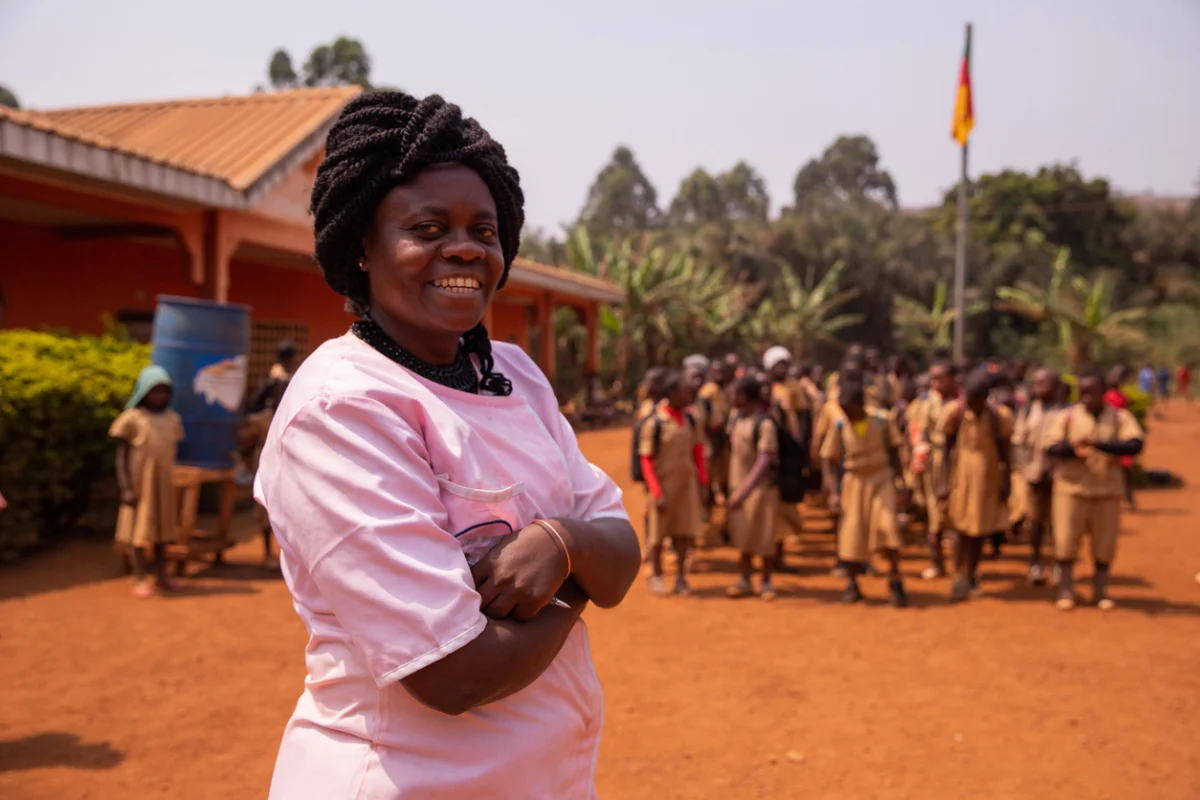
The "Eu Sou Capaz" initiative is designed to scale government-led interventions that target the complex interplay of social, economic, and behavioral factors driving school dropout rates among girls. By providing technical expertise to the National Youth Institute, World Education aims to refine and implement a model that moves beyond simple school enrollment, focusing instead on retention, achievement, and long-term empowerment. The project comes at a critical time for Mozambique, as the nation seeks to harness its demographic dividend by investing in its youth, particularly those in vulnerable rural and peri-urban communities.
The Strategic Framework of the EAGER Vision
The EAGER program, which serves as the umbrella for the "Eu Sou Capaz" activity, is a regional response to a persistent crisis in secondary education across East and Southern Africa. According to World Bank data, while primary school enrollment has seen significant gains in the region over the last two decades, secondary school completion for girls remains alarmingly low. In Mozambique, the transition from primary to secondary school is where the gender gap widens most drastically.
The EAGER strategy recognizes that the barriers to education are rarely just about the lack of schools or books. Instead, they are rooted in a web of socio-cultural norms, economic pressures, and systemic failures. By integrating Mozambique into a broader regional strategy alongside Zimbabwe and Madagascar, the World Bank and its partners aim to foster cross-border learning and standardized methodologies for girl-centered development. World Education’s role in this framework is to serve as the technical engine, ensuring that the Mozambican government has the tools and data necessary to implement these high-level strategies at the local level.
Addressing the Socio-Economic Landscape in Mozambique
Mozambique faces some of the most challenging education and health indicators for adolescent girls in the world. According to UNICEF and the World Bank, nearly 46% of girls in Mozambique are married before the age of 18, and the country has one of the highest rates of early pregnancy in Sub-Saharan Africa. These factors are the primary drivers of school dropouts. When a girl becomes pregnant or is forced into a child marriage, her formal education almost invariably ends, trapping her in a cycle of poverty and limited economic opportunity.
Furthermore, the province of Sofala—where World Education has already begun piloting community mapping tools—has been historically vulnerable to both economic instability and climate-related shocks, such as Cyclone Idai in 2019. These disasters often exacerbate existing gender inequalities, as families under financial stress are more likely to pull daughters out of school to help with domestic labor or to marry them off to reduce the household’s economic burden. The "Eu Sou Capaz" model is specifically designed to counteract these pressures by providing material support and life-skills training that demonstrate the long-term value of keeping girls in the classroom.
Methodology: Human-Centered Design and Social Behavior Change
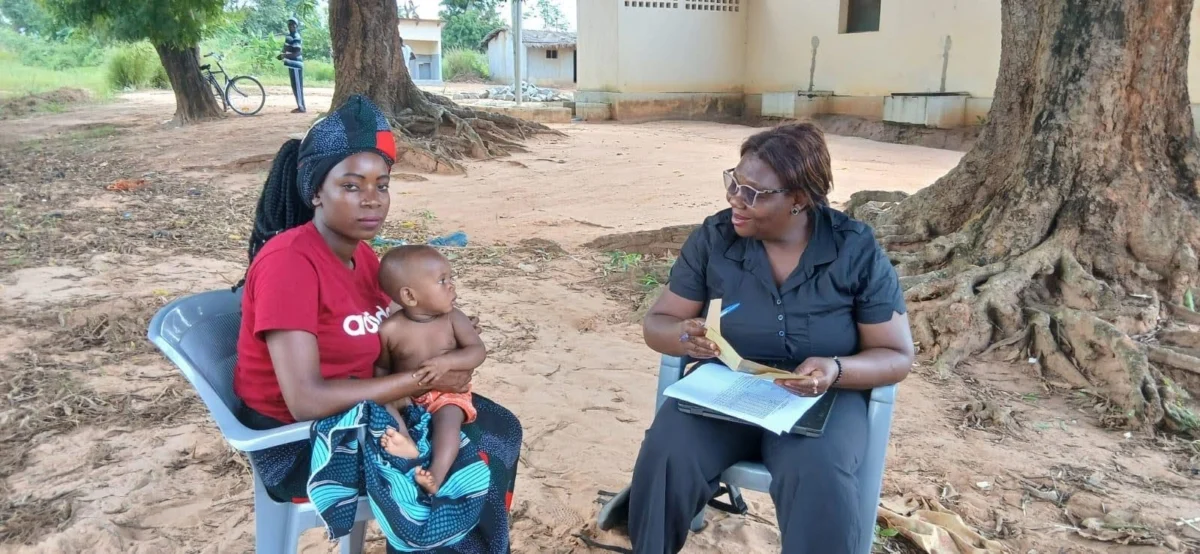
Central to World Education’s approach is the use of Human-Centered Design (HCD) and Social and Behavior Change (SBC) strategies. Unlike traditional top-down development models, HCD requires implementers to engage directly with the beneficiaries—the girls themselves—to understand their daily realities and the specific "invisible barriers" they face. This might include everything from the lack of menstrual hygiene management facilities at schools to the safety risks associated with long commutes to educational centers.
Obert Darara, World Education Country Lead in Mozambique for JSI, emphasized that the program is about more than just access. "Eu Sou Capaz is about removing the invisible barriers that stop girls from thriving," Darara stated. "By integrating social and behavior change with human-centered design, we are supporting the National Youth Institute to redesign systems around girls’ realities, ensuring enrollment leads to achievement."
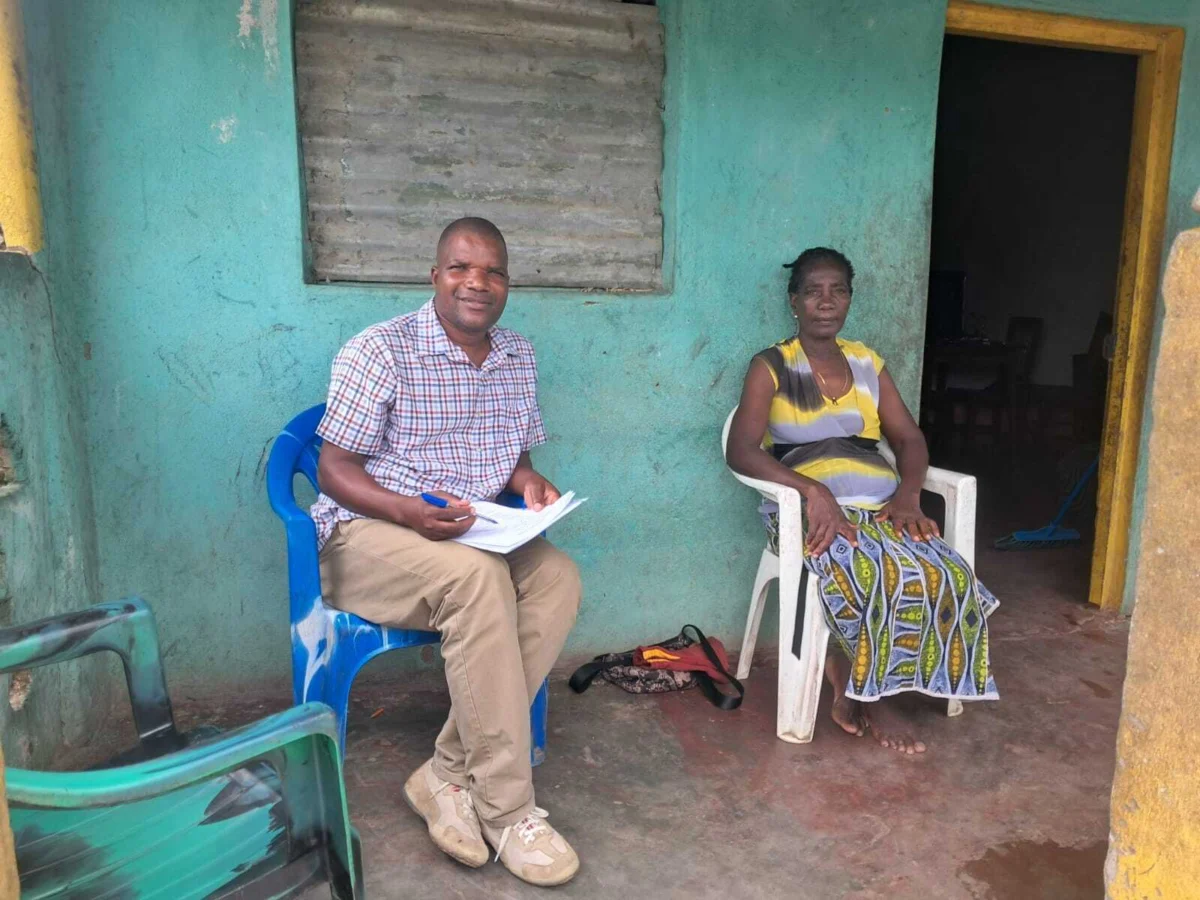
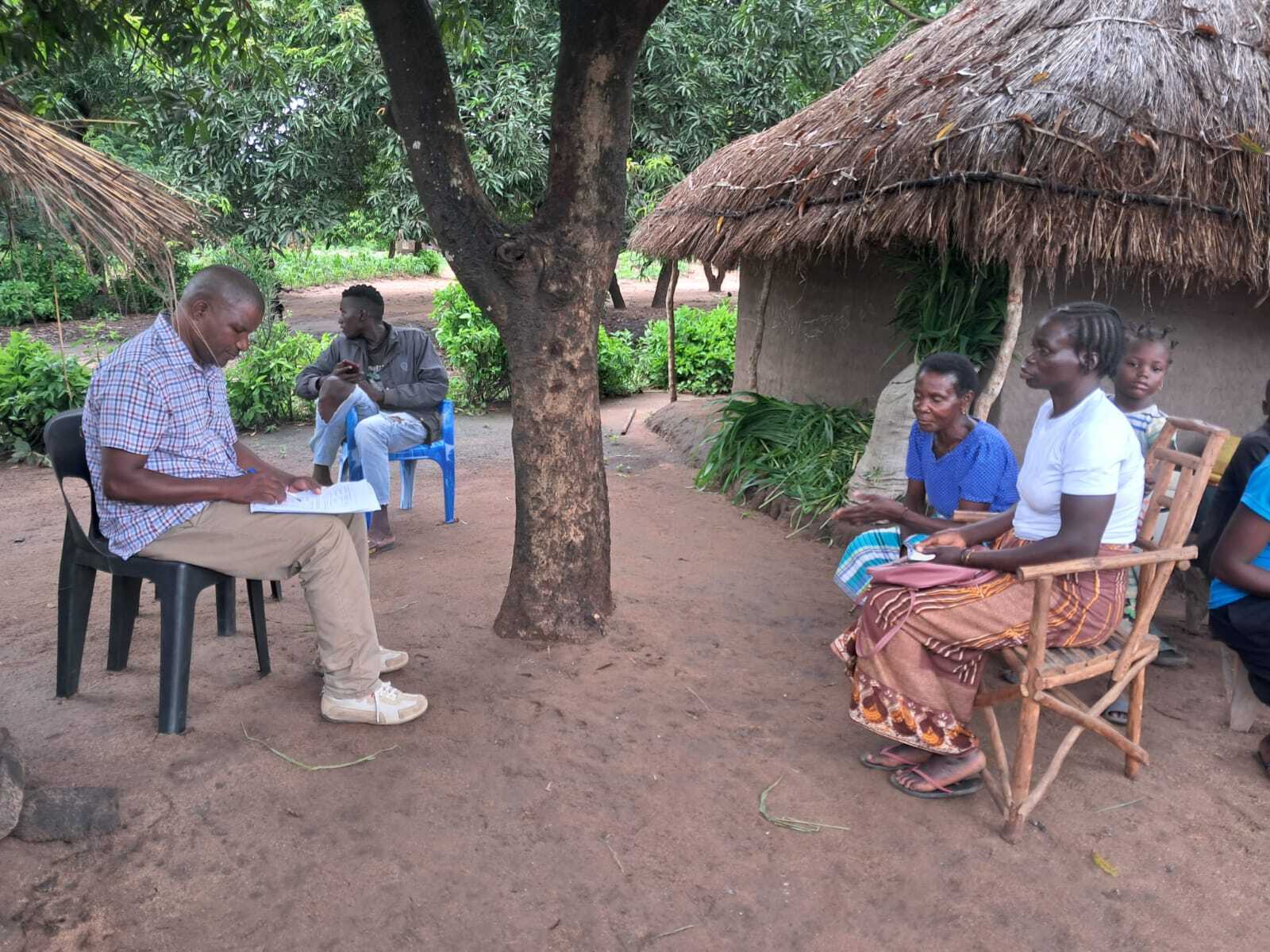
The SBC component of the program focuses on shifting the mindsets of community gatekeepers, including parents, traditional leaders, and male peers. By utilizing community mobilization and transformative life-skills education, the project seeks to replace harmful socio-cultural norms with a collective community commitment to girls’ education. This is evidenced by the recent activities of Alberto Domingos, a member of the World Education team, who has been conducting one-on-one interviews and pilot mapping with community leaders in Sofala Province. These interviews are crucial for identifying local influencers who can champion the cause of girls’ empowerment and help identify at-risk students before they drop out.
Chronology of Regional Impact and Expertise
The selection of World Education for this technical assistance role is not an isolated event but the culmination of over 15 years of regional experience. The organization has established a deep footprint in Southern Africa, developing data-driven methodologies that have been tested and refined across various cultural contexts.
Over the past decade and a half, World Education has:
- Developed and scaled community-based monitoring systems that track student attendance and well-being in real-time.
- Partnered with ministries of education and youth to integrate life-skills curricula into formal and non-formal schooling.
- Implemented large-scale "cash-plus" programs that combine financial support for families with social interventions to ensure the money is used to support educational outcomes.
- Conducted extensive research on the intersection of gender-based violence (GBV) and educational retention, leading to the creation of safer school environments.
By drawing on this history, World Education ensures that the "Eu Sou Capaz" activity is not "reinventing the wheel" but rather applying proven strategies to the specific Mozambican context. The use of data-driven expertise allows the National Youth Institute to make informed decisions about where to allocate resources and how to measure the success of the intervention.
Institutional Strengthening and National Scalability
A primary goal of the Technical Assistance and Training Activity is to build the institutional capacity of the National Youth Institute. The "Eu Sou Capaz" program is intended to be a government-led initiative, meaning that the ultimate success of the project depends on the INJ’s ability to manage and scale the program independently in the future.
World Education’s role involves training government staff at the national, provincial, and district levels. This includes training in financial management, program monitoring, and the delivery of life-skills modules. By embedding technical experts within the government’s framework, the project ensures that the skills and methodologies introduced during the activity remain within the Mozambican civil service long after the current funding cycle ends. This focus on sustainability is a hallmark of the World Bank’s investment strategy, which prioritizes "systems strengthening" over short-term service delivery.
Broader Implications for Economic Growth
The implications of the "Eu Sou Capaz" program extend far beyond the classroom. There is a direct correlation between female education and national economic growth. According to the World Bank, for every additional year of secondary school a girl completes, her future earning potential increases significantly, often by 10% to 20%. Educated women are also more likely to have smaller, healthier families and to invest a higher percentage of their income back into their children’s health and education.
By reducing school dropout rates and delaying marriage and pregnancy, "Eu Sou Capaz" is essentially an economic development program. It prepares a generation of Mozambican women to enter the labor market with the literacy, numeracy, and life skills required for modern employment. In a country where the youth population is growing rapidly, the ability of the government to successfully transition girls from school to work will be a defining factor in Mozambique’s future stability and prosperity.
Conclusion and Future Outlook
As the "Eu Sou Capaz" Technical Assistance and Training Activity moves into its full implementation phase, the focus will remain on the pilot programs in provinces like Sofala and the subsequent rollout to other regions. The success of the Community Leader Mapping Tool and the integration of HCD principles will be closely monitored by international stakeholders and the Mozambican government alike.
Through the combined efforts of the National Youth Institute, World Education, and the World Bank, the "Eu Sou Capaz" initiative stands as a testament to the power of multisectoral partnerships. By addressing the root causes of educational inequality—ranging from gender-based violence to economic hardship—the program aims to create a future where every Mozambican girl can truthfully say, "Eu sou capaz." The journey toward that goal is complex and requires long-term commitment, but with the current technical framework and regional support in place, the path toward transformative change is clearer than ever before.