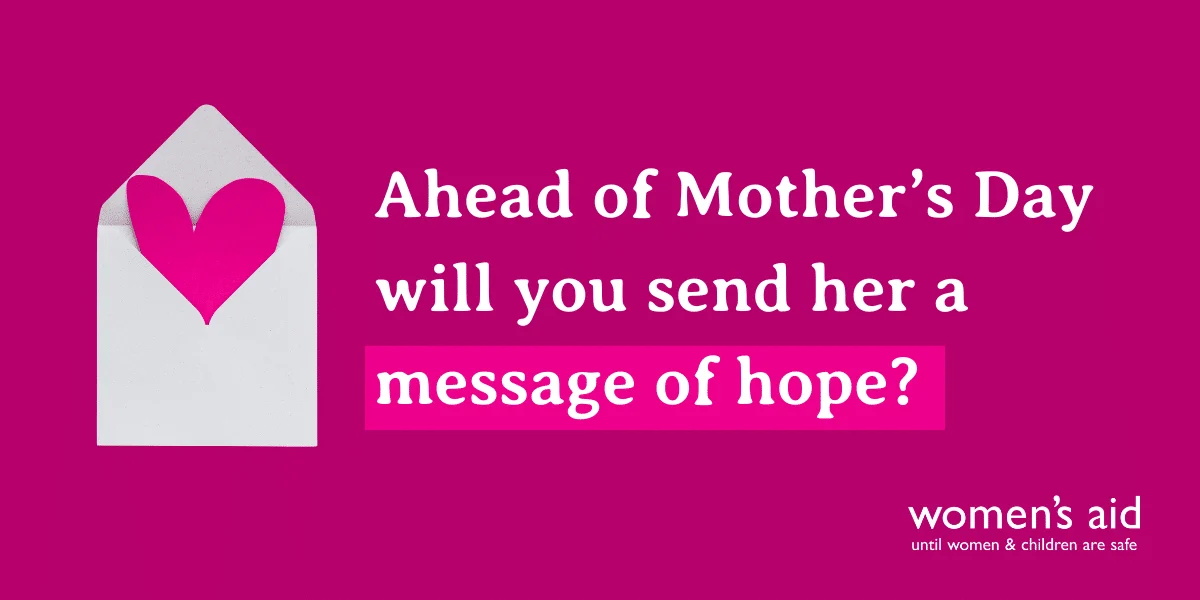
Pregnancy and the initial stages of motherhood, often universally envisioned as periods of profound joy and anticipation, are paradoxically revealed by extensive research and grim statistics to be times of acute vulnerability during which domestic abuse frequently begins or escalates. For many women, the very circumstances that should evoke celebration instead become a crucible of control and fear, fundamentally undermining their well-being and that of their unborn or newborn children. Data indicates a disturbing prevalence: between 20% and 30% of women globally report experiencing physical violence from a partner or ex-partner during pregnancy, a period when physical protection is paramount. The incidence of verbal abuse is even higher, affecting an estimated 36% of expectant mothers. This insidious exploitation leverages a woman’s increased dependency, heightened emotional state, and often, social isolation during pregnancy and postpartum to exert and intensify control, leaving profound and lasting scars. The psychological toll is immense, manifesting as severe mental health issues, erosion of confidence, and an overwhelming sense of inadequacy at a time when unwavering support and reassurance are most critically needed for nurturing a new life. As one survivor, Jackie, powerfully articulated, "My children lost out on a healthy and secure childhood, and I lost out irreparably on being a happy and contented mother." Her words underscore the far-reaching and intergenerational consequences of such abuse, highlighting a silent crisis that demands urgent and comprehensive societal attention.
The Vulnerability of Expectant and New Mothers
The unique physiological and psychological transformations accompanying pregnancy and the postpartum period create a specific set of vulnerabilities that perpetrators of domestic abuse are adept at exploiting. From a biological standpoint, hormonal fluctuations can lead to mood swings and increased emotional sensitivity, which an abusive partner might weaponize to gaslight or destabilize the victim. Physically, the demands of pregnancy, including fatigue, morning sickness, and later, mobility restrictions, can render a woman more physically dependent on her partner for daily tasks and transportation, thereby reducing her autonomy. Financial dependency often increases as women may reduce or cease work, or face medical expenses, further trapping them in abusive situations. Social isolation is another critical factor; new routines, the perceived need to rest, and a partner’s deliberate efforts to cut off communication with friends and family can leave expectant or new mothers profoundly alone, making it harder to seek help or even recognize the abuse as abnormal. The abuser may also exploit the victim’s natural instinct to protect her child, using threats against the baby or the promise of a "happy family" as leverage to maintain control. This complex interplay of factors creates an environment where abuse can thrive, often hidden behind closed doors and masked by the societal expectation of familial bliss.
Unmasking the Forms and Scope of Perinatal Abuse
While physical violence is the most overtly recognized form of abuse, domestic violence during pregnancy and new motherhood manifests in a spectrum of behaviors, each devastating in its own right. Beyond the statistics of physical (20-30%) and verbal (36%) abuse, the World Health Organization (WHO) and other global bodies have highlighted the pervasive nature of emotional, psychological, sexual, and financial abuse. Emotional abuse involves constant criticism, humiliation, threats, and manipulative behaviors designed to erode self-worth. Psychological abuse includes gaslighting, intimidation, and coercive control that makes the victim doubt her sanity and perceptions. Sexual abuse can take the form of sexual coercion or rape during pregnancy, an especially heinous violation given the physical and emotional state of the woman. Financial abuse restricts a woman’s access to money, prevents her from working, or sabotages her employment, creating total economic dependence. Reproductive coercion, a particularly insidious form, involves controlling pregnancy decisions, pressuring for or against abortion, or sabotaging contraception, thereby stripping a woman of her bodily autonomy and control over her reproductive future. The advent of technology has also introduced tech-enabled abuse, where perpetrators monitor communications, track movements, or harass victims online, further eroding privacy and safety. These multifarious forms of abuse contribute to a pervasive climate of fear and control, leaving victims feeling helpless and without recourse.
Devastating Repercussions on Maternal and Child Health
The impact of domestic abuse during pregnancy and postpartum extends far beyond immediate physical injuries, inflicting profound and often irreversible damage on both mother and child. For the mother, the consequences are dire: increased risk of severe antenatal and postnatal depression, anxiety disorders, post-traumatic stress disorder (PTSD), and even suicidal ideation. Physical health complications can include inadequate prenatal care, poor nutrition, substance abuse as a coping mechanism, and exacerbated pre-existing conditions. Tragically, abuse during pregnancy is also linked to adverse obstetric outcomes such as miscarriage, preterm birth, low birth weight, and increased rates of infant mortality. The stress and trauma endured by the mother can directly affect fetal development, leading to long-term health and developmental issues for the child.
For the child, the impact is equally devastating. Children exposed to domestic violence, whether directly witnessing it or indirectly experiencing the maternal distress it causes, are at a higher risk of developing behavioral problems, developmental delays, and attachment issues. They may struggle with emotional regulation, exhibit aggression or withdrawal, and are at increased risk of becoming victims or perpetrators of violence themselves in later life, perpetuating an intergenerational cycle of abuse. The sense of insecurity and instability undermines the child’s ability to thrive, affecting their cognitive development, social skills, and overall well-being. The profound disruption to the mother-child bond, a crucial foundation for healthy development, further compounds these challenges, leaving new mothers doubting their fundamental ability to protect and care for their children at a time when support and reassurance are paramount.
A Chronology of Recognition and Response
The understanding and formal recognition of domestic abuse during pregnancy as a distinct public health and social issue has evolved significantly over recent decades. While domestic violence has long been a societal problem, the specific vulnerability of pregnant and postpartum women began to gain focused attention in the late 20th century.
Early 1990s: Initial research studies began to emerge, quantifying the prevalence of violence during pregnancy and highlighting its adverse health outcomes. These studies challenged the prevailing myth that pregnancy offered protection from abuse. Medical journals started publishing articles urging healthcare providers to screen for domestic violence.
Mid-1990s to Early 2000s: Major medical organizations and public health bodies, such as the American College of Obstetricians and Gynecologists (ACOG) and the World Health Organization (WHO), started issuing guidelines recommending routine screening for domestic violence during antenatal and postnatal care visits. This marked a critical shift from a reactive approach to a proactive, preventative one within healthcare settings. Training programs for healthcare professionals on sensitive inquiry techniques and referral pathways began to be developed.
Mid-2000s to Present: Legislative frameworks in many countries began to incorporate specific provisions addressing domestic violence, some with enhanced protections for pregnant women. The Istanbul Convention (Council of Europe Convention on preventing and combating violence against women and domestic violence, 2011), for instance, emphasizes the state’s responsibility to protect victims of violence, including specific attention to vulnerable groups. Simultaneously, a greater understanding of coercive control emerged, influencing legal definitions of domestic abuse beyond physical violence. The focus expanded to include the broader pattern of controlling behaviors.
The development of specialized support services has mirrored this timeline. Initially, general domestic violence shelters and helplines served all victims. Over time, some organizations began offering tailored support for pregnant women and new mothers, recognizing their specific needs, such as secure housing, childcare, and trauma-informed counseling focusing on maternal mental health. The rise of online forums and peer support groups, like the Survivor’s Forum mentioned by Jackie, represents a more recent evolution, providing accessible platforms for reconnection and healing, crucial in combating the isolation that abuse thrives upon. This chronology reflects a gradual but determined movement from ignorance and silence to recognition, intervention, and comprehensive support.
The Crucial Role of Healthcare and Support Networks
The frontline in identifying and addressing domestic abuse during pregnancy often lies within healthcare settings. Obstetricians, midwives, general practitioners, and nurses are uniquely positioned to detect signs of abuse during routine appointments. Universal screening protocols, which involve asking all pregnant women about their experiences of domestic violence in a safe and private environment, have become a cornerstone of prevention and early intervention. However, successful implementation requires extensive training for healthcare providers to ensure they can approach the topic sensitively, respond appropriately to disclosures, and provide effective referrals to support services without endangering the patient. Challenges persist, including lack of time, fear of offending patients, and the perpetrator’s presence during consultations.
Beyond healthcare, a robust network of support services is indispensable for survivors. These include:
- Helplines and Crisis Hotlines: Providing immediate, confidential support and guidance.
- Shelters and Safe Houses: Offering emergency accommodation and a secure environment away from the abuser.
- Specialized Counseling and Therapy: Trauma-informed care that addresses the psychological impact of abuse, including perinatal depression and PTSD.
- Legal Aid and Advocacy: Assisting women in navigating the legal system, obtaining protection orders, and understanding their rights.
- Peer Support Groups and Survivor Forums: Creating communities where women can share experiences, reduce isolation, and collectively rebuild their lives, as exemplified by Jackie’s journey. These platforms foster solidarity, compassion, and the crucial realization that one is not alone.
- Social Services: Offering practical support, such as housing assistance, childcare, and financial advice.
These multi-faceted services work in concert to empower survivors to leave abusive situations, heal from trauma, and build a safer future for themselves and their children. The success of these networks hinges on adequate funding, inter-agency collaboration, and continuous public awareness campaigns.
Voices of Resilience: Survivors’ Journeys to Healing
The stark statistics and clinical analyses, while crucial, often fail to capture the deeply personal and harrowing experiences of survivors and their arduous journey towards healing. Jackie’s testimony offers a powerful glimpse into this reality. Her poignant reflection, "My children lost out on a healthy and secure childhood, and I lost out irreparably on being a happy and contented mother," encapsulates the profound, irreversible losses inflicted by domestic abuse. It speaks not only to the immediate physical and emotional pain but also to the stolen joys of motherhood, the compromised development of her children, and the lingering regret of a past that could have been different. This sentiment resonates with countless other survivors who mourn the experiences tainted by fear and control.
However, Jackie’s narrative also illuminates the path to recovery. Her connection with other survivors through a dedicated forum proved to be a pivotal turning point. "I’m no longer on my own dealing with this," she shared, highlighting the profound relief that comes from breaking the chains of isolation. Abuse thrives in secrecy and silence; conversely, recovery blossoms through connection and shared understanding. The solidarity, compassion, and validation found within a community of those who have walked similar paths are invaluable. As Jackie explained, "slowly they’ve helped me rebuild what has been broken and get me to a place where I feel safe and empowered to live again." This process of rebuilding is not merely about physical safety but also about reclaiming agency, restoring self-worth, and rediscovering the capacity for joy and hope. These survivor voices are not just anecdotes; they are testaments to the transformative power of human connection and the critical importance of accessible, empathetic support systems. They underscore that while abuse can devastate, it does not have to define a woman’s entire future.
Towards a Safer Future: Policy Imperatives and Societal Responsibility
Addressing domestic abuse during pregnancy and new motherhood requires a comprehensive, multi-sectoral approach that transcends individual interventions and embeds systemic change. From a public health perspective, this issue is a significant crisis with far-reaching societal costs, including increased healthcare expenditures, strain on social services, lost economic productivity, and the perpetuation of intergenerational trauma. The implications extend to the very fabric of society, impacting future generations’ well-being and stability.
To forge a safer future, several policy imperatives and societal responsibilities must be embraced:
- Universal Screening and Training: Mandate routine, confidential screening for domestic violence during all antenatal and postnatal appointments. This must be coupled with rigorous, trauma-informed training for all healthcare providers to ensure sensitive inquiry, appropriate risk assessment, and effective referral pathways.
- Integrated Care Pathways: Foster collaboration between healthcare, social services, law enforcement, and domestic violence support organizations. This ensures a seamless continuum of care, from initial identification to long-term recovery and legal protection.
- Accessible and Specialized Support Services: Increase funding and resources for shelters, helplines, counseling services, and peer support groups that are tailored to the unique needs of pregnant women and new mothers, including childcare provision and safe transport.
- Legal and Justice System Reform: Strengthen legal protections for victims, ensure swift and effective enforcement of protection orders, and provide free legal aid to survivors. Educate judicial and law enforcement personnel on the dynamics of domestic abuse, particularly coercive control.
- Prevention and Education: Implement public awareness campaigns to challenge societal norms that condone violence, promote healthy relationships, and educate communities on the signs of abuse and available support. Early intervention programs in schools and communities can help shift attitudes.
- Research and Data Collection: Invest in ongoing research to better understand the prevalence, risk factors, and long-term impacts of perinatal abuse, informing evidence-based policy and practice.
- Economic Empowerment: Provide support for financial independence through job training, education, and access to affordable housing, reducing a key vulnerability exploited by abusers.
Ultimately, combating domestic abuse during this critical life stage is not solely the responsibility of victims or support organizations; it is a collective societal obligation. By fostering environments of awareness, empathy, and robust support, we can help countless mothers like Jackie believe that a safer future is not just a possibility, but an attainable reality, ensuring that pregnancy and new motherhood are indeed times of unadulterated joy and healthy beginnings.