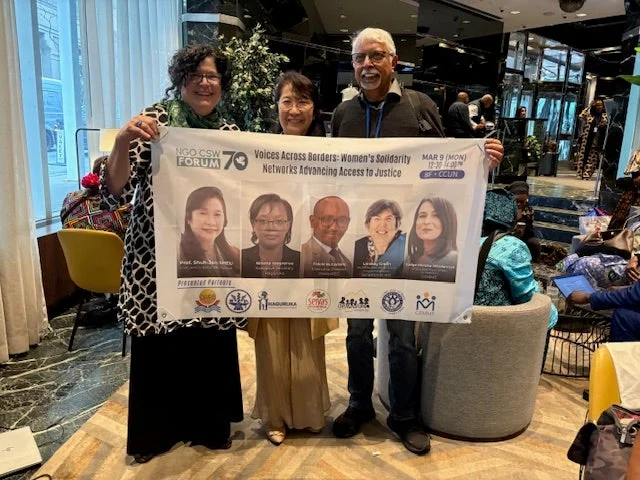
Indigenous women from across the globe convened at the United Nations Headquarters in New York and affiliated offices from March 9 to March 19, 2026, for the 70th session of the Commission on the Status of Women (CSW 70). This pivotal international gathering focused on accelerating gender equality and, this year, specifically addressed the critical theme of "Access to Justice for all Women and Girls." Amidst these high-level discussions, a dedicated panel, hosted by the Permanent Mission of Mexico to the United Nations on March 11, provided a vital platform for Indigenous women to articulate the multifaceted challenges they face, highlighting the enduring impacts of colonialism and systemic inequities.
Global Gathering Tackles Gender Equality
The annual Commission on the Status of Women serves as the principal global policy-making body within the United Nations system dedicated to gender equality and the empowerment of women. Established by the UN Economic and Social Council (ECOSOC) in 1946, the CSW brings together representatives from Member States, UN entities, and accredited non-governmental organizations (NGOs) to review progress on gender equality, identify challenges, set global standards, and formulate concrete policies to promote women’s rights and their full participation in all walks of life. CSW 70, with its focus on access to justice, aimed to scrutinize how legal systems, policies, and societal structures either uphold or undermine the rights of women and girls worldwide. This theme is particularly salient given that justice systems globally often fail to adequately address the specific vulnerabilities and experiences of marginalized groups, including Indigenous women.
Indigenous Voices Demand Justice and Self-Determination
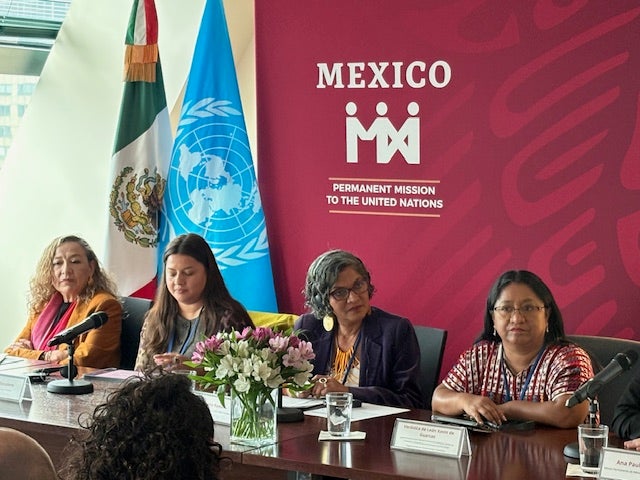
The panel discussion, titled "Access to Justice for Indigenous Women," brought together Indigenous representatives from Australia, Canada, the Caribbean, Ecuador, Guatemala, Peru, and Mexico. These women shared compelling testimonies about the unique human rights violations affecting their communities, as well as those impacting Indigenous peoples more broadly within their respective nations and regions. The dialogue underscored a shared experience of systemic injustice, deeply rooted in historical and ongoing colonial legacies.
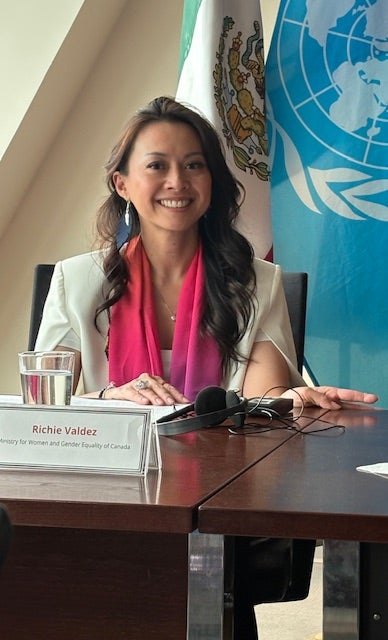
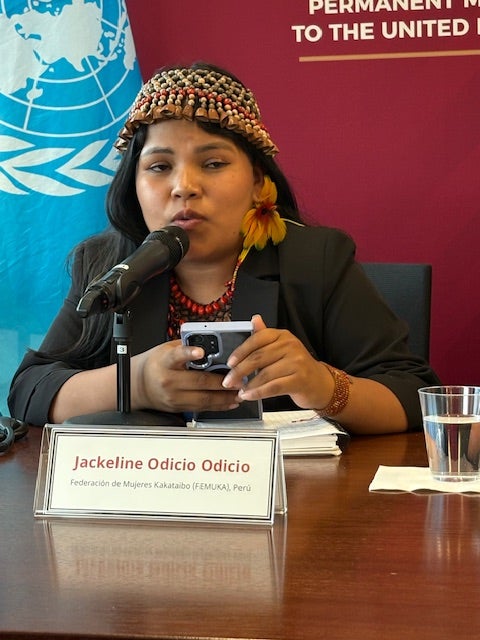
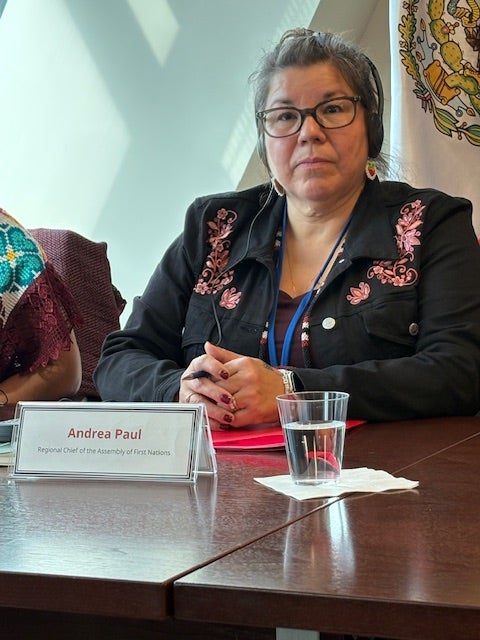
Speakers included Richie Valdez from Canada’s Ministry for Women and Gender Equity, Marisol Escudero representing Latin America and the Caribbean, Ana Paula LaValle and Fatima Gambo from Mexico, Veronica de Leon Xovin de Guarcas from Guatemala, Andrea Paul, Regional Chief of the Assembly of First Nations (Canada), Jackeline Odicio Odicio from Peru, and Norma Don Juan Perez from South America. Their presentations illuminated a stark reality where Indigenous women and girls disproportionately face violence, discrimination, and exclusion from effective legal recourse.
Canadian Context: Systemic Injustice and the Need for Indigenous Solutions
Richie Valdez highlighted the pervasive systemic injustices within Canada’s justice system, particularly concerning the sentencing of Indigenous peoples and the prevalence of race-based violence. She emphasized the profound impact on First Nations women and girls, noting that while Canada has a National Action Plan intended to address these concerns, a truly effective solution requires an Indigenous-led approach. Valdez stressed the critical importance of collaboration with survivors of violence and their families, asserting that Indigenous women, girls, and 2SLGBTQ+ victims must have their voices heard and their lived experiences acknowledged through testimony. The populations most negatively affected by the Canadian justice system, she pointed out, are the Inuit, Métis, and First Nations peoples. Data from Statistics Canada consistently shows that Indigenous women are significantly overrepresented in experiences of violence compared to non-Indigenous women. For instance, a 2018 report indicated that Indigenous women were three times more likely than non-Indigenous women to report being physically or sexually assaulted.
Andrea Paul, Regional Chief of the Assembly of First Nations, echoed these concerns, focusing on the inequity in justice access for Indigenous women. She underscored their overrepresentation not only as victims of violence but also within the criminal justice system as defendants. Paul drew attention to the prohibitive costs associated with navigating the complex legal system, a barrier that forces many First Nations defendants to plead guilty simply to expedite their cases through a heavily backlogged system. This reality often leads to disproportionate sentencing and further entrenches Indigenous peoples within the cycle of incarceration. The legal costs and complexities are often insurmountable for individuals and communities lacking adequate resources, forcing difficult choices that do not always serve justice.
Colonial Legacies and Intersecting Oppressions
A recurring theme throughout the panel was the enduring impact of colonial policies on contemporary Indigenous communities. The deliberate separation of Aboriginal children from their families and their placement in government-controlled institutions, a practice exemplified by Canada’s residential school system, was cited as a historical injustice with ongoing repercussions. These policies, designed to assimilate Indigenous peoples and sever cultural ties, have contributed to intergenerational trauma, weakened family structures, and created vulnerabilities that continue to manifest as external violence and domestic/family violence.
The speakers also emphasized how gender inequity for Indigenous women is inextricably linked with racism. This intersectionality of oppressions impacts not only Indigenous women but also the men within their communities, creating a complex web of challenges that requires a holistic approach to resolution. The call for self-determination emerged as a crucial element for healing the wounds of colonialism and for reclaiming agency over their lives and futures. This self-determination, they argued, is fundamental to dismantling the structures that perpetuate violence and foster sustainable well-being.
Fostering Dialogue and Peace Through Collaboration
Following the insightful panel discussions, a meet-and-greet was held at the Millennium Hotel, One UN Plaza. This event brought together attendees of UN CSW 70, including NGO representatives and member-state delegates, with members of Servas, a global peace organization. The gathering was co-sponsored by Servas members from around the world, fostering an environment for dialogue centered on Servas’s core message of peace through dialogue and cultural exchange. Discussions revolved around innovative solutions for achieving peace and the importance of approaching all interactions with hope and a commitment to peaceful coexistence. Such informal gatherings are crucial for building bridges between diverse stakeholders and fostering a shared understanding of complex global issues.
United States Opposition to Progressive Conclusions
The 70th session of CSW concluded with the adoption of its annual outcome document, the "Agreed Conclusions." However, the process was marked by a significant development: the United States cast the sole "no" vote against the document on March 9th. The U.S. delegation objected to specific language within the conclusions concerning reproductive rights, gender identity, and intersectionality. This opposition positions the United States against the progressive policies advocated for in the discussions at the UN Permanent Mexico Commission and the broader consensus emerging from the CSW 70 proceedings, including the sentiments expressed at the informal gathering involving the Servas organization and CSW attendees. The U.S. stance suggests a divergence in approach to gender equality and human rights frameworks on the international stage, particularly concerning the inclusion of rights and protections for diverse gender identities and the recognition of intersectional oppressions.
The implications of this U.S. opposition are far-reaching. It may weaken the collective resolve of the international community to advance comprehensive gender equality agendas, particularly in areas where consensus is already fragile. For Indigenous women and other marginalized groups advocating for robust protections and recognition of their rights, this vote can be seen as a setback, potentially hindering efforts to secure international support for their specific needs and challenges. The CSW 70 outcome document, despite the U.S. objection, still represents a significant global consensus on the imperative of ensuring justice for all women and girls. However, the dissenting vote underscores the ongoing political complexities and differing interpretations of human rights that persist within international forums.
Broader Impact and Future Outlook
The discussions at CSW 70, particularly the powerful testimonies from Indigenous women, underscore the urgent need for justice systems worldwide to become more inclusive, equitable, and responsive to the lived realities of marginalized communities. The persistent effects of colonialism, racism, and gender-based violence continue to create profound injustices for Indigenous peoples, demanding a fundamental shift in how justice is conceived and delivered. The call for self-determination is not merely a political aspiration but a necessary condition for healing, empowerment, and the attainment of genuine equality.
The commitment of organizations like Servas to fostering peace through dialogue and cultural exchange, alongside the dedicated advocacy of Indigenous women and their allies at the UN, offers pathways toward a more just and equitable future. While political challenges and differing national perspectives may persist, the collective voice raised at CSW 70 serves as a potent reminder of the shared responsibility to uphold human rights and ensure that no one is left behind in the pursuit of gender equality and justice. The ongoing work of amplifying Indigenous voices and integrating their perspectives into global policy frameworks remains paramount in addressing the deeply entrenched inequities they face.
The author, Phoebe Farris (Powhatan-Pamunkey descent), is Contributing Arts Editor for the Cultural Survival Quarterly magazine. An art critic, curator, author, and photographer with over two decades of experience, she has extensively documented and analyzed Indigenous visual, literary, and performing arts. As Professor Emerita of Art and Design at Purdue University, Farris has curated and contributed to numerous exhibitions celebrating Native and global Indigenous artists, bridging scholarship, creative practice, and advocacy to amplify Indigenous voices in contemporary art and media.