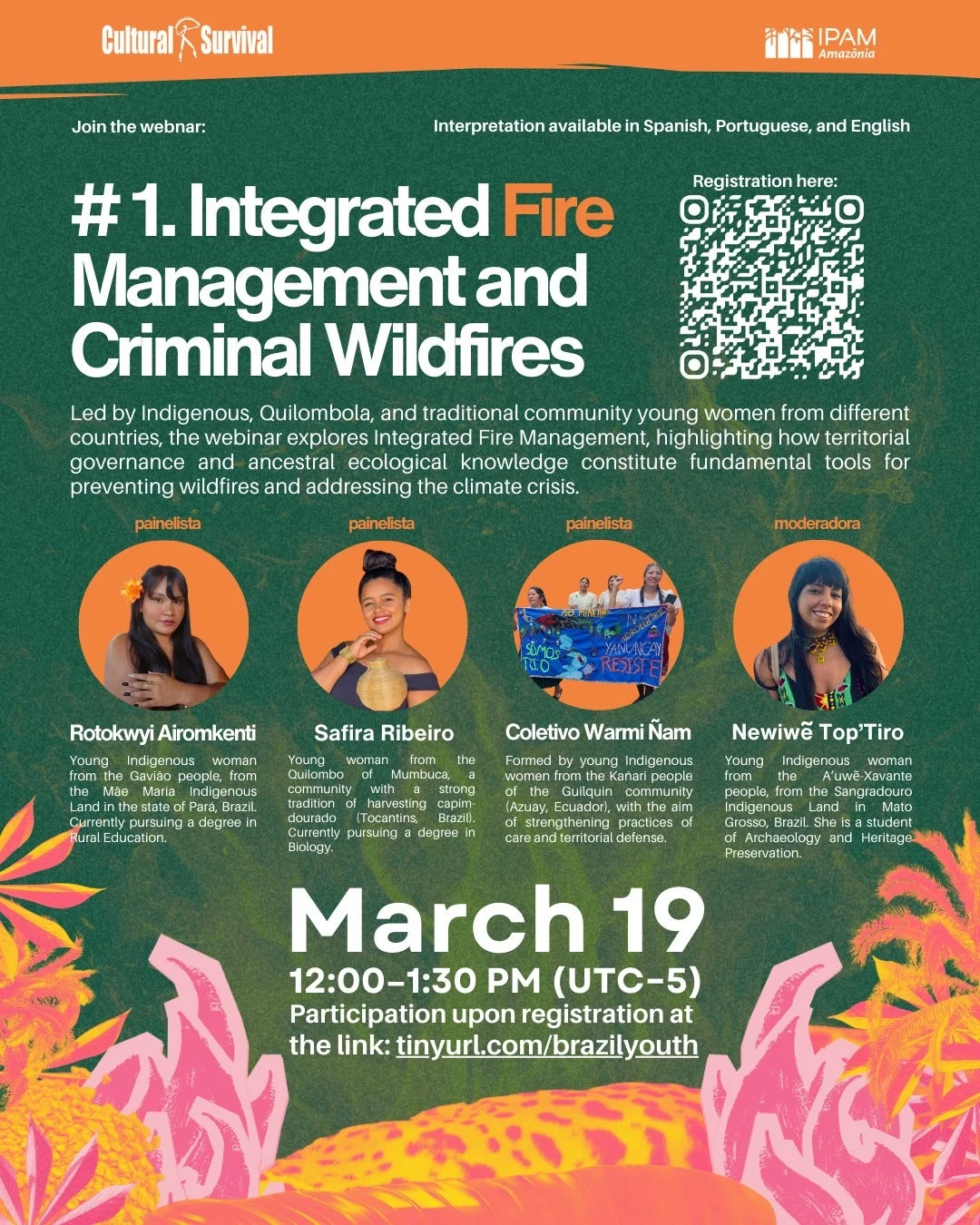
Cultural Survival, a prominent international organization dedicated to advocating for Indigenous Peoples’ rights and supporting their self-determination, cultures, and political resilience since 1972, has announced an upcoming webinar scheduled for Thursday, March 19, 2026, commencing at 3:47 PM Eastern Standard Time. While the specific topic and featured speakers for this event remain undisclosed in the provided announcement, the organization’s consistent commitment to amplifying Indigenous voices and addressing critical issues facing these communities suggests a focus on contemporary challenges and ongoing advocacy efforts.
Background and Organizational Mission
Founded in 1972, Cultural Survival has established itself as a vital platform for Indigenous Peoples worldwide. The organization’s core mission is to empower Indigenous communities by advocating for their fundamental rights and fostering their self-determination. This encompasses supporting the preservation and revitalization of their diverse cultures, languages, spiritual traditions, and artistic expressions. Furthermore, Cultural Survival actively works to bolster the political resilience of Indigenous Peoples, enabling them to navigate and influence the complex political landscapes that impact their lives and territories.
The organization’s vision is to foster a future where Indigenous Peoples are recognized and respected for their inherent rights and the richness of their dynamic cultures. This vision is deeply rooted in the understanding that Indigenous cultures are inextricably interwoven with their ancestral lands, languages, spiritual practices, and artistic heritage. At the heart of this vision lies the principle of self-determination and self-governance, emphasizing the right of Indigenous Peoples to make their own decisions regarding their futures, resources, and ways of life.
The Significance of Webinars in Indigenous Advocacy
Webinars have become an increasingly indispensable tool for organizations like Cultural Survival to connect with a global audience, share vital information, and foster dialogue on critical issues. In an era of digital connectivity, these virtual platforms transcend geographical barriers, allowing for the participation of individuals from diverse backgrounds and locations. For Indigenous communities, webinars offer a powerful avenue to:
- Amplify Voices: Provide a direct platform for Indigenous leaders, activists, and community members to share their experiences, perspectives, and concerns with a wider audience, including policymakers, researchers, and the general public.
- Disseminate Information: Share crucial updates on advocacy campaigns, legal battles, environmental threats, cultural preservation initiatives, and human rights issues impacting Indigenous Peoples.
- Facilitate Knowledge Sharing: Enable the exchange of best practices and innovative strategies for self-determination, sustainable development, and cultural revitalization among Indigenous communities.
- Mobilize Support: Educate and engage potential allies, encouraging them to take action and provide support for Indigenous rights.
- Build Networks: Connect Indigenous activists and organizations with each other, as well as with international partners and allies, fostering collaboration and solidarity.
The scheduling of this webinar on March 19, 2026, at 3:47 PM EST, indicates a deliberate effort to reach a broad audience, potentially accommodating participants across different time zones. Cultural Survival’s consistent use of such platforms underscores their strategic approach to leveraging technology for maximum impact in their advocacy work.

Potential Topics and Broader Context
While the specific subject matter of the March 19, 2026, webinar is not detailed, Cultural Survival’s ongoing work provides a strong indication of the likely themes. The organization actively engages with a wide array of issues critical to Indigenous Peoples, including:
- Land Rights and Environmental Protection: Many Indigenous communities are on the front lines of environmental degradation, deforestation, resource extraction, and climate change. Webinars often address the struggles for land tenure security, the defense of sacred sites, and the promotion of Indigenous-led conservation efforts. Data from organizations like the UN Permanent Forum on Indigenous Issues consistently highlight the disproportionate impact of environmental challenges on Indigenous territories. For instance, studies have shown that Indigenous lands often harbor higher biodiversity and carbon sequestration rates, making their protection vital for global ecological health.
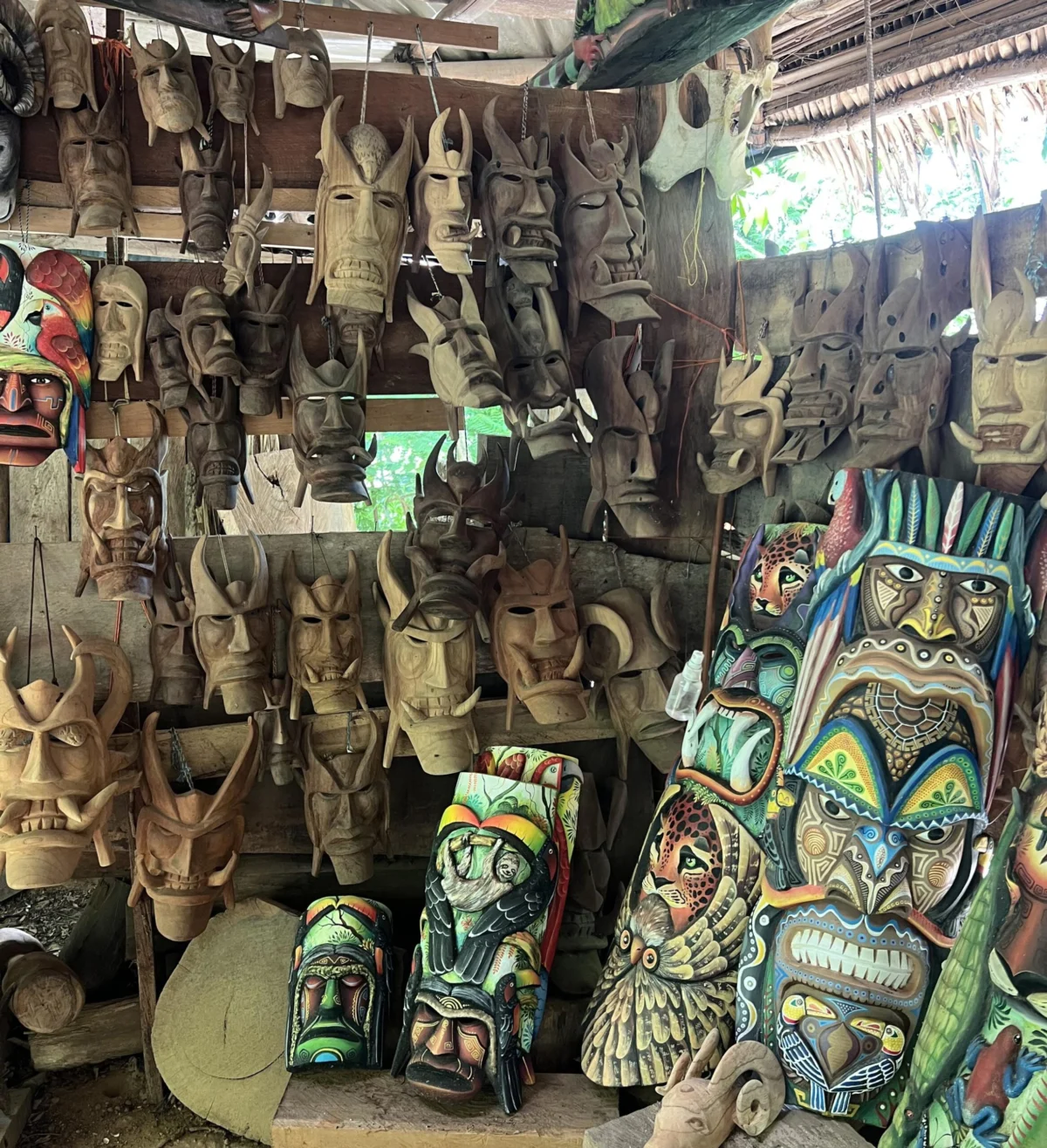
- Cultural Preservation and Language Revitalization: The erosion of Indigenous languages and cultural practices is a significant concern. Cultural Survival supports initiatives aimed at documenting, preserving, and revitalizing these vital aspects of Indigenous identity. Webinars can showcase successful language immersion programs, the use of digital tools for cultural archiving, and the intergenerational transmission of traditional knowledge. Reports from UNESCO indicate that a significant percentage of the world’s languages are Indigenous and are facing the threat of extinction.
- Human Rights and Social Justice: Indigenous Peoples often face discrimination, marginalization, and violence. Advocacy for their human rights, including the right to free, prior, and informed consent (FPIC) on development projects affecting their lands, is a central theme. Webinars can highlight specific cases of human rights violations, discuss legal strategies, and call for accountability. The UN Declaration on the Rights of Indigenous Peoples (UNDRIP) serves as a key framework for these discussions, though its implementation remains a significant challenge in many regions.
- Self-Determination and Governance: A core principle for Indigenous Peoples is the right to govern themselves and determine their own development pathways. Webinars can explore Indigenous models of governance, resource management, and economic development that are aligned with cultural values and sustainability. The success of Indigenous-led initiatives in areas like ecotourism, traditional agriculture, and renewable energy projects often serves as inspiring case studies.
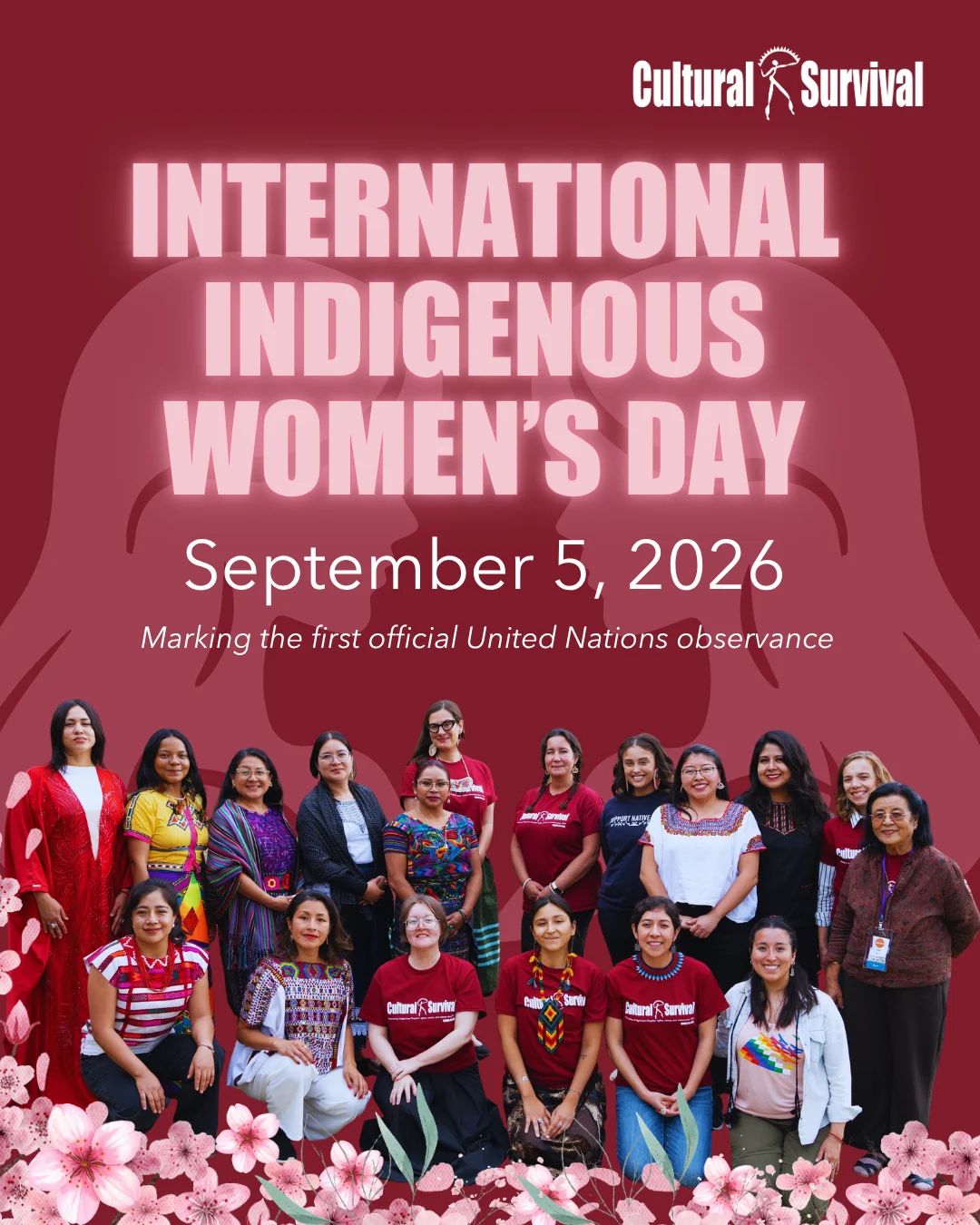
- Indigenous Women’s Rights: Indigenous women play crucial roles in their communities as knowledge keepers, cultural transmitters, and leaders. Webinars may focus on the unique challenges they face, including gender-based violence, and highlight their contributions to community resilience and advocacy.
Strategic Communication and Engagement
Cultural Survival’s consistent engagement through webinars is a testament to their strategic approach to communication and advocacy in the 21st century. By utilizing these platforms, they can:
- Reach a Global Audience: Connect with individuals and organizations across continents, fostering international solidarity and awareness.
- Democratize Access to Information: Provide access to expert knowledge and firsthand accounts that might otherwise be inaccessible to many.
- Foster Interactive Dialogue: Allow for real-time question-and-answer sessions, enabling deeper engagement and understanding between speakers and participants.
- Build a Digital Community: Cultivate a network of supporters, activists, and allies who are informed and motivated to take action.
The organization’s stated mission and vision, "Cultural Survival advocates for Indigenous Peoples’ rights and supports Indigenous communities’ self-determination, cultures and political resilience, since 1972," and "Cultural Survival envisions a future that respects and honors Indigenous Peoples’ inherent rights and dynamic cultures, deeply and richly interwoven in lands, languages, spiritual traditions, and artistic expression, rooted in self-determination and self-governance," provide a clear roadmap for the types of discussions that are likely to emerge from their webinars. These principles guide their work and inform the selection of topics that will resonate with their mission and benefit Indigenous communities.
Implications and Future Outlook
The continued reliance on webinars by organizations like Cultural Survival signifies a shift in how advocacy and awareness campaigns are conducted. These digital events are not merely supplementary; they are integral to the strategy of informing, engaging, and mobilizing support. As the world grapples with complex global challenges, the voices and perspectives of Indigenous Peoples are increasingly recognized as essential for finding sustainable and equitable solutions.
The upcoming webinar on March 19, 2026, will undoubtedly contribute to this ongoing dialogue. It presents an opportunity for the public to learn from Indigenous leaders and advocates, to understand the pressing issues they face, and to explore ways to support their fundamental rights and aspirations for self-determination. The success of such events lies not only in the dissemination of information but also in the tangible actions that participants are inspired to take. Cultural Survival’s commitment to staying informed, as evidenced by their "Stay Informed" section which encourages sign-ups for updates, further solidifies their dedication to continuous engagement and collaborative efforts towards a more just and equitable world for Indigenous Peoples. The organization’s long-standing presence and its forward-looking approach to communication suggest that their webinars will continue to be vital platforms for advancing the rights and visibility of Indigenous communities globally.