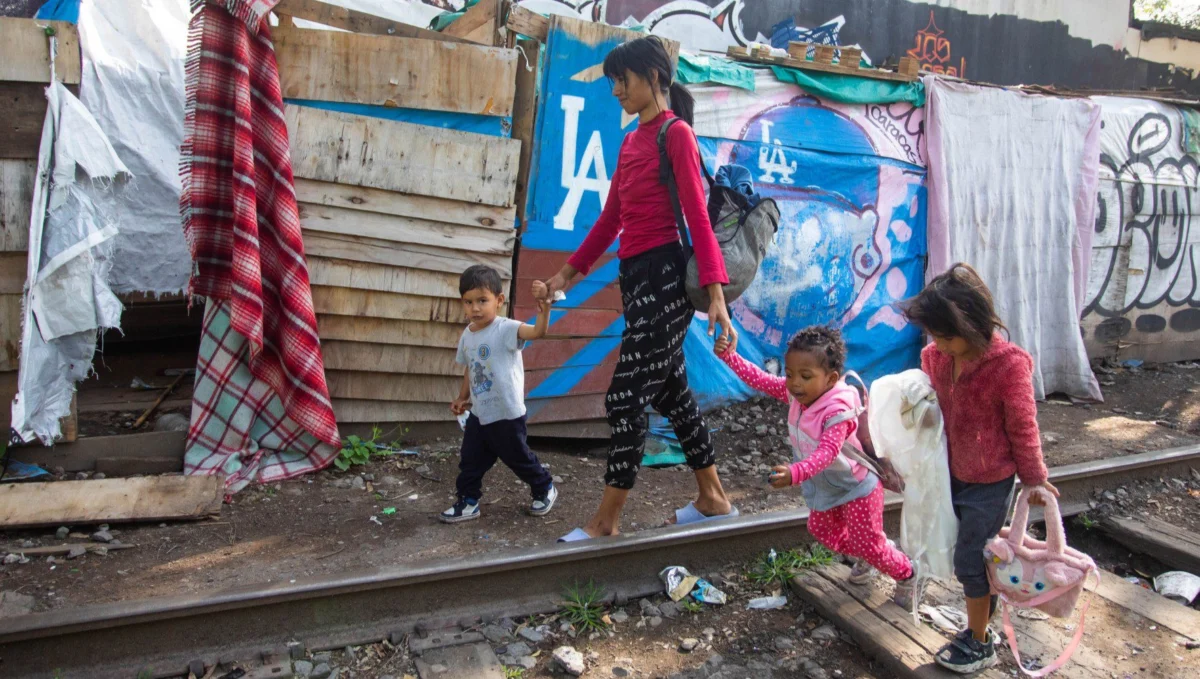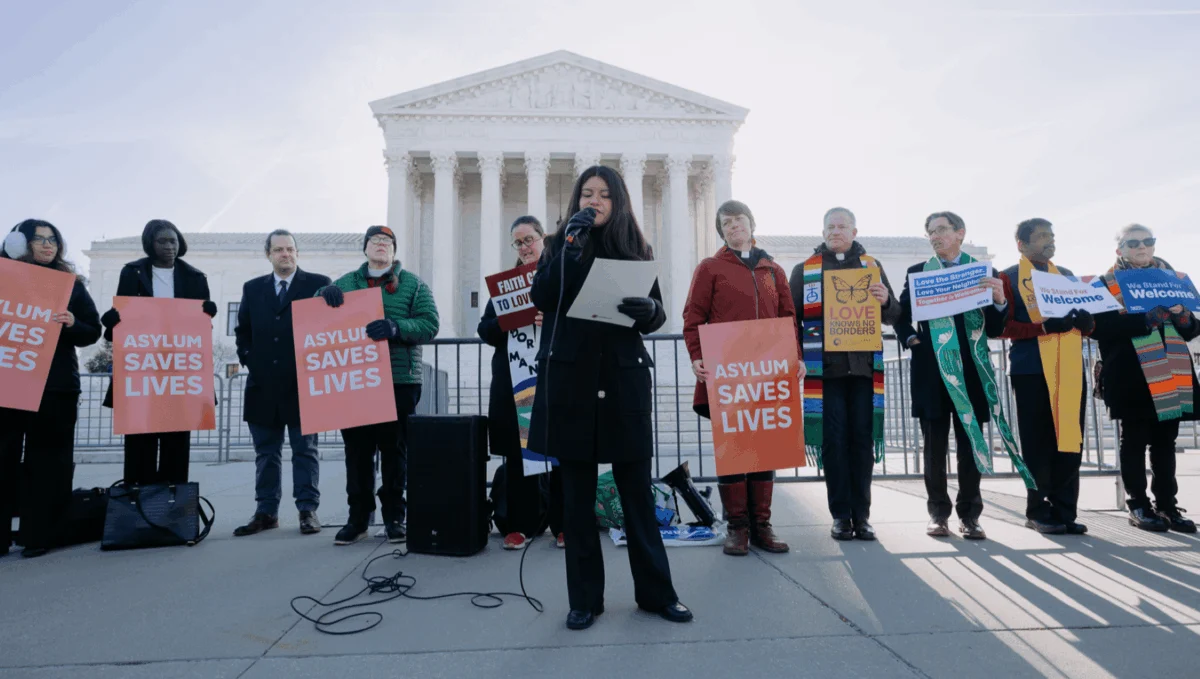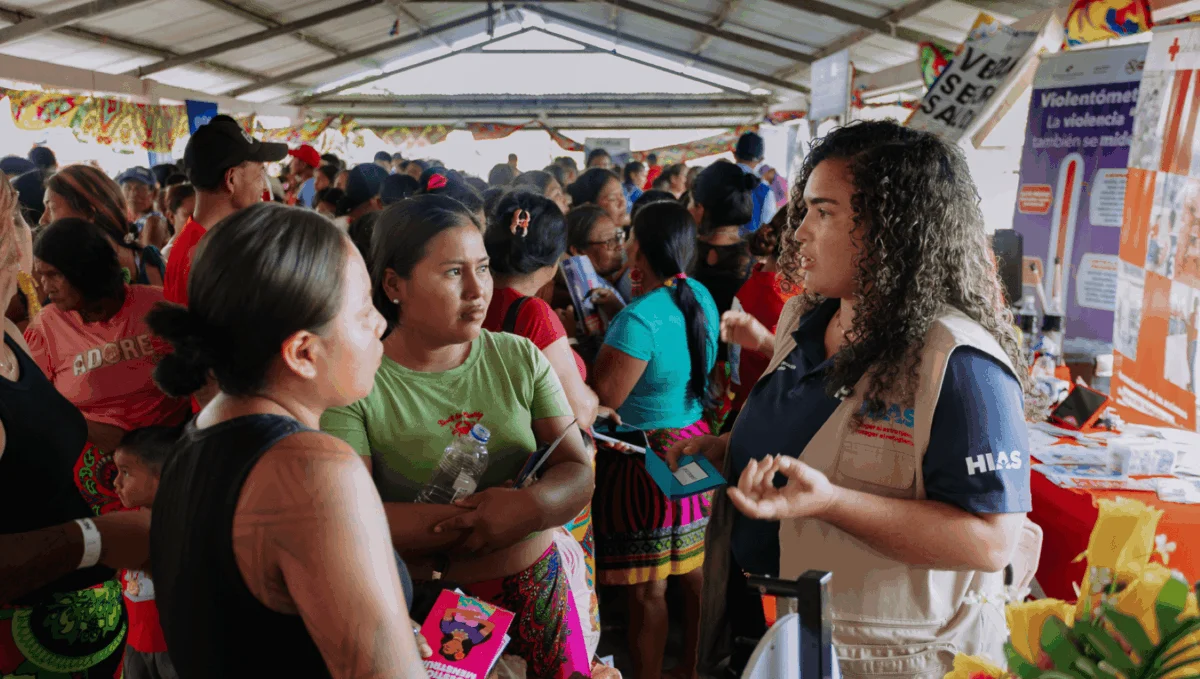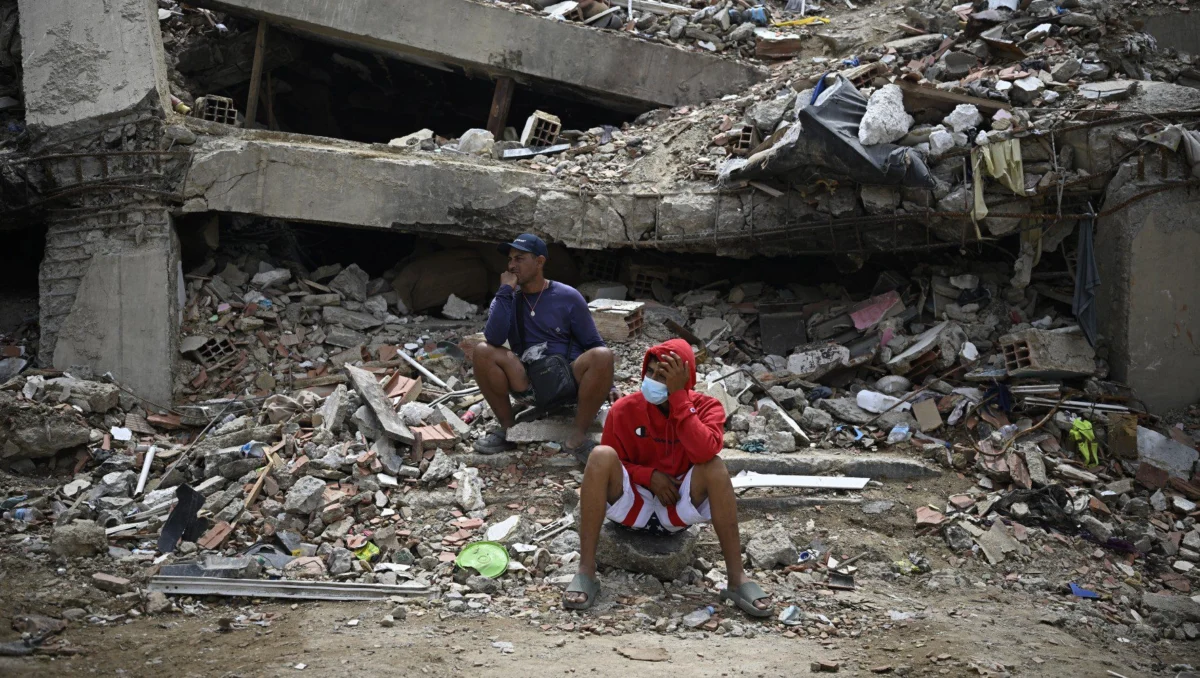
March 11, 2026 – In a powerful display of solidarity, more than 1,100 Jewish clergy members from across the denominational spectrum in the United States have issued a unified statement affirming their commitment to supporting refugees, asylum seekers, and immigrants. This significant collective declaration underscores a deeply held belief within the American Jewish community regarding its responsibility to uphold the dignity, humanity, and rights of all individuals within national borders.
The initiative, spearheaded by various Jewish organizations, including HIAS (formerly the Hebrew Immigrant Aid Society), aims to leverage the moral and historical imperatives of Judaism to advocate for more compassionate and just immigration policies. The clergy’s statement is rooted in core Jewish values and historical experiences, drawing a direct parallel between their ancestors’ journeys as migrants and the plight of those seeking refuge today.
A Historical Mandate for Compassion
The call to protect the stranger is a foundational tenet of Jewish law and tradition. The statement explicitly references key biblical passages, including Exodus 22:20: "You shall not wrong or oppress the stranger, for you were strangers in the land of Egypt." Leviticus 19:34 further emphasizes this, stating, "You shall love one another as yourself," and Numbers 15:15 adds, "There shall be one law for you and for the stranger who sojourns with you." These verses, the clergy argue, provide an unequivocal mandate for their advocacy.
"To be a Jew is to insist on the inherent human dignity of every person," the statement reads. "To be a Jew is to advocate for law to be just, compassionate, and fair, and cry out when power is wielded with cruelty." This conviction is amplified by the collective memory of Jewish migration throughout history, a history that has profoundly shaped the community’s understanding of displacement and the need for sanctuary.
Background and Context
The emergence of this broad coalition of Jewish clergy comes at a critical juncture in global and domestic immigration discourse. In recent years, the United States has grappled with complex challenges related to border security, asylum processes, and the integration of immigrant communities. Political polarization has often characterized these debates, leading to policies that have been criticized by human rights advocates and faith-based organizations alike.
This statement represents a significant mobilization within the American Jewish community, a community that has historically been at the forefront of advocacy for vulnerable populations. Organizations like HIAS have a long legacy of assisting refugees and immigrants, dating back to the late 19th century when they aided Eastern European Jews fleeing persecution. This historical continuity provides a powerful backdrop to the current declaration, demonstrating that the commitment to welcoming the stranger is not a new phenomenon but an enduring principle.
The initiative is also a response to specific policy developments and the broader humanitarian crises unfolding worldwide. Clergy members, acting as spiritual leaders and community figures, feel a profound responsibility to translate their theological convictions into tangible action. The video accompanying the statement, titled "America’s Jewish Clergy Speak Out for Immigrants," features several prominent rabbis and cantors articulating their personal and communal commitment to this cause.
Key Figures and Statements
While the full list of signatories is extensive, the collective nature of the statement highlights its broad appeal across different Jewish movements, including Orthodox, Conservative, Reform, and Reconstructionist Judaism, as well as independent congregations and rabbinic associations. This ecumenical solidarity is a testament to the unifying power of shared values.
The statement itself is a carefully crafted document, weaving together religious texts, historical reflections, and contemporary calls to action. It does not shy away from the moral implications of current policies, urging leaders to "not wrong or oppress the stranger." The inclusion of specific biblical citations lends significant weight to the clergy’s arguments, grounding their advocacy in the bedrock of Jewish tradition.
Timeline of Mobilization
The initiative appears to have been a concerted effort over a period of time, culminating in the March 11, 2026, announcement. While specific details of the planning stages are not publicly available, such a broad coalition typically involves extensive outreach, consultation, and consensus-building among diverse religious leaders. The inclusion of an invitation for additional clergy to join the statement suggests an ongoing process of engagement. The video itself, released on the same date, serves as a public unveiling of this unified front.
Supporting Data and Analysis
The signatories represent a substantial portion of active Jewish clergy in the United States. While precise numbers can fluctuate, the participation of over 1,100 individuals signifies a powerful grassroots movement within the religious leadership. This level of engagement suggests that the issues of immigration and refugee welfare are of significant concern to a large segment of the American Jewish population.
The implications of such a unified stance are multifaceted:
- Moral Authority: The collective voice of clergy lends significant moral authority to the advocacy for immigrant rights. Their pronouncements often resonate deeply within their congregations and can influence public opinion and policy debates.
- Community Engagement: The initiative encourages congregants to become involved in advocating for immigrants, potentially leading to increased volunteerism, advocacy efforts, and support for organizations working with refugees.
- Bipartisan Appeal: While the current political climate is often polarized, appeals to fundamental human rights and religious values can sometimes transcend partisan divides, creating opportunities for dialogue and policy change.
- Countering Negative Narratives: The statement serves as a direct counterpoint to narratives that may demonize or dehumanize immigrants, reinforcing the Jewish community’s commitment to empathy and justice.
Broader Impact and Implications
The "Chorus of Conscience" among Jewish clergy is more than just a symbolic gesture; it is a call to action with potentially significant policy implications. By publicly aligning themselves with refugees and asylum seekers, these religious leaders are actively shaping the discourse and challenging policies that they deem unjust or inhumane.
The broader impact extends beyond the Jewish community. This unified voice can inspire similar statements from other faith groups and secular organizations, building a wider coalition for immigrant rights. It highlights the ongoing role of religious institutions in advocating for social justice and serving as a moral compass in society.
Furthermore, the initiative underscores the enduring relevance of historical memory in contemporary ethical decision-making. The Jewish experience of displacement and seeking refuge serves as a potent reminder of the universal need for compassion and the shared responsibility to protect those fleeing persecution or seeking a better life.
The statement’s call to action, "Join us in taking action for refugees and immigrants and share this video with your networks," indicates a desire to translate moral conviction into concrete change. As the nation continues to navigate the complexities of immigration, the unified voice of these Jewish clergy members stands as a powerful testament to the enduring values of humanity and justice.
Call to Action and Future Engagement
The statement explicitly invites additional U.S. Jewish clergy members to add their names, signaling an ongoing commitment to building and sustaining this movement. The periodic updating of the signatory list suggests a long-term strategy for advocacy and awareness. This continuous engagement is crucial for maintaining momentum and ensuring that the voices of these religious leaders continue to be heard in policy discussions and public forums. The accompanying video serves as a powerful tool for disseminating this message, encouraging broader participation and support for refugee and immigrant communities.