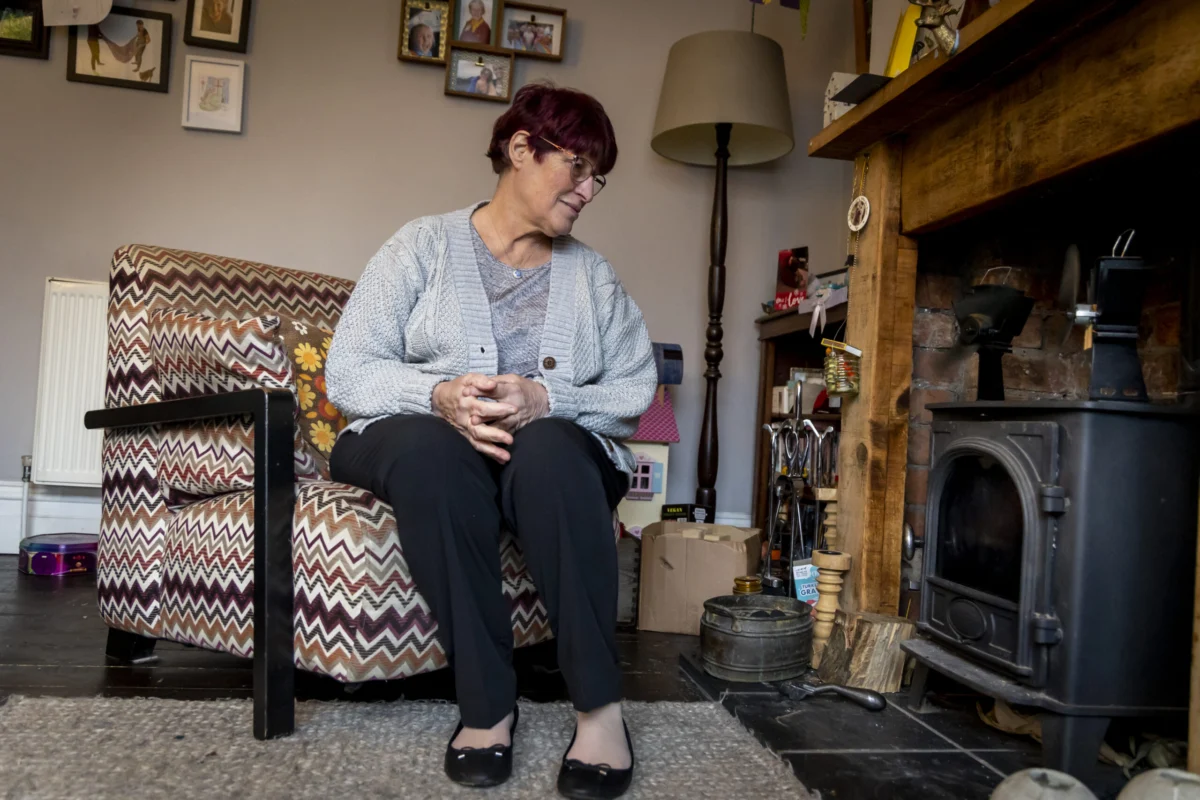
Age Action, Ireland’s leading advocacy organization for older people, has issued a formal statement expressing profound disappointment regarding the provisions—or lack thereof—in Budget 2026. The organization characterized the fiscal plan as a "missed opportunity" to address the systemic financial vulnerabilities facing the nation’s aging population. Despite expectations of a shift toward sustainable, long-term support structures, Age Action argues that the measures announced fail to insulate older citizens from the lingering effects of inflation or provide adequate progress in the critical sectors of health and housing.
The critique centers on the inadequacy of the State Pension increase and the failure to reform energy supports for those living in inefficient housing. According to Camille Loftus, Head of Advocacy and Public Affairs at Age Action, the government’s move away from "one-off" lump-sum payments toward permanent measures has not resulted in the necessary level of income protection required to maintain a dignified standard of living for the more than 860,000 people aged 65 and older currently residing in Ireland.
The State Pension and the 34% Benchmark
A primary point of contention for Age Action is the €10 weekly increase to the State Pension. While any increase is ostensibly positive, the organization highlights that this figure fails to meet the long-standing benchmark recommended by the Pensions Commission. The Commission previously advised that the State Pension should be set at 34% of average weekly earnings to ensure retirees are not at risk of poverty.
Current economic data suggests that average weekly earnings in Ireland have risen significantly, yet the pension rate continues to lag behind. Age Action notes that while the headline inflation rate has decelerated from its 2023 peaks, the actual price levels for essential goods—such as groceries and utilities—remain at record highs. For an older person living on a fixed income, a €10 increase represents a marginal adjustment that does not restore the purchasing power lost over the past three fiscal cycles.
Advocates argue that by failing to link the pension to a transparent benchmark like average wages or the Consumer Price Index (CPI), the government leaves older people in a state of perpetual financial uncertainty, dependent on the political whims of each budget cycle rather than a structured social contract.
Energy Poverty and the Inadequacy of Fuel Allowance
Budget 2026 included a €5 increase in the weekly rate of the Fuel Allowance, a measure intended to help low-income households manage heating costs during the winter months. However, Age Action has labeled this adjustment as an "inadequate substitute" for the structural reforms they proposed.
The organization had campaigned for the introduction of an "Energy Guarantee" for older people. This proposed mechanism was designed to take into account two variables: the fluctuating price of energy and the energy efficiency (BER rating) of the individual’s home. Data indicates that older people in Ireland are disproportionately likely to live in older, poorly insulated dwellings with outdated heating systems. Consequently, they require more energy to maintain a healthy indoor temperature, leading to higher-than-average utility bills.
Age Action pointed out several flaws in the current Fuel Allowance framework:
- Limited Reach: Currently, fewer than 30% of State Pension recipients qualify for the Fuel Allowance, leaving hundreds of thousands of middle-income retirees to face rising energy costs without assistance.
- Fixed Rate Inequity: The flat-rate increase does not account for the reality that a person in a BER G-rated home faces significantly higher costs than someone in a modern, A-rated apartment.
- Cost vs. Support Gap: The €5 increase is viewed as a token gesture that does not reflect the reality of energy market volatility.
Chronology of Budget 2026 Advocacy
The dissatisfaction expressed by Age Action follows months of intensive lobbying and consultation. The timeline of the organization’s engagement with the government highlights a consistent message that they feel was ultimately ignored:
- August 2025: Age Action published its formal Budget 2026 submission, titled "Investing in Aging," which outlined the need for an Energy Guarantee and the benchmarking of the State Pension.
- September 2025: Representatives from Age Action met with Minister for Finance Jack Chambers and Minister for Public Expenditure Paschal Donohoe. During this meeting, the organization presented data on the "cost of aging" and the specific fears of older people regarding the removal of one-off cost-of-living supports.
- Late September 2025: Government briefings suggested a move away from the "bonanza" budgets of previous years, focusing instead on permanent tax changes and social welfare adjustments.
- October 2025: The announcement of Budget 2026 confirmed a €10 pension increase and a €5 fuel allowance hike, prompting the current backlash from advocacy groups.
Economic Context and the "One-Off" Support Dilemma
In the preceding two years, the Irish government utilized significant budget surpluses to issue one-off payments, including double pension weeks and energy credits. While these provided temporary relief, Age Action and other NGOs warned that they were "sticking plaster" solutions to a structural problem.
For Budget 2026, the government signaled a return to fiscal "normality." However, Age Action argues that the transition was botched. By removing the one-off supports and replacing them with modest permanent increases, the government has effectively overseen a "net stagnation" or even a "net decrease" in the disposable income of some older households when adjusted for cumulative inflation since 2022.
Camille Loftus emphasized that while the government claimed to be targeting those most in need, the lack of progress on the Energy Guarantee and the exclusion of many pensioners from the Fuel Allowance suggests a failure in targeting. The organization maintains that "inflation may have fallen, but prices have not," a reality that hits those on fixed incomes hardest as they spend a larger percentage of their income on non-discretionary items.
Health and Housing: The Unaddressed Pillars
Beyond direct income, Age Action expressed disappointment at the lack of transformative investment in health and housing for the elderly. The organization noted that the budget did not provide a clear roadmap for:
- Home Care Packages: Despite a growing waiting list, the budget did not specify a significant expansion of home care hours to allow older people to age in place.
- Housing Adaptation Grants: While funding for these grants exists, the application process remains bogged down in bureaucracy, and the funding levels have not kept pace with the rising cost of construction and materials.
- Social Housing for Seniors: There was a noted absence of a dedicated strategy to build age-friendly social housing clusters, which are essential for downsizing and freeing up larger family homes.
Broader Implications and Official Reactions
The reaction from the government has generally focused on the "totality" of the budget. In defense of the measures, government spokespeople have pointed to the increase in the tax-free threshold and the "Cost of Business" grants which they argue will indirectly stabilize the economy for all citizens. Minister for Finance Jack Chambers noted in his budget speech that the government had to balance competing interests in a "capacity-constrained economy," aiming for a sustainable path that avoids fueling further inflation.
However, opposition parties have echoed Age Action’s concerns. Statements from opposition spokespersons on social protection suggested that the budget fails to protect the most vulnerable from "hidden" costs, such as the increasing privatization of services and the high cost of medicines not covered by the Medical Card for those just above the income threshold.
The implications of this budget are significant. Ireland’s demographic profile is shifting rapidly; the number of people aged 65 and older is projected to nearly double in the next 20 years. Age Action argues that by failing to establish a "poverty-proofed" pension and energy support system now, the state is merely deferring a much larger social and financial crisis.
Conclusion and Future Outlook
The statement from Age Action serves as a stark reminder of the disconnect between macroeconomic indicators and the lived experience of the elderly. While the national treasury may be in surplus, the "household treasury" of the average pensioner is under significant strain.
As the 860,000 people aged 65 and older look toward the winter of 2025 and into 2026, the sentiment remains one of apprehension. Age Action has vowed to continue its advocacy, focusing on the upcoming legislative stages of the Social Welfare Bill to seek amendments that might provide the "Energy Guarantee" and the pension benchmarking they deem essential. For now, Budget 2026 stands, in the eyes of Ireland’s largest advocacy group for the aged, as a missed opportunity to honor the social contract with the nation’s older citizens.