Cultural Survival, a globally recognized organization dedicated to advocating for Indigenous Peoples’ rights and supporting their self-determination, cultures, and political resilience since 1972, has announced an upcoming webinar. The event is scheduled to take place on Wednesday, April 8, 2026, commencing at 10:27 AM Eastern Time. While the specific theme of the webinar is not detailed in the provided announcement, its timing and the organization’s core mission strongly suggest a focus on contemporary challenges and triumphs faced by Indigenous communities worldwide.
The announcement, originating from Cultural Survival’s digital platforms, includes a placeholder image and the precise date and time for the event. This forthcoming webinar is expected to leverage Cultural Survival’s extensive experience and network to shed light on critical issues impacting Indigenous populations. Such issues commonly include land rights, cultural preservation, environmental justice, language revitalization, and the ongoing struggle for self-governance in the face of globalization and external pressures.
Background and Context: The Enduring Mission of Cultural Survival
Founded in 1972, Cultural Survival emerged during a period of heightened global awareness of human rights and the rights of minority groups. The organization was established with the fundamental belief that Indigenous Peoples possess inherent rights to their lands, cultures, and ways of life, and that their self-determination is paramount to their survival and well-being. Over the decades, Cultural Survival has evolved into a significant force, working in solidarity with Indigenous communities across more than 60 countries. Their approach is multifaceted, encompassing direct support for community-led initiatives, advocacy at international forums, educational programs, and the dissemination of information through various media channels, including their long-standing magazine, Cultural Survival Quarterly.
The organization’s vision, as articulated on its platforms, is "a future that respects and honors Indigenous Peoples’ inherent rights and dynamic cultures, deeply and richly interwoven in lands, languages, spiritual traditions, and artistic expression, rooted in self-determination and self-governance." This vision underscores the interconnectedness of cultural, political, and environmental well-being for Indigenous Peoples. The upcoming webinar is therefore likely to align with these foundational principles, serving as a platform for dialogue, knowledge sharing, and potentially, the mobilization of support for Indigenous-led solutions.
Anticipated Themes and Potential Participants
Given Cultural Survival’s consistent engagement with pressing Indigenous issues, the webinar could address a range of critical topics. These might include:
- Land Rights and Environmental Defense: Many Indigenous communities are on the front lines of environmental protection, often defending their ancestral territories from resource extraction, deforestation, and climate change impacts. The webinar could explore successful Indigenous-led conservation efforts, legal battles for land restitution, and the role of Indigenous knowledge in sustainable development.
- Cultural and Linguistic Revitalization: The erosion of Indigenous languages and cultural practices is a global concern. Sessions might highlight innovative strategies for language immersion programs, intergenerational knowledge transfer, and the use of digital technologies to preserve and promote cultural heritage.
- Indigenous Governance and Self-Determination: The webinar could delve into the complexities of Indigenous self-governance, including the establishment of autonomous political structures, engagement with national governments, and the assertion of sovereignty in diverse political landscapes.
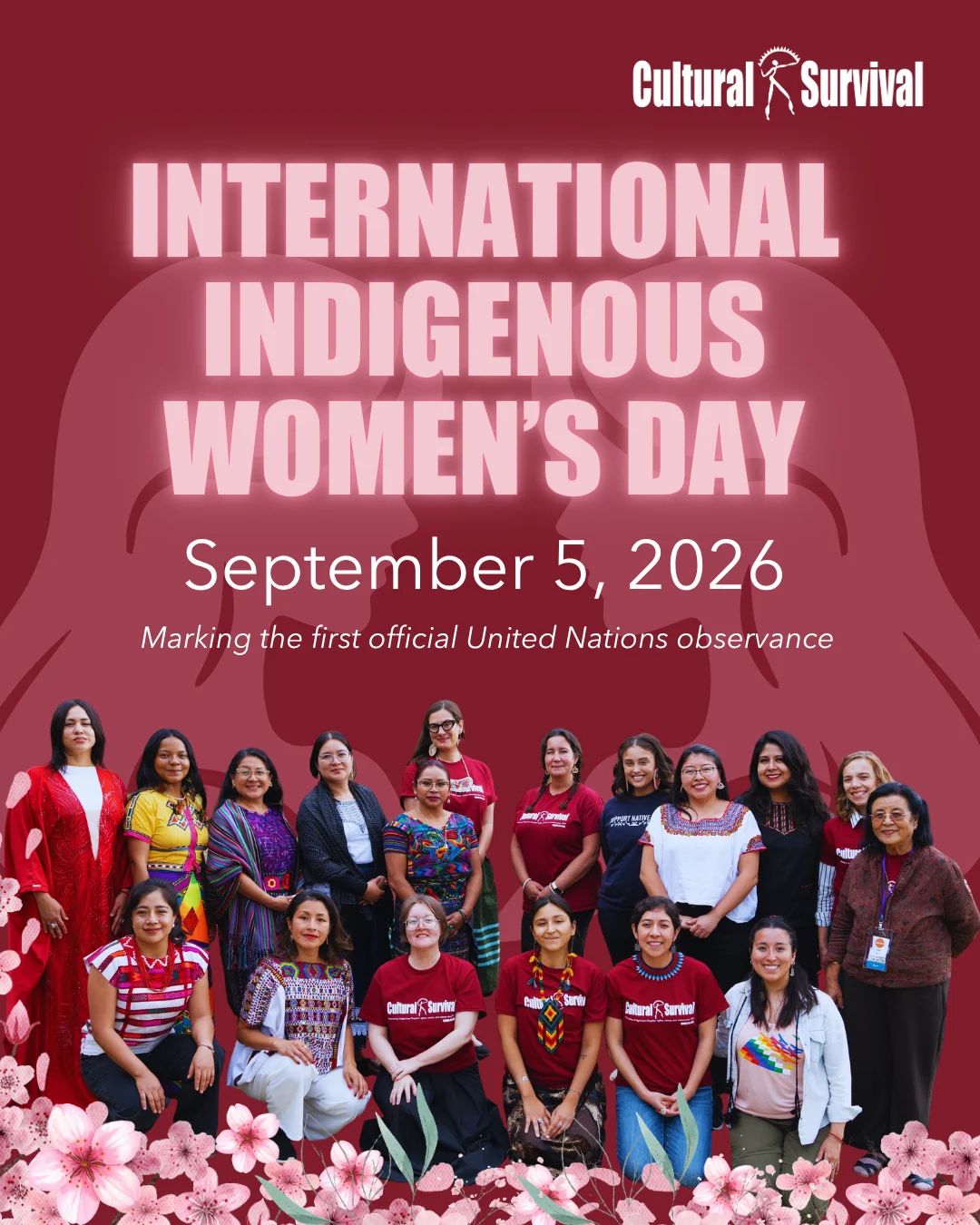
- Indigenous Women’s Leadership: Recognizing the crucial role of women in Indigenous societies, the event might feature discussions on their leadership in community development, advocacy, and cultural stewardship.
- The Impact of Global Crises: The webinar may also address how global challenges such as pandemics, economic instability, and political conflicts disproportionately affect Indigenous communities and explore Indigenous resilience in navigating these crises.
While specific speakers have not been named, it is highly probable that the webinar will feature Indigenous leaders, activists, academics, and representatives from organizations working directly with Indigenous communities. Cultural Survival’s extensive network suggests potential participation from individuals and groups who have previously collaborated with them on projects related to human rights, environmental conservation, and cultural preservation. For instance, speakers might include representatives from organizations that have received Cultural Survival grants, or Indigenous delegates who have participated in international forums where Cultural Survival has been an active advocate.

Supporting Data and Global Context
The urgency and relevance of a webinar focused on Indigenous resilience are underscored by global statistics. According to the United Nations Permanent Forum on Indigenous Issues (UNPFII), Indigenous Peoples constitute approximately 6% of the world’s population, yet they live in regions accounting for 20% of the earth’s surface and are guardians of 80% of the world’s biodiversity. Despite this vital role, Indigenous communities often face systemic discrimination, poverty, and marginalization.
Data from various sources highlight these challenges:
- Poverty Rates: Indigenous populations often experience significantly higher rates of poverty and unemployment compared to non-Indigenous populations within the same countries. For example, in some Latin American nations, Indigenous poverty rates can be double or triple the national average.
- Health Disparities: Access to healthcare and health outcomes for Indigenous Peoples are frequently worse than for the general population, with higher incidences of certain diseases and lower life expectancies in many regions.
- Education Gaps: While educational attainment is improving in many Indigenous communities, significant disparities persist in access to quality education, particularly in remote areas and for Indigenous girls and women.
- Land Dispossession: The ongoing struggle for land rights remains a central issue. Reports from organizations like the International Land Coalition indicate that Indigenous Peoples globally face persistent threats of land grabbing and displacement due to development projects, agricultural expansion, and resource extraction.
- Environmental Vulnerability: Indigenous territories are often rich in natural resources, making them targets for exploitation. This not only leads to environmental degradation but also threatens the traditional livelihoods and cultural practices of Indigenous Peoples, who are often disproportionately affected by climate change impacts.
These statistics provide a stark backdrop for the discussions likely to be held during the webinar. They underscore the critical need for platforms that amplify Indigenous voices, share best practices, and foster solidarity in the pursuit of rights and self-determination.
Cultural Survival’s Engagement Strategy
Cultural Survival’s approach to advocacy and support is characterized by its commitment to Indigenous leadership and partnership. The organization does not impose solutions but rather works to empower Indigenous communities to define and implement their own development strategies. This is achieved through several key mechanisms:
- Grantmaking: Cultural Survival provides direct financial support to Indigenous-led organizations and grassroots initiatives working on a wide array of projects, from cultural preservation and language revitalization to environmental advocacy and human rights defense. Since its inception, the organization has funded thousands of projects worldwide, demonstrating a sustained commitment to community-based solutions.
- Advocacy: Cultural Survival actively engages with international bodies such as the United Nations, advocating for the recognition and implementation of Indigenous rights as enshrined in international law, most notably the UN Declaration on the Rights of Indigenous Peoples (UNDRIP).
- Media and Communications: Through its publications, radio programs, and online platforms, Cultural Survival disseminates information about Indigenous issues, amplifies Indigenous voices, and educates the global public about the importance of Indigenous self-determination and cultural diversity. The "Stay Informed" section on their website, which encourages sign-ups for updates on news, program developments, and events, is a testament to this communication strategy.
The upcoming webinar is a natural extension of these engagement strategies. It offers an accessible and inclusive format for a broader audience to learn from and connect with Indigenous leaders and experts.
Broader Impact and Implications
The significance of this webinar extends beyond its immediate participants. By providing a platform for dialogue and knowledge exchange, Cultural Survival aims to:
- Raise Global Awareness: Educate a wider audience about the contemporary realities and challenges faced by Indigenous Peoples, fostering greater understanding and empathy.
- Promote Best Practices: Showcase successful Indigenous-led initiatives and strategies that can serve as models for other communities and organizations.
- Strengthen Indigenous Networks: Facilitate connections and collaborations among Indigenous leaders, activists, and allies, building a stronger collective voice for advocacy.
- Mobilize Support: Inspire individuals and institutions to take action, whether through financial contributions, advocacy, or other forms of solidarity with Indigenous Peoples’ struggles.
- Inform Policy: Contribute to the ongoing discourse on Indigenous rights and self-determination, potentially influencing policy decisions at local, national, and international levels.
The timing of the webinar, set for April 8, 2026, allows for ample preparation and promotion, suggesting that Cultural Survival intends to make this a significant event. As the date approaches, further details regarding the specific agenda, speakers, and registration process are expected to be released through Cultural Survival’s official communication channels. This forthcoming event represents a vital opportunity to engage with the enduring efforts of Indigenous Peoples to safeguard their cultures, assert their rights, and build a more just and sustainable future for all.