March 26, 2026 – By Jennie van den Boogaard, Director of Global External Relations and Marketing
The civil war in Sudan, erupting in April 2023, has precipitated the world’s largest and most urgent humanitarian crisis, with nearly one million Sudanese nationals seeking refuge in neighboring Chad. This unprecedented influx has overwhelmed existing humanitarian infrastructure and exacerbated the plight of those already displaced. These new arrivals join a long-standing refugee population, some of whom have resided in Chad’s eastern camps for nearly two decades, creating a complex and dire humanitarian landscape. The scale of displacement from Sudan in just over two years surpasses that of the preceding two decades combined, a stark testament to the ferocity of the conflict. This escalating need is occurring against a backdrop of drastic cuts to international humanitarian aid, pushing both refugees and their host communities in Chad to the precipice of survival. HIAS Chad, with over two decades of commitment to assisting refugees and displaced persons, continues its vital work amidst these extraordinary challenges.
The Evolving Refugee Landscape in Chad
Chad, a vast and arid nation, has long been a haven for those fleeing conflict and instability in the region. Currently, it hosts over 1.8 million displaced people, boasting the highest per capita refugee population in Africa. These individuals hail primarily from Sudan, the Central African Republic (CAR), Nigeria, and Cameroon, having arrived in distinct waves since 2001. Their reasons for displacement are varied, encompassing relentless violence, political instability, persecution, and the increasingly devastating impacts of climate change.
However, the current wave of arrivals is overwhelmingly driven by the brutal civil war that has engulfed Sudan. The conflict, primarily between the Sudanese Armed Forces and the Rapid Support Forces (RSF), has internally displaced over 14 million people within Sudan itself. Since mid-April 2023, the border crossings into Chad have become a lifeline for more than 900,000 individuals fleeing the escalating war and a surge in ethnic violence, particularly in the Darfur region. Despite Chad’s historical openness to refugees, the nation’s own resources are severely strained, with more than 40% of its population already requiring humanitarian assistance. This convergence of factors has created a humanitarian emergency of immense proportions.
Intersecting Crises: Conflict and Resource Scarcity
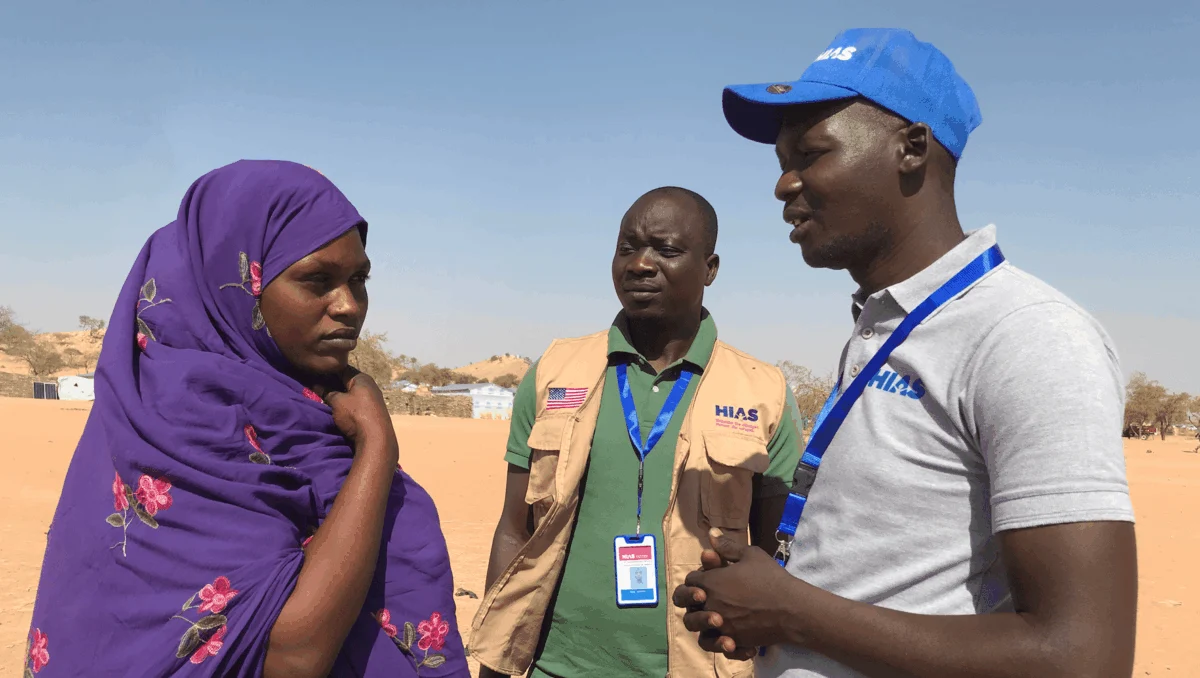
The sheer volume of new arrivals from Sudan has placed an unbearable strain on Chad’s already fragile infrastructure and limited humanitarian services. The Aboutengué refugee camp, a key entry point for many fleeing Darfur, has witnessed a dramatic surge in its population. HIAS staff on the ground have documented the immediate needs of these families, many arriving with little more than the clothes on their backs, traumatized by the violence they have endured.
The humanitarian situation is further compounded by recurring environmental challenges. Chad is highly susceptible to climate shocks, with frequent droughts and devastating floods taking a heavy toll on communities. In 2024, the government was compelled to declare a food emergency for the third consecutive year, underscoring the widespread food insecurity that plagues the nation. These environmental crises erode livelihoods, deplete scarce resources, and increase the vulnerability of an already precarious population. Despite these mounting pressures, Chad has maintained its commitment to an open-door policy for refugees, a testament to its humanitarian spirit in the face of immense national hardship.
The Multifaceted Challenges Faced by Refugees
Refugees and displaced persons in Chad confront a relentless array of challenges. Access to adequate food and shelter remains a critical concern, with many surviving on insufficient rations. Opportunities for sustainable livelihoods are scarce, forcing many into precarious informal work or dependence on aid. Women and girls are particularly vulnerable, facing heightened risks of violence, including sexual assault, both along their perilous migration routes and within the refugee camps.
Beyond basic necessities, access to essential services such as healthcare, clean water, and education is severely limited. This deficit leaves refugees highly susceptible to exploitation and reliant on the fluctuating availability of humanitarian assistance. The crisis is exacerbated by significant reductions in international humanitarian aid, which has critically hampered the ability of organizations like HIAS to provide comprehensive support.
The Devastating Impact of Humanitarian Aid Cuts
The ramifications of reduced humanitarian funding are profound and far-reaching. In early 2025, significant cuts to U.S. humanitarian aid worldwide, including substantial reductions for Chad, have had a catastrophic impact. Humanitarian funding for Chad experienced a precipitous decline, plummeting from approximately $338 million in 2024 to $112 million in 2025 – a staggering reduction of nearly 67 percent.
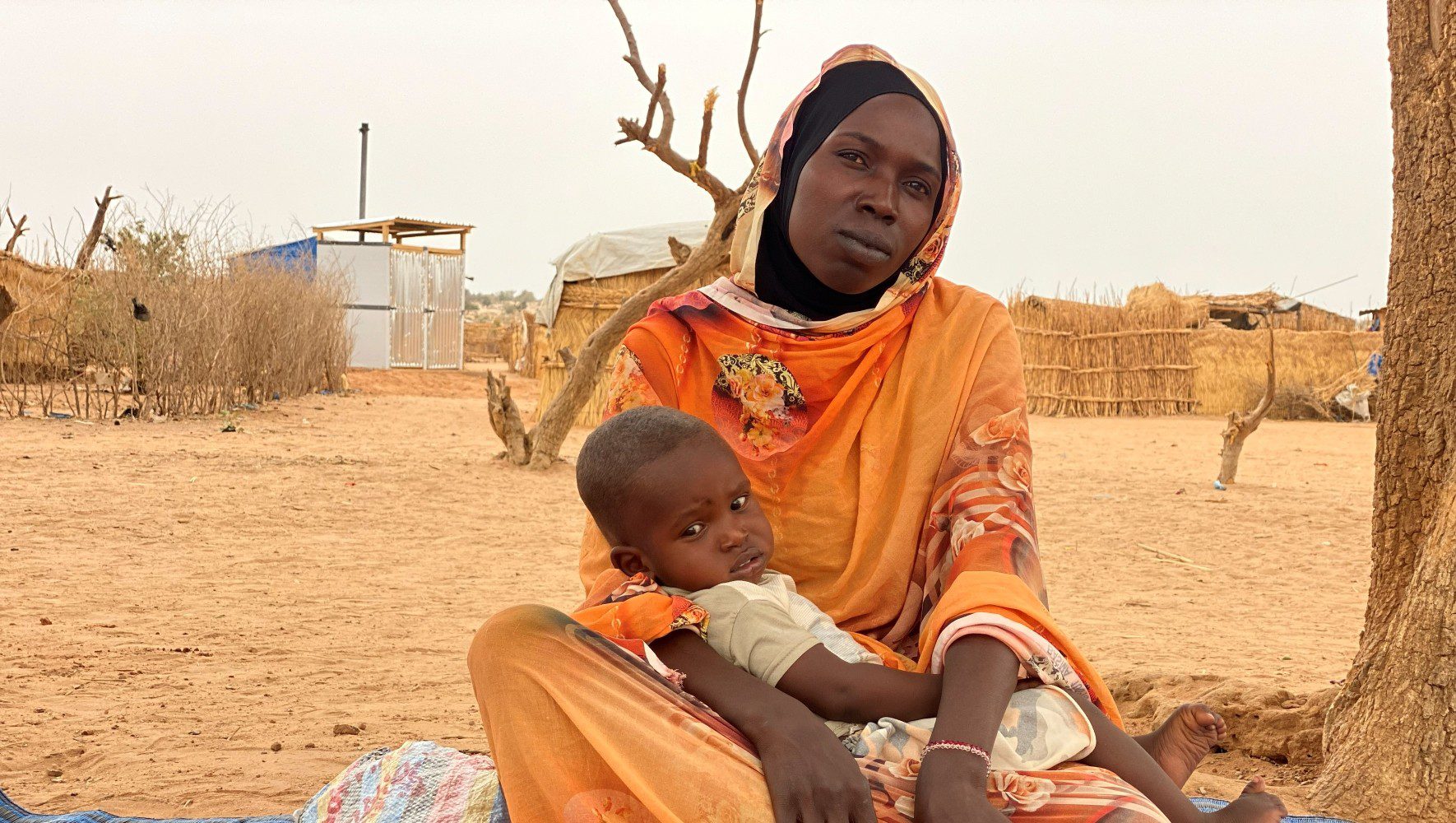
These funding cuts have translated directly into reduced food assistance, leading to increased malnutrition rates, particularly among children. Health services have been scaled back, leaving many without access to vital medical care. Protection programs designed to assist survivors of sexual violence have faced significant gaps, leaving vulnerable individuals without the support and recourse they desperately need.
The consequences of these aid reductions are dire. Refugees are losing their livelihoods, struggling to access mental health support to cope with the trauma of war, and facing diminished access to basic necessities. Malnutrition is on the rise, shelter provisions are inadequate, and rates of sexual and domestic violence against women and girls are increasing. Children are bearing the brunt of this crisis, with limited access to food, water, and education, threatening their future development and well-being. Furthermore, many refugees remain stranded at the border, lacking the financial means to reach more secure shelter in the camps, a direct consequence of dwindling aid resources.
HIAS’s Enduring Commitment to Humanitarian Assistance
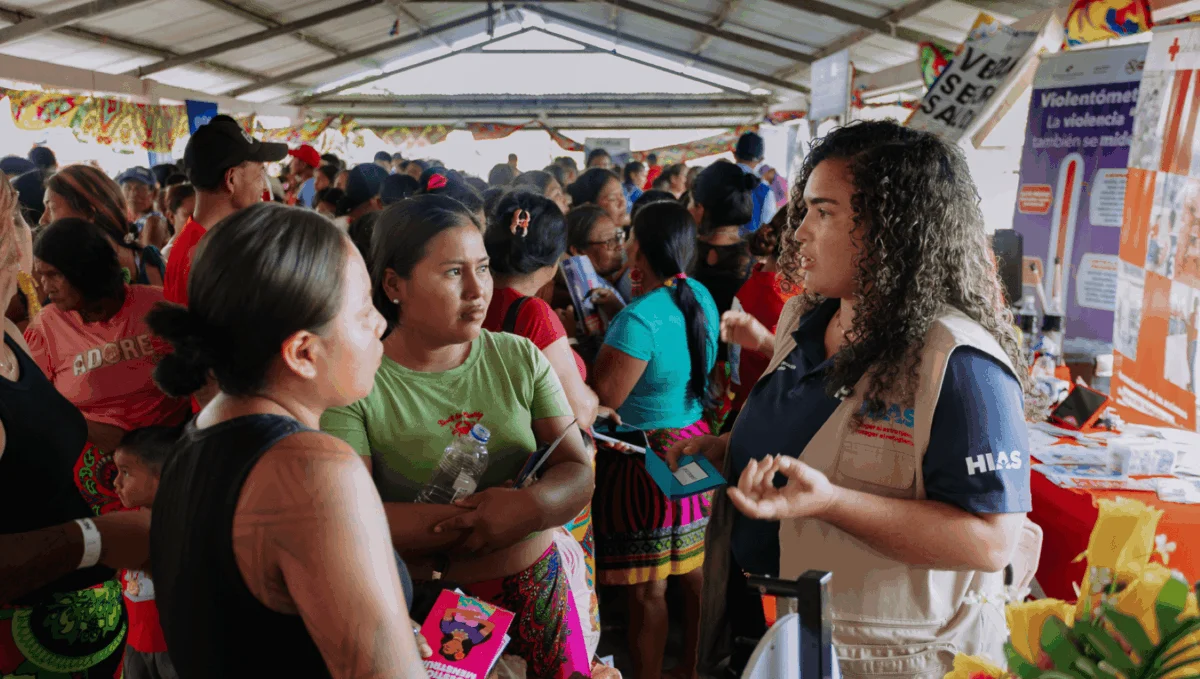
For over two decades, HIAS Chad has been a steadfast partner to refugees, displaced people, and host communities. The organization’s work is rooted in strengthening community-based protection networks and fostering peaceful coexistence between refugees and their host populations. In close collaboration with the Chadian government and other humanitarian organizations, HIAS is dedicated to welcoming refugees and addressing their immediate needs in emergency situations.
HIAS Chad’s multifaceted approach encompasses a range of critical services. Their teams provide essential mental health support, helping individuals process the profound trauma of displacement and violence. Economic assistance programs are implemented to empower refugees and enable them to rebuild their lives and achieve a degree of self-sufficiency. A significant focus is placed on ending violence against women and girls through comprehensive protection and prevention initiatives.
Beyond these specialized services, HIAS distributes vital food and non-food items, ensuring that basic needs are met. Their economic projects are designed to foster sustainable income generation, providing refugees with the tools and opportunities to establish viable livelihoods.
Looking Ahead: The Urgent Need for Sustained Support
The situation in Chad represents a critical juncture in the global refugee crisis. The confluence of a massive influx of Sudanese refugees, the persistent challenges of climate change, and the devastating impact of reduced humanitarian aid has created a humanitarian emergency of unprecedented scale. The resilience of the Chadian people and the unwavering dedication of organizations like HIAS are vital, but they cannot overcome this crisis alone.
Sustained and increased international support is not merely an act of charity; it is a moral imperative. The lives and futures of millions depend on the global community’s commitment to providing the necessary resources to alleviate suffering, restore dignity, and offer hope to those displaced by conflict and environmental devastation. The story of refugees in Chad is a stark reminder of the interconnectedness of global security and humanitarian responsibility, demanding urgent and comprehensive action.