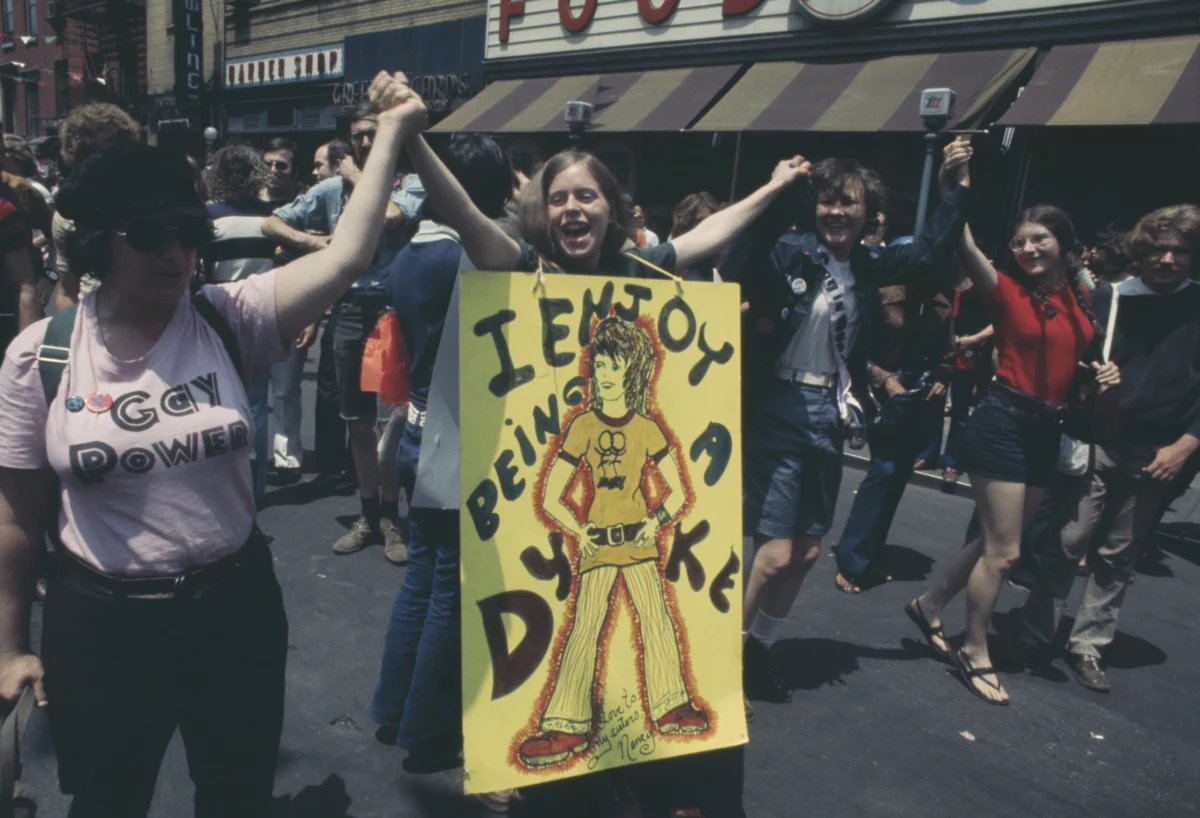
The fourth annual Lesbian Visibility Week (LVW) in the United States commenced on April 20, 2026, signaling a significant expansion of the initiative’s geographic reach and cultural impact. Originally established to address the specific needs and histories of the lesbian community, the 2026 observance runs through April 26 and includes a record-breaking calendar of more than 100 sanctioned events across the United States and, for the first time, Canada. Spearheaded by the Curve Foundation, the week serves as a multifaceted platform for community building, historical preservation, and political advocacy during a period of heightened social and legislative volatility for LGBTQ+ individuals.
The Evolution of Lesbian Visibility: From UK Origins to North American Expansion
Lesbian Visibility Week was first conceived in the United Kingdom in 2020 by Linda Riley, the publisher of DIVA magazine, in response to a perceived lack of dedicated space for lesbian-specific issues within the broader Pride movement. While International Lesbian Day has been observed on October 8 since the 1980s, proponents argued that a single day was insufficient to encapsulate the diversity of the community or to address the specific erasure lesbians often face in both heteronormative and queer spaces.
The initiative transitioned to the United States in 2023 under the stewardship of Franco Stevens, the founder of Curve magazine and the Curve Foundation. Stevens, a pivotal figure in queer media for over three decades, launched Curve (originally Deneuve) in 1990 to provide a high-gloss, visible publication for lesbians at a time when such representation was virtually non-existent. The 2026 iteration of LVW represents the culmination of a three-year growth strategy. In its inaugural U.S. year, the week featured only three official events; by 2026, that number has grown thirty-fold, encompassing a wide array of activities ranging from the "Great Lesbian Pie-Eating Contest" in Winnipeg to the "Lesbian Herstory Walking Tour" in New York City.
The Curve Foundation: Cultivating Intergenerational Narratives
Central to the success of Lesbian Visibility Week is the Curve Foundation, which describes itself as the only national nonprofit dedicated to championing the culture and stories of LGBTQ+ women and non-binary people from an intergenerational perspective. The foundation’s mission is rooted in the belief that visibility is not merely about media representation but about the structural support of community leaders and the preservation of history.
According to Stevens, a primary objective of LVW is to reclaim and redefine the word "lesbian." In recent years, community organizers have noted a trend where the term was occasionally viewed through a lens of exclusion. The 2026 LVW programming explicitly counters this narrative, with Stevens emphasizing that the label is an inclusive umbrella intended to welcome trans women, non-binary individuals, and all Sapphic-identifying people. This inclusive approach is reflected in the foundation’s logistical support for local organizers. The Curve Foundation provides a toolkit for grassroots leaders, offering guidance on securing municipal proclamations, planning accessible events, and marketing community gatherings. This "town-by-town" strategy is designed to reach individuals in rural or conservative areas where queer visibility may be limited to a handful of residents.
The 2026 Curve Power List: Recognizing Systemic Influence
A cornerstone of the week’s activities is the release of the annual Curve Power List. The 2026 list, unveiled on the first day of the observance, highlights queer women and non-binary individuals who have made "seismic shifts" in their respective fields. Unlike traditional industry awards, the Power List relies on nominations from the public, ensuring that grassroots activists and behind-the-scenes professionals are recognized alongside global icons.
The 2026 honorees reflect a broad spectrum of achievement:
- Civil Rights and Law: Mary L. Bonauto, the civil rights attorney known for her lead role in Obergefell v. Hodges, was recognized for her ongoing work in protecting marriage equality and parental rights.
- Arts and Literature: Prolific author and cultural critic Roxane Gay and actor Hannah Einbinder were highlighted for their roles in bringing nuanced queer narratives to mainstream audiences.
- Science and Technology: Astrophysicist Kihana Wilson and other STEM professionals were included to showcase the contributions of queer women in fields where they are historically underrepresented.
- Business and Athletics: The list featured Fran Dunaway, co-founder of the inclusive apparel brand TomboyX, award-winning chef Melissa King, and Olympic hockey player Hilary Knight.
By highlighting these individuals, the Curve Foundation aims to provide "mirrors of possibility" for younger generations, reinforcing the idea that lesbian and queer identities are compatible with high-level success across all sectors of society.
Legislative Headwinds and the Paradox of Modern Visibility
The 2026 observance of Lesbian Visibility Week occurs against a backdrop of significant social contradiction. While cultural visibility has reached an all-time high—exemplified by the mainstream success of artists like Chappell Roan and the proliferation of queer-themed media—the legal and political landscape for LGBTQ+ Americans has become increasingly precarious.
Data from civil rights organizations indicate that 2026 has seen a continued surge in state-level legislation targeting the LGBTQ+ community, particularly transgender and non-binary individuals. These measures include restrictions on gender-affirming healthcare, bans on inclusive curricula in schools, and challenges to legal identification updates. Furthermore, the 2026 midterm election cycle has been characterized by intense rhetoric regarding administrative interference and voter suppression, creating an environment of uncertainty for marginalized groups.
Observers note that this "visibility paradox" creates a unique urgency for events like LVW. While being "seen" can lead to cultural acceptance, it can also make individuals targets for legislative or physical hostility. Organizers argue that this reality makes organized, collective visibility more important than individual exposure. By gathering in physical and virtual spaces, the community builds the social capital necessary to resist political regression.
Grassroots Mobilization and the "Beyond the Rainbow" Series
To ensure accessibility for those unable to attend in-person events, the Curve Foundation curated the "Beyond the Rainbow" speaker series. This virtual component of LVW 2026 focuses on niche but vital aspects of queer culture. Key sessions in the 2026 lineup include:
- April 22: "Women’s Sports Bar Owners Changing the Game" – A panel discussing the recent resurgence of lesbian bars and the economic challenges of maintaining queer-specific third spaces.
- April 24: "Unshakeable Legacy: Queer Women of Color Filmmakers" – A discussion on the intersectional challenges of the film industry and the importance of self-distributed media.
These programs are offered free of charge, reflecting the foundation’s commitment to eliminating financial barriers to community engagement. The shift toward hybrid programming (both in-person and digital) has allowed LVW to reach a global audience, with participation reported from countries where LGBTQ+ rights are severely restricted.
Broader Impact and the Future of the Movement
The implications of Lesbian Visibility Week extend beyond a seven-day celebration. Sociologists and LGBTQ+ advocates suggest that such initiatives play a critical role in mental health and community resilience. For many, the "recognition and solidarity" mentioned by participants serve as a buffer against the isolation often felt by queer individuals in non-urban environments.
The expansion of LVW into Canada in 2026 marks the beginning of what organizers hope will be a global standardization of the week. By creating a unified timeframe for visibility, the movement gains leverage in its dealings with corporate sponsors, media outlets, and governmental bodies. The transition of Curve from a commercial magazine to a non-profit foundation also provides a sustainable model for queer media, ensuring that the archives and stories of the community remain accessible regardless of market trends.
As the 2026 Lesbian Visibility Week concludes, the focus shifts toward the upcoming Pride Month in June. However, organizers emphasize that the specialized focus of LVW remains necessary. While Pride celebrates the broad spectrum of the LGBTQ+ umbrella, Lesbian Visibility Week ensures that the specific histories, challenges, and triumphs of lesbians are not subsumed, but rather highlighted as a vital and distinct component of the global fight for equality. Through the combination of high-level recognition like the Power List and grassroots activities like local walking tours, LVW 2026 has reinforced the tangible value of community-building in an era of political uncertainty.