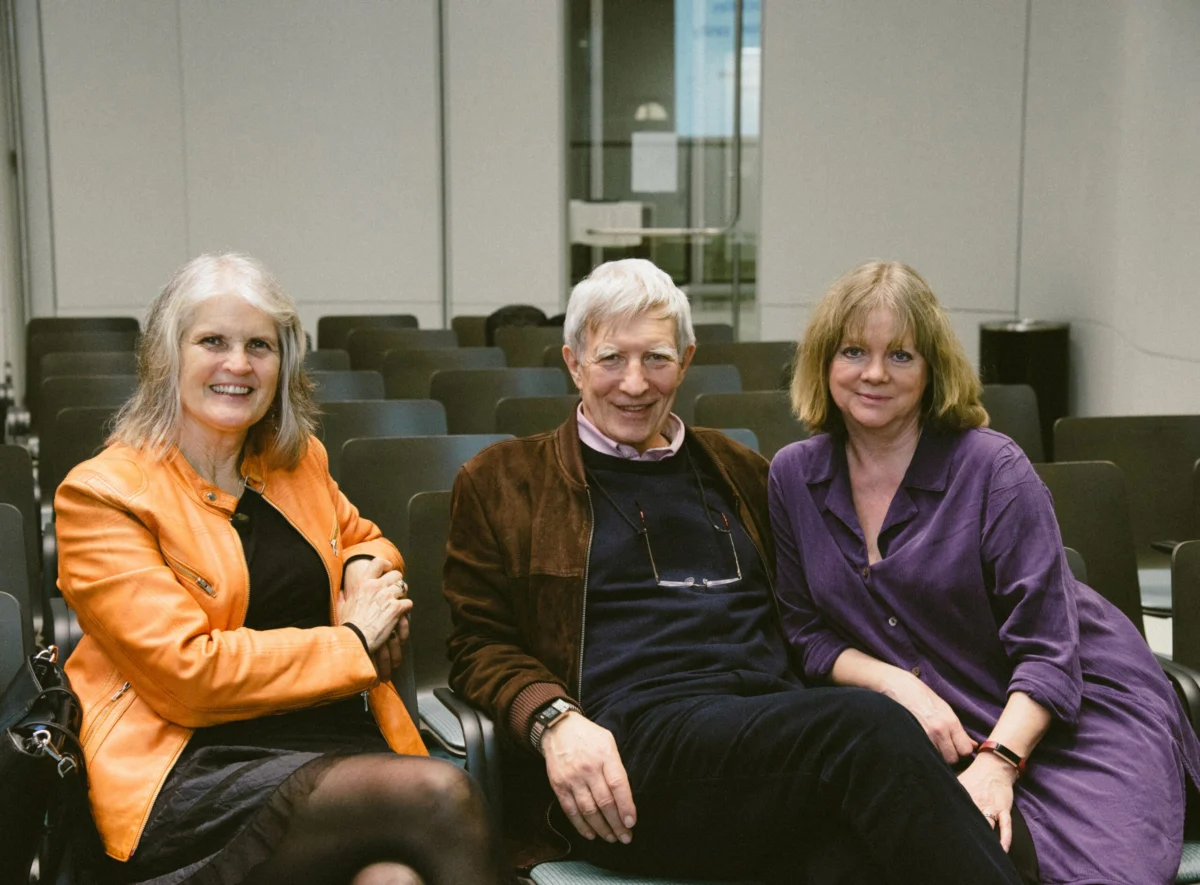
The upcoming launch of The Good Society, the latest work by renowned epidemiologist and social campaigner Professor Kate Pickett, marks a significant milestone in the ongoing global discourse surrounding systemic inequality and its multifaceted impact on modern civilization. Scheduled for Wednesday, February 4, 2026, the event will feature a high-level panel discussion involving some of the United Kingdom’s most prominent voices in environmentalism, social justice, and public policy. Joining Professor Pickett are George Monbiot, an influential environmental journalist and author; Caroline Lucas, the former leader of the Green Party and a long-standing advocate for a wellbeing-centered economy; and Baroness Ruth Lister of Burtersett, a leading academic and life peer known for her extensive work on poverty and citizenship.
The event, hosted online at 6:00 pm, aims to dissect the core arguments presented in The Good Society, a book that seeks to provide a definitive roadmap for dismantling the barriers that prevent the realization of a more equitable and prosperous nation. Professor Pickett, who previously co-authored the seminal works The Spirit Level and The Inner Level with Richard Wilkinson, argues in her new publication that the most pressing crises facing the United Kingdom today—including the stagnation of life expectancy, the fragility of the social care system, widening educational achievement gaps, and the escalating climate emergency—are not isolated phenomena. Instead, she posits that they share a common root: the profound and widening levels of socio-economic inequality.
The Central Thesis: Inequality as a Systemic Pathogen
In The Good Society, Professor Pickett moves beyond a mere critique of wealth disparity, presenting a data-driven argument that inequality acts as a "systemic pathogen" that degrades the social fabric. Drawing on decades of peer-reviewed research, the book demonstrates that societies with smaller gaps between the rich and the poor consistently outperform more unequal nations across a broad spectrum of indicators. These include physical and mental health, literacy rates, social mobility, and levels of communal trust.
The book challenges the prevailing political narrative that high levels of inequality are an inevitable byproduct of economic growth. Pickett asserts that the creation of a "Good Society" is a deliberate political choice rather than a utopian fantasy. By prioritizing the reduction of the "social gradient"—the phenomenon where those lower down the social ladder experience worse health and social outcomes—Pickett argues that governments can unlock significant economic and social potential. The launch event will focus on how these evidence-based insights can be translated into actionable policy frameworks to increase standards of living for all citizens, rather than a privileged minority.
A Distinguished Panel of Reformists
The inclusion of George Monbiot, Caroline Lucas, and Baroness Ruth Lister signifies the interdisciplinary nature of the book’s themes. George Monbiot is expected to address the intersection of economic inequality and environmental degradation. His recent work has frequently highlighted how the concentration of wealth leads to disproportionate ecological footprints and how a more equal distribution of resources is a prerequisite for a sustainable transition to a net-zero economy.
Caroline Lucas will likely provide a legislative perspective, drawing on her years of experience in the House of Commons advocating for a "Wellbeing Economy." Her contributions are expected to touch upon the necessity of moving beyond Gross Domestic Product (GDP) as the primary measure of national success, favoring instead metrics that account for environmental health and social equity.
Baroness Ruth Lister, a Professor Emerita of Social Policy at Loughborough University, brings a deep understanding of the lived experience of poverty. Her work has long emphasized the importance of dignity and agency for those at the sharp end of inequality. During the launch, she is expected to discuss how the "Good Society" can specifically address the systemic exclusion of marginalized groups and ensure that social security systems function as a genuine safety net rather than a mechanism for social control.
Historical Context and the Evolution of the Equality Debate
The publication of The Good Society arrives nearly 17 years after The Spirit Level first sparked a global conversation about the "harmful effects of inequality." Since 2009, the data supporting Pickett’s claims has only grown more robust. In the years following the 2008 financial crisis and the subsequent decade of austerity in the UK, the "social determinants of health" have become a central pillar of public health discourse.
According to data from the Office for National Statistics (ONS) and the Joseph Rowntree Foundation, wealth inequality in the UK has remained stubbornly high, with the richest 1% of households holding more wealth than the bottom 50% combined. Furthermore, reports from the Marmot Review and its subsequent updates have shown that health inequalities have widened over the last decade, with life expectancy stalling for the first time in a century for those living in the most deprived areas.
Pickett’s work has been instrumental in shifting the focus from individual lifestyle choices to the structural conditions of society. The Good Society is seen as the culmination of this intellectual journey, offering not just a diagnosis of the problem, but a prescriptive vision for institutional reform.
Four Pillars of a Reimagined Society
At the heart of Pickett’s vision are four primary pillars of reform, which she outlines in the book and which will serve as the foundation for the launch discussion:
1. Public Health and Prevention
Pickett advocates for a radical shift in the healthcare system, moving from a reactive model of treating illness to a proactive model of promoting wellness. This involves addressing the "wider determinants of health"—such as housing quality, air pollution, and job security—to level out health inequalities before they manifest as chronic conditions.
2. A Dignified Care System
The book calls for a total overhaul of the social care sector. Pickett envisions a system where care for the elderly, children, and those with disabilities is viewed as a collective social responsibility. She argues for settings where emotional and social wellbeing are prioritized alongside physical needs, ensuring that no individual or family incurs financial ruin to access basic human care.
3. An Inclusive Education System
Addressing the "education gap" is a central theme. Pickett argues for a system that moves away from high-stakes testing and toward a model that fosters creativity and imagination. The goal is to create an environment where the "social lottery" of birth does not determine a child’s educational or professional destiny.
4. Justice and Rehabilitation
On the issue of crime, the book suggests that a more equal society is inherently a safer one. By focusing on the root causes of criminal behavior—such as poverty, lack of opportunity, and trauma—Pickett argues that the state can shift its focus from punitive measures to rehabilitation, allowing individuals to contribute positively to society.
Economic Thinking for Future Generations
A critical component of The Good Society is the adoption of "new economic thinking." This involves a departure from neoliberal orthodoxies that prioritize deregulation and market fundamentalism. Instead, Pickett aligns with the growing global movement for "doughnut economics" and "circular economies," which aim to meet the needs of all people within the means of the planet.
The book argues that the climate emergency cannot be solved in a vacuum. Environmental policies that do not account for social equity often face public backlash, as seen in various "green" tax protests across Europe. Pickett suggests that by building a fairer society, governments can foster the social cohesion necessary to implement the radical changes required to protect the environment for future generations.
Implications for Policy and Global Influence
The launch of The Good Society is expected to resonate far beyond the academic community. Policy analysts suggest that Pickett’s work provides a theoretical framework for political parties looking to move beyond the status quo. As the UK continues to grapple with the "cost of living crisis" and the long-term impacts of the COVID-19 pandemic, the demand for a more resilient and equitable social model is at an all-time high.
International observers are also watching closely. The "Nordic Model," often cited by Pickett and her colleagues, continues to serve as a benchmark for high-tax, high-equality societies that maintain high levels of innovation and economic stability. The Good Society attempts to translate these successes into a UK-specific context, providing a blueprint for how a medium-sized, post-industrial economy can transition toward a more equitable future.
Conclusion: A Call to Political Action
The February 4 launch event is more than a book promotion; it is a call to action for policymakers, activists, and the general public. Professor Pickett’s central message remains clear: the social ills that plague modern life are not inevitable. They are the results of specific economic and political structures that can be dismantled and rebuilt.
As Pickett writes in the book’s introduction, the goal is a society where everyone’s physical and mental health is prioritized, where care is a right rather than a luxury, and where the education system leaves no one behind. By bringing together Monbiot, Lucas, and Lister, the event promises to bridge the gap between academic theory and political reality, offering a comprehensive vision for what a "Good Society" could truly look like in the 21st century.
The Equality Trust, an organization co-founded by Pickett and Wilkinson to advocate for a more equal society, has expressed that this book represents a "vital tool" for the next generation of reformers. Registration for the online event is currently open to the public, signaling a high level of interest in Pickett’s evidence-based approach to social transformation.