The Resurgence of Competitive Leisure: Speed Puzzling on the National Stage
The world of competitive jigsaw puzzling has seen a significant surge in popularity, culminating in high-stakes events like the National Speed Puzzling Championship. As documented by Leila Jordan in April 2026, the sport has transitioned from a domestic pastime to a disciplined competitive field. The psychological and emotional toll on competitors is substantial, with participants often describing the experience as a high-pressure environment that mirrors traditional athletics.
Data from the World Jigsaw Puzzle Federation indicates that participation in regional and national tournaments has increased by nearly 40% since 2022. This growth is attributed to the "analog revival" movement, where individuals seek tactile, cognitively demanding activities to offset digital fatigue. The National Championship now draws thousands of spectators and features professional-grade puzzles designed to challenge the visual-spatial processing speeds of the world’s elite "puzzlers."
Media Criticism and the Ideological Divide in American Journalism
The landscape of American media remains deeply polarized, a reality underscored by recent critiques of legacy publications. Nathan J. Robinson, writing for Current Affairs in late 2024, leveled a rigorous critique against The Atlantic, labeling it "The Worst Magazine in America." Robinson’s analysis focuses on what he perceives as a glib carelessness with ideas and an ideological predisposition that often marginalizes leftist perspectives.
This tension highlights a broader trend in the 2020s: the friction between established centrist media institutions and the rising influence of independent, ideologically driven journalism. While The Atlantic continues to maintain a high circulation and prestige, critics argue that its editorial direction frequently prioritizes provocative contrarianism over substantive policy analysis. This debate serves as a microcosm for the larger struggle within the American Fourth Estate to balance broad appeal with intellectual rigor.
The Evolution of Food Journalism: Narrative and Personal Lore
In contrast to the heavy ideological battles of political media, food journalism has evolved into a genre that blends rigorous reporting with deep personal narrative. Caity Weaver’s April 2026 exploration of "The Best Free Restaurant Bread in America" serves as a primary example of this shift. Weaver’s work transcends traditional food criticism by incorporating elements of food history, celebrity culture, and personal lore, such as reflections on parental loss and the nostalgia of American chain restaurants.
Industry analysts note that this "narrative-first" approach to food writing has become the standard for high-engagement digital content. By connecting specific culinary experiences—such as the iconic Cheddar Bay Biscuits at Red Lobster—to broader human experiences, journalists are able to foster a more profound connection with their audience. This trend suggests that in the 2020s, the "what" of consumption is often less important than the "why" and the personal history behind the plate.
Cinematic Legacies and the Trajectory of Stardom
The retrospective analysis of the 1999 film Girl, Interrupted provides insight into the mechanics of Hollywood star-making. An oral history published in late 2019 by Trey Taylor revisited the production, noting the extraordinary concentration of talent in a single cast. At the time of filming, Winona Ryder was at the height of her career, while co-stars such as Angelina Jolie, Clea DuVall, Brittany Murphy, and Elisabeth Moss were on the precipice of major breakthroughs.
Jolie’s subsequent Academy Award for Best Supporting Actress served as a catalyst for her ascent to global superstardom, while Moss eventually became a powerhouse in the "prestige television" era. This retrospective highlights the importance of ensemble casting in late-90s cinema and the role of independent-leaning dramas in cultivating the next generation of A-list talent. The film remains a cultural touchstone for its portrayal of mental health and female autonomy, themes that continue to resonate in contemporary discourse.

The Creator Economy and the Strategic Use of Public Persona
The rise of platforms like Substack has fundamentally altered the career trajectories of independent writers and "public intellectuals." Kay Poyer’s April 2026 essay, "Fuck Everything Up," illuminates the precarious nature of personal branding in the creator economy. Poyer describes a "pressure cooker" environment where female creators, in particular, are often elevated to "oracle" status only to face intense backlash upon the first sign of dissent from their audience’s expectations.
This phenomenon, often referred to as the "outrage cycle," has become a viable, if volatile, business model. Poyer suggests that for some creators, being "widely hated" on social media platforms like X (formerly Twitter) is a more effective path to career longevity and financial stability than maintaining a small, loyal following. This strategic lean into controversy reflects a broader shift in digital labor, where attention—regardless of its sentiment—is the primary currency.
Ethical Reevaluations of Small Animal Welfare
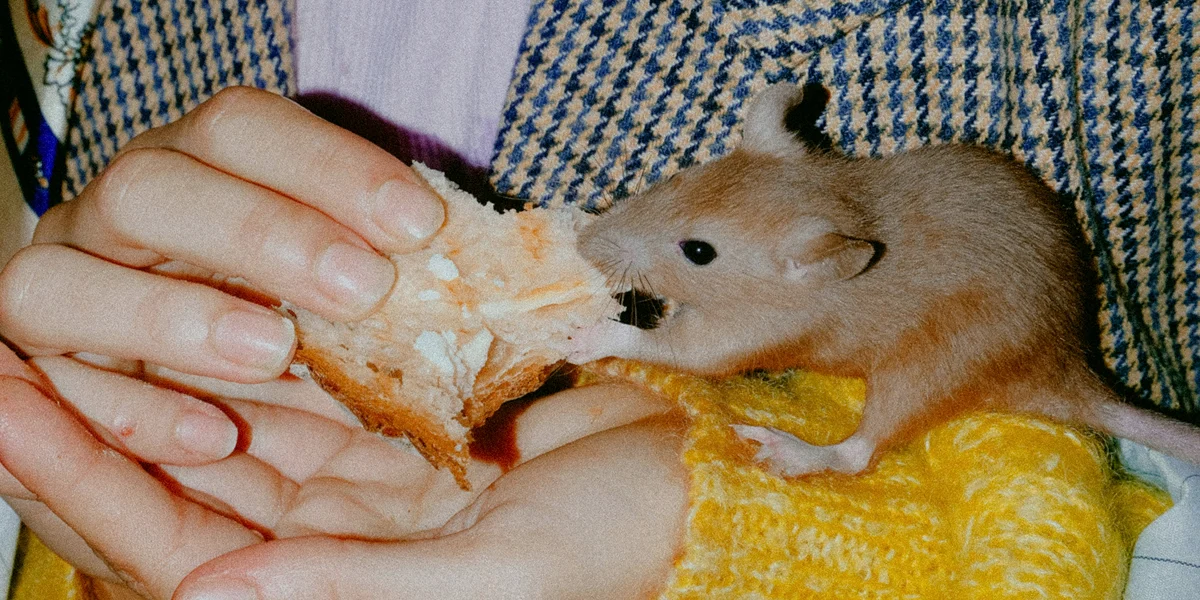
A growing movement in animal rights advocacy is questioning the ethics of "pocket pet" ownership. Kenny Torrella’s 2026 report for Vox outlines a compelling case against the domestication of small animals such as birds, hamsters, and reptiles. The argument posits that the natural behaviors and environmental needs of these species are rarely met in domestic settings, leading to chronic stress and poor welfare outcomes.
Veterinary data supports these concerns, showing that a significant percentage of small pets suffer from ailments related to inadequate housing and lack of social stimulation. As public awareness of animal sentience grows, there is an increasing call for stricter regulations on the sale of "exotic" small pets and a shift toward more ethical forms of companionship. This discourse mirrors earlier movements regarding the welfare of larger mammals and suggests a widening of the moral circle in the mid-2020s.
The History and Struggle of Feminist Sports Media
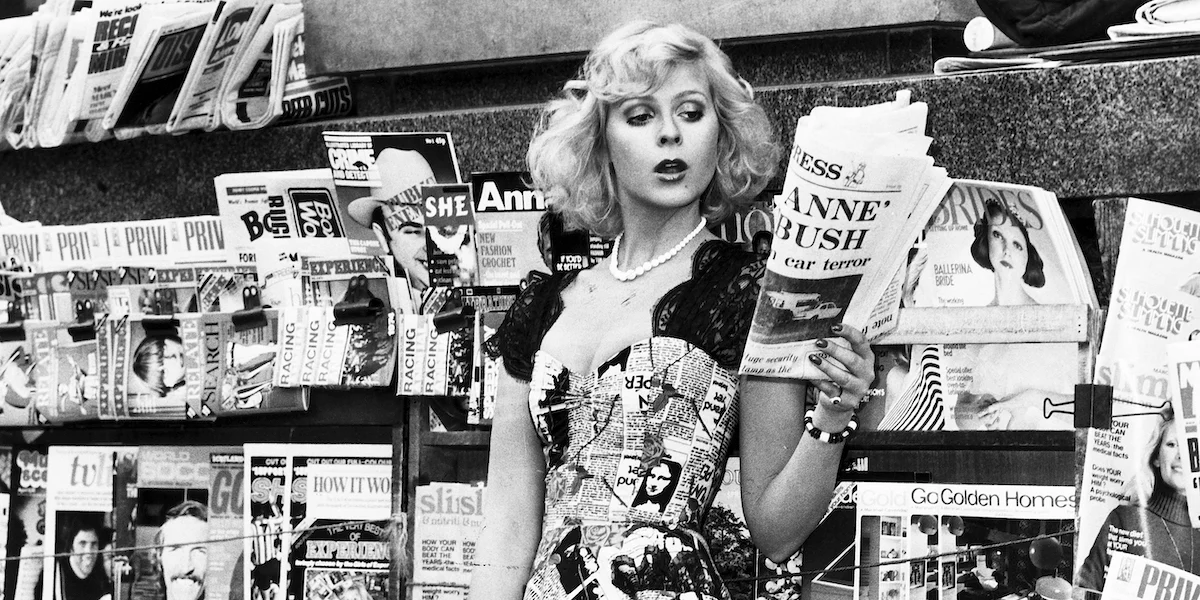
The history of women’s sports media is characterized by cycles of innovation and financial instability. Frankie de la Cretaz’s 2019 retrospective on womenSports magazine, founded by Billie Jean King in 1974, highlights this struggle. Despite reaching 70,000 subscribers in its first year, the publication faced immense hurdles in securing advertising revenue and mainstream distribution.
The legacy of womenSports is particularly relevant today, as professional women’s sports—including the WNBA and NWSL—experience unprecedented growth in viewership and investment. The challenges faced by King’s publication in the 1970s and 80s laid the groundwork for the modern media landscape, where dedicated coverage of female athletes is finally becoming commercially viable. Analyzing the rise and fall of early feminist sports media provides essential context for understanding the current "boom" in the industry.
Artificial Intelligence and the Displacement of Professional Labor
One of the most pressing concerns of 2026 is the role of white-collar workers in training the artificial intelligence systems that may eventually replace them. Josh Dzieza’s March 2026 report for New York Magazine investigates the "laid-off scientists and lawyers" who are now employed as data annotators and trainers for AI models. These professionals are tasked with refining the outputs of Large Language Models (LLMs), essentially transferring their specialized knowledge into the algorithms.
This "human-in-the-loop" model has created a paradox in the labor market: highly skilled workers are being compensated to automate their own career paths. Economists warn that this could lead to a permanent hollowing out of the professional class, as tasks that once required years of education are increasingly handled by AI. The psychological impact on these workers—many of whom are overqualified for the repetitive nature of data labeling—is a significant concern for labor advocates.
Conclusion: The Interconnectedness of Modern Discourse
The 351st installment of this curation series serves as a reminder of the interconnectedness of modern cultural and social issues. From the tactical precision of a puzzle championship to the systemic shifts in the labor market caused by AI, these stories reflect a society in a state of rapid transition. By examining these topics through a professional journalistic lens, we gain a clearer understanding of the challenges and innovations that define the year 2026. The enduring relevance of long-form journalism remains a vital tool for navigating this complexity, offering the depth and context necessary to move beyond the headlines.