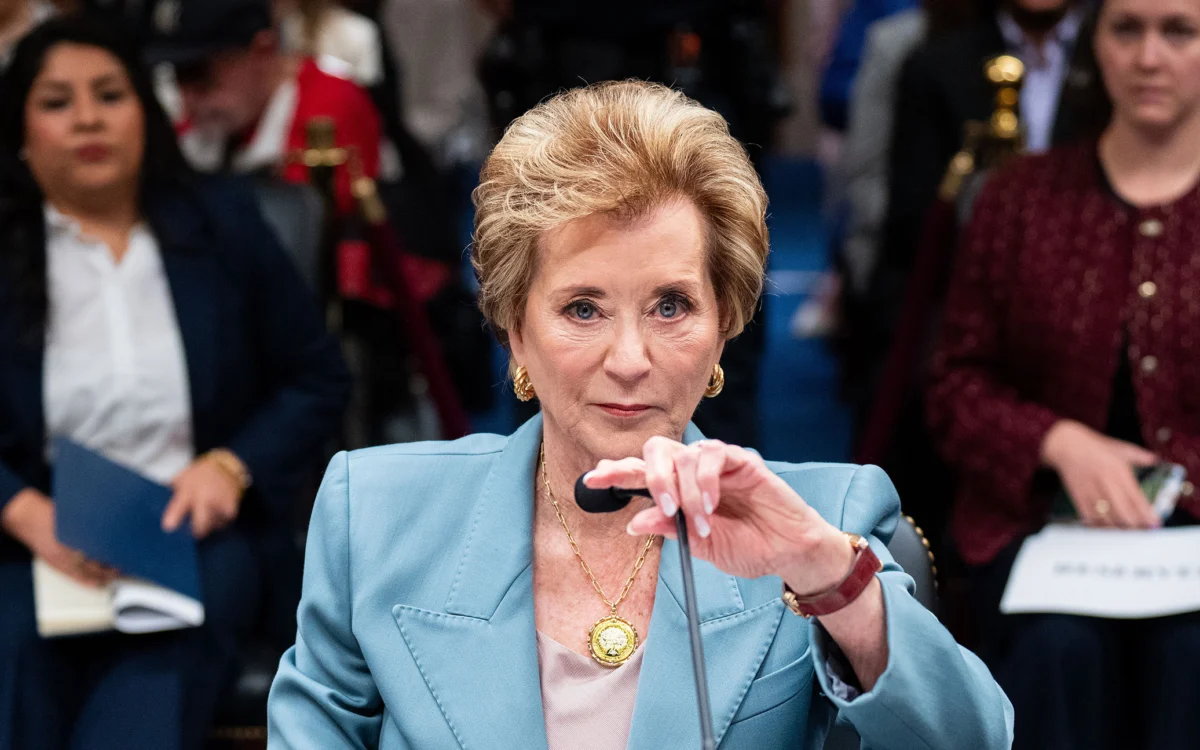
U.S. Secretary of Education Linda McMahon has indicated that programs supporting students with disabilities may be decentralized and distributed among various federal agencies as the Trump administration continues its initiative to significantly alter the structure of the Department of Education. While no definitive decisions have been finalized, McMahon’s statements suggest a continued trajectory toward transferring responsibilities currently overseen by the Department of Education, particularly those mandated by the Individuals with Disabilities Education Act (IDEA) and the Rehabilitation Act, to other executive branches.
During a Senate subcommittee hearing, Secretary McMahon elaborated on the ongoing evaluation process. "Currently, we are still evaluating where those programs would best be located," she stated. "We have not made that determination yet. We are looking at the Department of Labor for some of its programs and we are also looking at (the Department of Health and Human Services) for a potential home for some of those programs." These remarks underscore a deliberate, albeit unfinalized, strategy to reallocate significant portions of the Department of Education’s portfolio.
This proposed redistribution is part of a broader agenda articulated by President Donald Trump more than a year ago. At that time, President Trump publicly declared his intention to shift "special needs" programs to HHS as part of a larger effort to dismantle the Department of Education. Since that announcement, the Department of Education has been actively engaged in transferring numerous responsibilities to other agencies through a mechanism known as "interagency agreements." However, the critical area of special education has, until now, largely remained under the purview of the Department of Education.
The Secretary’s comments came in direct response to pointed questioning from Senator Patty Murray (D-Wash.), a vocal critic of the administration’s approach to special education. Senator Murray informed the committee that she had received a petition signed by thousands of parents, educators, and advocates who expressed profound concern. Their central argument is that moving these vital programs away from the Department of Education could "undermine 50 years of progress in making sure the rights of children and students with disabilities are met." This sentiment reflects a deep-seated apprehension within the disability community regarding the potential erosion of protections and support systems built over decades.
While Secretary McMahon stated she had not personally reviewed the petition, she affirmed that she has been engaging directly with parents of children with disabilities across the nation. She conveyed her perspective to the Senate panel, emphasizing a belief in parental agency and the importance of local control. "I have said to each of them, who is better positioned to know what your children need than you working with them and then working with your local school board," she asserted. Secretary McMahon also sought to reassure stakeholders, stating, "These parents need to understand that regardless of which department these programs are located, they will still get the same treatment, the same funding." This assurance, however, has done little to quell the anxieties of disability advocacy groups.
Opposition from Advocacy Groups and Former Officials
Disability advocacy organizations have consistently voiced strong opposition to any plans that would disperse special education programs beyond the Department of Education’s direct oversight. Stephanie Smith Lee, who previously served as the director of the Education Department’s Office of Special Education Programs under President George W. Bush and is now the co-director of policy and advocacy at the National Down Syndrome Congress, articulated these concerns forcefully.
"Dismantling the department and scattering education programs among agencies will result in confusion and chaos for schools, districts and states and reduce support for students and families," Smith Lee stated. She further emphasized the need for a renewed focus on improving educational outcomes. "It is time to refocus on how to improve outcomes for students."
Smith Lee’s commitment to preserving the integrity of federal special education oversight is further evidenced by her role in organizing a significant letter to Congress last year. This letter, signed by more than a dozen former Education Department officials with extensive experience overseeing IDEA implementation under both Republican and Democratic administrations, dating back to President Richard Nixon, argued that maintaining the Department of Education as the central authority is "essential to students with disabilities." This bipartisan group of former leaders underscored the historical importance of a dedicated federal agency in safeguarding the rights and educational opportunities of students with disabilities.
Scrutiny Over Civil Rights Enforcement
Beyond the proposed program transfers, the hearing also brought to light significant concerns regarding the administration’s actions impacting the Department of Education’s Office for Civil Rights (OCR). This office plays a crucial role in investigating complaints of disability discrimination within schools. Last year, the Department of Education made substantial cuts to OCR, closing seven out of its twelve regional civil rights offices and initiating the dismissal of over half of the office’s staff.
Secretary McMahon stated that many of these laid-off staffers have since been rehired. However, Senator Chris Murphy (D-Conn.) challenged this assertion, noting that the rehirings were a direct consequence of court orders, rather than a voluntary reversal of the administration’s staffing decisions. This suggests a reactive rather than proactive approach to restoring the OCR’s capacity.
Adding further weight to these concerns, a report released this week by the office of Senator Bernie Sanders (I-Vt.) presented alarming data on the OCR’s performance. The report found a dramatic 78.7% decrease in the resolution of disability discrimination cases in 2025 compared to the previous year. Specifically, the OCR resolved zero cases related to restraint and seclusion, a single disability harassment case, and only 40 cases concerning the right to access a free appropriate public education, out of a substantial backlog of 1,887 pending cases in 2025.
When confronted with this data, Secretary McMahon acknowledged past inefficiencies. "There was a time when we were not processing cases as quickly as we should, but we are now focused on doing that," she told lawmakers. She further indicated that the Department of Education’s budget request for the upcoming year includes provisions for "more money to hire more lawyers." However, Senator Murphy countered this claim by pointing to the agency’s written budget proposal, which he stated actually calls for a significant 35% cut to the OCR’s funding, reducing it from $140 million to $91 million. This discrepancy raises questions about the administration’s true commitment to bolstering civil rights enforcement, particularly for vulnerable student populations.
Broader Implications and Historical Context
The potential fragmentation of special education programs represents a significant departure from the established federal framework designed to ensure equitable educational opportunities for students with disabilities. The Individuals with Disabilities Education Act (IDEA), enacted in 1975, was a landmark piece of legislation that guaranteed free appropriate public education (FAPE) to all children with disabilities. It established a comprehensive system of procedural safeguards, individualized education programs (IEPs), and parent rights, all of which have been instrumental in advancing the educational and developmental outcomes for millions of students.
Historically, the Department of Education has served as the primary federal agency responsible for interpreting, implementing, and enforcing IDEA and Section 504 of the Rehabilitation Act. This centralized approach has provided a degree of consistency and accountability across states and school districts. By potentially distributing these responsibilities among agencies like the Department of Labor and HHS, critics argue that the administration risks creating a fractured system.
The Department of Labor’s focus is primarily on workforce development and employment, while HHS oversees a broad range of health and human services, including programs for individuals with disabilities. While there can be overlap and collaboration, proponents of the current structure argue that the Department of Education’s unique expertise in educational policy and pedagogy makes it the most appropriate steward of special education services.
The proposed changes could lead to several complex implications:
- Confusion and Inefficiency: Schools, districts, and states might face increased administrative burdens and confusion navigating different regulatory frameworks and points of contact across multiple federal agencies. This could lead to delays in services and a decrease in overall support for students and families.
- Erosion of Rights and Protections: While Secretary McMahon has pledged that funding and treatment will remain consistent, the fragmentation of oversight could weaken enforcement mechanisms. A single, consolidated office within the Department of Education can often act more effectively as a unified advocate and enforcer of disability rights compared to dispersed programs.
- Reduced Accountability: Shifting responsibilities could dilute accountability. It may become more challenging to identify which agency is responsible for specific failures or to ensure consistent application of standards across different programs.
- Impact on Innovation and Best Practices: The Department of Education has historically been a hub for research, data collection, and the dissemination of best practices in special education. A decentralized system might hinder this crucial function, potentially slowing the adoption of innovative approaches to supporting students with disabilities.
The concerns raised by former officials and advocacy groups highlight the potential for unintended consequences. The letter organized by Stephanie Smith Lee, signed by individuals who have dedicated their careers to IDEA, carries significant weight. Their collective experience across different administrations and their unified voice underscore the perceived threat to a foundational system of support.
The broader context of this proposed restructuring within the Trump administration’s wider agenda to reduce the size and scope of federal departments is also noteworthy. The administration has consistently advocated for devolving power and responsibility to state and local levels, and for streamlining federal bureaucracy. However, in the realm of civil rights and protections for vulnerable populations, such as students with disabilities, critics argue that a strong, centralized federal presence is essential to ensure equity and prevent disparities.
As the administration continues its review, the disability community and its allies in Congress remain vigilant, advocating for the preservation of the existing framework and for continued robust federal oversight to ensure that the rights and educational needs of students with disabilities are not compromised by administrative reorganizations. The coming months will likely see continued debate and scrutiny as the fate of these critical programs hangs in the balance.