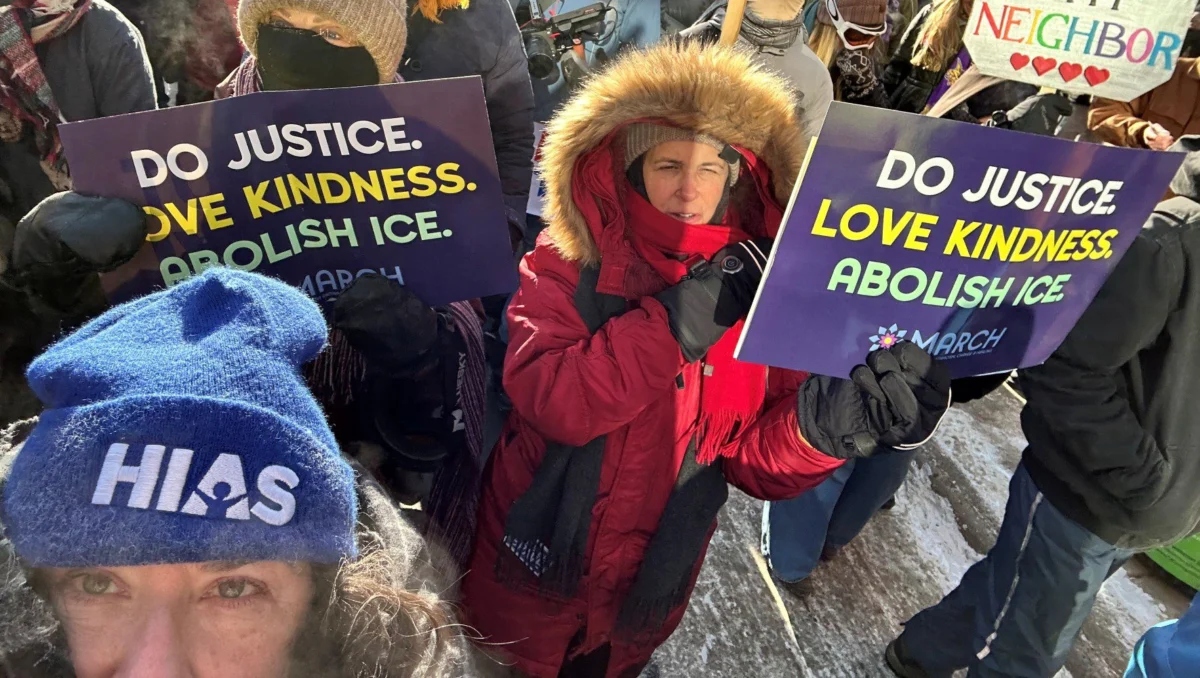
March 20, 2026 – By HIAS Staff
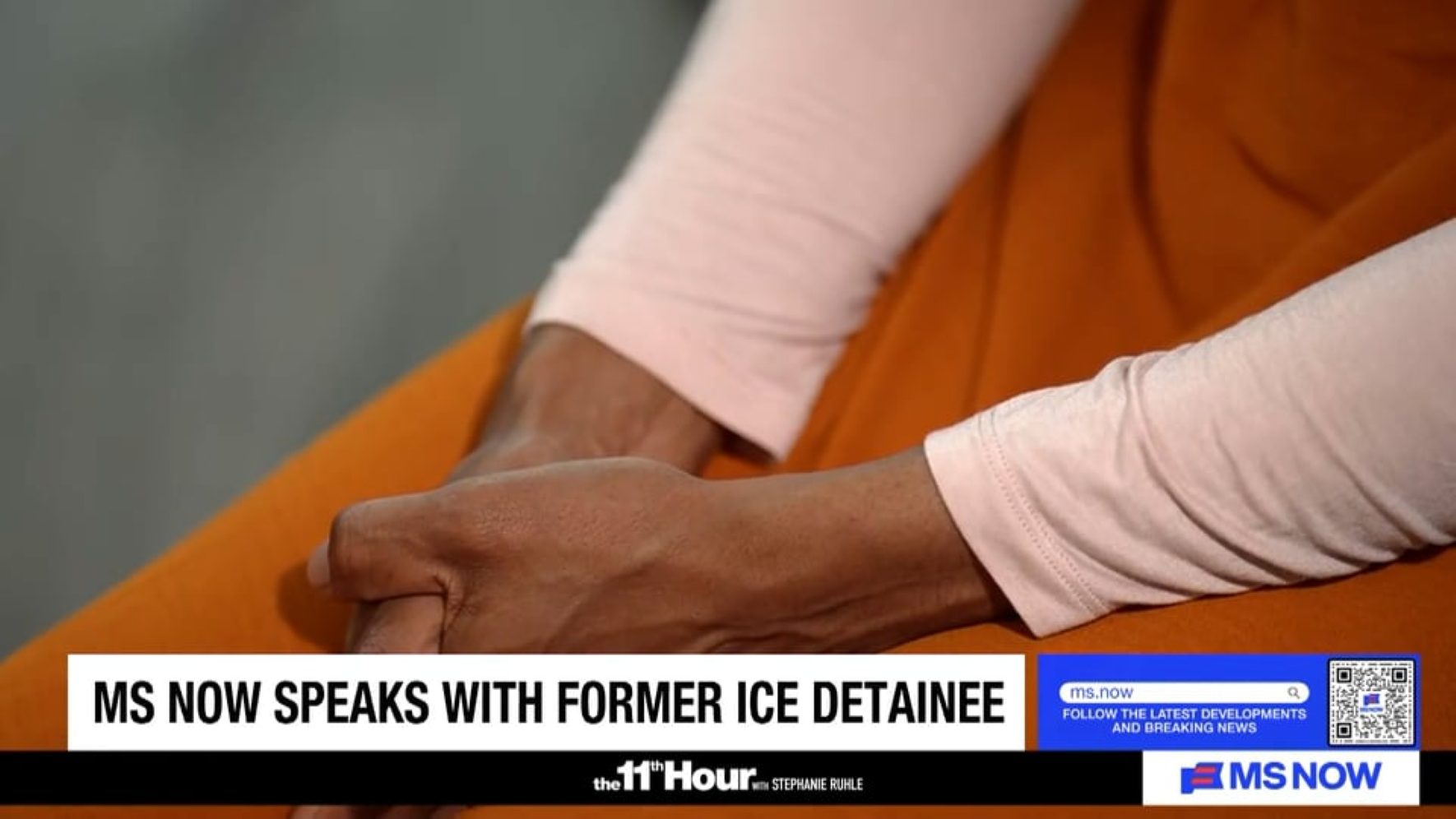
The stark reality of the United States’ immigration detention system is laid bare through the harrowing account of Juliette*, a HIAS program participant who was recently detained by Immigration and Customs Enforcement (ICE) despite seeking asylum. Her experience, shared on MS NOW, exposes the dire conditions within detention facilities and the profound psychological and social toll such detentions exact on vulnerable individuals seeking refuge. As of early 2026, ICE detainee populations have reached a record high, with over 73,000 individuals held in facilities across the nation. A significant portion of these detainees, more than 70%, have no criminal convictions, underscoring the broad application of detention policies to asylum seekers and refugees.
Juliette’s journey to the United States began in 2023 when she fled persecution in her native Cameroon. Upon arrival, she promptly initiated the asylum application process, a crucial step in seeking safety and rebuilding her life. HIAS, an organization with a long-standing commitment to aiding refugees and asylum seekers, provided Juliette with vital legal and social services, offering a beacon of support during this critical period. However, just two months prior to her public testimony, her burgeoning stability was shattered by an unexpected arrest by ICE.
The ordeal that followed was a systematic stripping away of her dignity and security. Juliette recounted being handcuffed and shackled, a process that preceded her transfer through multiple detention centers. The conditions she encountered were described as "horrifying." "It was very crowded," she stated, her voice a testament to the lingering distress. "We had to sleep on the floor, on the concrete. There were no mattresses, there was no bed. There was just one pot for the toilet and the smells were awful. There was no sanitation. I spent six days without washing and wearing the same clothes. We ate with our hands handcuffed." These descriptions paint a grim picture of the humanitarian crisis unfolding within these facilities, where basic human needs appear to be secondary to the mechanics of detention.
The journey eventually led Juliette to the Dilley Immigration Processing Center in Texas, a facility notorious for its harsh conditions and capacity to hold thousands of immigrants. While the exact number of individuals detained at Dilley at any given time fluctuates, it has been a focal point for advocacy groups raising concerns about the well-being of detainees. For Juliette, the prolonged uncertainty of her detention, compounded by the stories of women who had been held for months, became a unique form of psychological torture. The constant fear of an unknown release date, coupled with the separation from her children and the disruption of her employment, created an environment of pervasive anxiety.
The Critical Role of Legal and Social Services
The swift intervention of HIAS’s legal and social services teams proved instrumental in Juliette’s release. Without their dedicated advocacy, she might still be ensnared in the labyrinthine immigration detention system, physically separated from her children and her life. This situation highlights the critical importance of legal representation and comprehensive support services for asylum seekers, particularly those facing detention. Organizations like HIAS act as essential bulwarks against the potential for prolonged and unjust detention, ensuring that individuals have a voice and a chance to present their cases effectively.
Upon her return to her life outside detention, Juliette found that the ordeal had left indelible scars. The stability she had painstakingly rebuilt had been eroded, and the trauma of her experience continued to cast a long shadow. "Since I came back, life has not been the same because I was traumatized by what I experienced," she shared. "I lost everything I had and was doing before being detained." The consequences extended beyond financial and social disruption; Juliette now wears an ankle monitor, a constant, visible reminder of her detention. This device, she explained, has created a social stigma, causing strangers to distance themselves and fostering a sense of being treated as a criminal, despite her seeking only safety.
The Psychological Impact of Detention and Surveillance
The psychological ramifications of such experiences are profound. Juliette articulated a pervasive sense of insecurity, stating, "I have to start from scratch. I don’t feel safe. I have experienced fear, fear in my belly, my stomach, and also on a physical level, I am not the same." This testimony underscores the severe mental health implications of detention and the ongoing surveillance that can accompany release. The experience of seeking refuge only to face prolonged detention and societal marginalization can lead to complex trauma, requiring sustained therapeutic support.
Juliette’s decision to share her story publicly, even anonymously for her safety, was driven by a powerful desire to illuminate the realities faced by those seeking protection in the United States. Her testimony serves as a critical public service, urging a broader understanding of the consequences of current immigration policies. She aims to shift the narrative from abstract policy debates to the lived experiences of individuals caught within the system.
Broader Implications and Legal Challenges
Juliette’s case is far from an isolated incident. It represents a systemic issue that HIAS actively combats through its comprehensive legal and social services. The organization’s legal team operates within detention centers and courtrooms, advocating for individuals whose cases may not garner widespread public attention. Simultaneously, the social services arm provides crucial post-detention support, recognizing that recovery from trauma is an essential component of rebuilding lives.
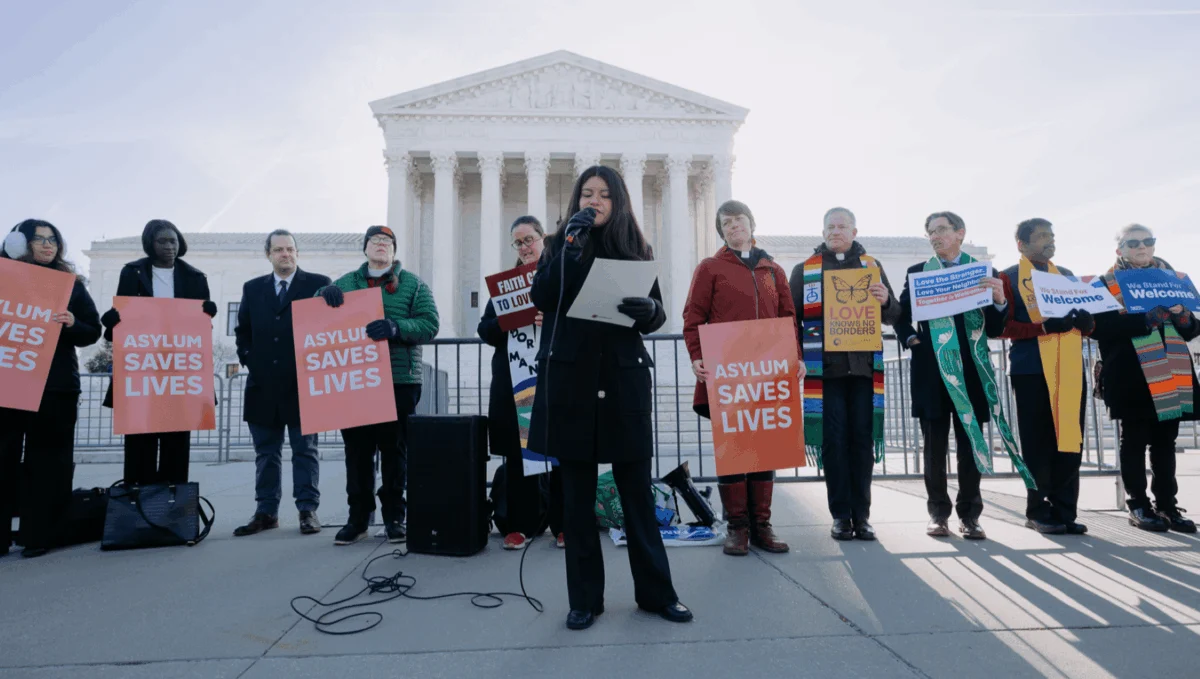
HIAS is currently engaged in a robust legal strategy, contributing to seven ongoing legal challenges against the Trump administration’s immigration policies. Among these are significant lawsuits such as Amica Center for Immigrant Rights v. EOIR, which challenges detrimental changes designed to curtail immigrants’ ability to appeal decisions made in immigration courts, thereby undermining due process. Another key legal battle is U.H.A. v Bondi, which argues against the practice of detaining resettled refugees for rescreening, deeming it a cruel, harmful, and retraumatizing measure. These legal actions reflect a broader effort to address what are perceived as systemic flaws and human rights concerns within the U.S. immigration enforcement framework.
The implications of Juliette’s story extend beyond individual hardship. It highlights the urgent need for policy reform that prioritizes humane treatment, due process, and access to legal and social support for asylum seekers. The high rates of detention for individuals without criminal convictions raise questions about the proportionality and necessity of such measures, particularly in the context of international refugee law and humanitarian principles. The long-term consequences of trauma, stigmatization, and the disruption of established lives can have ripple effects on individuals, families, and communities.
HIAS’s commitment to standing with displaced people seeking safety in the U.S. remains unwavering. Juliette’s courage in speaking out serves as a powerful impetus for continued advocacy and action. Her experience underscores the critical role of organizations dedicated to defending the rights and well-being of refugees and asylum seekers, especially in the face of policies that can lead to profound human suffering. The fight for safety and dignity for all displaced individuals is ongoing, and stories like Juliette’s are vital in galvanizing public awareness and driving meaningful change.
*Name changed for safety.