The 2026 WNBA season stands as a landmark era for the league, characterized not only by unprecedented commercial growth and the successful integration of three expansion franchises but also by a continued commitment to LGBTQ+ visibility. As the league expands its footprint into markets like San Francisco, Portland, and Toronto, the presence of openly gay and queer athletes remains a cornerstone of the WNBA’s identity. This representation is not merely a social footnote but a driving force behind the league’s unique culture, fan engagement, and advocacy-led brand of professional sports. With the 2026 preseason officially underway as of late April, the rosters across all 15 teams reflect a diverse array of talent that continues to challenge traditional norms in professional athletics.
The Evolution of Inclusion in the WNBA
Since its inception in 1997, the WNBA has navigated a complex relationship with its LGBTQ+ player base and fan community. In the league’s early years, marketing efforts often leaned toward a "family-friendly" image that occasionally obscured the queer identities of its stars. However, the last decade has seen a transformative shift. Today, the WNBA is recognized globally as a leader in social justice and inclusive representation. This evolution has been fueled by players who have chosen to live authentically, using their platforms to advocate for equality while performing at the highest levels of the sport.
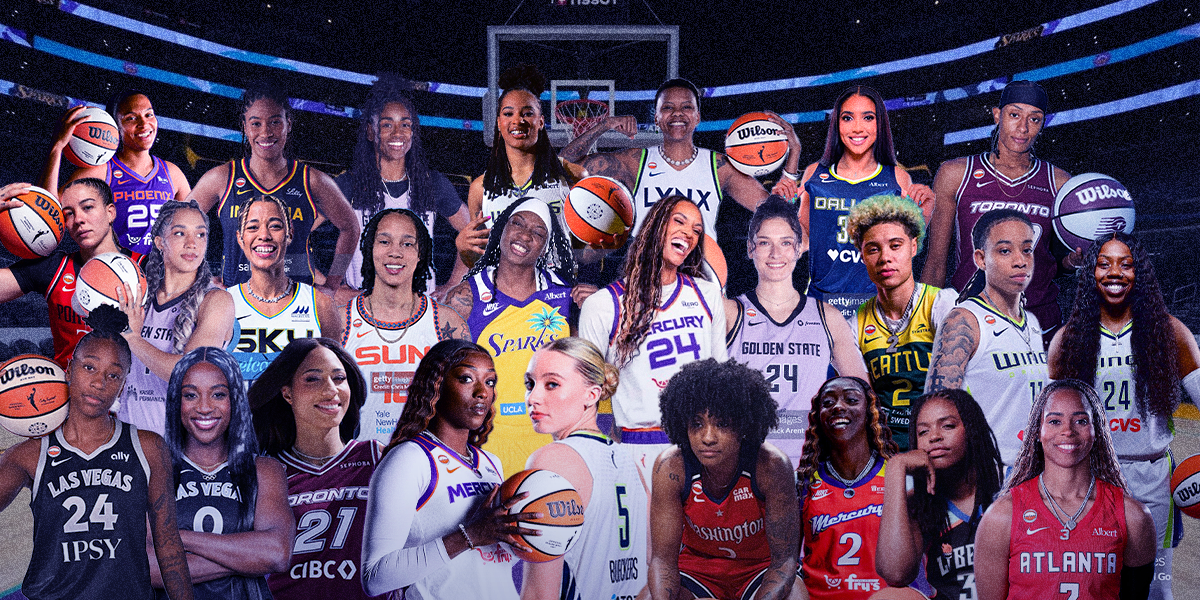
The 2026 season marks the first year the league operates with 15 teams, following the high-profile additions of the Golden State Valkyries, the Portland Fire, and the Toronto Tempo. These expansion teams have not only deepened the talent pool but have also provided new stages for veteran and rookie players to represent the LGBTQ+ community. As the league enters this new chapter, the following guide provides a comprehensive look at the out players across the league and the impact they have on their respective franchises.

Atlanta Dream: Leadership and Consistency
The Atlanta Dream continues to build its identity around a mix of tenacious defense and veteran savvy. At the heart of this effort is Jordin Canada. Canada, a standout guard known for her playmaking abilities and defensive pressure, has become a central figure in Atlanta’s backcourt. Her presence provides the Dream with a steady hand as they navigate an increasingly competitive Eastern Conference. Canada’s career, which includes multiple championships earlier in her journey, brings a "winner’s pedigree" to a roster looking to make a deep postseason run in 2026.
Chicago Sky: A Hub of Veteran Talent and Activism
The Chicago Sky has positioned itself as one of the most visible teams regarding LGBTQ+ representation. The roster features several high-profile veterans who have long been vocal about their identities and social causes. Courtney Vandersloot, a legendary floor general and one of the greatest passers in the history of the game, remains a pillar of the Sky’s offensive system. Joining her is Natasha Cloud, a player whose impact extends far beyond the hardwood. Cloud has been a leading voice in the fight against racial injustice and for LGBTQ+ rights, often using her media availability to highlight systemic issues.

The Sky also features Dijonai Carrington and Maddy Westbeld. Carrington’s rise as a versatile two-way player has made her a fan favorite, while Westbeld represents the next generation of talent coming through the collegiate ranks. Together, these players contribute to a team culture in Chicago that is defined by authenticity and a refusal to separate sports from social advocacy.
Connecticut Sun: A New Chapter for a Global Icon
One of the most significant developments of the 2026 season is the presence of Brittney Griner in a Connecticut Sun uniform. Griner, whose name became synonymous with international diplomacy and resilience following her 2022 detention in Russia, remains one of the most dominant forces in the paint. Her move to Connecticut brings a veteran interior presence to a team that has consistently knocked on the door of a championship. Alongside Griner, the Sun features rising talent like Saniya Rivers, ensuring that the franchise remains a powerhouse in the East. Griner’s visibility as an out Black woman in sports continues to be a beacon for fans worldwide, symbolizing the intersection of athletic excellence and personal courage.

Dallas Wings: The Arrival of the Next Generation
The Dallas Wings have arguably become the most talked-about team of 2026, largely due to a roster that features some of the biggest names in recent collegiate history. The "UConn Connection" is alive in Dallas, with Paige Bueckers and Azzi Fudd joining forces once again. Bueckers, a generational talent at point guard, and Fudd, one of the purest shooters in the game, have brought a massive new following to the Wings.
The Dallas roster is bolstered by veteran leadership from Arike Ogunbowale, whose scoring outbursts are legendary, and Aziaha James. The team also includes JJ Quinerly, further cementing Dallas as a team that is both incredibly young and highly representative of the modern WNBA player. The chemistry between Bueckers and Fudd, both on and off the court, has been a central narrative of the 2026 preseason, highlighting how the league’s new stars are entering the professional ranks with a high level of comfort in their public identities.

Expansion Frontier: Golden State, Portland, and Toronto
The 2026 expansion has introduced three new organizations, each of which has strategically acquired players who bring both talent and visibility to their new markets.
Golden State Valkyries
The Valkyries have made a splash in the Bay Area, a market with a deep history of LGBTQ+ activism. Tiffany Hayes, a veteran guard known for her scoring tenacity, provides the leadership necessary for a first-year franchise. The team also features Cecelia Zandalasini and Gabby Williams, the latter of whom has become a global icon for her performances with the French national team and her distinct fashion sense. Williams’ presence in San Francisco is a perfect match for a city that celebrates individuality.

Portland Fire
In Portland, the Fire have tapped into a basketball-hungry market that has long supported women’s sports. Emily Engstler and Sug Sutton are key figures for the Fire as they establish their team culture. Engstler’s blue-collar style of play and Sutton’s ability to change the pace of a game have already resonated with the local fanbase.
Toronto Tempo
The WNBA’s first foray into Canada with the Toronto Tempo has been a resounding success. Brittney Sykes, one of the league’s elite perimeter defenders, leads the charge in Toronto. The roster also includes Isabelle Harrison, Julie Allemand, and Marina Mabrey. This group brings a gritty, defensive-minded identity to the Tempo, ensuring that the league’s international expansion is met with high-level competition.

Las Vegas Aces: The Standard of Excellence
The Las Vegas Aces, winners of multiple titles in the mid-2020s, continue to be the gold standard for team building. Chelsea Gray, often referred to as the "Point Gawd," remains the engine of the Aces’ offense. Gray’s ability to perform in high-pressure moments is matched by her status as a visible leader within the queer community. The Aces’ roster is a "who’s who" of talent, including Jackie Young, Jewell Loyd, and Nalyssa Smith. Kierstan Bell also provides depth for a team that is constantly in the hunt for another trophy. The Aces have successfully cultivated a brand that is both glamorous and inclusive, reflecting the spirit of their home city.
Minnesota Lynx and the North Star State
The Minnesota Lynx, a franchise with a rich history of success, continues to evolve in the post-Sylvia Fowles/Maya Moore era. Courtney Williams has emerged as a vital spark plug for the Lynx, bringing energy and mid-range precision to the floor. The team also features veteran Natasha Howard and Kayla McBride, along with the highly touted Olivia Miles. The Lynx have maintained a strong connection with their fanbase by fostering an environment where players are encouraged to be their true selves.

New York Liberty: High Stakes in the Big Apple
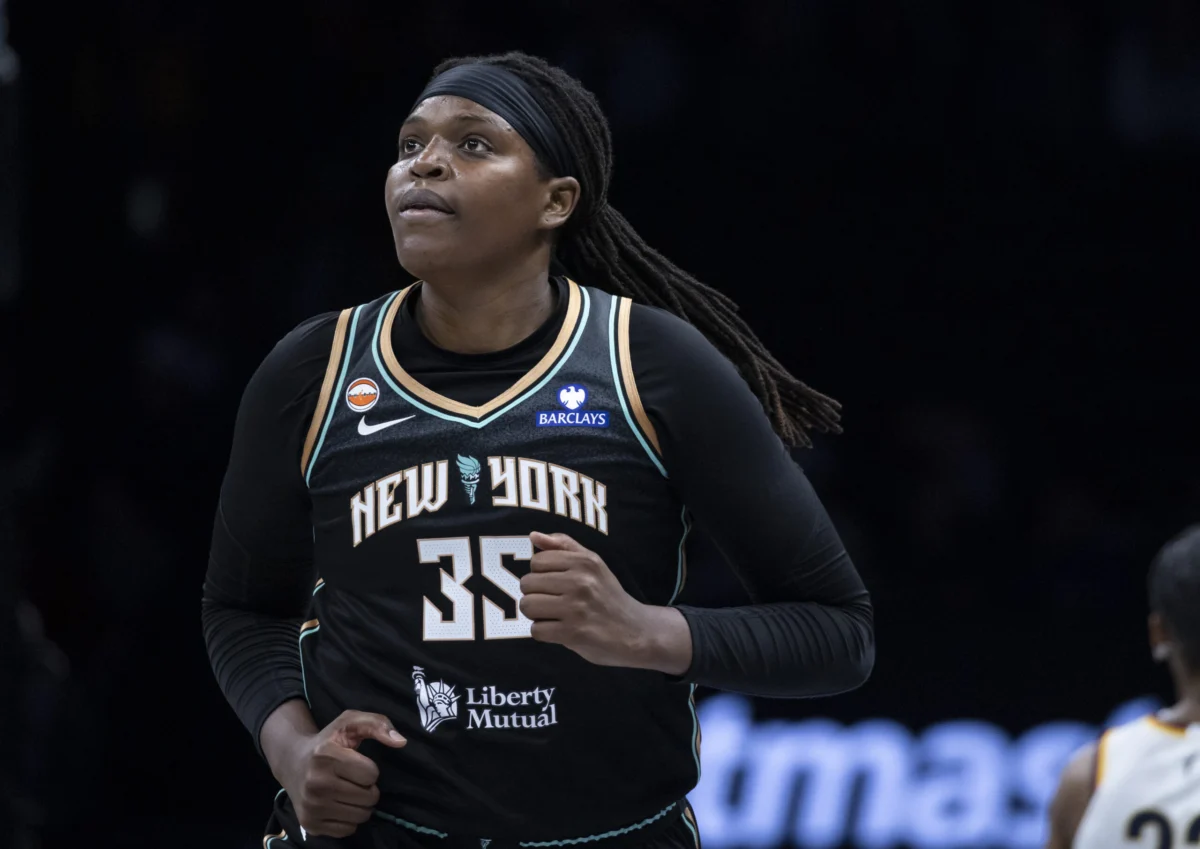
The New York Liberty remain one of the league’s most marketable teams, playing in the media capital of the world. Breanna Stewart, a perennial MVP candidate, and Jonquel Jones, a former MVP herself, form one of the most formidable frontcourts in basketball history. Both Stewart and Jones are out and have been active in promoting LGBTQ+ causes. The Liberty roster is further enriched by international stars Leonie Fiebich and Marine Johannes, as well as Aubrey Griffin. The Liberty’s "Seafoam" brand has become synonymous with a modern, inclusive approach to professional sports.
Phoenix Mercury and Washington Mystics: Competitive Spirits
In Phoenix, the Mercury continue to be a focal point of the league. Alyssa Thomas and DeWanna Bonner, who are also a couple off the court, provide a unique and heart-warming narrative of partnership and professional excellence. Their chemistry on the floor is a testament to their years of experience. The Mercury also feature Kahleah Copper, Natasha Mack, and veteran Sami Whitcomb.

The Washington Mystics are in a period of transition, led by the towering presence of Lauren Betts. As one of the tallest and most promising young centers in the league, Betts represents the future of the Mystics. She is joined by Alex “Ally” Wilson and Rori Harmon, forming a core that Washington hopes will lead them back to the top of the standings.
Broader Impact and Implications
The high percentage of out players in the WNBA—estimated to be significantly higher than in any other professional sports league—has profound implications for the sports industry. It has created a "safe haven" for queer fans, leading to a loyal and engaged demographic that sees itself reflected on the court. This representation also drives merchandise sales, such as the popular "Gay 4 WNBA" apparel, and influences corporate sponsorships with brands that value diversity and inclusion.

Furthermore, the 2026 season demonstrates that authenticity does not detract from athletic performance; rather, it enhances the league’s narrative depth. As players like Paige Bueckers and Brittney Griner lead their teams, they do so as whole individuals, proving that the WNBA is not just a basketball league, but a cultural institution that champions the right to live and play openly. With the postseason on the horizon, the focus remains on the game, but the foundation of the WNBA will always be its people and the courage they display in being themselves.