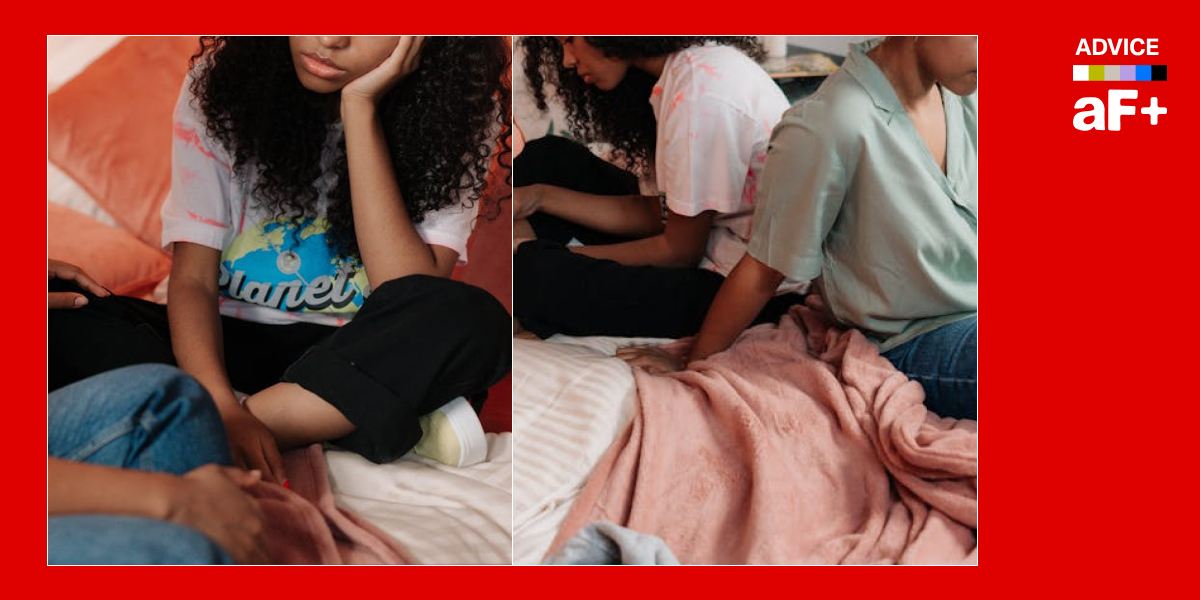
The intersection of sexual identity, long-term relationship dynamics, and the psychological impact of societal desirability has emerged as a focal point of discussion within the LGBTQ+ community. Two primary concerns—the phenomenon colloquially known as "lesbian bed death" and the perceived lack of visibility for trans-masculine desirability—highlight the complex ways in which gender roles and cultural expectations continue to shape intimate lives. As queer individuals navigate a landscape that often lacks specific blueprints for long-term satisfaction and social validation, experts and community advocates are increasingly turning to psychological models and demographic data to provide clarity.
The Sociological Roots of Lesbian Bed Death
The term "lesbian bed death" was first popularized by sociologist Pepper Schwartz in her 1983 book, American Couples: Money, Work, Sex. Schwartz’s research suggested that lesbian couples in long-term relationships experienced a more significant decline in sexual frequency compared to heterosexual or gay male couples. While the term has been criticized for being reductive and based on cis-heteronormative metrics of "sex," it remains a persistent point of anxiety for many queer women.
Recent sociological analysis suggests that what is often labeled as "bed death" is frequently a mismatch of desire styles rather than a loss of attraction. In many cases, the comparison is drawn against previous experiences in heterosexual relationships, where traditional gender roles often dictate that the male partner initiates sexual activity. When both partners in a relationship lean toward "responsive" rather than "spontaneous" desire, a vacuum of initiation can occur, leading to extended periods of sexual dormancy.
Responsive vs. Spontaneous Desire: A Scientific Perspective
To understand the mechanics of sexual frequency in queer relationships, psychologists often point to the dual-control model of sexual response. This model, extensively documented by researchers such as Dr. Emily Nagoski, categorizes sexual drive into two distinct types: spontaneous and responsive.
Spontaneous desire is characterized by an internal "itch" or a sudden urge for sexual activity that arises without external stimuli. This drive is often associated with higher levels of testosterone and is traditionally, though not exclusively, linked to male sexual patterns. In contrast, responsive desire requires an external trigger or a period of physical and emotional "winding up" before the individual feels sexual interest. Data suggests that approximately 30% of women experience primarily responsive desire, while only 15% experience primarily spontaneous desire, with the remainder experiencing a fluid mix of both.
In relationships where both partners possess responsive desire styles, sexual activity often becomes an "event" rather than a routine. This can lead to a perceived decline in frequency, as both parties wait for the other to initiate or for the perfect conditions to arise. Understanding this biological and psychological framework is essential for individuals who feel that a decrease in sexual frequency invalidates their identity as a "real" lesbian. The attraction remains, but the mechanism for activation has changed.
Trans-Masculine Visibility and the ‘Preferred Type’ Dilemma
Parallel to the discourse on sexual frequency is the growing conversation regarding the desirability of trans-masculine individuals. Despite the "transgender tipping point" identified by Time magazine in 2014, which saw an explosion in trans visibility, much of that visibility has remained focused on trans women. Trans men, particularly those who identify as bisexual or who occupy non-traditional sexual roles (such as "exclusive tops" who have not undergone phalloplasty), often report a sense of being "put up with" rather than actively sought after.
This insecurity is frequently rooted in the lack of diverse representation in media and adult content. While trans women have a significant, if often fetishized, presence in sexual media, trans men are frequently marginalized. This creates a psychological environment where trans men may feel that their partners are making a compromise, rather than fulfilling a specific preference.
Demographic Realities and the Dating Landscape
Statistical data provides a broader context for why certain groups may feel marginalized in the dating market. According to a 2023 Gallup poll, approximately 7.6% of adults in the United States identify as LGBTQ+. Within this group, bisexual individuals make up the largest share (57.3%), while trans individuals account for roughly 1% of the total population.
For a bisexual trans man, the dating pool is mathematically narrow. When a partner has a dating history primarily comprised of cisgender individuals, it is often a reflection of these population statistics rather than a statement of preference. Experts note that "passing" as a cisgender man can also lead to a unique form of isolation; while it may offer safety and social ease, it can result in a disconnect when disclosing one’s trans identity, leading to fears that the partner is "adjusting" to a new reality rather than embracing it.
The Impact of Sexual and Gendered Socialization
The challenges faced by both lesbians and trans men are often exacerbated by early socialization. Women are frequently socialized to be the objects of desire rather than the pursuers, which can complicate initiation in same-sex relationships. Conversely, trans men may struggle with societal valuations of masculinity that prioritize natal genitalia as the primary marker of a "real" man or a "desirable" top.
Community advocates, such as those contributing to platforms like Autostraddle, emphasize that these feelings of inadequacy are often internalizations of external societal failures. The lack of cultural scripts for lesbian longevity and trans-masculine sex appeal leaves individuals to fill the silence with their own insecurities.
Statements from Community Advocates
Reflecting on these issues, community leaders suggest that the path forward involves a radical re-evaluation of what constitutes a "successful" sexual identity.
Summer, a writer and advocate for queer sexual health, argues that having a different sexual dynamic with women than with men is a natural outcome of having a different form of attraction. "Responsive desire is not a failure; it is a variation of human experience," she notes. She encourages individuals to move away from the "bed death" narrative and toward a "responsive desire" narrative, which allows for more grace and communication within relationships.
Nico, a community organizer, points to the importance of seeking out affirming cultural stories. "Evidence of desirability exists in the material reality of the relationships trans men build," Nico states. "The dissonance between a successful dating life and a silent society is a failure of the society, not the individual."
Motti, a bisexual trans man and advocate, highlights the danger of "unhealthy comparison." He suggests that partners of trans men often find unique value in the specific ways trans men navigate intimacy—such as the use of prosthetic devices—which can offer experiences that cisgender partners cannot.
Broader Implications for LGBTQ+ Mental Health
The psychological toll of feeling "undesirable" or "inauthentic" is significant. Studies have shown that LGBTQ+ individuals experience higher rates of anxiety and depression, often linked to "minority stress"—the chronic stress faced by members of stigmatized groups. When this stress is compounded by a perceived lack of desirability within one’s own community, it can lead to profound isolation.
Addressing these issues requires a multi-faceted approach:
- Clinical Integration: Therapists and sexual health educators must be trained in the Spontaneous vs. Responsive desire model to better serve queer clients.
- Media Representation: Increased and diversified representation of trans-masculine bodies in romantic and sexual contexts is necessary to normalize these identities as "dream types."
- Community Dialogue: Open conversations about sexual frequency and initiation can help demystify "bed death" and reduce the shame associated with changing sexual appetites.
Conclusion
The evolution of LGBTQ+ rights has brought greater legal and social standing, but the internal work of navigating identity and desire remains a complex frontier. Whether grappling with the frequency of sex in a long-term lesbian relationship or seeking validation as a trans-masculine person, the underlying challenge is the same: resisting the urge to measure one’s worth against cis-heteronormative standards. By utilizing psychological frameworks like the responsive desire model and acknowledging the statistical realities of the dating pool, individuals can move toward a more resilient and self-assured understanding of their place within the queer community. The lack of a societal template is not an indication of a lack of value; rather, it is an invitation to create new definitions of what it means to be desired and what it means to be "real."