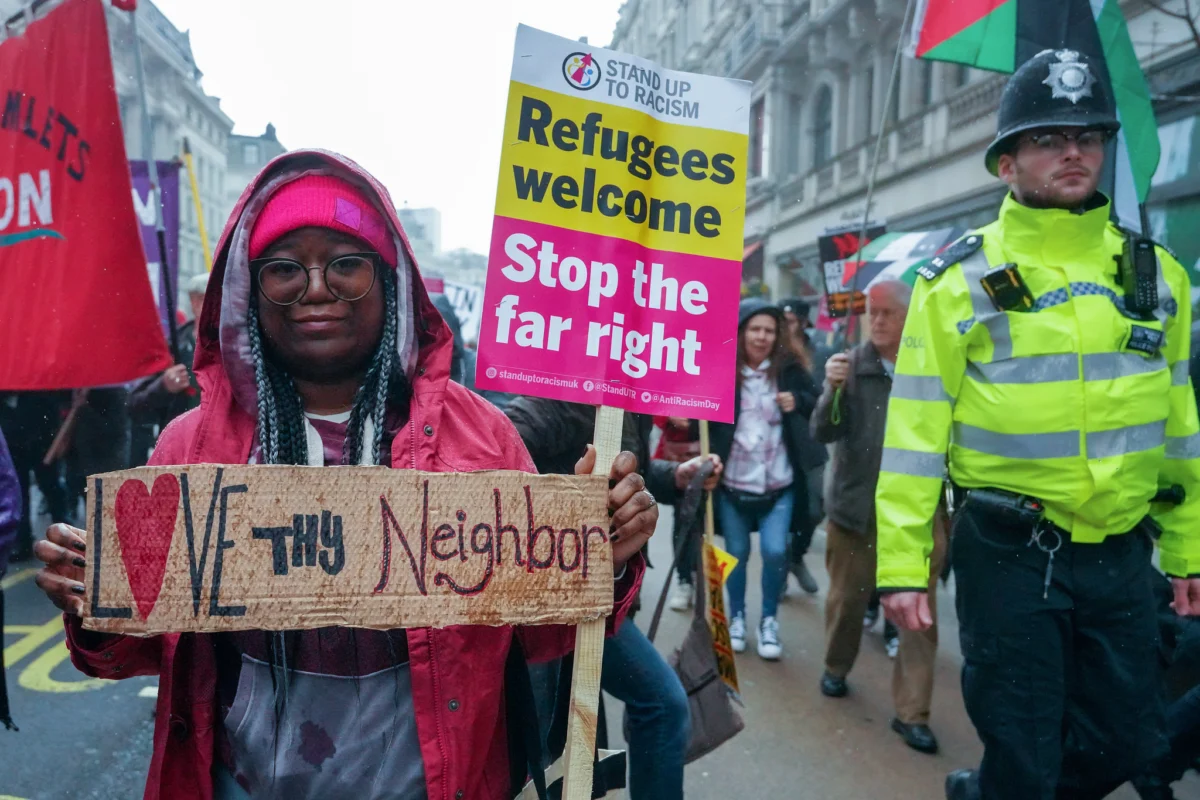
The foundational pillars of British civil liberties, primarily enshrined in the Human Rights Act 1998 and the Equality Act 2010, are facing an unprecedented period of legislative and political volatility. Despite the common perception that these rights are permanent fixtures of the UK’s constitutional landscape, recent policy shifts and political manifestos suggest a growing appetite for the dilution, replacement, or outright repeal of these protections. Legal experts and human rights advocates warn that rights protected by statute are only as secure as the government’s commitment to upholding them. As political rhetoric increasingly frames human rights as obstacles to executive efficiency or "special treatments" for minority groups, the risk of a significant regression in legal protections has moved from the periphery of political debate to the center of the legislative agenda.
The Evolution of UK Rights Frameworks: A Historical Chronology
The current landscape of UK rights is the result of decades of post-war consensus and progressive legislative action. Understanding the potential for regression requires a review of how these protections were established and the specific milestones that defined the modern era of British civil liberties.
Following the atrocities of World War II, the United Kingdom played a pivotal role in drafting the European Convention on Human Rights (ECHR). The intent was to create a framework that would prevent the state from ever again committing abuses of power against its own citizens. In 1951, the UK was the first nation to ratify the ECHR. However, for decades, British citizens had to take their cases to the European Court of Human Rights in Strasbourg, a process that was both lengthy and expensive.
The Human Rights Act 1998 (HRA) changed this by "bringing rights home." Enacted by the Labour government, the HRA allowed individuals to defend their ECHR rights in domestic courts. It mandated that all public bodies—including the police, hospitals, and local authorities—act in a way that is compatible with these rights. This includes the right to life, freedom from torture, the right to a fair trial, and the right to privacy.
The Equality Act 2010 (EA) followed over a decade later, consolidating more than 116 separate pieces of legislation into a single act. It harmonized laws such as the Equal Pay Act 1970, the Sex Discrimination Act 1975, and the Race Relations Act 1976. The EA established nine "protected characteristics": age, disability, gender reassignment, marriage and civil partnership, pregnancy and maternity, race, religion or belief, sex, and sexual orientation. This legislation was designed to provide a clear, unified framework to protect individuals from discrimination, harassment, and victimization in the workplace and in the provision of services.
The Mechanics of Legislative Regression
While the total repeal of a major act of Parliament is a complex undertaking, the erosion of rights often occurs through more subtle, incremental changes. Policy analysts identify several methods by which governments can weaken existing protections without immediately scrapping the primary legislation.
One primary method is the failure to commence specific duties within an act. A notable example is Section 1 of the Equality Act 2010, known as the "Socio-economic Duty." This clause requires public authorities to consider how their decisions can reduce the inequalities of outcome which result from socio-economic disadvantage. While the Scottish and Welsh governments have commenced this duty, the Westminster government has left it dormant for over 15 years, effectively neutering a tool intended to combat class-based inequality in England.
Furthermore, rights can be eroded through "stealth" measures such as reducing the funding for enforcement bodies like the Equality and Human Rights Commission (EHRC), narrowing the legal definitions of protected groups, or issuing revised guidance that encourages more restrictive interpretations of the law. In recent years, Conservative administrations have been criticized for removing parts of the Equality Act and proposing a "Bill of Rights" that would have significantly limited the ability of domestic courts to follow rulings from the European Court of Human Rights.
Political Perspectives and Future Policy Directions
The political landscape regarding human rights in the UK has become increasingly polarized. Different parties have signaled vastly different futures for the HRA and the EA, creating an environment of uncertainty for legal practitioners and vulnerable communities.
The Conservative Party has periodically explored the replacement of the Human Rights Act with a domestic Bill of Rights, arguing that the current system allows for "frivolous" claims and limits the government’s ability to deport foreign criminals or control national borders. Though some of these proposals were paused, the underlying skepticism toward international human rights oversight remains a core tenet of the party’s right wing.
Reform UK has taken a more radical stance, pledging in its policy platforms to scrap the Equality Act 2010 entirely. Proponents of this view argue that the Act creates a "bureaucratic nightmare" and promotes "identity politics" over meritocracy. Critics, however, point out that removing the EA would return the UK to an era where it was legally permissible to deny housing, employment, or services based on race, disability, or sexual orientation.
The Labour Party has signaled a different approach, focusing on a review of how rulings from the European Court of Human Rights are applied. While generally supportive of the HRA and EA, the party has faced pressure to address "modernize" certain aspects of the law. Advocacy groups remain cautious, watching for whether a Labour government would fully commence the socio-economic duty or if it would maintain the status quo to avoid political confrontation with a hostile press.
Media Consolidation and the Distortion of Public Perception
A significant factor in the vulnerability of human rights laws is the public’s perception of them, which is often shaped by a highly concentrated media market. Data indicates that approximately 90% of the UK’s newspaper circulation is controlled by just three companies: News UK, DMG Media, and Reach plc. These entities are owned by a small number of billionaires whose editorial lines have historically been critical of human rights frameworks.
The use of "clickbait" headlines and the misrepresentation of legal cases have contributed to a narrative that human rights laws are a "criminal’s charter" or a form of "special treatment" for minorities. For instance, headlines often focus on extreme or rare cases where human rights are invoked by unpopular figures, while ignoring the thousands of instances where the HRA protects ordinary people—such as elderly citizens in care homes or victims of police misconduct.
This media environment facilitates a "divide-and-rule" strategy, where the rights of one group are framed as being at the expense of another. By distorting the purpose of the Equality Act, these narratives undermine the reality that these laws protect the entire population from arbitrary state power and systemic discrimination.
Supporting Data: The Impact of Equality Protections
The tangible benefits of the Equality Act 2010 and the Human Rights Act 1998 are reflected in social and economic data, highlighting what is at stake if these laws are weakened.
- Workplace Discrimination: According to data from the Office for National Statistics (ONS) and various labor studies, the gender pay gap has trended downward since the implementation of the EA’s reporting requirements, though it remains a persistent issue. The EA provides the legal basis for thousands of employment tribunal claims each year, offering a pathway for redress for workers unfairly dismissed due to pregnancy or disability.
- Disability Access: Before the consolidation of disability rights in the EA, access to public spaces for those with assistance dogs or mobility aids was inconsistent. The Act made it a legal requirement for service providers to make "reasonable adjustments," significantly increasing the social participation of the UK’s 14 million disabled people.
- Accountability for Public Bodies: The Human Rights Act was instrumental in the Hillsborough disaster inquests, allowing the families of the 97 victims to argue that the state had failed in its "right to life" obligations. It has also been used to protect the rights of victims of the Windrush scandal and those affected by the Grenfell Tower fire.
Global Context and the Risk of Regression
The UK is not alone in facing a backlash against human rights frameworks. Civil liberties groups have pointed to the United States as a cautionary tale, where the overturning of Roe v. Wade demonstrated that long-standing legal precedents can be dismantled by a changing political and judicial tide.
In Europe, several nations have seen a rise in "illiberal democracy," where governments maintain the facade of democratic elections while systematically dismantling the legal checks and balances that protect minorities and dissenters. Analysts warn that the UK’s lack of a codified, written constitution makes its rights frameworks particularly susceptible to the "elective dictatorship" of a parliamentary majority. If the Human Rights Act were repealed, the UK would be the only European nation besides Belarus and Russia to operate outside a comprehensive human rights treaty framework, a move that would have significant implications for international trade and diplomatic relations.
Conclusion: The Path Forward for Advocacy and Policy
The Equality Trust and other civil liberties organizations are currently engaged in research-led policy advocacy to counter the narrative of regression. The primary focus of these efforts is not only to defend existing laws but to strengthen them by ensuring they are fully implemented.
The commencement of the socio-economic duty (Section 1 of the Equality Act) remains a central goal for advocates. By forcing public bodies to consider the impact of their policies on the poor, the duty would address the root causes of inequality that the current legal framework often misses. Furthermore, there is a growing movement to ensure that enforcement agencies are adequately funded and independent of political interference.
As the UK navigates a period of economic and social transition, the debate over the future of the Human Rights Act and the Equality Act will likely intensify. The outcome of this struggle will determine whether the "never again" spirit of the post-war era remains a guiding principle of British governance or if the country will move toward a more fragmented and conditional system of civil liberties. For now, the legal safeguards that protect the public from discrimination and state abuse remain in place, but their longevity is increasingly dependent on public awareness and political accountability.