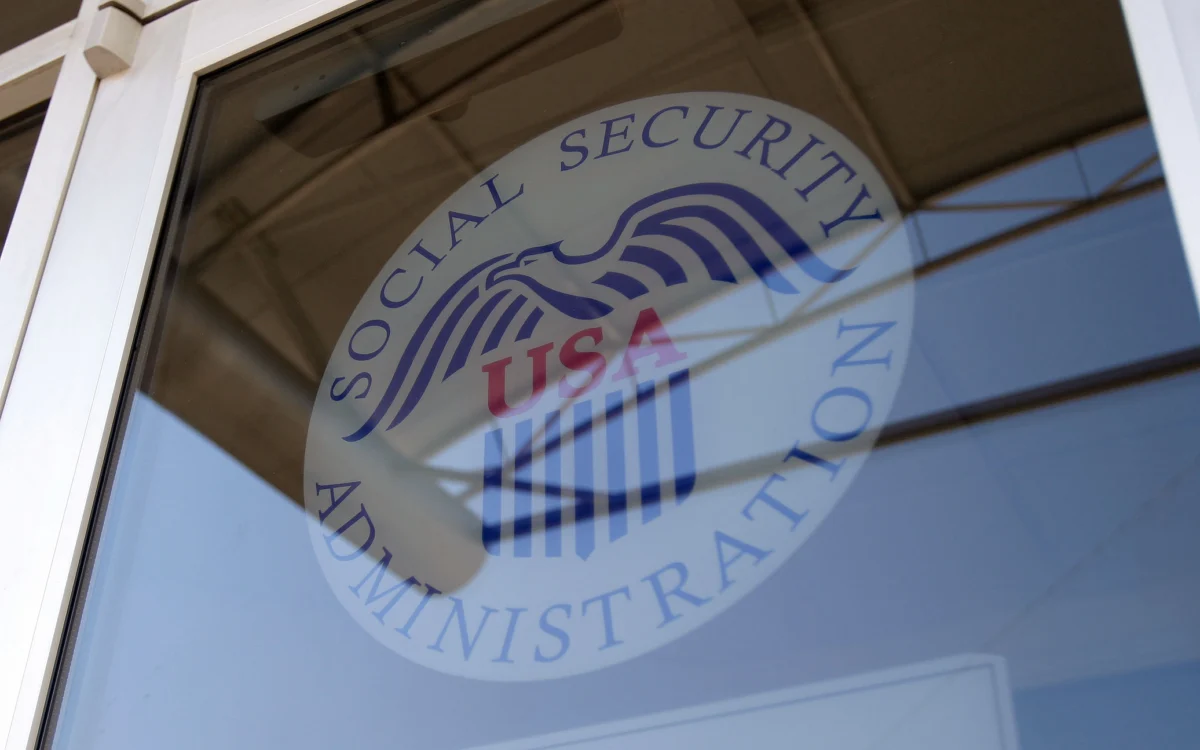
The Social Security Administration (SSA) is moving to implement a significant rule change that could dramatically alter how Supplemental Security Income (SSI) eligibility and benefit amounts are determined for hundreds of thousands of individuals, particularly those living in multi-person households. The proposed change, currently under review, seeks to remove Supplemental Nutrition Assistance Program (SNAP) benefits from the criteria used to define a "public assistance household" and revert to a stricter, long-standing definition. This move, according to SSA’s rationale, is intended to "promote program integrity" and address perceived implementation burdens, but critics argue it will disproportionately harm vulnerable individuals and families already facing financial hardship.
The core of the proposed rule change lies in rescinding a previous rule that had incorporated SNAP benefits as a form of public income maintenance (PIM) when evaluating household composition for SSI purposes. The SSA now proposes to remove SNAP from the list of PIM payments and reinstate a definition of a public assistance household where every member must receive a PIM payment for the household to be classified as such. This shift has profound implications, particularly for SSI beneficiaries who share living arrangements with family members or friends who also receive public assistance, such as SNAP.
Background: A Shift in SSI Household Rules
The current rule, which the SSA now seeks to overturn, was finalized in a manner that broadened the definition of a public assistance household. This expansion, which included SNAP, was intended to simplify the process and, as actuarial estimates suggest, led to increased SSI benefits for many beneficiaries and even opened eligibility to others. The SSA’s own internal estimates, as referenced in a report by the Center on Budget and Policy Priorities (CBPP), indicated that by 2033, approximately 277,000 SSI beneficiaries would have received higher benefits than they otherwise would have, and an additional 109,000 individuals would have become eligible for SSI.
These actuarial projections, which highlighted the positive financial impact of including SNAP as a qualifying public assistance, appear to be the very catalyst for the proposed rollback. The SSA’s submission indicates that these findings prompted the agency to seek a rule change to "ensure these changes do not happen." This suggests a deliberate effort to reverse the financial uplift that beneficiaries experienced or were projected to experience under the broader definition.
The Trump administration, in its justification for this policy shift, framed the move as a measure to "promote program integrity." The executive order submission states, "We propose to revert to our former policy to promote program integrity and because the benefits derived from the final rule do not outweigh the significant burdens and costs associated with its implementation." This statement implies that the SSA views the inclusion of SNAP as a potential vulnerability or an inefficient use of resources, despite the documented positive impact on beneficiaries. The argument about "burdens and costs" is presented as a counterpoint to the financial gains experienced by recipients.
The Impact on Vulnerable Populations
The potential consequences of this rule change are stark and far-reaching. The CBPP’s analysis of 2024 Social Security data paints a grim picture: removing SNAP as a qualifying form of public assistance would likely result in benefit cuts for over 275,000 people and the loss of eligibility for over 100,000 more. This means that nearly 400,000 individuals, many of whom are living with disabilities and rely on SSI for their basic needs, could see their financial stability jeopardized.
The crux of the issue lies in how SSI benefits are calculated for individuals living in multi-person households. SSI is a needs-based program, and the benefit amount is determined by an individual’s income and assets. However, when an SSI recipient lives with others, the SSA considers the income and assets of those household members to determine if the recipient is "living in someone else’s household." The definition of a "public assistance household" has historically played a role in this determination.
Under the previous, broader rule that included SNAP, if a household received SNAP or other public assistance, it could be classified as a public assistance household. This classification often had the effect of simplifying the calculation of the SSI recipient’s benefit, as it could lead to a presumption of shared living expenses and a reduction in the countable income from other household members. In essence, the inclusion of SNAP acknowledged that a household receiving such assistance was likely experiencing financial strain, and this helped shield SSI beneficiaries within that household from having the full income of all members counted against their benefits.
The proposed rollback would revert to the older definition, where all household members must be receiving a PIM payment for the household to be considered a public assistance household. This creates a scenario where a household could be receiving SNAP and other forms of public assistance, demonstrating a clear need, but if even one member does not receive a direct PIM payment (e.g., a working adult who doesn’t qualify for other assistance), the household might no longer be classified as a public assistance household under the new definition.
This reclassification has direct financial consequences. When a household is not considered a public assistance household under the stricter definition, the SSA will more closely scrutinize the income and assets of all household members. This can lead to a higher amount of income being "deemed" to the SSI recipient, even if that income is not directly available to them. For instance, the value of a bedroom shared by the SSI recipient could be factored into the calculation, and the income of relatives could be more aggressively counted, potentially reducing the SSI recipient’s benefit or even making them ineligible if their deemed income exceeds the SSI limit.
A Timeline of Rulemaking and Impact
The history of this specific rule change involves a progression of policy decisions. The inclusion of SNAP as a qualifying public assistance payment was a product of a final rule that aimed to simplify and, as it turned out, expand eligibility and benefit levels for some SSI recipients. The SSA’s current proposal represents a direct reversal of that prior determination.
The CBPP report, by providing actuarial estimates in April 2024, served as a crucial piece of data highlighting the significant positive impact of the existing rule. These estimates, projecting substantial increases in benefits and eligibility for hundreds of thousands of individuals, seem to have triggered the SSA’s decision to initiate the rollback process. The submission of the executive order text signifies the formal beginning of the regulatory process to undo the previous rule.
The review process for such a significant rule change typically involves public comment periods, allowing stakeholders, advocacy groups, and affected individuals to voice their concerns and provide feedback. The final implementation of the rule would depend on the outcome of this review and any potential legal challenges.
Reactions and Concerns from Advocacy Groups
While the SSA’s proposed rule change cites "program integrity" and cost-effectiveness, advocacy groups representing individuals with disabilities and low-income families have expressed strong opposition. These groups argue that the SSA’s rationale fails to acknowledge the realities faced by vulnerable populations.
"This proposed rule change is a cruel blow to individuals with disabilities and their families who are already struggling to make ends meet," stated a hypothetical spokesperson for a leading disability rights organization. "The SSA’s focus on ‘program integrity’ seems to overlook the integrity of basic human needs. These are not individuals trying to game the system; they are people who rely on these benefits for food, shelter, and healthcare. To reduce their already meager benefits based on a technicality of household composition is unconscionable."
Another common concern raised by advocates is the potential for increased poverty and hardship within households. "When an SSI recipient’s benefits are cut or they lose eligibility, it doesn’t just affect them; it impacts the entire household," a representative from a poverty advocacy group explained. "This could force families to make impossible choices between paying rent, buying food, or covering essential medical expenses. The ‘burdens and costs’ the SSA mentions are very real human costs."
The assertion that the benefits of the previous rule "do not outweigh the significant burdens and costs associated with its implementation" is being directly challenged. Advocates argue that the human benefits—food security, stable housing, and the ability to afford basic necessities—far outweigh any perceived administrative or financial burdens. They contend that the SSA should be focusing on expanding access to benefits and ensuring adequate support for its most vulnerable beneficiaries, not on measures that will push them further into poverty.
Broader Implications and Analysis
The proposed rule change raises fundamental questions about the SSA’s commitment to supporting individuals with disabilities and low-income seniors. The shift away from a definition that acknowledged shared financial struggles within households suggests a move towards a more individualistic assessment of need, which can be detrimental in complex living situations.
This policy change also highlights a potential disconnect between different government agencies and their stated goals. While SNAP is administered by the U.S. Department of Agriculture and aims to combat food insecurity, the SSA’s proposed rule could undermine these efforts by indirectly reducing the financial stability of households that rely on SNAP.
Furthermore, the emphasis on "program integrity" can sometimes be a veiled justification for benefit reductions, particularly during periods of economic uncertainty or when there are political pressures to control government spending. Critics often argue that true program integrity involves ensuring that benefits reach those who genuinely need them and that the system is designed to be accessible and supportive, rather than a maze of complex rules that can lead to unintended negative consequences.
The SSA’s decision to revert to a former definition, one that was in place before the inclusion of SNAP, suggests a preference for a more restrictive approach to eligibility and benefit determination. This could set a precedent for future policy adjustments, potentially leading to further tightening of eligibility criteria for SSI and other social safety net programs.
In conclusion, the Social Security Administration’s proposed rule change concerning public assistance households and SNAP benefits represents a significant policy shift with potentially devastating consequences for hundreds of thousands of vulnerable individuals. While framed as a measure to enhance program integrity, critics argue it will exacerbate poverty, reduce financial stability for families, and undermine the very purpose of social safety net programs designed to support those in need. The coming months will be critical as this proposal navigates the regulatory process, with intense scrutiny expected from advocacy groups and the public.