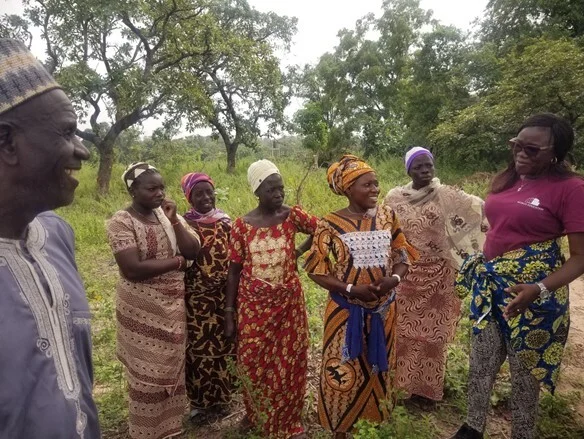
In the rural landscapes of Northern Benin, a transformative movement is reshaping the intersection of ecological conservation and youth employment. Led by World Education, an initiative of JSI, and supported by successive funding from the Darwin Initiative, a new model of community-led development is emerging. This approach leverages youth-led research and local data to revitalize agroforestry systems, moving away from top-down mandates toward a decentralized, adaptive network of human and biological collaboration. By integrating traditional ecological knowledge with modern data collection, young researchers in the community of Wéréké are not only restoring degraded woodland savannas but also redefining the economic potential of sustainable agriculture in the face of a changing climate.
The Socio-Ecological Landscape of Northern Benin
The northern regions of Benin are characterized by dry tropical forests and woodland savannas, ecosystems that are increasingly vulnerable to erratic rainfall and land degradation. Historically, these areas have relied on traditional farming practices that, while culturally significant, have often struggled to keep pace with the pressures of population growth and climate instability. For the youth of these regions, the path forward has long been fraught with a dichotomy: the traditional expectation of pursuing "desk jobs" in urban centers versus the reality of a shrinking agricultural sector that many viewed as a vestige of the past rather than a viable future.
This social disconnect created a vacuum in local leadership and environmental stewardship. However, the introduction of the Darwin Initiative-funded projects sought to bridge this gap. By focusing on the symbiosis between flora, fauna, and human intervention, the projects recognized that environmental health is inextricably linked to economic opportunity. The natural world in Benin provides a blueprint for this resilience; just as the April rains trigger the expansion of underground mycelium—a fungal network that connects trees and distributes nutrients—the project sought to create a similar web of social and economic interdependence.
Chronology of Intervention: From Pilot to Scale
The journey toward this integrated model began in earnest in 2022 with a participatory youth-led research activity designed to assess the role of young people in a burgeoning green economy. This pilot phase was critical in establishing the baseline data needed to challenge existing agricultural paradigms.
In 2023, the Women-led, School-based Agroforestry in Benin (WSAB) project was launched, running through 2025. This phase focused heavily on the intersection of gender and ecology, empowering Mothers of Students Associations (AMEs) to integrate native plant species into local agricultural plots. The success of the WSAB project provided the empirical proof of concept needed to expand. By 2024, the AgroNative project (scheduled to run through 2026) was initiated to build upon these foundations, shifting the focus toward scaling these efforts and strengthening the ties between local communities and government policy frameworks.
Methodology: Youth as Scientists and Stakeholders
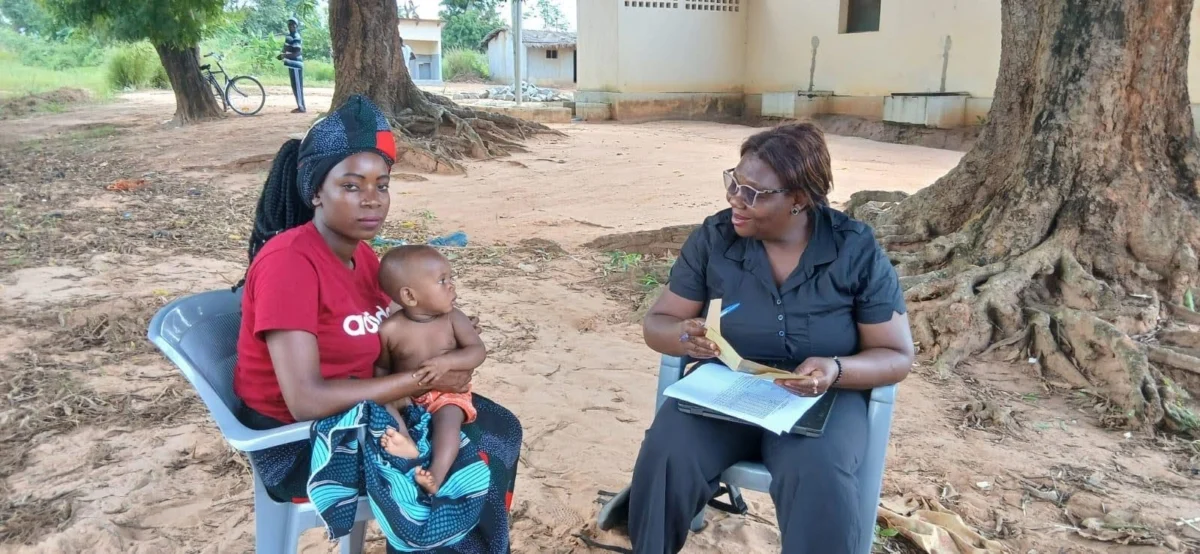
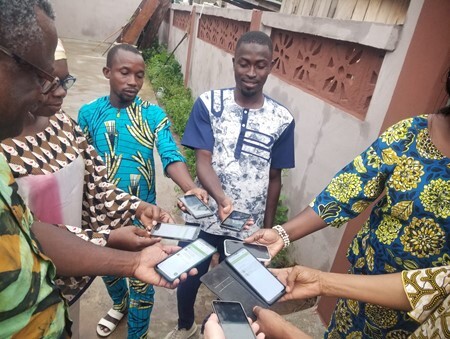
The core of the World Education approach lies in its research methodology. Rather than relying solely on external experts, the project trained local youth in Wéréké to serve as primary researchers. Armed with smartphones and behavioral science-informed questionnaires, these young individuals moved through their communities to gather data that directly addressed their own socio-economic concerns.
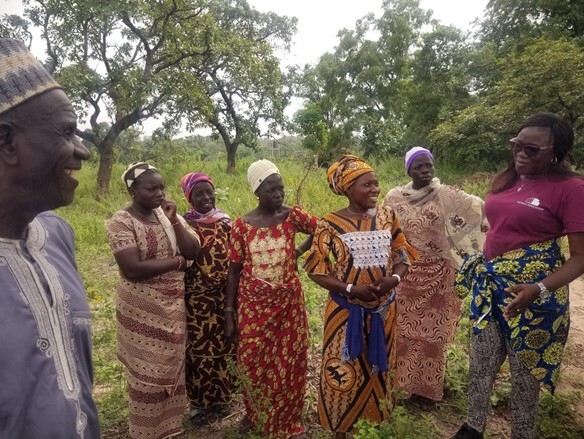
Their research focused on three primary pillars:
- Socio-Economic Expectations: Investigating how family pressures and traditional views of "prestige" careers deterred youth from entering the agricultural sector.
- Ecological Symbiosis: Monitoring the relationship between native tree species, such as the Néré (Parkia biglobosa), and agricultural pests. For example, researchers used soundbite recordings and field surveys to determine if birds nesting in these trees effectively managed grasshopper populations that threatened soya crops.
- Entrepreneurial Viability: Assessing the market potential for eco-friendly agro-products within local and regional green markets.
This data-driven approach allowed the youth to validate powerful hypotheses. They proved that maintaining high levels of biodiversity directly safeguards agricultural outputs, reducing the need for chemical interventions and increasing the overall resilience of the crop cycle.
Bridging the Gap: Policy vs. Ecological Reality
A significant component of the research involved analyzing the efficacy of existing government regulations. Beninese agricultural law, specifically Decree No 96-271, mandates that one tree be planted every 10 meters on agricultural land. While the youth researchers acknowledged this as a positive step toward reforestation, their data suggested that the law fell short of ecological requirements.
From a biological perspective, a 10-meter gap can act as a "barren sea" for the underground mycelial networks that sustain forest health. For a fungal thread, which relies on close proximity to tree roots to transfer nutrients and water, 10 meters of exploited land represents a significant barrier to connectivity. The researchers argued that a greater tree density and a more diverse canopy were necessary to foster a truly symbiotic ecosystem. By bringing this data to light, the youth provided a scientific basis for community-led initiatives that exceed government minimums, aiming for a more robust and integrated forest-farm model.
Economic Impact and Data-Driven Results
The practical application of this research has yielded tangible financial and environmental results. Under the WSAB project (2023–2025), the involvement of women and youth led to the restoration of 9.5 hectares of degraded land through community planting events involving over 360 individuals.
The economic metrics are particularly telling:
- Revenue Generation: Women-led microenterprises generated a total of 1,180,000 FCFA in revenue.
- Community Support: Of this revenue, 257,000 FCFA was contributed in cash and crops to local school canteens, directly improving food security for students.
- Wider Reach: The project indirectly supported 10,729 people in their efforts to adapt to climate change.
Recognizing the labor burden on women, the youth of Wéréké proposed a collaborative restructuring of agricultural cooperatives. They introduced a sub-parcel system where agroforestry plots were divided into 40 rent-based units. For a symbolic monthly fee of 1,000 FCFA, young entrepreneurs took responsibility for maintaining native trees while using the land to cultivate cash crops. This model turned conservation into a "startup" opportunity, proving that native canopy management could be a profitable business venture rather than just a subsidized environmental effort.
The AgroNative Project: Strengthening the Web
Building on these successes, the AgroNative project (2024–2026) has expanded the scope to five new villages. The establishment of Natural Resource Management Committees (NRMCs), currently comprising 150 members, ensures that the oversight of these lands remains in the hands of those who live on them.
The project has also institutionalized the "BioBlitz" as a tool for grassroots science. To date, over 170 individuals have participated in these intensive biological surveys to catalogue native flora and fauna. The current target is the sustainable management of 15 hectares of habitat, which is projected to benefit at least 3,000 people directly.
However, recent research conducted during the second round of the AgroNative project has highlighted a critical lesson in social ecology. Researchers found that when individual farmers received donations or resources in isolation, it inadvertently fractured the collective engagement of the group. This finding has led to a strategic pivot toward nurturing collective, shared cooperatives. The data suggests that for long-term viability, the "mycelial" model of shared resources and mutual support is more effective than the "isolated tree" model of individual assistance.
Implications for Future Agroforestry Models
The work being done in Wéréké serves as a microcosm for broader agricultural reform in West Africa. By empowering youth to be the architects of their own economic and environmental future, World Education is demonstrating that the "brain drain" from rural areas can be reversed if the agricultural sector is presented as a high-tech, data-driven, and entrepreneurial field.
The implications of this project extend beyond the borders of Benin. As nations grapple with the dual challenges of youth unemployment and climate-induced land degradation, the "Wéréké Model" offers several key takeaways:
- Decentralized Leadership: Moving away from a "central brain" approach to an adaptive system where local researchers sense and respond to environmental shifts.
- Integration of Biodiversity: Treating biodiversity not as a luxury or a side effect of farming, but as a core input for agricultural productivity.
- Evidence-Based Policy Advocacy: Using local data to inform and improve national environmental decrees, ensuring that laws align with biological realities.
Conclusion: A Symbiotic Future
Today, the communities of Northern Benin are witnessing the fruits of this collaborative web. As the youth haul water to young saplings to protect them from drought, they are supported by a community infrastructure that includes guards to protect against wandering livestock and a scientific understanding of how native trees support the predatory birds that keep pests in check.
Beneath the soil, the mycelium continues its quiet work of nutrient exchange, swelling the earth with organic matter. Above ground, the youth, the mothers, and the government workers have built their own version of that network—a symbiotic system that decomposes old, fractured paradigms of development and replaces them with a future rooted in community wisdom and scientific rigor. The transition from traditional farming to a resilient, youth-led agroforestry system in Benin represents a vital step toward a sustainable green economy, proving that when local insight is combined with global support, both communities and ecosystems can flourish.